Dent depth analysis is a measurement technique that determines how much pulling force automotive technicians need for effective repairs. This systematic approach involves measuring the vertical distance from the dent’s lowest point to the original panel surface, which directly correlates with the force requirements for successful restoration. Professional body shops use this analysis to select appropriate equipment and prevent panel damage during the pulling process.
Understanding Dent Classification and Depth Measurement Fundamentals
Automotive dents are classified into three primary categories based on their depth characteristics. Minor surface dents measure less than 2 millimeters deep and typically result from small impacts like hail or shopping cart contact. These shallow depressions usually require minimal pulling force, often between 50-150 pounds of pressure. Moderate dents range from 2-5 millimeters deep and commonly occur from door dings or minor collisions. These intermediate depressions demand 150-400 pounds of pulling force for proper restoration. Severe dents exceed 5 millimeters in depth and result from significant impacts that may compromise the metal’s structural integrity.
How Dent Depth Affects Metal Behavior During Pulling
The relationship between dent depth and metal response follows predictable patterns that experienced technicians rely upon. Shallow dents in the 1-2 millimeter range typically spring back easily with gentle pressure because the metal retains most of its original elasticity. Moderate depth dents require progressive pulling techniques where force is applied gradually to avoid over-stretching the metal beyond its yield point. Deep dents often involve work-hardened metal that becomes more resistant to movement, requiring specialized heating techniques or multiple pulling sessions to achieve satisfactory results without panel replacement.
Calculating Optimal Pulling Force Based on Measurement Data
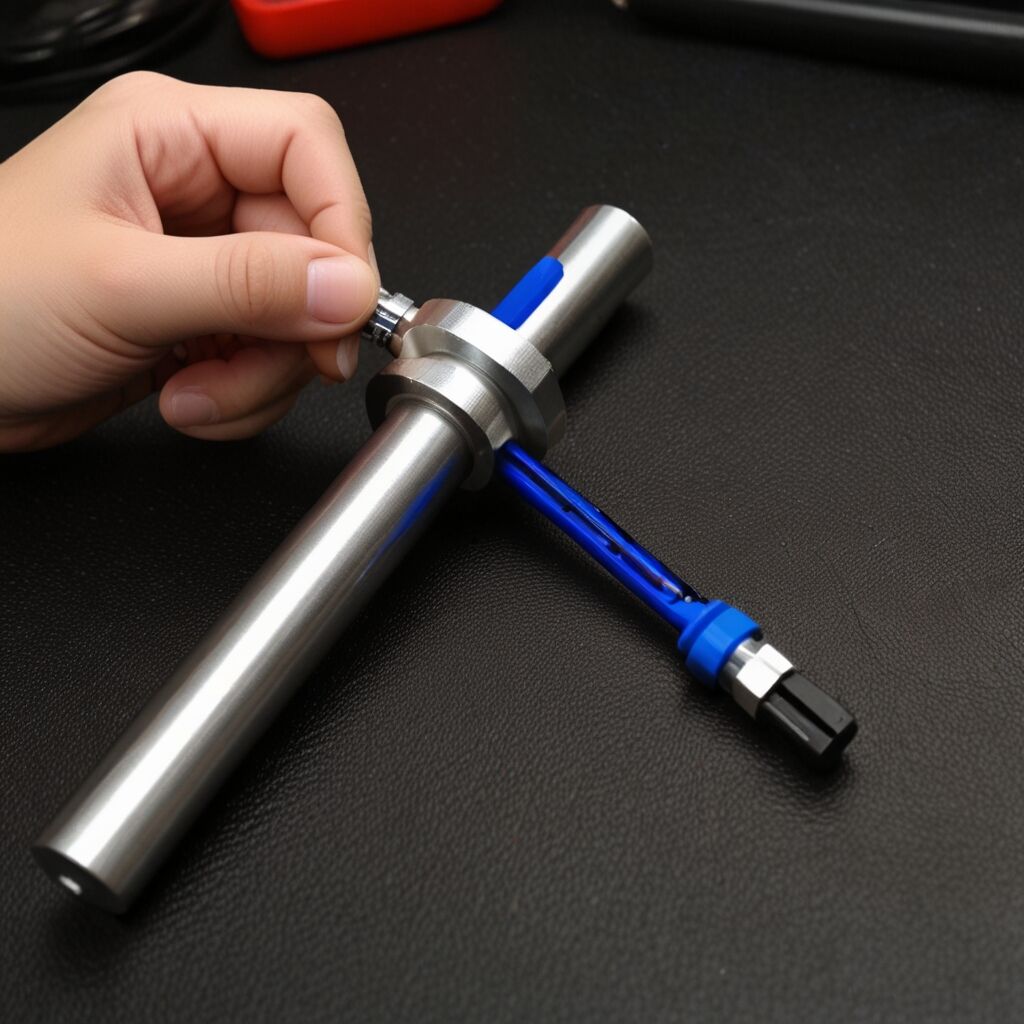
Precise depth measurements directly determine puller force requirements through established industry formulas. For every millimeter of dent depth, technicians typically apply 75-100 pounds of pulling force as a starting point. However, factors like panel thickness, metal composition, and dent location create variations in these calculations. Aluminum panels require approximately 30% less force than steel equivalents due to their softer composition. The analysis process involves measuring depth at multiple points across the damaged area to identify the deepest section and calculate the maximum force needed.
Benefits of Systematic Force Calculation Methods
Systematic force calculation provides multiple advantages for repair efficiency and quality outcomes. Accurate calculations reduce repair time by eliminating guesswork and preventing the trial-and-error approach that often leads to panel damage. This methodology typically cuts repair time by 25-40% compared to intuitive pulling methods. The benefits include consistent repair quality across different technicians, reduced risk of over-pulling that creates high spots, and improved customer satisfaction through reliable results. Professional shops using depth analysis report fewer comebacks and warranty claims related to pulling damage.
Force Application Guidelines for Common Scenarios
- Quarter panel dents typically require 200-500 pounds depending on depth and location.
- Door panel repairs usually need 150-350 pounds due to their thinner construction.
- Hood and trunk surfaces often demand 300-600 pounds because of reinforcement structures.
- Rocker panel dents may require 400-800 pounds due to structural strength requirements.
- Fender repairs typically need 200-450 pounds with consideration for mounting point stress.
- Bumper restoration varies from 100-300 pounds depending on material composition.
- Pillar area repairs often require specialized techniques due to safety considerations.
Why Precise Force Application Prevents Costly Repair Mistakes
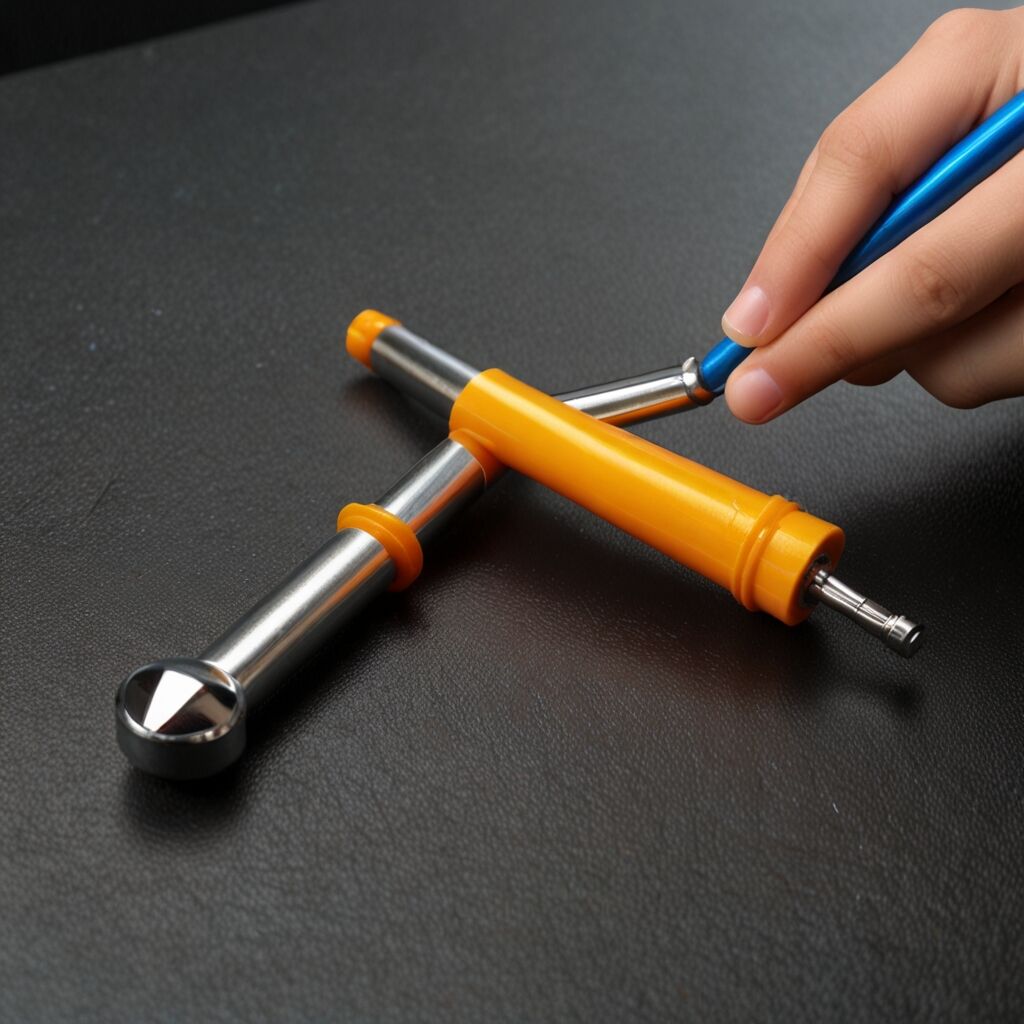
Accurate force application serves as the foundation for successful paintless dent repair and prevents expensive mistakes that compromise vehicle integrity. Excessive pulling force can stretch metal beyond its elastic limit, creating permanent deformation that requires panel replacement rather than simple restoration. Insufficient force wastes time and may leave visible imperfections that disappoint customers. The limitations of improper force application include paint cracking from over-pulling, metal thinning that weakens structural integrity, and the creation of high spots that are difficult to correct without extensive bodywork.
Cost Implications of Force Calculation Errors
Force calculation mistakes create significant financial consequences for repair shops and vehicle owners. Over-pulling damage typically increases repair costs by 200-400% because the work transitions from paintless repair to conventional bodywork requiring primer, paint, and refinishing. Professional assessment and measurement tools help avoid these costly errors by providing accurate force requirements before work begins. Under-pulling results in incomplete repairs that require additional sessions, doubling labor costs and extending vehicle downtime for customers.
When to Perform Depth Analysis During the Repair Process
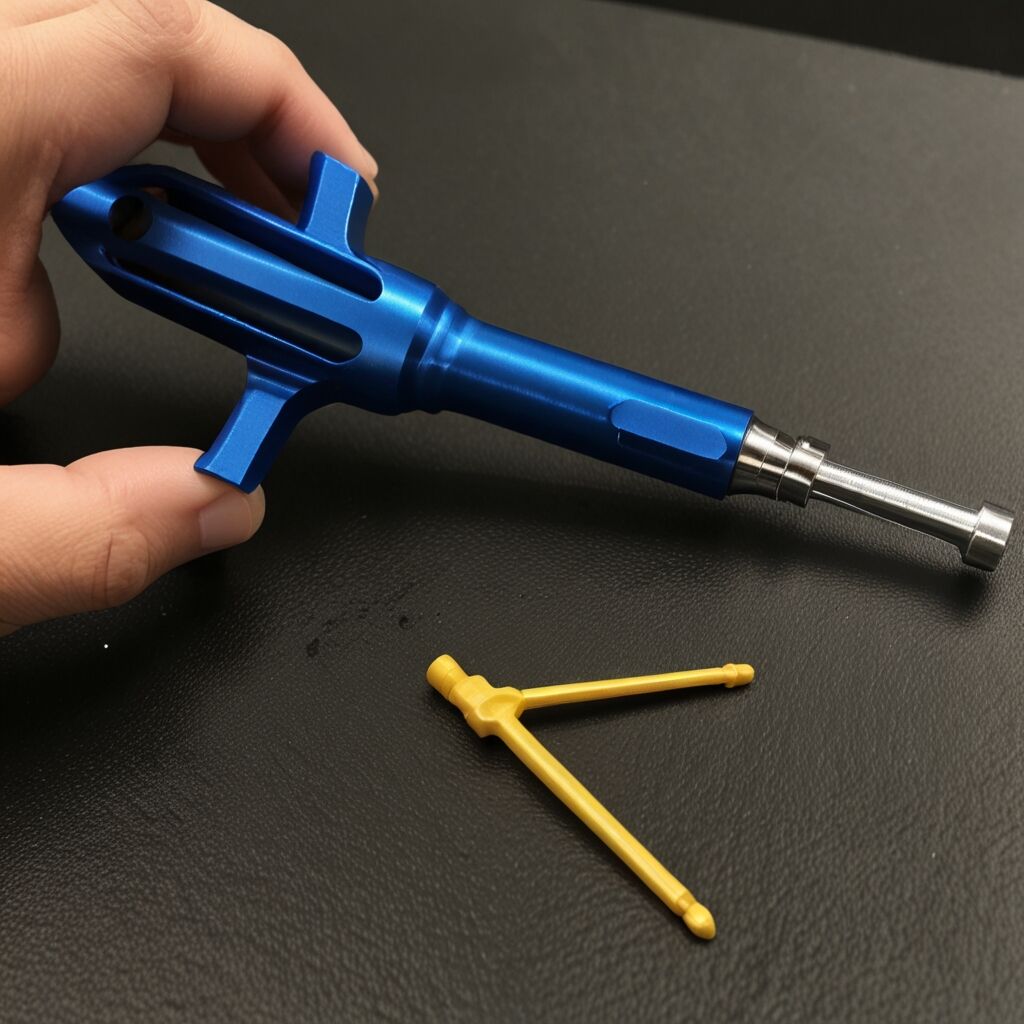
The optimal timing for dent depth analysis occurs at three critical stages of the repair workflow. Initial assessment happens before any pulling begins and establishes baseline measurements for force calculations. This pre-work analysis typically takes 3-5 minutes but prevents hours of corrective work later. Mid-process evaluation occurs after initial pulling attempts to verify progress and adjust force levels as the metal responds. Final verification ensures the repair meets quality standards before customer delivery.
Tools Required for Accurate Depth Measurement
Professional depth measurement requires specialized tools that provide reliable readings across various panel contours. Digital depth gauges offer precision measurements within 0.1 millimeter accuracy and work effectively on curved surfaces. Contour gauges help technicians understand surface variations and identify the true depth of complex dents. Ultrasonic thickness meters verify panel integrity after repairs, while laser measuring systems provide non-contact depth analysis for delicate finishes. The investment in quality measurement tools typically ranges from $200-800 but pays for itself through improved repair accuracy and reduced rework.
Essential Measurement Equipment for Professional Results
- Digital calipers provide precise measurements for depth verification and progress tracking.
- Flexible rulers help measure curved surfaces and complex dent geometries accurately.
- Depth micrometers offer the highest precision for critical measurements requiring exact data.
- Panel mapping tools create visual references for complex multi-depth damage areas.
- Smartphone apps with measurement capabilities provide convenient field assessment options.
- Reference blocks ensure measurement tool calibration and accuracy verification.
- Documentation cameras record before and after conditions for quality assurance.
Vehicle-Specific Applications of Depth Analysis Techniques
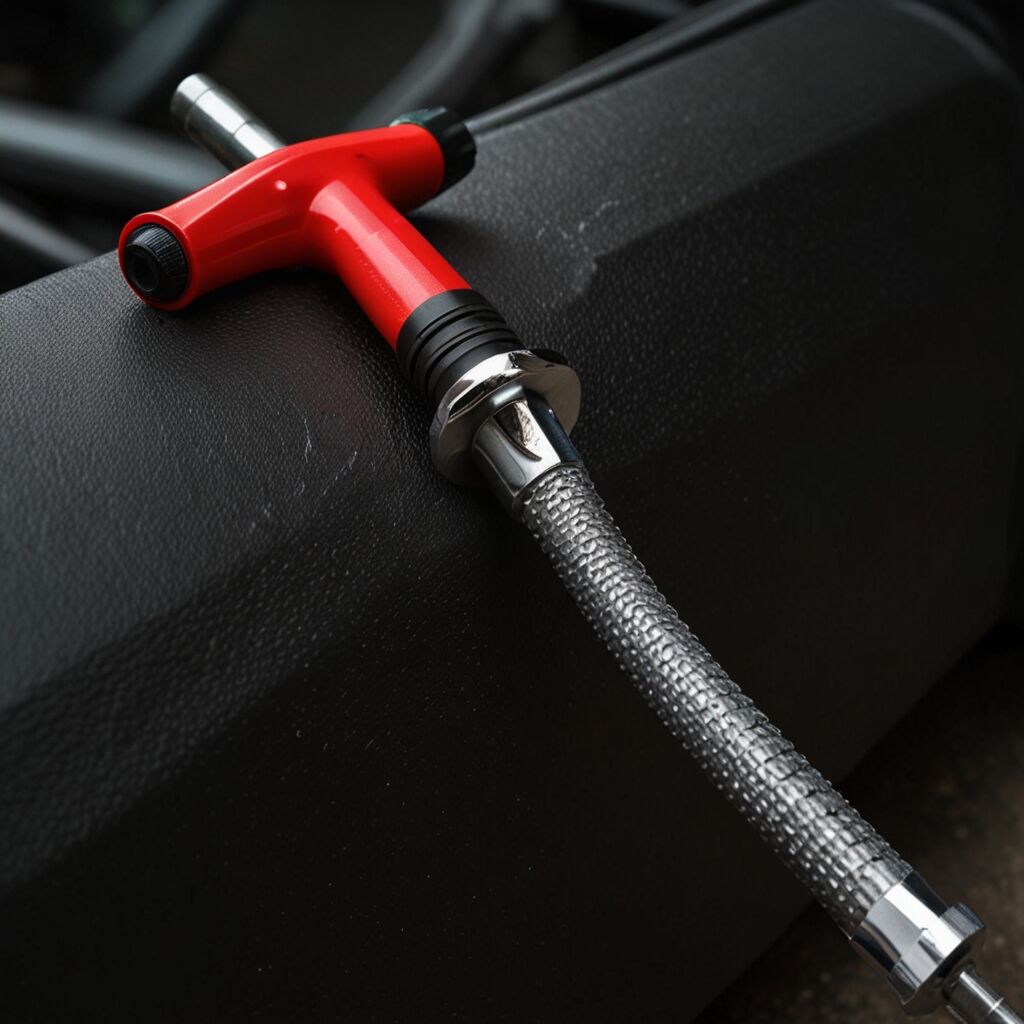
Different vehicle types require modified approaches to depth analysis based on their construction characteristics and material properties. Luxury vehicles often feature aluminum body panels that respond differently to pulling forces and require reduced pressure calculations. Truck repairs typically involve thicker steel that can withstand higher pulling forces without damage. Sports cars present unique challenges due to their lightweight construction and specialized materials that may include carbon fiber or advanced steel alloys. Commercial vehicles require analysis techniques that account for heavy-duty construction and potential load-bearing considerations.
Material-Specific Force Calculations and Limitations
Understanding material properties enables accurate force calculations for different vehicle constructions. Steel panels generally tolerate 400-600 pounds per square inch without permanent deformation, while aluminum requires reduced forces of 250-350 pounds per square inch. High-strength steel used in modern vehicles demands careful analysis because its work-hardening characteristics change force requirements during the pulling process. The limitations include material thickness variations that affect calculations, factory coatings that may interfere with measurements, and structural reinforcements that redirect forces unpredictably.
Who Benefits Most from Mastering Depth Analysis Techniques
Professional collision repair technicians gain the most immediate benefits from mastering depth analysis because it directly improves their daily work efficiency and quality outcomes. Insurance adjusters use these techniques for accurate damage assessment and repair cost estimation. Mobile dent repair specialists rely on depth analysis to provide consistent results across various work environments. Automotive restoration enthusiasts and DIY mechanics benefit from understanding these principles to avoid costly mistakes on valuable vehicles.
Training Requirements and Skill Development Timeline
Developing proficiency in depth analysis typically requires 20-40 hours of structured training combined with hands-on practice. Entry-level technicians usually achieve basic competency within 2-3 weeks of regular practice under supervision. Advanced techniques for complex damage assessment may take 6-12 months to master completely. The learning process benefits from starting with simple, shallow dents before progressing to challenging repairs. Continuous practice and mentorship from experienced technicians accelerate skill development and reduce the learning curve significantly.
Professional Development Benefits and Career Impact
- Certified depth analysis skills increase technician hourly wages by 15-25% in most markets.
- Shops with trained technicians report 30-50% fewer warranty claims on pulling repairs.
- Advanced analysis skills open opportunities for specialized restoration and classic car work.
- Training certifications enhance resume value for career advancement opportunities.
- Independent technicians command premium prices for demonstrated expertise and reliability.
- Quality control positions often require advanced measurement and analysis capabilities.
- Teaching and training roles become available for technicians with proven expertise.
Professional Equipment Selection for Accurate Depth Measurement
Selecting appropriate measurement equipment requires balancing accuracy needs with budget constraints and work environment demands. Professional-grade digital depth gauges provide the highest accuracy but cost more than basic mechanical tools. Portable ultrasonic devices offer versatility for field work but require periodic calibration to maintain accuracy. The key factors in equipment selection include measurement range requirements, environmental durability, and integration with existing shop tools and workflows.
Common Measurement Mistakes and Prevention Strategies
Measurement errors typically occur from improper tool calibration, incorrect reference point selection, and failure to account for panel curvature. The most common mistake involves measuring from the wrong reference surface, which can result in force calculations that are 50-100% incorrect. Prevention strategies include establishing clear measurement protocols, regular tool calibration schedules, and double-checking critical measurements before beginning pulling operations. Environmental factors like temperature changes can affect tool accuracy, making climate-controlled storage and pre-use calibration essential for reliable results.