Dent edge mapping is a precision technique that helps automotive repair professionals identify the exact boundaries and contours of vehicle dents before applying repair tools. This systematic approach involves using specialized guides to determine optimal puller placement, which significantly improves repair accuracy and reduces the risk of paint damage. Professional body shops and DIY enthusiasts commonly use mapping tools like contour gauges, measurement templates, and digital mapping devices to achieve consistent results across different dent types and vehicle surfaces.
Understanding Dent Edge Mapping Fundamentals
Dent edge mapping refers to the systematic process of outlining and analyzing the precise boundaries of automotive dents before beginning repair work. This technique involves identifying the high points, low points, and transition zones within the damaged area to determine the most effective repair strategy. The mapping process typically uses specialized tools like contour gauges, flexible rulers, and sometimes digital measuring devices to create an accurate representation of the dent’s geometry. Professional technicians rely on this foundational step because it reveals crucial information about metal displacement, stress patterns, and the optimal approach for restoration. Understanding these fundamentals enables both novice and experienced repair specialists to achieve more predictable and higher-quality outcomes.
Essential Components of Effective Edge Mapping
Effective dent edge mapping requires several key components working together to provide accurate assessment results. The primary elements include proper lighting setup to reveal subtle surface variations, appropriate measuring tools for dimensional analysis, and systematic documentation methods to track findings. Quality lighting typically involves LED panels or adjustable work lamps positioned at multiple angles to eliminate shadows and highlight surface irregularities. Measuring tools range from simple flexible rulers to advanced digital calipers, depending on the complexity and precision requirements of the specific repair. Documentation methods can include sketching, photography, or digital mapping software that helps technicians reference their findings throughout the repair process.
Essential Tools and Equipment for Dent Mapping
Several categories of tools serve specific functions in the dent edge mapping process, each designed to provide different types of measurement and analysis capabilities. Contour gauges remain among the most versatile tools because they can conform to complex curved surfaces and retain the shape for reference during repair work. Comprehensive dent repair puller comparison charts help technicians select appropriate tools based on mapped dent characteristics. Flexible measuring tapes and rulers enable precise dimensional measurements, while digital calipers provide highly accurate depth readings for deeper analysis. Magnetic measurement tools offer convenience when working on steel body panels, and specialized PDR (Paintless Dent Repair) mapping tools integrate measurement with repair planning functions.
Professional-Grade Mapping Equipment Options
Professional automotive repair facilities often invest in advanced mapping equipment that combines multiple measurement functions into integrated systems. These comprehensive tools typically include adjustable measurement arms, digital readouts, and sometimes computer interfaces for data storage and analysis. High-end systems may feature laser measurement capabilities, automated data recording, and compatibility with repair management software. While professional-grade equipment can range from several hundred to several thousand dollars, the investment often pays for itself through improved repair efficiency and reduced rework rates. Detailed price analysis for repair equipment helps shops evaluate cost-effectiveness and return on investment for different tool categories.
Step-by-Step Dent Edge Mapping Process
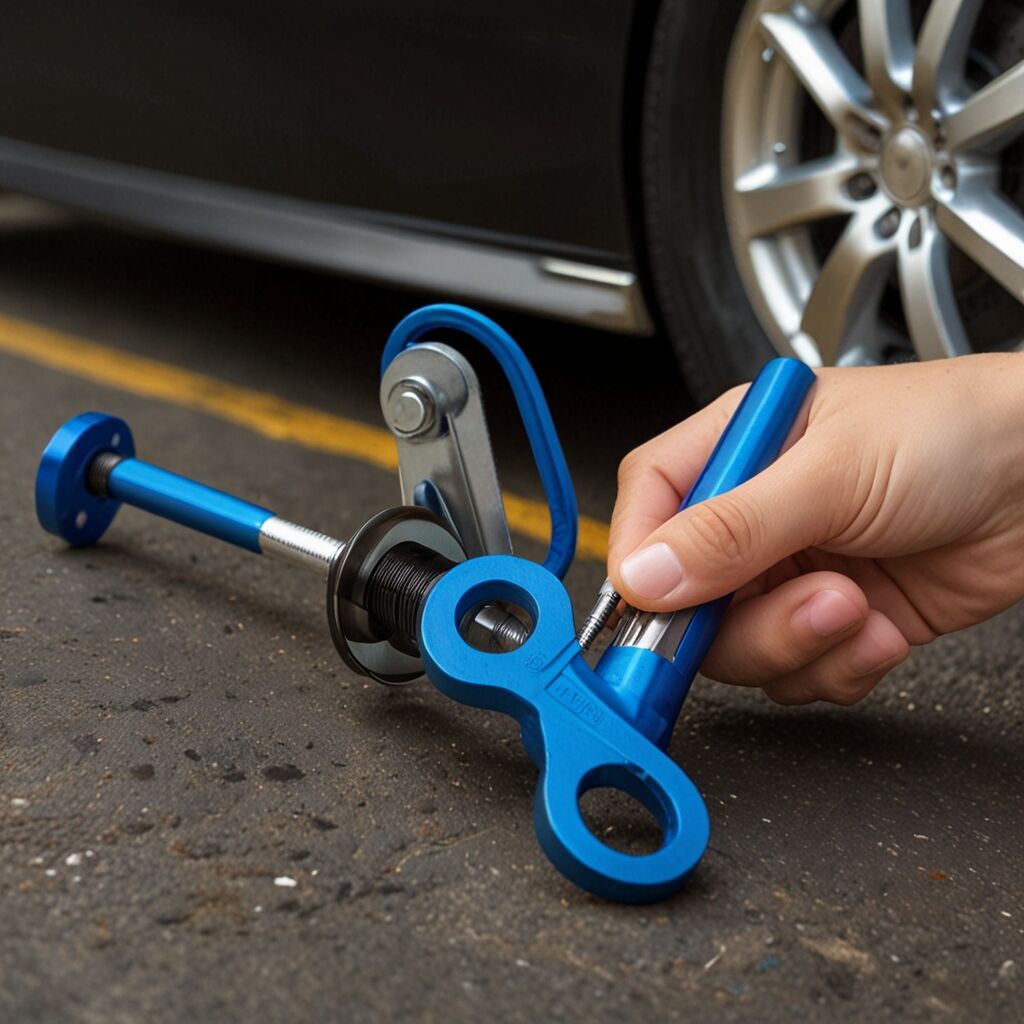
The dent edge mapping process follows a systematic sequence that ensures thorough analysis and optimal repair planning. First, clean the affected area completely to remove dirt, wax, or debris that might interfere with accurate assessment. Next, establish proper lighting conditions using multiple light sources positioned at different angles to reveal all surface variations and subtle contour changes. Then, use contour gauges or flexible measuring tools to trace the dent’s perimeter and document the exact shape and dimensions. After mapping the overall boundaries, identify the deepest points, high spots, and transition zones that will require specific attention during repair. Finally, mark reference points and document findings through sketches, measurements, or photographs for use during the actual repair process.
Critical Measurement Techniques and Best Practices
Accurate measurement techniques form the foundation of effective dent edge mapping and directly influence repair quality outcomes. Begin measurements from undamaged reference surfaces to establish baseline readings, then work systematically toward the damaged area while recording dimensional changes. Use consistent measurement intervals, typically every half-inch to inch depending on dent size, to capture subtle variations that might affect repair strategy. Cross-reference measurements from multiple angles and positions to verify accuracy and identify any measurement errors or inconsistencies. Document depth readings at the deepest points, noting whether the damage involves simple displacement or more complex metal stretching that might require specialized repair approaches.
Strategic Puller Placement Based on Mapping Results
Proper puller placement represents the critical connection between accurate edge mapping and successful dent repair outcomes. The mapping data reveals optimal attachment points where pullers can generate maximum effectiveness while minimizing stress on surrounding metal and paint surfaces. Strategic placement considers factors like metal thickness, stress distribution patterns, accessibility for tool positioning, and the direction of force application needed to restore original contours. Experienced technicians use mapping information to determine whether single-point pulling, multiple-point sequential pulling, or combination techniques will produce the best results. This systematic approach typically reduces repair time, improves finish quality, and minimizes the risk of creating additional damage during the restoration process.
Force Application Strategies for Different Dent Types
Different dent configurations require specific force application strategies based on the mapping analysis and metal behavior characteristics. Shallow, broad dents often respond well to distributed force application using larger pullers or multiple smaller pullers working in coordination. Deep, sharp dents may require concentrated force at specific points, followed by gradual expansion of the repair area to blend transitions smoothly. Specific use cases for different puller types help technicians select appropriate tools based on their mapping findings and repair objectives.
Determining When Edge Mapping Is Most Beneficial
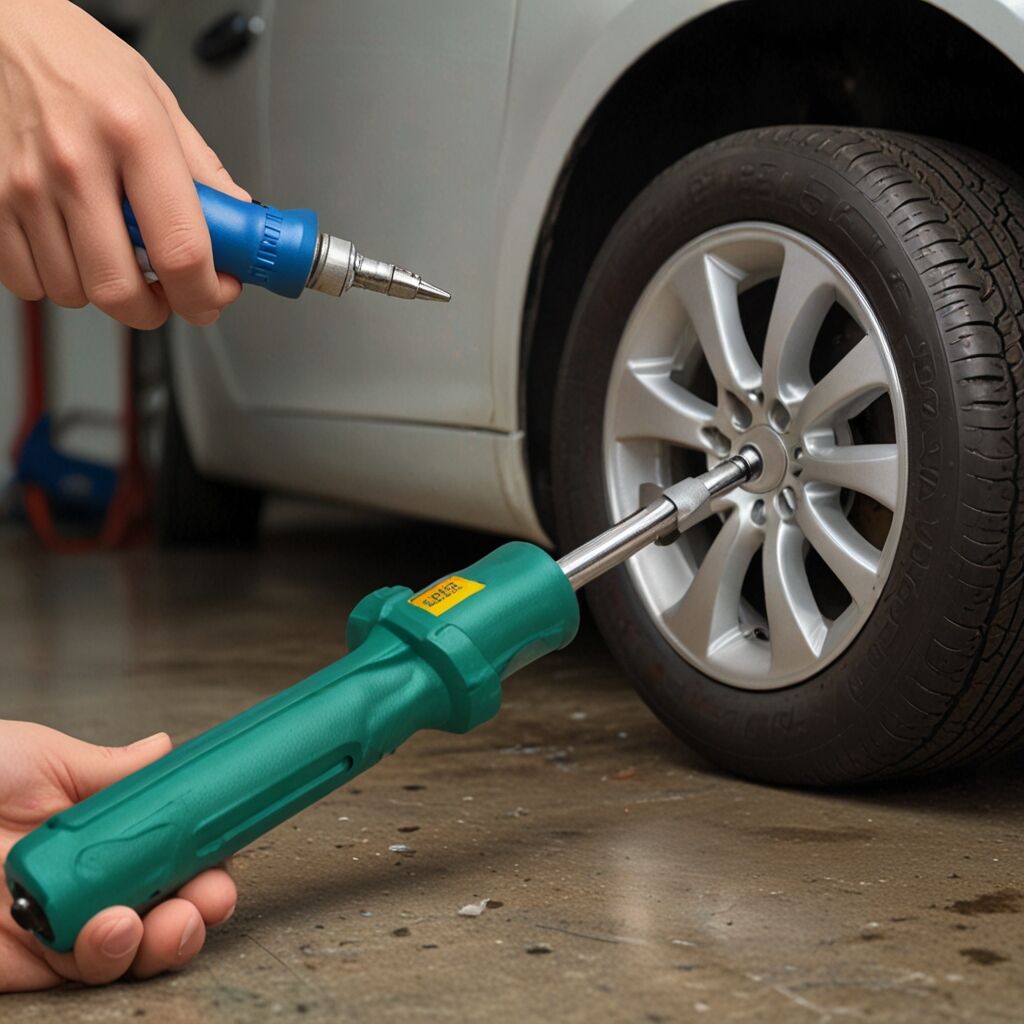
Dent edge mapping provides the greatest value in specific situations where precision and accuracy are essential for successful repair outcomes. Complex dents with irregular shapes, multiple impact points, or varying depth characteristics benefit significantly from detailed mapping analysis. Large dents spanning multiple body panels require mapping to coordinate repair approaches and ensure consistent results across panel boundaries. Sharp creases, compound curves, and dents near edges or body lines demand precise mapping to avoid creating additional damage or compromising structural integrity. Professional shops typically implement mapping techniques for insurance claims, warranty work, or high-value vehicles where repair quality standards are particularly demanding.
Cost-Benefit Analysis for Mapping Implementation
The decision to implement dent edge mapping techniques involves balancing the time investment against improved repair outcomes and reduced rework rates. Simple, shallow dents on flat surfaces may not justify extensive mapping procedures, while complex damage scenarios almost always benefit from systematic analysis. Mapping time typically ranges from fifteen minutes for basic assessment to over an hour for complex, multi-panel damage evaluation. The investment often proves worthwhile when considering factors like reduced material waste, improved customer satisfaction, faster repair completion, and lower liability exposure from repair-related issues. Training costs for mapping techniques are generally modest compared to the long-term benefits of improved repair consistency and quality.
Situations Where Edge Mapping Provides Maximum Value
- Complex dents with irregular boundaries that require precise force distribution planning
- Multi-panel damage where repair coordination between adjacent surfaces is critical
- Sharp creases or compound curves that demand accurate force vector calculations
- High-value vehicles where repair quality standards exceed typical commercial expectations
- Insurance claims requiring detailed documentation and justification for repair approaches
- Training scenarios where systematic analysis helps develop technician skills and understanding
- Quality control situations where consistent repair standards must be maintained across multiple technicians
Selecting Quality Mapping Tools and Resources
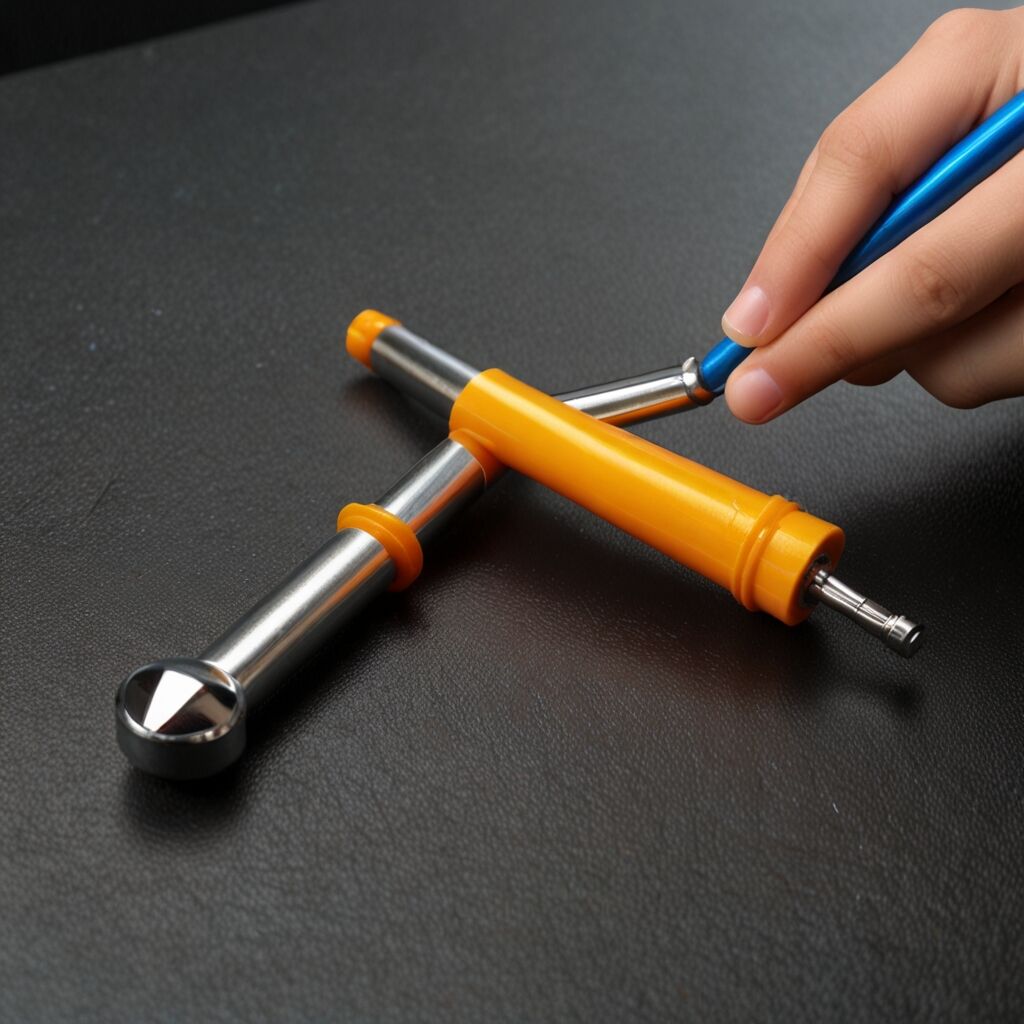
Identifying reliable sources for dent edge mapping equipment requires careful evaluation of manufacturer reputation, product specifications, and user feedback from professional repair facilities. Established tool manufacturers like Snap-on, Mac Tools, and specialized PDR equipment suppliers typically offer proven mapping solutions with reliable performance characteristics. Quality indicators include precise measurement capabilities, durable construction materials, ergonomic design features, and comprehensive warranty coverage. Price ranges for mapping tools vary significantly, from basic contour gauges costing under fifty dollars to sophisticated digital mapping systems priced in the thousands. Professional evaluation should consider long-term value, accuracy requirements, and compatibility with existing repair equipment and workflows.
Evaluating Tool Performance and Reliability
Effective evaluation of mapping tool performance involves testing accuracy, durability, and ease of use under realistic working conditions. Accuracy testing compares tool measurements against known standards or calibrated reference instruments to verify precision levels. Durability assessment examines construction materials, joint mechanisms, and resistance to typical shop environment conditions like temperature variations, humidity, and occasional impacts. User experience factors include ergonomic comfort during extended use, intuitive operation procedures, and maintenance requirements that affect long-term ownership costs. Professional reviews and recommendations from experienced technicians provide valuable insights into real-world performance characteristics that may not be apparent from manufacturer specifications alone.
Professional Applications and User Benefits
Dent edge mapping techniques serve diverse professional applications across the automotive repair industry, from independent body shops to large collision repair facilities. Collision repair specialists use mapping data to coordinate complex multi-panel repairs and ensure consistent finish quality across large damaged areas. PDR technicians rely on precise mapping to determine optimal tool access points and force application strategies for paintless repair techniques. Comprehensive analysis of best use cases demonstrates how different repair scenarios benefit from systematic mapping approaches. Insurance adjusters and repair estimators use mapping documentation to support repair cost calculations and justify specific repair methodologies.
Training and Skill Development Benefits
Systematic edge mapping techniques provide excellent training value for developing technician skills and understanding of metal behavior during repair processes. Novice technicians learn to analyze damage characteristics systematically rather than relying solely on visual assessment or trial-and-error approaches. The mapping process develops critical thinking skills, attention to detail, and understanding of cause-and-effect relationships in dent repair work. Experienced technicians often discover new insights about familiar repair challenges when they apply systematic mapping analysis to routine work. Training programs that incorporate mapping techniques typically produce more consistent repair quality and faster skill development compared to traditional apprenticeship approaches.
Professional Categories That Benefit from Edge Mapping
- Collision repair technicians working on complex multi-panel damage scenarios
- PDR specialists focusing on paintless dent repair techniques requiring precise tool positioning
- Automotive restoration professionals maintaining original finish quality on vintage vehicles
- Insurance adjusters documenting damage extent and repair methodology justifications
- Training instructors teaching systematic approach to dent analysis and repair planning
- Quality control supervisors ensuring consistent repair standards across multiple technicians
- Mobile dent repair operators optimizing efficiency in field repair situations
Quality Assurance and Long-Term Success Factors
Maintaining consistently high-quality dent repairs using edge mapping techniques requires attention to several critical success factors beyond the initial mapping process. Regular calibration of measuring equipment ensures continued accuracy and reliability of mapping data throughout the tool’s service life. Documentation practices should include detailed records of mapping findings, repair approaches used, and outcomes achieved to support continuous improvement efforts. Environmental factors like adequate lighting, temperature control, and workspace organization significantly influence mapping accuracy and overall repair quality. Follow-up inspection procedures verify that mapped repair objectives were achieved and identify any areas requiring additional attention or refinement.
Continuous Improvement and Best Practice Development
Successful implementation of dent edge mapping techniques benefits from ongoing evaluation and refinement of procedures based on accumulated experience and changing technology. Regular review of repair outcomes helps identify patterns in mapping effectiveness and opportunities for technique improvements. Technology updates in measuring equipment, documentation methods, and analysis software provide opportunities to enhance accuracy and efficiency over time. Professional development through training courses, industry conferences, and peer collaboration helps technicians stay current with evolving best practices and emerging techniques. Quality metrics tracking, including repair time, customer satisfaction, and rework rates, provides objective feedback on the effectiveness of mapping procedures and identifies areas for focused improvement efforts.