Utilizing dent pattern recognition is essential for selecting optimal puller configurations in auto body repair. Dent pattern recognition is a systematic analysis technique that identifies specific dent characteristics like depth, shape, and location to determine the most effective repair approach. This method typically reduces repair time by half while improving accuracy, as technicians can match puller types can greatly enhance repair efficiency and effectiveness. At ExtremeSpec Auto, we explore the technical details of how dent recognition improves the choice of pullers, helping automotive repair professionals and enthusiasts alike achieve superior results. This article will provide clear insights into selecting the best configurations for various dent types, ensuring your repairs stand out in quality and precision.
Understanding the Basics of Dent Pattern Recognition
Dent pattern recognition is a diagnostic technique used in auto body repair to systematically identify and categorize damage characteristics. This analysis method examines multiple factors including dent depth (typically ranging from surface-level to several millimeters), shape geometry (round, oval, or irregular), surface area coverage, and location on the vehicle panel. The recognition process enables technicians to select the most appropriate puller configurations by matching dent characteristics with proven repair strategies.
The systematic approach works by creating a damage profile that guides tool selection. For shallow dents spanning large areas, technicians typically choose slide hammer pullers or paintless dent repair (PDR) tools. Deep, concentrated dents often require stud welding pullers or heavy-duty bridge pullers. This methodical selection process significantly improves repair outcomes while reducing the risk of additional panel damage during the restoration process.
Key Steps in the Dent Pattern Recognition Process
The dent pattern recognition process involves four essential stages that ensure optimal puller selection. First, technicians conduct a comprehensive visual and tactile inspection, measuring dent dimensions using depth gauges and contour analysis tools. Second, they categorize the damage using established classification systems that account for dent type, severity level, and accessibility factors.
Third, technicians reference repair databases and improves overall repair efficiency and helps match current damage patterns with successful historical repairs. Finally, they select puller configurations based on the analysis results, considering factors like panel material (steel, aluminum, or composite), paint condition, and workspace limitations. This systematic approach ensures consistent results and helps technicians avoid common repair mistakes that can compromise vehicle integrity.
Common Types of Dent Patterns and Their Characteristics
Automotive dent patterns fall into several distinct categories, each requiring specific puller configurations for optimal results. Round impact dents, typically caused by hail or small objects, usually measure between 10-50mm in diameter and respond well to PDR techniques using specialized tip tools. Linear creases, often resulting from door edge impacts or sliding objects, create distinctive ridge patterns that require understanding these dent patterns enhances repair accuracy through careful tension distribution.
Complex compound dents combine multiple damage types and present the greatest repair challenges. These typically occur in corner impacts or multi-point collisions where overlapping forces create irregular surface distortions. Sharp-edged dents with paint damage require different approaches than smooth depressions, as technicians must consider both metal work and refinishing requirements when selecting puller types and repair sequences.
Identifying Unique Visual and Tactile Indicators
Successful dent pattern recognition relies on recognizing specific visual and tactile indicators that reveal damage characteristics. Surface reflection distortions help identify depth variations, while paint condition indicates the severity of impact forces. Technicians use reflected light sources and contour boards to highlight subtle shape changes that affect puller placement strategies.
Tactile examination reveals metal stress patterns and flexibility characteristics that influence repair approaches. Hard spots indicate work-hardened areas that resist conventional pulling, while soft zones may require additional support during the repair process. These assessment techniques enable technicians to anticipate potential challenges and select appropriate puller configurations before beginning actual repair work.
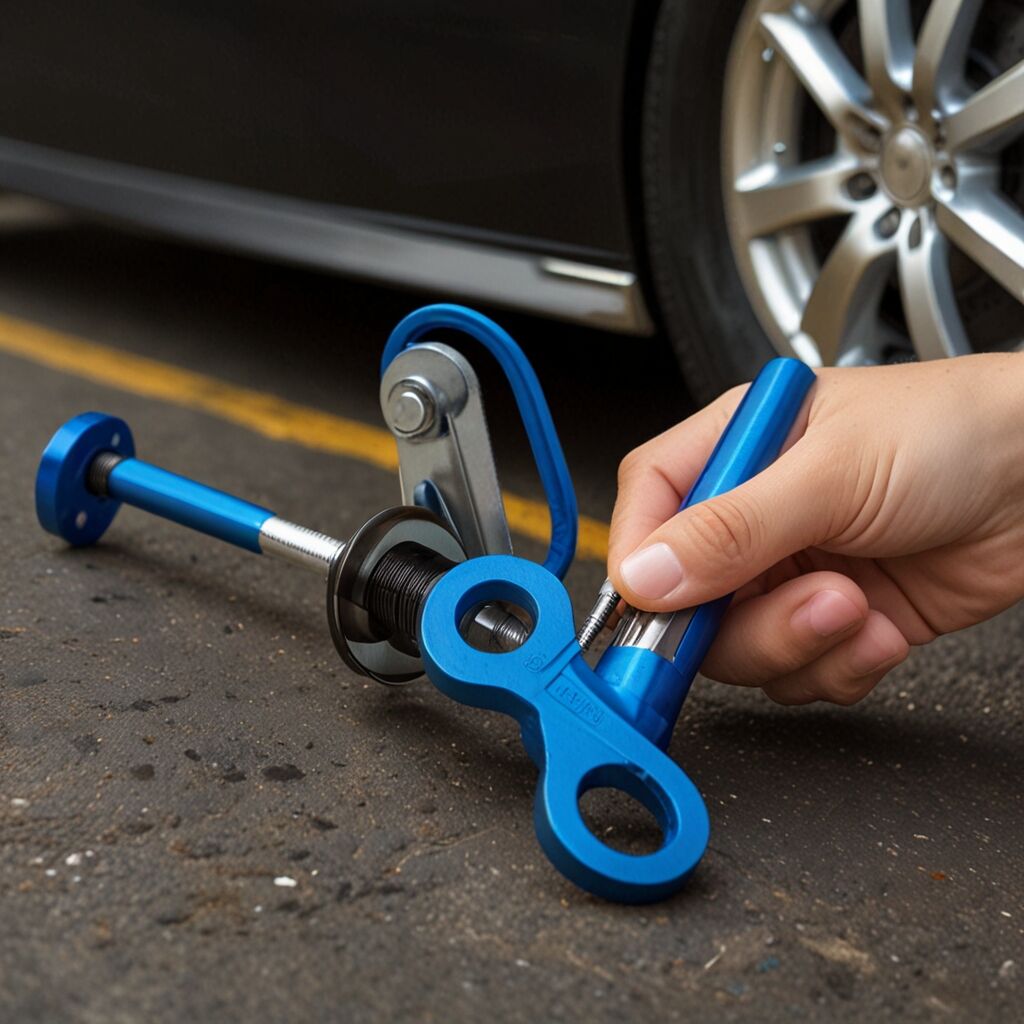
Enhancing Repair Techniques Through Advanced Pattern Analysis
Dent pattern recognition significantly impacts repair quality by enabling precise tool selection and technique optimization. This analytical approach reduces guesswork in puller configuration choices, leading to more predictable outcomes and fewer repair attempts. Professional technicians report substantial improvements in both repair speed and customer satisfaction when implementing systematic pattern recognition methods.
The technology integration aspect involves using digital measurement tools and software analysis to supplement traditional visual assessment methods. Modern repair facilities report that implementing dent pattern recognition creates comprehensive damage documentation that supports insurance claims and quality assurance processes. Advanced shops utilize laser measurement systems and 3D scanning technology to create precise damage maps that guide puller selection and repair sequencing decisions.
Correlation Between Dent Characteristics and Puller Performance
Different dent characteristics require specific puller types to achieve optimal results without causing additional damage. Shallow, wide dents typically respond best to large-area pullers that distribute force evenly across the damaged surface. Deep, narrow dents often require concentrated pulling force delivered through precision tip attachments or stud welding techniques.
The relationship between dent location and puller effectiveness also influences tool selection decisions. Edge dents near panel boundaries require specialized edge-pulling tools, while center-panel damage allows for conventional pulling methods. Understanding these correlations enables technicians to choose appropriate puller configurations that maximize repair efficiency while minimizing the risk of over-pulling or secondary damage.
Benefits of Systematic Pattern Recognition
- Improved repair accuracy through scientific damage assessment methods.
- Reduced repair time via optimal tool selection from the initial attempt.
- Enhanced customer satisfaction through consistent, high-quality results.
- Lower material costs due to fewer repair attempts and tool changes.
- Better technician training outcomes through standardized assessment procedures.
- Increased shop efficiency through streamlined workflow processes.
- Enhanced quality documentation for insurance and warranty purposes.
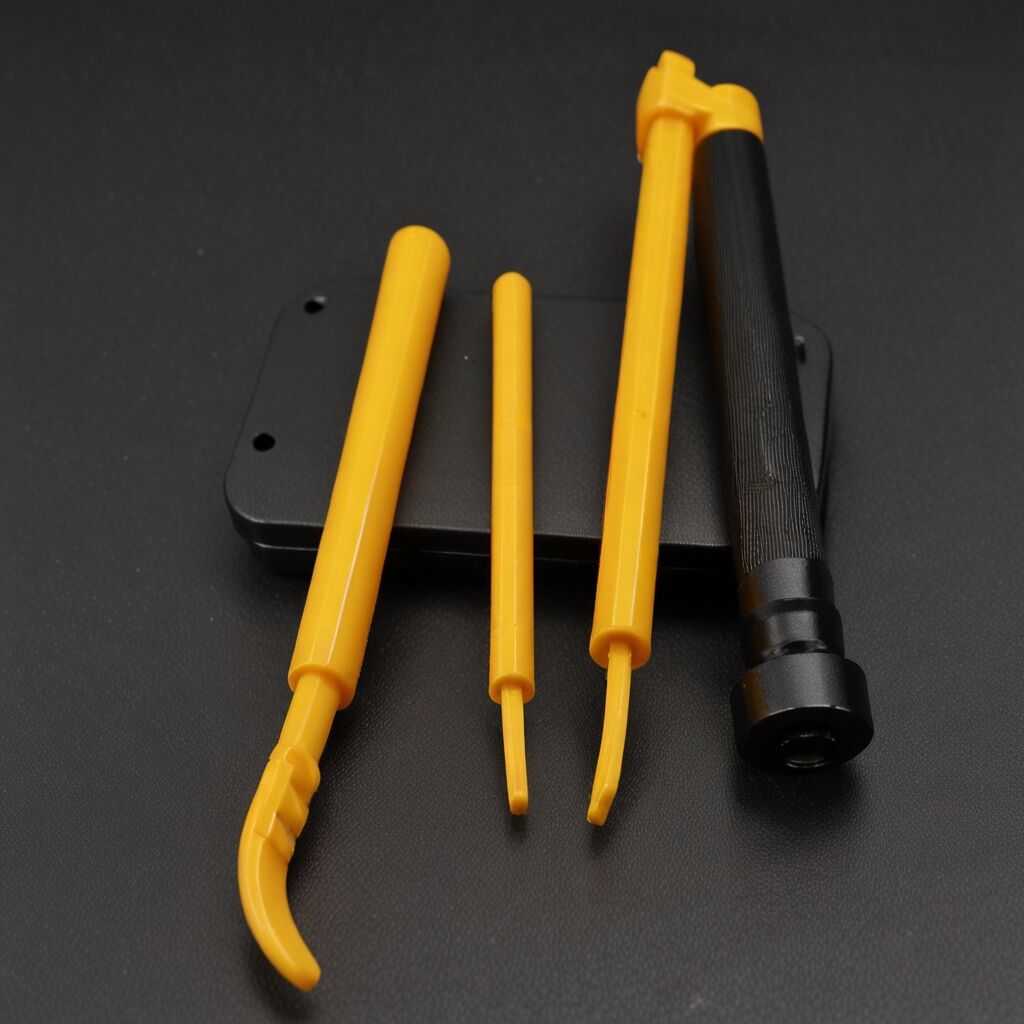
Selecting the Ideal Puller Types for Varied Dent Patterns
Optimal puller selection depends on matching tool capabilities with specific dent characteristics and repair requirements. For surface-level dents in accessible areas, PDR tools with flexible tips provide excellent control and minimal surface disruption. Medium-depth dents typically require slide hammer systems that offer adjustable pulling force and precise positioning control.
Deep dents or those in challenging locations often necessitate stud welding pullers or puller designs helps in ensuring reliable bridge pulling systems that can generate substantial force while maintaining control. Professional-grade brands like Dent Fix, Car-O-Liner, and Chief Automotive offer specialized puller systems designed for specific damage types and repair scenarios, ensuring technicians have appropriate tools for various pattern recognition outcomes.
Matching Puller Capabilities to Damage Patterns
Effective puller selection requires understanding the relationship between tool capabilities and damage characteristics. Light-duty PDR tools work effectively on minor dents in thin panels, while heavy-duty hydraulic systems handle severe damage in structural components. The key lies in matching pulling force, attachment methods, and control precision to specific repair requirements.
Consider panel accessibility when selecting puller types, as confined spaces may require specialized low-profile tools or multi-angle attachment systems. Some dent patterns benefit from sequential pulling using multiple puller types, starting with broad-area tools for initial shape restoration and finishing with precision instruments for final contour correction.
Investment Requirements and Cost Factors
Professional dent pattern recognition systems and associated puller sets represent significant equipment investments for repair facilities. Basic PDR tool kits typically range from several hundred to a few thousand dollars, while comprehensive systems including measurement tools and software can cost substantially more. However, the efficiency gains and quality improvements generally provide positive returns through reduced labor time and improved customer satisfaction.
Training requirements also factor into overall implementation costs, as technicians need instruction in both pattern recognition techniques and proper tool usage. Most professionals require several weeks of focused training to become proficient in systematic damage assessment and optimal puller selection methods.
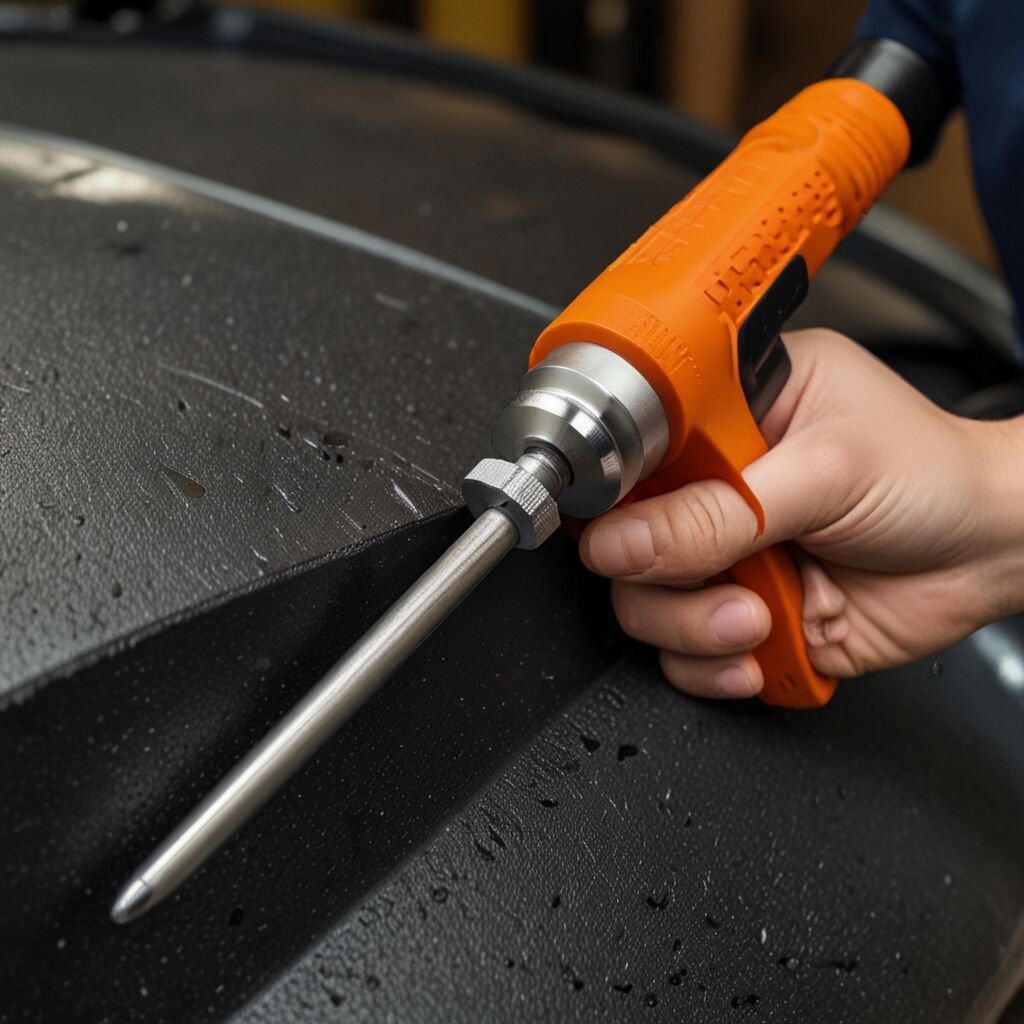
The Significance of Pattern Recognition for Professional Development
Dent pattern recognition plays a crucial role in advancing professional competency within the automotive repair industry. This systematic approach enables technicians to develop consistent assessment skills that improve over time through experience and continuing education. The structured methodology reduces variability in repair outcomes and establishes clear standards for quality control and performance measurement.
Professional certification programs increasingly incorporate pattern recognition training as a core competency requirement. Industry organizations recognize that systematic damage assessment skills distinguish expert technicians from general practitioners, leading to career advancement opportunities and specialized service offerings.
Building Expertise Through Systematic Assessment Methods
Professional development in dent pattern recognition requires dedicated practice and leverage dent pattern recognition for great ongoing skill refinement. Experienced technicians often mentor newcomers in assessment techniques, sharing insights gained through years of practical application. This knowledge transfer process helps establish shop-wide standards and ensures consistent quality across all repair work.
Advanced practitioners frequently specialize in complex pattern recognition scenarios, developing expertise in challenging damage types that require sophisticated analysis and repair techniques. These specialists often command premium service rates and attract customers seeking the highest quality restoration work for valuable or classic vehicles.
Professional Development Benefits
- Enhanced diagnostic accuracy through systematic training and practice.
- Improved career prospects via specialized skill development.
- Increased earning potential through premium service offerings.
- Better customer relationships built on consistent, quality results.
- Reduced liability risks through documented assessment procedures.
- Enhanced shop reputation for technical expertise and reliability.
- Opportunities for industry certification and professional recognition.

Optimal Timing and Application Techniques for Puller Selection
Successful dent repair timing depends on coordinating pattern recognition results with appropriate puller application techniques. Environmental factors like temperature affect metal flexibility and paint behavior, influencing both assessment accuracy and repair outcomes. Professional technicians typically prefer working in controlled temperature environments where material properties remain consistent throughout the repair process.
The sequence of puller application also affects repair success, particularly in complex damage scenarios involving multiple dent patterns. Experts often utilize dent pattern recognition to plan repair sequences that address structural issues first, followed by surface refinement work. This methodical approach prevents new damage from occurring during the repair process and ensures optimal final results.
Environmental and Material Considerations
Temperature variations significantly impact both damage assessment accuracy and repair effectiveness. Cold conditions make metal more brittle and resistant to forming, while excessive heat can affect paint adhesion and panel stability. Professional facilities maintain climate-controlled environments that optimize both assessment conditions and repair outcomes.
Panel material composition also influences timing decisions, as aluminum panels require different handling techniques compared to steel components. Modern vehicles often incorporate mixed materials that require specialized knowledge and adapted pattern recognition approaches to ensure appropriate puller selection and application timing.
Limitations and Challenge Areas
Pattern recognition systems face several limitations that technicians must understand for effective implementation. Complex damage involving multiple overlapping patterns can challenge even experienced practitioners, requiring advanced assessment skills and potentially multiple repair attempts. Edge cases near panel boundaries or involving structural components may require specialized approaches beyond standard pattern recognition protocols.
Training requirements represent another significant challenge, as developing proficiency in systematic damage assessment requires substantial time investment and ongoing practice. Smaller repair facilities may struggle to justify the training costs and equipment investments required for comprehensive pattern recognition implementation.
Resources for Developing Pattern Recognition Expertise
Comprehensive training resources for dent pattern recognition include industry-specific courses offered through automotive trade schools and professional development organizations. Online learning platforms provide flexible training options with interactive modules that demonstrate assessment techniques and guides that cover essential dent repair methodologies. Many programs combine theoretical knowledge with hands-on practice using real damage scenarios.
Professional associations like the Society of Collision Repair Specialists (SCRS) and the Inter-Industry Conference on Auto Collision Repair (I-CAR) offer specialized courses in damage assessment and repair planning. These programs typically require 20-40 hours of instruction and include practical exercises using various puller types and damage patterns.
Essential Training Components and Learning Resources
Effective training programs emphasize both theoretical understanding and practical application skills. Core curriculum topics include damage physics, material science fundamentals, measurement techniques, and tool selection principles. Advanced courses cover complex pattern analysis, repair sequencing, and quality control procedures that ensure consistent results.
Video tutorials from expert dent repair professionals provide valuable supplementary learning resources, particularly for visual learners who benefit from seeing techniques demonstrated in real repair scenarios. Interactive simulation software allows practitioners to practice assessment skills in a controlled environment before working on actual vehicles.
Recommended Learning Pathway
- Foundation courses covering basic damage assessment and measurement techniques.
- Tool familiarization training with various puller types and applications.
- Pattern recognition workshops focusing on damage categorization methods.
- Hands-on practice sessions using controlled damage scenarios.
- Advanced courses addressing complex damage and challenging repair situations.
- Continuing education programs for staying current with evolving techniques.
- Professional certification preparation and ongoing competency maintenance.
Key Stakeholders and Industry Impact
Effective dent pattern recognition creates value for multiple stakeholders throughout the automotive repair ecosystem. Repair facility owners benefit from improved efficiency and quality consistency that enhances customer satisfaction and reduces liability exposure. Insurance companies appreciate standardized assessment procedures that support accurate damage estimates and streamlined claims processing.
Vehicle owners gain confidence in repair quality through systematic approaches that provide predictable outcomes and comprehensive documentation. Automotive manufacturers benefit from improved restoration techniques that maintain vehicle integrity and support warranty requirements for approved repair procedures.
Economic Benefits Across the Repair Industry
The economic impact of systematic pattern recognition extends beyond individual repair facilities to influence industry-wide efficiency improvements. Standardized assessment methods reduce training costs and improve technician mobility between facilities. Improved dent repair techniques help reduce insurance costs through more accurate damage assessment and reduced repair variability.
Quality improvements achieved through proper pattern recognition support higher service pricing and improved profit margins for repair facilities. Customer satisfaction improvements lead to increased referral business and enhanced shop reputation, creating sustainable competitive advantages in local markets.
Additional Implementation Considerations
Successful pattern recognition implementation requires ongoing investment in training, equipment updates, and quality control systems. Comprehensive puller comparison resources help facilities select appropriate tool combinations for their specific service offerings and customer requirements.
Technology integration considerations include software compatibility, measurement tool calibration requirements, and data management systems for tracking repair outcomes and quality metrics. Many facilities find that systematic testing and evaluation procedures help optimize their pattern recognition processes and ensure consistent results across different technicians and repair scenarios.