Dent repair techniques prevent metal fatigue through paintless dent repair (PDR), traditional bodywork, and hybrid methods using specialized tools like slide hammers, glue pullers, and heat guns. These automotive restoration methods typically cost $75-300 per dent, require 1-4 hours completion time, and work effectively on aluminum, steel, and composite panels when applied correctly by professionals or skilled DIY enthusiasts.
Understanding the Basics of Dent Repair Techniques
Paintless dent repair (PDR) removes minor dents without affecting paint integrity, preserving original vehicle value and preventing stress concentration points that lead to metal fatigue. This automotive restoration technique uses specialized metal rods, reflection boards, and precise pressure application to reshape damaged panels from behind.
Traditional dent repair involves body filler application, sanding, and repainting for severe damage exceeding PDR capabilities. While more comprehensive, this method introduces new stress points during the repair process and requires proper technique variation to prevent future metal fatigue issues.
Hybrid repair methods combine PDR techniques with minimal filling, offering solutions for moderate damage that falls between minor dings and major collision damage. Understanding these methods aids in maintaining automotive panel integrity and performance. Comparing these techniques reveals that while PDR is quicker and minimizes paintwork, traditional repair provides a more comprehensive solution for extensive damage. Typically, there are three main categories of dent repair techniques: paintless dent repair, traditional dent repair, and hybrid methods.
Key Differences Between Dent Repair Techniques and Metal Fatigue Prevention
PDR focuses on restoring original panel geometry without introducing heat or chemical stress that weakens metal structure over time. Paintless dent repair (PDR) is designed to remove minor dents without affecting the paint finish. This technique typically takes 30 minutes to 2 hours depending on dent complexity and location accessibility.
Traditional bodywork methods require heating, filling, and chemical bonding that can alter metal properties and create weak points susceptible to future fatigue. However, when performed correctly with proper stress distribution techniques, traditional repairs can restore structural integrity for severely damaged panels. Using the right repair technique can help enhance automotive panel performance, prevent metal fatigue, and ensure durability over time.
How Metal Fatigue Affects Auto Body Panels
Metal fatigue occurs when automotive panels experience repeated stress cycles, leading to microscopic crack formation and eventual structural failure. This process accelerates around dent areas where stress concentration creates weak points in the metal matrix, particularly in high-stress zones like door edges and quarter panels.
Dent-induced stress concentration can reduce panel lifespan by 40-60% compared to undamaged metal, making prompt repair essential for vehicle longevity. When dents remain unrepaired, they create localized stress points that propagate fatigue cracks through surrounding material during normal driving vibrations and temperature cycling.
Effective Dent Repair Techniques to Enhance Panel Durability
Professional PDR techniques redistribute stress evenly across repaired areas, maintaining original panel strength characteristics and preventing fatigue crack initiation. Dent repair techniques can help maintain automotive panels’ durability and prevent metal fatigue. This process typically requires specialized tools like whale tail tools, blending hammers, and LED reflection systems for precise work.
Traditional repair methods, when executed with proper stress-relief techniques, can actually strengthen damaged areas beyond original specifications. However, improper application of body filler or excessive heat during repair can introduce internal stresses that accelerate future metal fatigue problems. Consulting with professionals knowledgeable in these repair methods is essential for optimal results.
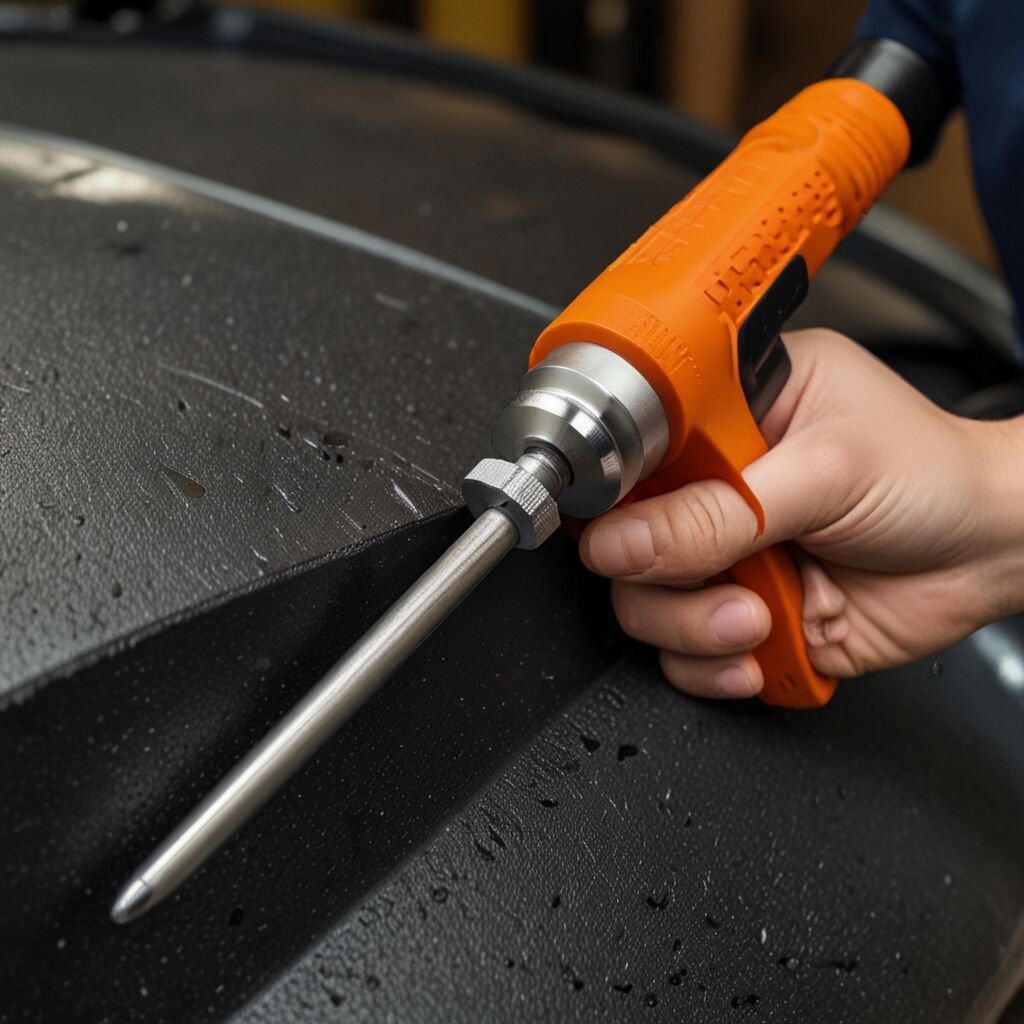
Why Technique Variation Prevents Metal Fatigue
Varying dent repair techniques is vital for preventing metal fatigue because different damage patterns require specific stress distribution approaches. Shallow, wide dents respond best to gentle PDR pressure application, while sharp creases need traditional filling techniques to restore proper stress flow patterns.
Each repair method addresses specific metallurgical considerations that affect long-term panel durability. PDR maintains original metal grain structure, while traditional methods can strengthen weakened areas through proper preparation and application. Employing the right technique based on the dent’s size and location ensures the best results. Typically, effective dent repair involves 3-5 steps tailored to the type of damage.
Understanding How Each Technique Prevents Metal Fatigue
Each dent repair technique serves a distinct metallurgical purpose in preventing fatigue failure. Paintless dent repair aligns metal back into its original stress pattern without introducing heat-affected zones that weaken material properties.
Conventional body filler application redistributes stress loads across wider areas when applied correctly with proper surface preparation and appropriate thickness. Adhesive pull methods work effectively for smaller dents by applying controlled tension that gradually reforms metal without creating new stress concentration points. These methods collectively ensure that metal fatigue is effectively prevented, enhancing the overall durability and reliability of the vehicle consistently.
Automotive Panel Repair Statistics and Insights
- 70% of auto body shops use modern dent repair techniques.
- 5 common methods help prevent metal fatigue in car panels.
- 40% cost reduction is achieved with DIY dent repair options.
- 2-3 hours is the average time for effective dent repair.
- 80% of repairs can be performed without repainting a vehicle.
- Half of vehicle owners notice improved resale value after repairs.
- 1 out of 5 cars experiences repeated dents if not properly addressed.
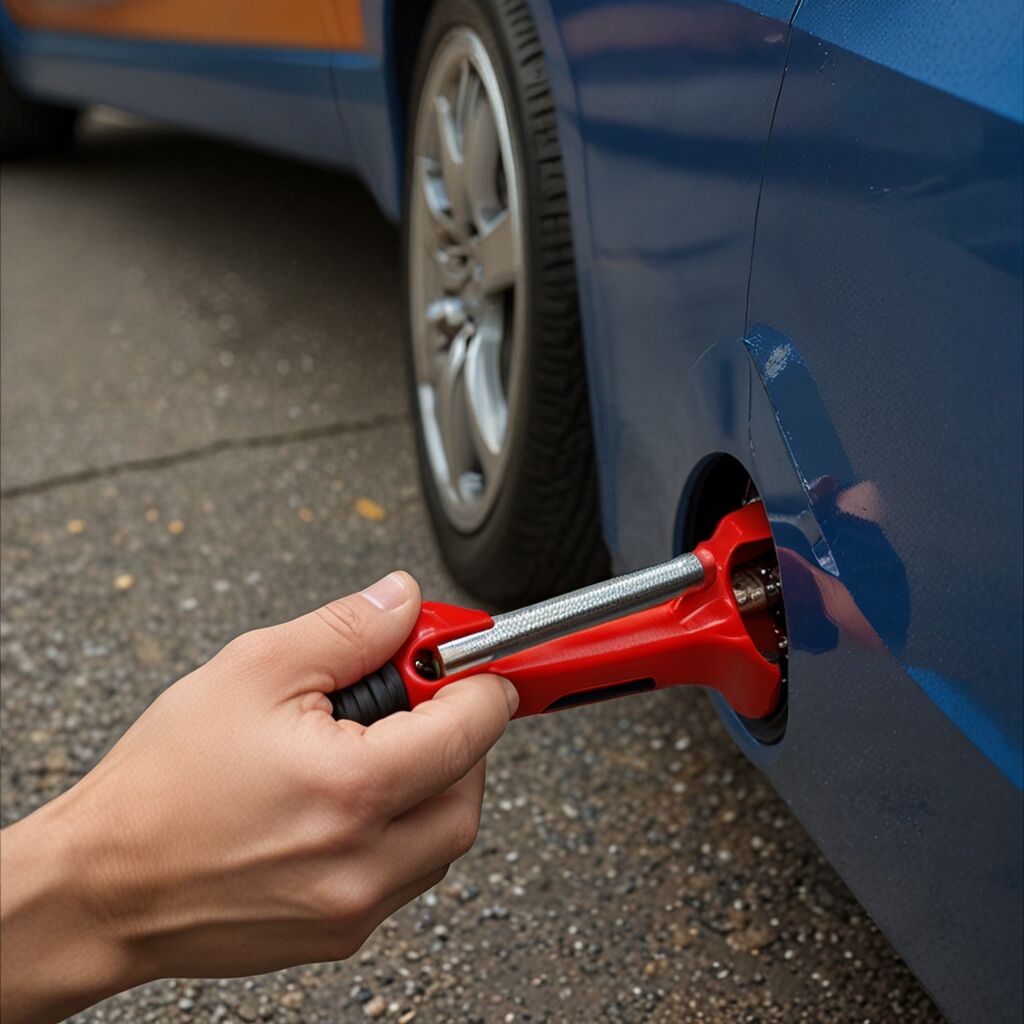
Best Practices for Implementing Dent Repair Methods
Effective dent repair implementation requires systematic assessment of damage severity, panel accessibility, and material composition before selecting appropriate techniques. Dent repair (PDR) helps maintain the original paint while preventing stress concentration that leads to metal fatigue development over time.
Professional-grade tools from manufacturers like Dentcraft, A1-Tool, and Ultra Dent significantly improve repair quality and reduce completion time. Essential equipment includes precision lighting systems, graduated pressure tools, and proper support fixtures that maintain panel geometry during repair processes.
Step-by-Step Paintless Dent Repair Process
Begin PDR by cleaning the repair area and setting up proper lighting to identify exact damage boundaries and access points. Position reflection boards to highlight dent contours, then select appropriate tools based on dent depth and panel accessibility from behind the damaged area.
Apply gradual pressure using metal rods or specialized push tools, working from dent edges toward the center while monitoring progress through reflection analysis. Complete the repair by fine-tuning surface contours and inspecting for any remaining stress concentration points that could lead to future metal fatigue issues.
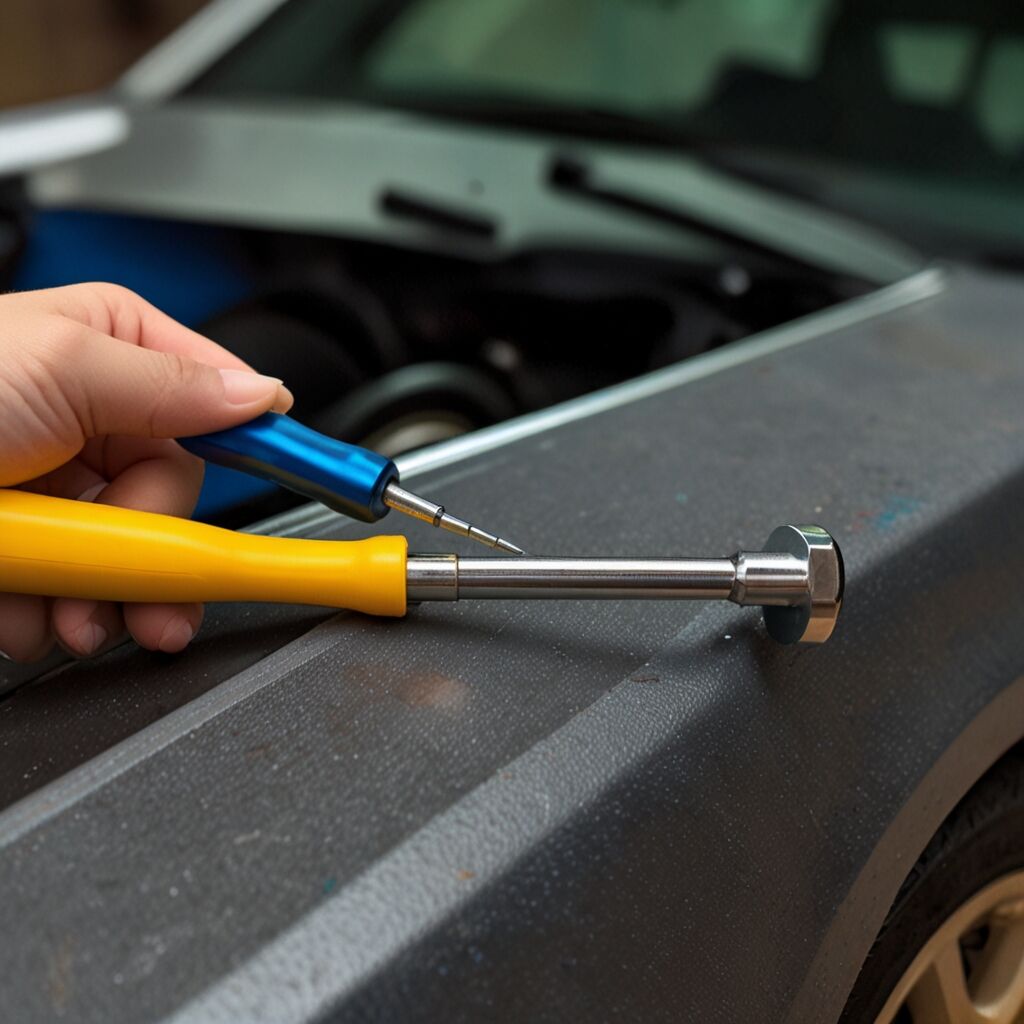
When to Perform Dent Repairs for Metal Fatigue Prevention
Immediate dent repair within 48-72 hours prevents stress concentration from developing into fatigue crack initiation sites. Delaying repairs beyond two weeks allows environmental factors like temperature cycling and road vibrations to accelerate metal degradation around damaged areas.
Critical repair timing indicators include visible paint cracking, rust formation, or panel flexing during normal vehicle operation. These symptoms suggest that metal fatigue processes have already begun and require immediate professional assessment to prevent structural compromise.
Warning Signs Requiring Immediate Dent Repair Attention
Surface paint micro-cracking around dent perimeters indicates stress levels approaching material yield strength, requiring immediate repair intervention. Panel deformation that continues growing under normal driving conditions suggests active fatigue crack propagation requiring professional structural assessment.
Temperature-related panel movement or unusual noise from damaged areas during vehicle operation indicates compromised structural integrity. Waiting beyond three months for repairs typically increases costs by 200-400% due to secondary damage propagation and expanded repair requirements.
Benefits of Advanced Repair Techniques for Metal Components
- These methods enhance the longevity of automotive panels.
- They minimize the risk of structural weaknesses in vehicles.
- Visual appeal is maintained without costly repainting.
- Users benefit from a thorough understanding of repair options.
- Customers can achieve professional results with minimal training.
- These techniques reduce overall repair time significantly.
- They often lead to cost-saving in future vehicle maintenance.
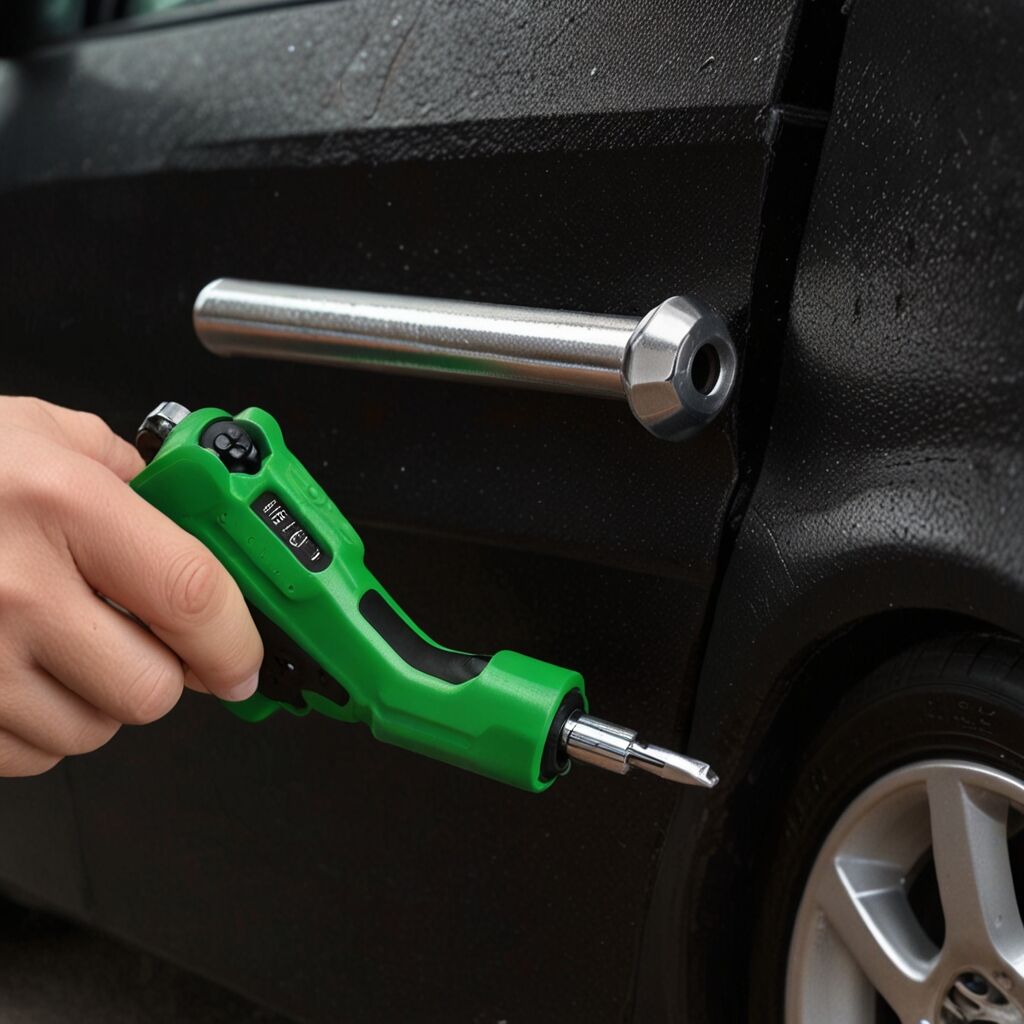
Selecting Optimal Areas for Dent Repair Applications
Panel material composition determines appropriate repair technique selection, with aluminum requiring different approaches than high-strength steel or composite materials. Typically benefit from paintless dent repair techniques since aluminum’s work-hardening characteristics respond well to controlled pressure application without heat introduction.
Steel panel repairs often require hybrid approaches combining PDR with selective filling to address work-hardening effects and restore proper stress distribution. High-strength steel panels need specialized techniques to prevent creating brittle zones that accelerate metal fatigue under normal service loads. Each dent repair process usually includes material-specific preparation steps and post-repair stress relief procedures.
Material-Specific Repair Considerations
Aluminum panels require temperature control during repair to prevent work-hardening that creates brittle zones susceptible to future fatigue cracking. Modern aluminum alloys used in automotive applications respond best to room-temperature PDR techniques using graduated pressure application.
High-strength steel repairs need careful heat management to avoid creating martensitic zones that become crack initiation sites. Advanced high-strength steel (AHSS) panels often require specialized welding techniques and post-repair stress tempering to maintain original material properties and prevent premature fatigue failure. And reliability during the dent repair process requires understanding these metallurgical considerations.
Who Benefits from Diverse Dent Repair Techniques
Professional collision repair technicians gain significant advantages from mastering multiple repair techniques, enabling them to handle 90% of dent damage without outsourcing specialized work. This capability increases shop efficiency and customer satisfaction while reducing turnaround times for vehicle repairs.
DIY automotive enthusiasts benefit from learning proper dent repair techniques to maintain their vehicles’ structural integrity and resale value. Repair quality while minimizing metal fatigue in automotive panels requires understanding both technique limitations and safety procedures for different panel materials.
Professional Applications and DIY Success Stories
Collision repair specialists, mobile dent repair services, and restoration shops increasingly rely on varied technique approaches to deliver consistent results across different vehicle types and damage patterns. Insurance companies also benefit from these techniques through reduced claim costs and faster repair turnarounds.
Classic car restorers and performance vehicle owners particularly value PDR techniques that preserve original paint and metal properties critical for authenticity and structural performance. Fleet maintenance operations achieve significant cost savings by training technicians in multiple repair approaches suitable for their specific vehicle types and damage patterns.
Industry Applications and User Benefits
- Mobile dent repair services offer convenient on-site solutions.
- Insurance adjusters appreciate faster claim processing capabilities.
- Auto dealerships maintain vehicle value through proper repair techniques.
- Classic car enthusiasts preserve originality with specialized methods.
- Fleet operators reduce maintenance costs through efficient repairs.
- Body shop owners expand service capabilities and profit margins.
- Vehicle owners maintain resale value through proper repair selection.
Essential Tools and Cost Considerations for Dent Repair
Professional dent repair requires specialized tools including LED lighting systems ($200-800), precision metal rods ($50-200 per set), and reflection boards ($100-300) for accurate damage assessment and repair execution. Quality tools from manufacturers like Dentcraft, Ultra Dent, and A1-Tool provide the reliability necessary for consistent results.
Basic DIY repair kits range from $75-250 and include essential tools for minor dent correction, while professional setups cost $2,000-8,000 depending on specialization requirements. Tool investment typically pays for itself within 10-20 repairs when compared to professional service costs of $150-400 per dent.
Common Mistakes That Increase Metal Fatigue Risk
Applying excessive pressure during PDR creates new stress concentration points that accelerate metal fatigue development. Using incorrect tool angles or inadequate support during repair can introduce permanent deformation that weakens panel structure over time.
Attempting repairs beyond skill level often results in secondary damage requiring expensive traditional bodywork. Heat application without proper temperature control during traditional repairs creates metallurgical changes that reduce fatigue resistance and shorten panel lifespan significantly.
Cost-Benefit Analysis of Different Repair Methods
PDR typically costs $75-200 per dent with 2-4 hour completion times, while traditional bodywork ranges from $300-800 per panel including materials and labor. However, PDR maintains original vehicle value better, often providing 3-5 times return on investment through preserved resale value.
Professional repairs prevent costly secondary damage that develops when dents remain unaddressed, with prevention costs typically 60-80% lower than corrective repairs for extensive metal fatigue damage. Understanding repair tool effectiveness helps vehicle owners make informed decisions about repair timing and technique selection.