Combining different puller types for effective dent restoration involves using slide hammers, glue pullers, and bridge pullers together to tackle complex automotive damage. This multi-tool approach puller types enhances the efficiency and quality while reducing repair time from hours to typically thirty minutes for most dents. Professional techniques commonly combine three to five different puller types depending on dent complexity and location.
What Are Dent Restoration Techniques
Dent restoration techniques refer to specialized methods that repair vehicle damage without traditional bodywork or repainting. These approaches primarily utilize Paintless Dent Repair (PDR) combined with various puller tools to restore original panel shape. Key techniques include Paintless Dent Repair (PDR) alongside glue pulling, slide hammer application, and bridge puller systems. Professional repair shops favor these methods because they preserve factory paint finish while delivering cost-effective results.
The restoration process typically involves damage assessment, tool selection, systematic pulling sequences, and quality inspection. Modern techniques work effectively on aluminum, steel, and composite panels found in today’s vehicles. Successful repairs depend on understanding metal characteristics, dent depth measurement, and appropriate force application. Most technicians combine multiple approaches within a single repair session to achieve optimal results.
Essential Tools Required for Professional Results
Professional dent restoration requires specific tool categories including slide hammers, adhesive pullers, bridge systems, and finishing tools. Basic starter kits typically contain ten to fifteen essential pieces, while comprehensive professional sets include forty or more specialized components. Essential tools encompass hot glue guns, various pulling tabs, release agents, and precision hammers for fine adjustments.
Quality tools significantly impact repair outcomes and working efficiency. Professional-grade equipment typically costs between $200 and $2,000 depending on comprehensiveness and brand reputation. Investment in reliable tools pays for itself through improved repair quality and reduced working time. Most professionals recommend starting with mid-range equipment before upgrading to premium options as skills develop.
Understanding Different Types of Dent Pullers
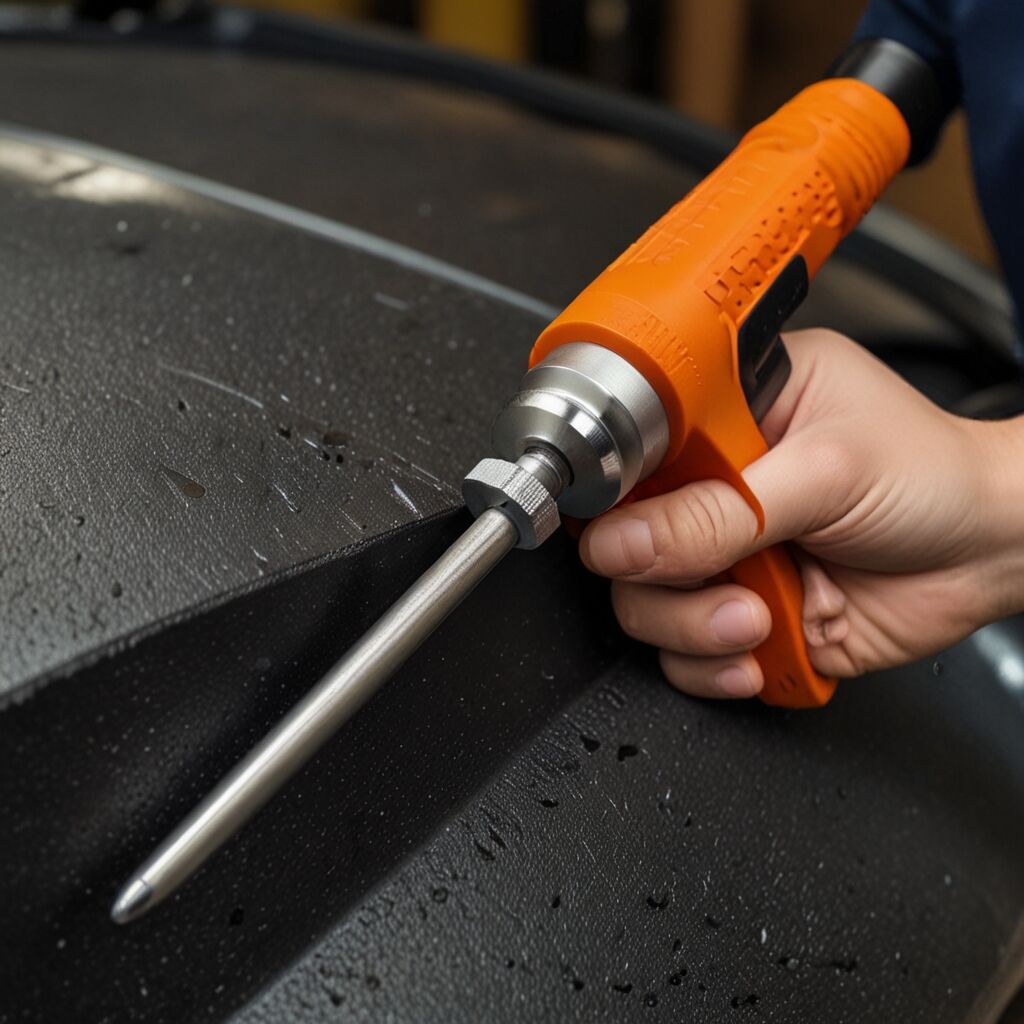
Dent pullers fall into three primary categories: mechanical slide hammers, adhesive glue pullers, and vacuum-based systems. Slide hammers work by converting impact energy into controlled pulling force, making them ideal for deeper dents and creases. Glue pullers utilize hot-melt adhesives and specialized tabs to create temporary bonds with painted surfaces, allowing precise pulling without surface damage.
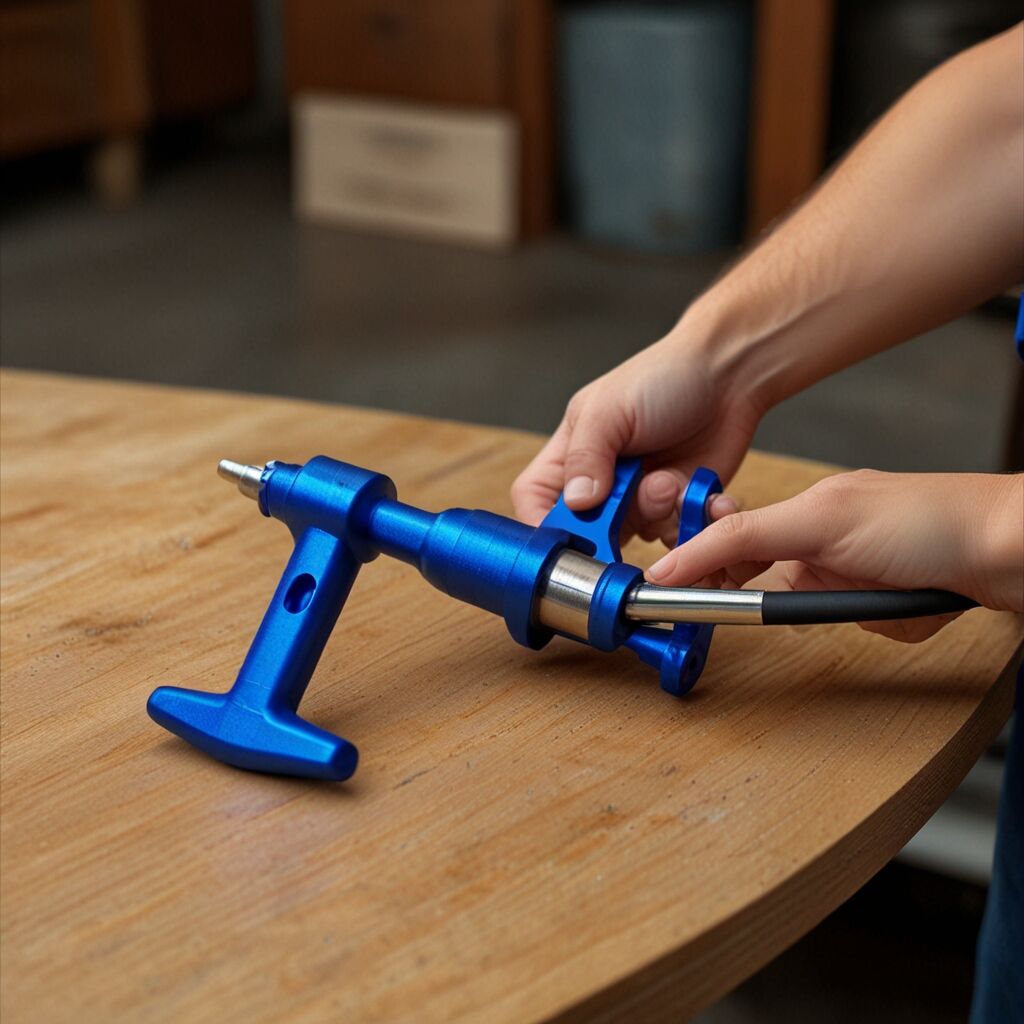
Bridge pullers span larger damaged areas using adjustable arms and multiple attachment points. These tools excel at addressing complex damage patterns that require simultaneous pulling from multiple directions. Vacuum pullers work effectively on smooth, flat surfaces but have limited applications compared to other types. Understanding each puller’s strengths helps technicians select appropriate tools for specific repair scenarios.
How Glue Pullers Work in Practice
Glue pullers operate by creating temporary adhesive bonds between specialized tabs and vehicle surfaces. The process begins with surface preparation involving cleaning and slight heating to improve adhesion. Hot-melt glue applied at appropriate temperature creates strong but removable bonds that withstand pulling forces.
Successful glue pulling requires proper tab selection based on dent size and surface curvature. Small tabs work for precise repairs while larger tabs distribute force across broader areas. Compare different puller specifications and features to understand which tools suit specific repair needs. The pulling motion should be steady and controlled rather than sudden or jerky to prevent surface damage.
Benefits of Using Multiple Puller Types
Combining different puller types for dent restoration provides enhanced versatility and improved repair outcomes. Each tool type addresses specific damage characteristics – slide hammers handle deep impacts, glue pullers manage surface-level damage, and bridge systems tackle complex patterns. This comprehensive approach typically reduces overall repair time while improving finish quality.
Multi-tool techniques enable technicians to adapt their approach as repairs progress. Initial assessment might suggest one approach, but damage complexity often requires strategy adjustments during the repair process. Having multiple puller types available allows immediate adaptation without workflow interruption. Professional shops report higher customer satisfaction when using combined approaches compared to single-tool methods.
How Different Pullers Work Together
Strategic puller combination follows logical sequences based on damage assessment. Deep dents typically require initial work with slide hammers to achieve gross shape correction, followed by glue puller refinement for surface finish. Bridge pullers often serve as intermediate tools, addressing areas that single-point pullers cannot reach effectively.
Effective combination requires understanding each tool’s force characteristics and appropriate application timing. Overly aggressive early pulling can create additional damage, while insufficient initial correction makes final finishing more difficult. Review specific use cases for different puller types to optimize your repair strategy. Experienced technicians develop intuitive understanding of proper tool sequencing through practice and observation.
Why Multiple Approaches Improve Results
- Different tools address varying damage depths and complexities effectively.
- Sequential application allows progressive refinement from rough to finish quality.
- Multiple attachment points enable better force distribution across damaged areas.
- Tool flexibility accommodates unexpected complications during repair processes.
- Combined techniques typically produce superior cosmetic results compared to single-tool approaches.
- Professional versatility improves efficiency and reduces overall repair time significantly.
- Enhanced repair capabilities when addressing complex damage patterns and challenging locations.
Step-by-Step Guide to Multi-Puller Techniques
Multi-puller dent restoration begins with comprehensive damage assessment to determine appropriate tool selection and repair sequence. Effective coordination of different puller types requires understanding damage depth, panel accessibility, and surface conditions. Professional assessment typically takes five to ten minutes but determines entire repair strategy and expected outcomes.
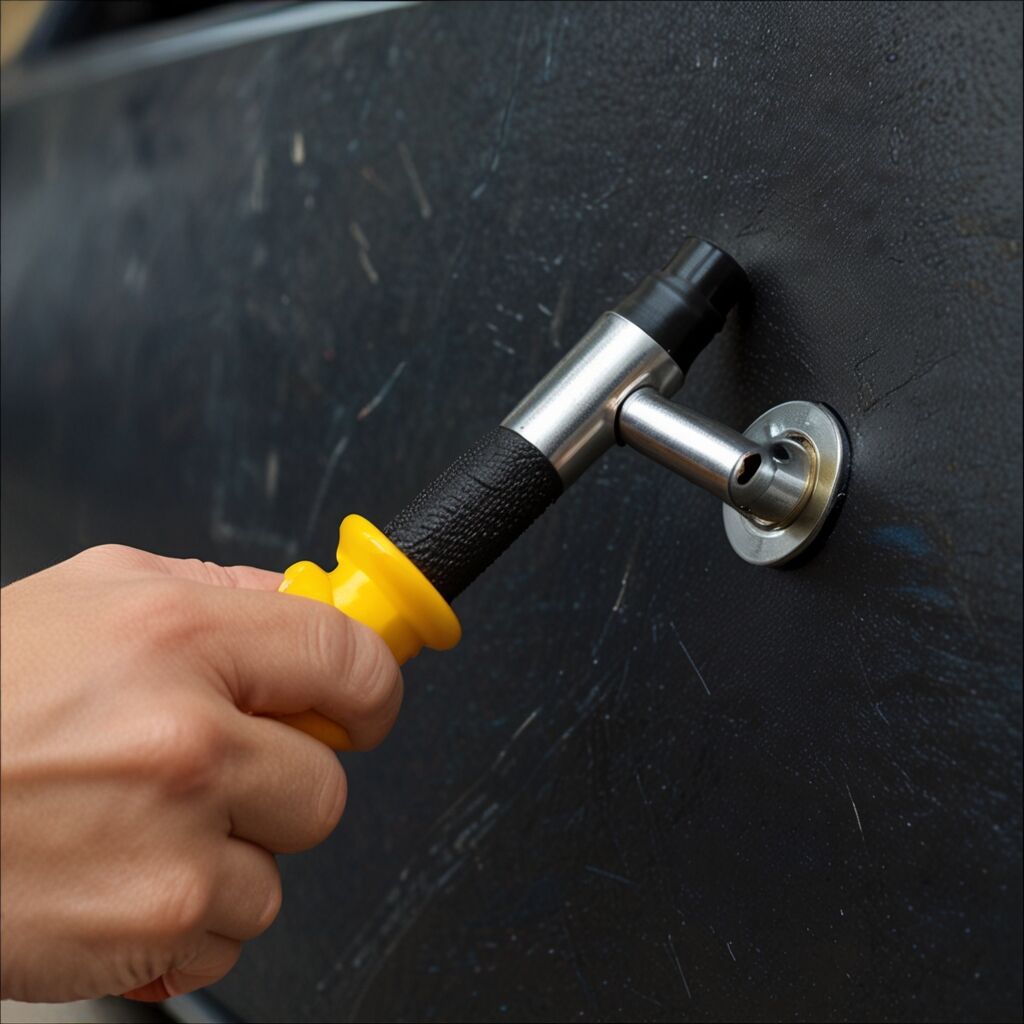
The repair sequence usually progresses from heaviest to lightest pulling tools. Slide hammers address major shape distortion first, followed by bridge pullers for intermediate correction, and glue pullers for final surface refinement. Proper tool maintenance ensures consistent performance throughout the repair process. Each step requires careful monitoring to prevent overcorrection or surface damage.
Essential Steps for Combined Puller Success
Begin every multi-puller repair with thorough cleaning and damage mapping to identify optimal attachment points and pulling directions. Mark reference points using removable tape to maintain orientation throughout the repair process. Heat application may be necessary for certain materials to improve workability and prevent cracking during manipulation.
Execute pulling operations in controlled increments rather than attempting complete correction in single applications. Monitor progress continuously and adjust strategy based on panel response. Most successful repairs involve multiple light pulls rather than few heavy applications. Test different pulling techniques and tools to determine optimal approaches for various damage types. Complete each repair with careful inspection and minor adjustments as needed.
When Complex Repairs Require Multiple Pullers
Complex damage scenarios necessitate multiple puller types when single tools cannot adequately address all aspects of the repair. Multi-stage repairs prevent damage and ensure optimal results in challenging situations. Collision damage, hail damage, and deep creases typically require systematic multi-tool approaches for professional-quality restoration.
Panel location significantly influences tool selection and repair complexity. Door panels, quarter panels, and roof sections each present unique challenges that benefit from combined puller techniques. Restricted access areas often require specialized tool combinations to achieve adequate pulling angles and force distribution. Understanding these scenarios helps technicians prepare appropriate equipment and develop realistic repair timelines.
Specific Puller Applications by Damage Type
Collision damage typically involves multiple impact points requiring coordinated repair approaches. Primary impact areas need slide hammer attention while secondary damage responds better to glue puller techniques. Hail damage creates numerous small dents that benefit from systematic glue puller application followed by bridge puller finishing for larger damaged areas.
Crease damage presents unique challenges requiring careful force application to avoid metal stretching. Bridge pullers excel at crease repair by distributing force along the entire damaged length rather than concentrating stress at single points. Deep dents in reinforced panels may require slide hammer pre-work before glue puller refinement can achieve acceptable results. Each damage type benefits from specific tool combinations based on metal behavior and accessibility constraints.
Advantages of Systematic Multi-Tool Approaches
- Comprehensive damage coverage addresses all aspects of complex repair scenarios effectively.
- Progressive refinement produces superior cosmetic results compared to single-tool limitations.
- Flexible adaptation allows strategy modification as repairs reveal additional complications.
- Efficient workflow reduces overall repair time through optimized tool sequencing and application.
- Enhanced customer satisfaction results from professional-quality restoration using appropriate techniques.
- Cost-effective solutions minimize material usage while maximizing repair quality and durability.
- Professional versatility enables technicians to handle diverse damage types with confidence and competence.
Selecting Quality Puller Tools and Equipment
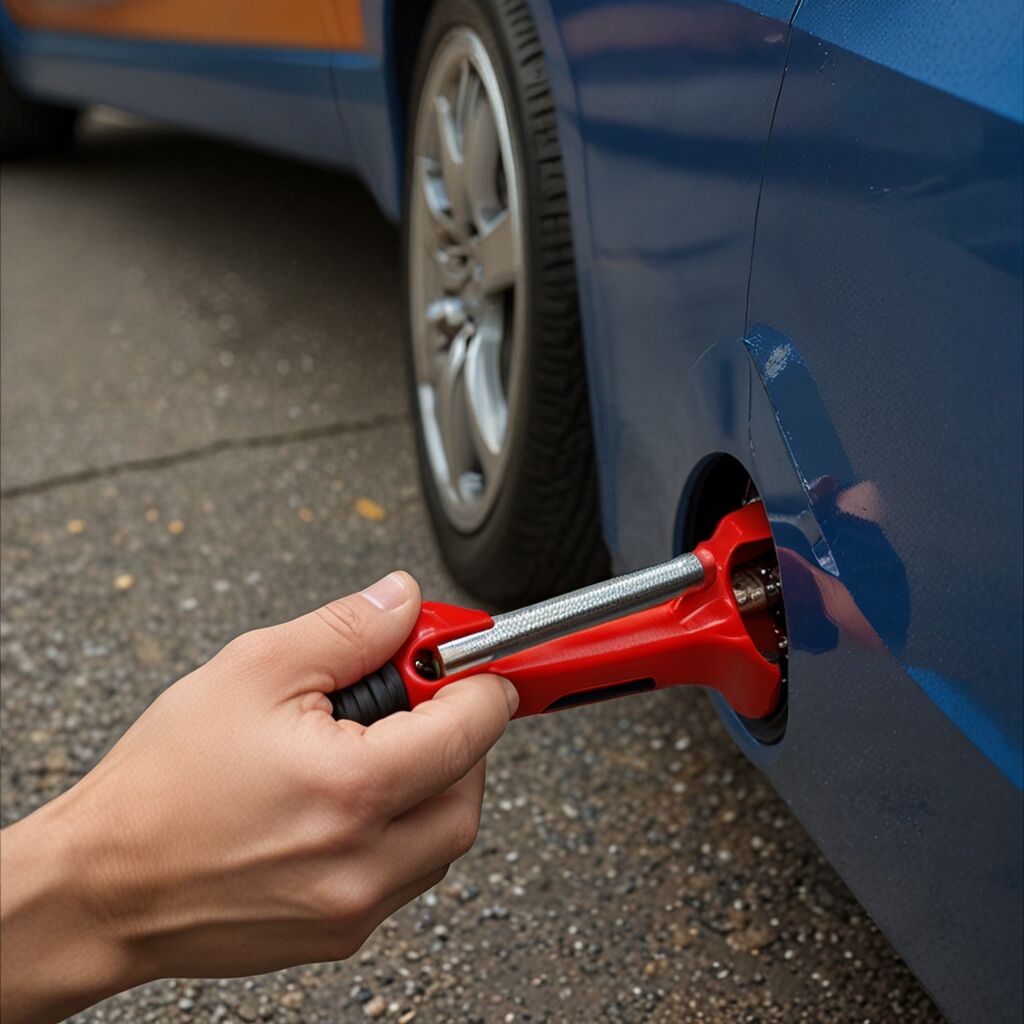
Quality puller tools significantly impact repair outcomes and working efficiency throughout professional and DIY applications. Reputable manufacturers like Dent Craft, Keco, and Dead Dent Tools produce reliable equipment designed for consistent performance under demanding conditions. Professional-grade tools typically feature ergonomic designs, durable construction, and comprehensive warranty coverage that justifies higher initial investment costs.
Tool evaluation should consider build quality, functionality, user feedback, and manufacturer reputation before making purchasing decisions. Compare pricing and value across different tool categories to identify optimal equipment for specific applications and budget constraints. Online resources and professional forums provide valuable insights into real-world performance and reliability from experienced users.
Evaluating Performance and Value
Tool performance evaluation requires considering multiple factors including effectiveness, durability, ease of use, and versatility across different repair scenarios. Lightweight tools reduce operator fatigue during extended repair sessions while maintaining adequate strength for effective pulling operations. Ergonomic designs improve control and precision while reducing physical strain during repetitive operations.
Value assessment should balance initial costs against expected longevity and performance benefits over time. Professional tools typically justify higher costs through improved results and extended service life. Consider long-term tool investment costs when planning equipment purchases for professional or serious DIY applications. Quality tools maintain performance characteristics longer and require less frequent replacement compared to budget alternatives.
Who Benefits from Multi-Puller Techniques
Professional automotive technicians benefit most from advanced multi-puller restoration techniques that enable handling complex repairs efficiently. Body shop professionals, mobile repair specialists, and insurance adjusters all gain valuable knowledge from understanding these comprehensive approaches. DIY enthusiasts with mechanical aptitude can achieve professional-quality results using systematic multi-tool techniques for personal vehicle maintenance.
Educational institutions teaching automotive technology benefit from incorporating multi-puller techniques into their curricula to prepare students for modern repair challenges. Students learn valuable skills in damage assessment and systematic repair approaches that enhance their employment prospects. Fleet maintenance operations find these techniques valuable for cost-effective vehicle restoration without extensive bodywork requirements.
Professional Applications and Career Benefits
Body shop technicians who master multi-puller techniques typically command higher wages and enjoy greater job security due to their enhanced skill sets. Mobile repair specialists benefit from the versatility these techniques provide when working in customer locations with limited space and equipment. Insurance adjusters who understand these repair methods can provide more accurate estimates and better serve their clients’ needs.
Career advancement opportunities improve significantly for technicians who demonstrate proficiency with advanced repair techniques. Specialization in PDR and multi-puller methods often leads to premium service positions and entrepreneurial opportunities. Professional certification programs recognize these skills and provide formal credentials that enhance employment prospects and earning potential in competitive markets.
Industry Applications and Specialized Uses
- Collision repair shops utilize multi-puller techniques for efficient damage restoration without extensive bodywork requirements.
- Mobile repair services benefit from versatile tool combinations that enable on-site professional-quality repairs.
- Fleet maintenance operations reduce costs through in-house repair capabilities using systematic multi-tool approaches.
- Automotive restoration professionals employ these techniques for preserving original finishes on classic and collectible vehicles.
- Insurance companies recognize these methods for accurate damage assessment and cost-effective repair solutions.
- Training institutions prepare students for modern automotive careers through comprehensive multi-puller technique instruction.
- Professional warranty coverage and customer satisfaction improve through reliable multi-tool repair approaches.
Why Mastering These Techniques Matters
Mastering multi-puller dent restoration techniques provides crucial advantages for automotive professionals seeking competitive advantages in today’s market. These skills enable handling diverse damage types efficiently while maintaining high quality standards that customers expect. Professional competency in advanced techniques ensures reliable and efficient service delivery that builds customer loyalty and business reputation.
Technical expertise in multi-puller methods typically requires several months of dedicated practice and training to achieve professional proficiency. Understanding tool limitations, material behavior, and repair sequencing develops through hands-on experience combined with theoretical knowledge. Continuous learning and skill refinement remain essential as new tools and techniques emerge in this evolving field.
Common Mistakes and How to Avoid Them
Incorrect tool selection represents the most common error in multi-puller applications, often resulting from inadequate damage assessment or unfamiliarity with tool capabilities. Rushing repair processes without proper preparation frequently leads to suboptimal results and potential additional damage. Insufficient force control during pulling operations can stretch metal beyond recovery or damage painted surfaces.
Proper technique development requires patience, practice, and willingness to learn from mistakes without becoming discouraged. Review frequently asked questions about common repair challenges to avoid typical pitfalls and improve success rates. Starting with simpler repairs and gradually progressing to complex scenarios builds confidence and competency systematically. Professional mentorship and formal training significantly accelerate skill development while reducing costly mistakes during the learning process.