Dent severity classification is a systematic assessment method that categorizes automotive dents by depth, size, location, and paint damage to determine optimal repair strategies. This classification ranges from Level 1 (minor surface dents) to Level 5 (severe structural damage), directly guiding puller selection and repair techniques. Professional classification helps avoid costly mistakes and ensures efficient repairs. For example, tools like depth gauges and glue pullers typically handle Level 1-2 repairs within 30 minutes.
What is Dent Severity Classification?
Dent severity classification is a standardized evaluation system that categorizes automotive dents into five distinct levels based on measurable criteria. Level 1 represents shallow dents under 2mm deep with no paint damage, while Level 5 indicates deep structural damage exceeding 10mm with extensive paint loss. This classification system helps mechanics, body shops, and DIY enthusiasts select appropriate repair methods and tools. The benefits include reduced repair time by up to half, better cost estimation accuracy, and improved success rates. Professional shops typically use this system to quote repairs accurately, with Level 1-2 dents often suitable for paintless dent repair (PDR) and Level 4-5 requiring traditional bodywork.
How Dent Classification Works in Practice
The classification process works by measuring specific dent characteristics using standardized tools and criteria. Technicians assess dent depth using depth gauges, measure surface area with rulers, and evaluate paint damage through visual inspection. Location factors include panel type (flat versus curved), accessibility for tools, and proximity to body lines. The process typically takes 5-10 minutes per dent and involves checking for metal stress, paint flexibility, and underlying structural integrity. This systematic approach ensures consistent evaluation across different technicians and repair facilities, which leads to more predictable repair outcomes.
Classification Levels and Their Repair Requirements
Each classification level requires specific repair approaches and tools for optimal results. Level 1 dents (0-2mm deep) typically need only glue pullers or PDR rods, taking 15-30 minutes to repair. Level 2 dents (2-4mm deep) may require heated glue tabs and specialized PDR tools, usually completing within 30-60 minutes. Level 3 dents (4-7mm deep) often need slide hammers or pneumatic pullers, requiring 1-2 hours for proper repair. Level 4 dents (7-10mm deep) typically require traditional bodywork methods including filler and paint, taking several hours to complete. Level 5 dents (over 10mm) represent severe damage requiring panel replacement or extensive metalwork.
Understanding Tool Selection Based on Classification
Tool selection directly correlates with dent classification levels for optimal results. Glue pullers work effectively for Level 1-2 dents on accessible flat surfaces, providing gentle extraction without paint damage. Slide hammers suit Level 3-4 dents requiring significant pulling force, typically ranging from 200-500 pounds of extraction pressure. Pneumatic dent pullers excel for high-volume shops handling multiple classification levels, offering consistent results across various dent types. The wrong tool selection can escalate a Level 2 dent to Level 4 damage, emphasizing the importance of proper classification before beginning repairs.
Cost Implications of Different Classification Levels
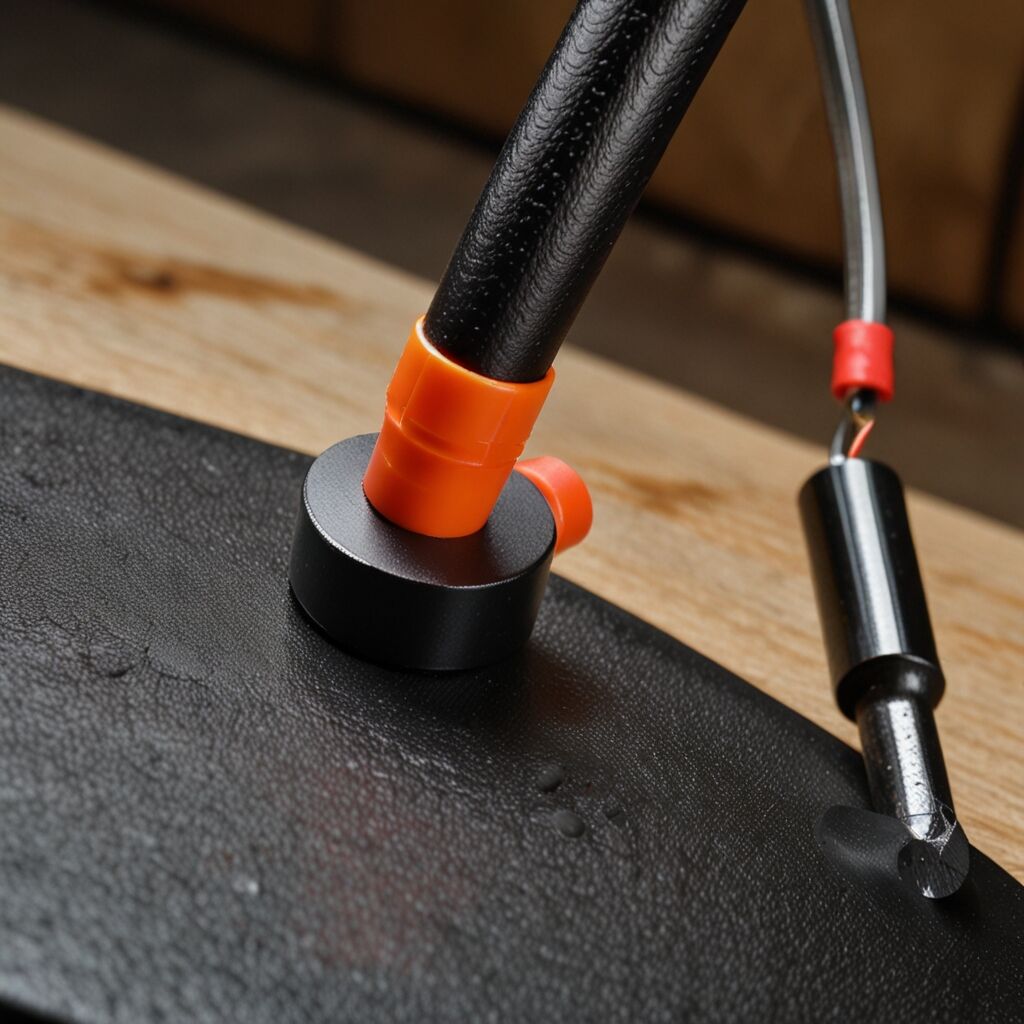
Repair costs vary significantly based on dent classification levels, affecting both DIY and professional repair decisions. Level 1-2 repairs typically cost $75-200 for professional PDR services, while DIY repairs using basic glue pullers range from $20-50 in materials. Level 3 dents usually cost $200-400 professionally due to increased complexity and time requirements. Level 4-5 repairs often exceed $500-1500 depending on panel size and paint matching requirements. Professional classification prevents underestimating repair complexity, which commonly leads to doubled costs when initial approaches fail. Understanding these cost ranges helps vehicle owners make informed decisions about DIY versus professional repairs.
Time Investment for Each Classification Level
Time requirements increase exponentially with higher classification levels, impacting both professional scheduling and DIY project planning. Level 1 dents typically require 15-30 minutes for complete repair using simple PDR techniques. Level 2 dents usually take 30-60 minutes when proper tools and techniques are employed. Level 3 dents often require 1-2 hours including preparation and finishing work. Level 4-5 dents can take 4-8 hours or multiple days when including bodywork, primer, paint, and curing time. Professional shops often schedule Level 1-2 repairs as same-day services, while Level 4-5 repairs may require vehicle drop-off for several days.
Step-by-Step Classification Process for Beginners
Effective dent classification and repair follows systematic steps for consistent results. First, clean the dented area thoroughly with soap and water to reveal actual damage extent and remove debris that might interfere with assessment. Second, measure dent depth using a depth gauge or coin test (quarter equals roughly 2mm), recording measurements for classification reference. Third, assess paint damage by checking for cracks, chips, or flexibility loss around the dent perimeter using bright lighting. Fourth, evaluate accessibility from both front and back of the panel to determine feasible repair approaches. Fifth, classify the dent using the five-level system based on collected measurements and observations. Finally, select appropriate tools and techniques matching the classification level for optimal repair outcomes.
Essential Tools for Classification and Repair
Professional dent classification requires specific measurement and assessment tools for accurate evaluation. Depth gauges provide precise measurements for classification decisions, typically measuring in millimeter increments. Paint thickness meters help assess paint damage and determine PDR feasibility. Inspection lights reveal subtle damage often missed in standard lighting conditions. Basic repair tools include glue pullers for Level 1-2 dents, slide hammers for Level 3-4 damage, and PDR rod sets for accessible areas. Quality tools typically range from $100-500 for basic kits to $2000-5000 for professional-grade equipment. Investment in proper tools pays for itself through improved success rates and reduced rework.
Common Classification Mistakes to Avoid
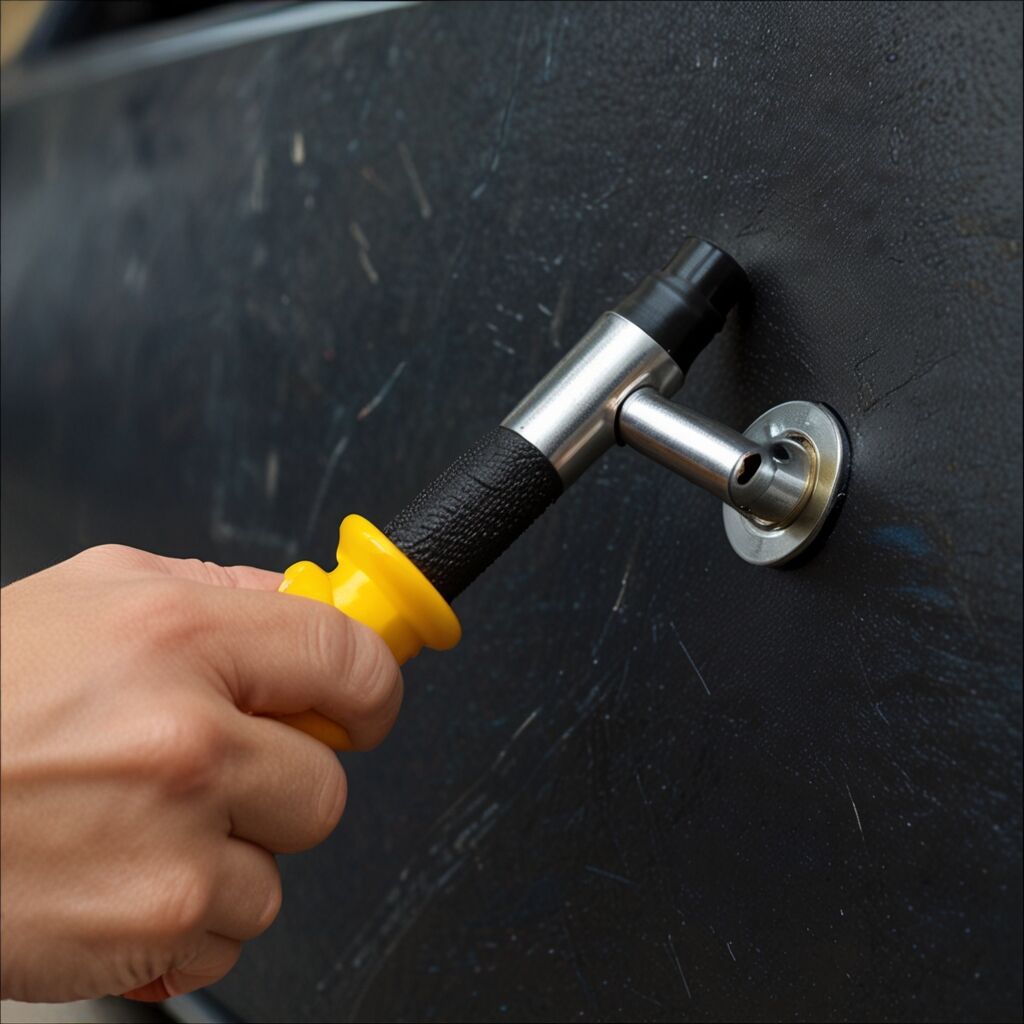
Classification errors lead to repair failures and escalated damage, making mistake prevention crucial for success. Underestimating dent severity represents the most common error, particularly with Level 2 dents misclassified as Level 1. This mistake often occurs when technicians rush assessment or use inadequate lighting conditions. Ignoring paint condition during classification frequently results in paint damage during PDR attempts on compromised surfaces. Overconfidence in tool capabilities leads to inappropriate tool selection, such as using glue pullers on Level 3 damage. Environmental factors like cold weather make metal brittle, affecting repair success regardless of proper classification. Prevention strategies include taking multiple measurements, using proper lighting, and conservative classification when uncertain.
When Classification Systems Fail
Certain damage types challenge standard classification protocols, requiring modified assessment approaches. Aluminum panels behave differently than steel during repair, often requiring specialized tools and techniques regardless of classification level. Dents near panel edges or body lines present access challenges that may elevate repair complexity beyond initial classification. Hidden damage behind panels may not be apparent during initial classification, potentially changing repair requirements mid-process. Hail damage creates unique patterns that standard classification may not adequately address. Classic or exotic vehicles often require specialized knowledge beyond general classification guidelines.
Troubleshooting Classification Problems
When classification results don’t match repair outcomes, systematic troubleshooting identifies underlying issues. If Level 1 repairs fail using appropriate tools, recheck depth measurements and paint flexibility around dent edges. Level 2 classification failures often indicate missed stress cracks or paint adhesion problems requiring closer inspection. Temperature effects significantly impact repair success, with cold panels requiring warming before PDR attempts. Tool condition affects results regardless of proper classification, particularly worn glue tabs or bent PDR rods. Documentation helps identify patterns in classification errors and tool performance over time.
Best Practices for Accurate Classification
Consistent classification accuracy requires following established best practices and maintaining quality standards. Use multiple measurement points around the dent perimeter to identify maximum depth accurately. Check paint flexibility by gentle pressure testing before committing to PDR approaches. Document classifications with photos and measurements for quality control and insurance purposes. Maintain calibrated tools and replace worn measurement equipment regularly. Practice classification on known damage types to develop assessment accuracy. Technician skill level affects classification accuracy and repair outcomes more than tool quality alone.
When NOT to Use Standard Classification
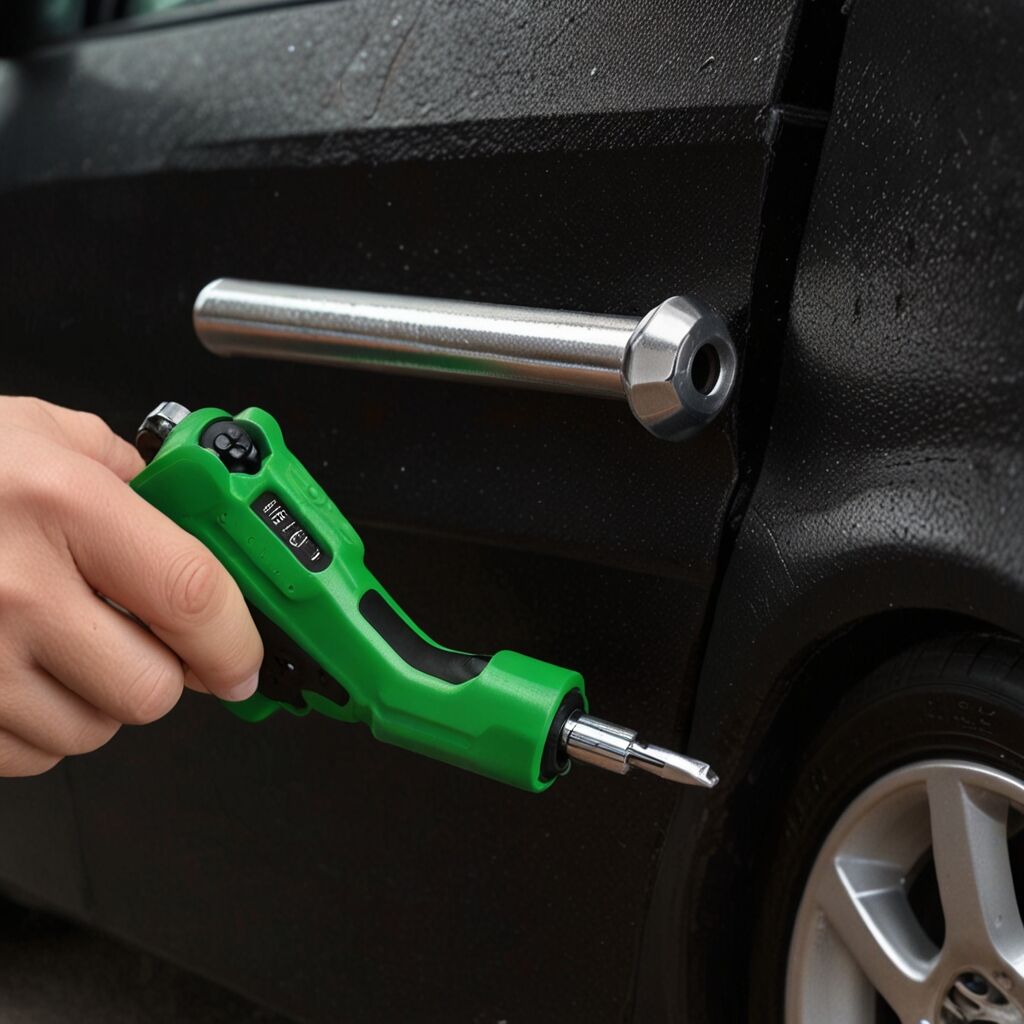
Standard classification systems have limitations that require alternative assessment approaches in specific situations. Extensive hail damage often requires bulk assessment rather than individual dent classification due to volume and overlap patterns. Rust damage around dents invalidates standard classification because metal integrity is compromised beyond measurement parameters. Accident damage involving multiple impact points requires structural assessment beyond surface classification capabilities. Antique vehicles with original paint may need specialized evaluation considering paint age and historical value preservation. Complex bodywork situations benefit from experienced professional assessment rather than standardized classification protocols.
Alternative Assessment Approaches
When standard classification proves inadequate, alternative assessment methods provide enhanced evaluation capabilities. Digital measurement tools offer precise depth readings and photographic documentation for insurance and quality control purposes. 3D scanning technology creates detailed damage maps for complex repairs and restoration projects. Thermal imaging reveals stress patterns invisible to standard assessment methods. These alternatives typically cost more initially but provide enhanced accuracy and documentation capabilities for professional applications requiring detailed damage analysis.
Who Should Use Dent Classification Systems
Dent severity classification systems benefit multiple audiences with varying skill levels and professional requirements. Professional body shops use classification for accurate quoting, efficient scheduling, and quality control across multiple technicians. Insurance adjusters rely on standardized classification for consistent damage assessment and claim processing. Mobile PDR technicians benefit from quick, accurate assessment tools for on-site repairs and customer communication. DIY enthusiasts use classification to avoid costly mistakes and select appropriate repair methods for their skill level. Automotive restoration specialists apply classification principles to maintain vehicle value and authenticity during repairs.
Training Requirements for Effective Classification
Proper classification requires specific training and experience development for reliable results. Basic classification skills typically require 20-40 hours of hands-on training with various dent types and vehicle panels. Advanced classification for complex damage often requires 100+ hours of experience and specialized training programs. Professional certification programs teach standardized measurement techniques and classification criteria. Many technicians develop expertise through mentorship programs and continuous education workshops. Online training resources provide foundational knowledge, but hands-on practice remains essential for developing accurate assessment skills that translate to successful repairs.
Technology Integration in Modern Classification
Modern technology integration transforms traditional classification methods through automation and enhanced accuracy. Digital photography with measurement overlays provides consistent documentation and remote assessment capabilities. AI-powered analysis systems learn from thousands of repair outcomes to predict success rates based on classification data. Smartphone apps increasingly offer measurement tools and classification assistance for field assessments. Augmented reality tools overlay repair guidance directly onto damaged panels during assessment. These technological advances reduce human error, improve consistency, and provide valuable data for continuous improvement in classification accuracy and repair success rates.
Future Trends in Classification Technology
Advanced classification techniques continue evolving with technology and industry experience to improve accuracy and efficiency. Multi-sensor assessment combines depth measurement, paint thickness analysis, and thermal imaging for comprehensive damage evaluation. Predictive modeling uses historical repair data to forecast success rates and optimal repair strategies based on classification results. Machine learning algorithms analyze thousands of repair outcomes to refine classification criteria continuously. Industry collaboration develops standardized classification protocols across manufacturers and repair facilities. These advances promise more accurate assessment, improved repair success rates, and enhanced customer satisfaction through better-informed repair decisions.
Industry Applications and Resources
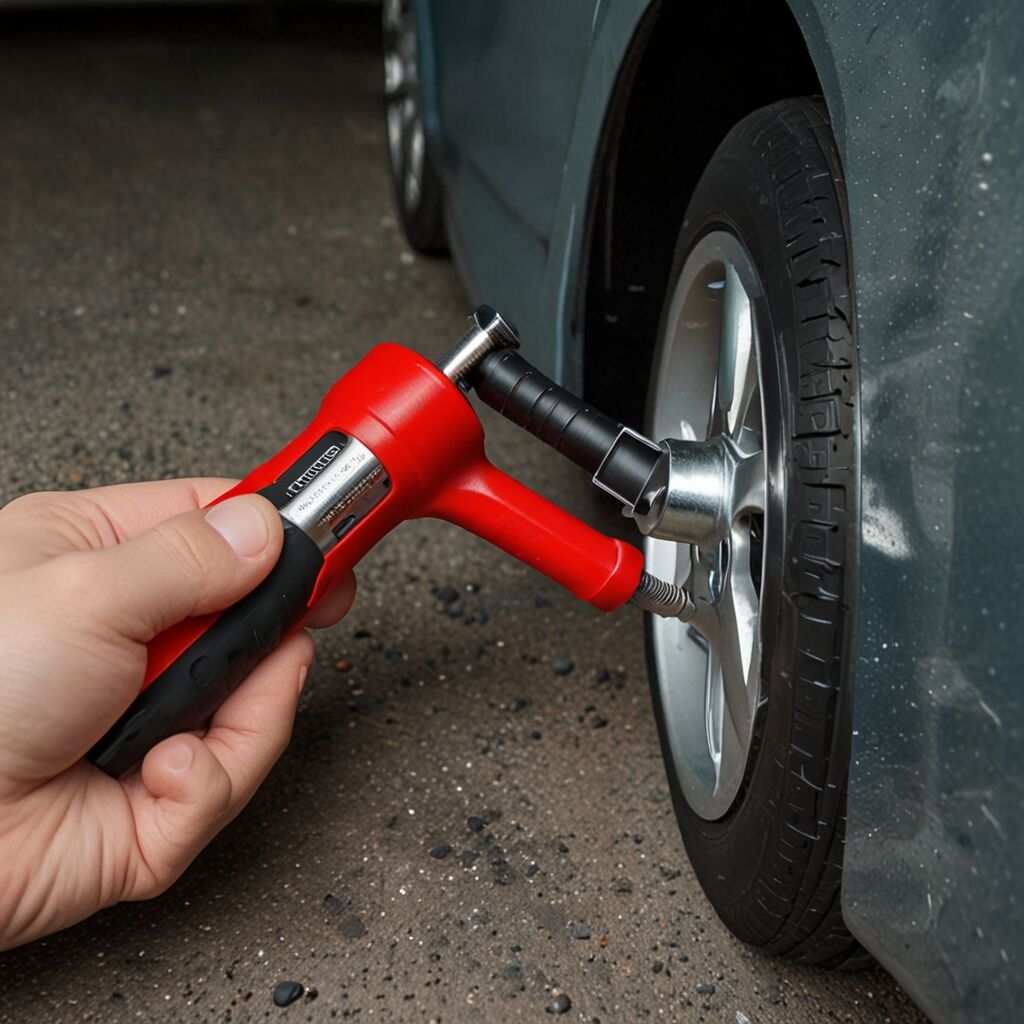
Classification systems serve diverse industry applications beyond basic repair planning, supporting business operations and quality improvement initiatives. Insurance companies use standardized classification for consistent claim processing nationwide, reducing disputes and processing time. Fleet management companies apply classification for maintenance planning and budget forecasting across large vehicle populations. Automotive auctions utilize classification for accurate damage disclosure and pricing transparency. Professional training programs integrate classification standards for technician certification and skill development. Quality control departments use classification metrics for performance evaluation and continuous improvement programs.
Professional Development Resources
Professional development in dent classification requires access to quality training resources and hands-on experience opportunities. Industry associations offer certification programs combining theoretical knowledge with practical application skills. Technical colleges provide comprehensive training programs covering classification, repair techniques, and business applications. Manufacturer training programs teach specific techniques for different vehicle types and panel materials. Online resources include video tutorials, measurement guides, and case study analysis for self-directed learning. Hands-on workshops provide opportunities to practice classification on various damage types under expert supervision, essential for developing reliable assessment skills.