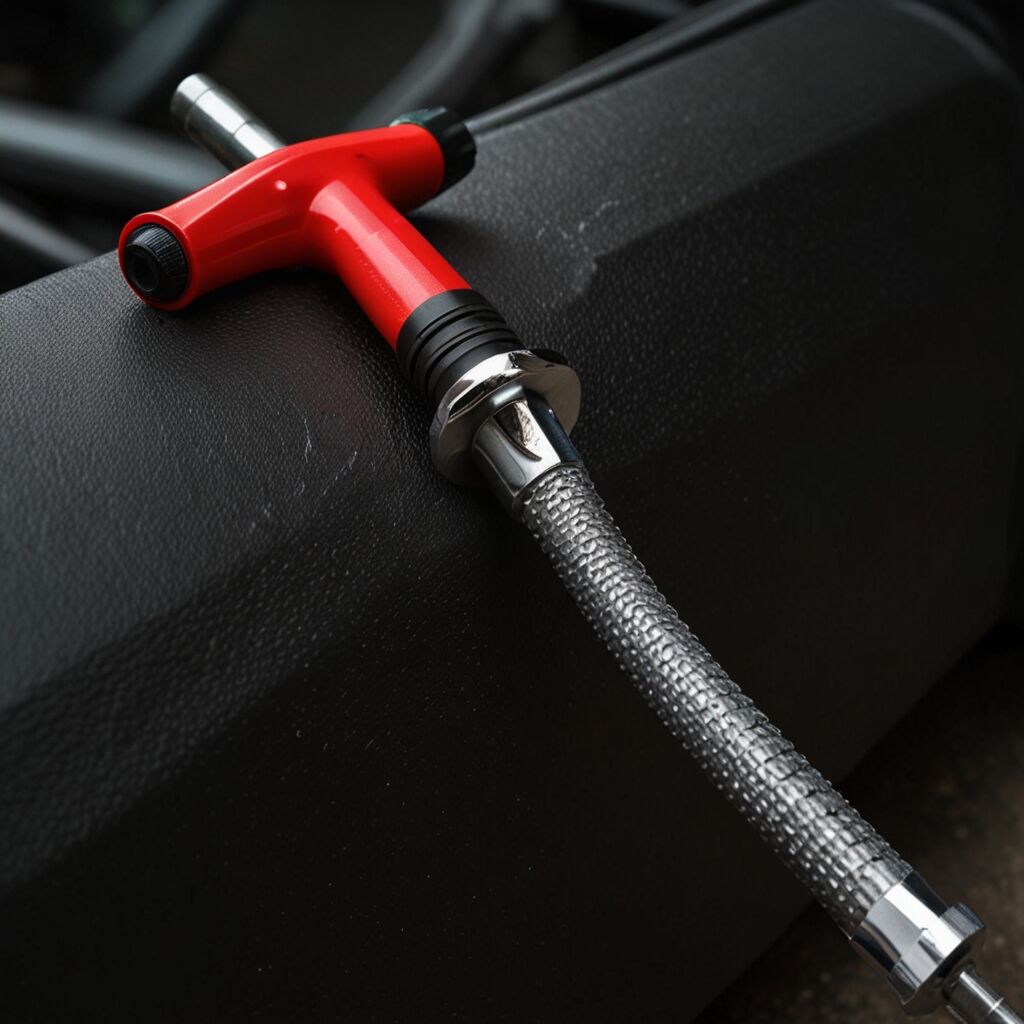
Puller compatibility testing is a systematic process that verifies whether automotive pulling tools work effectively with specific panel materials like aluminum, steel, fiberglass, and composites. This testing ensures proper fit and performance during automotive repairs, preventing tool failure and panel damage. Common applications include dent removal, bearing extraction, and component separation across various vehicle types.
What is Puller Compatibility Testing in Automotive Applications
Puller compatibility testing is a verification process that evaluates how effectively different pulling tools interact with various automotive panel materials. This testing demonstrates whether specific pullers can safely apply force to panels without causing damage, deformation, or failure. The process typically involves evaluating tool grip strength, material response, and operational safety across different scenarios.
The testing process works by systematically applying controlled force using various puller types on sample materials. Technicians examine how panels respond to different pulling methods, documenting any signs of stress, cracking, or structural compromise. This evaluation helps determine which puller designs work best with specific materials and repair scenarios.
Key Components of Effective Compatibility Testing
Effective puller compatibility testing involves several essential elements that ensure accurate results. Material preparation includes cleaning panels and removing any coatings that might interfere with testing. Tool selection focuses on choosing appropriate puller types based on the intended application and panel characteristics. Force application requires gradual, controlled pressure to accurately assess material response without causing unnecessary damage.
Documentation throughout the testing process captures critical data about tool performance, material behavior, and any observed limitations. This information helps technicians make informed decisions about tool selection for future repairs. The testing environment should remain consistent to ensure reliable, repeatable results across different material samples.
How Puller Compatibility Testing Works Step by Step
The compatibility testing process begins with careful material identification and preparation. Technicians first examine the panel material composition, thickness, and condition to understand what type of testing approach will be most appropriate. This initial assessment helps determine which puller types should be evaluated and what force levels might be suitable.
Material preparation involves cleaning the test area and ensuring the panel surface is free from contaminants that could affect results. Setup includes selecting appropriate puller tools and positioning them correctly on the panel surface. Proper positioning ensures even force distribution and prevents localized stress concentrations that could skew test results.
Testing Execution and Result Analysis
During the actual testing phase, technicians apply force gradually while monitoring panel response. This controlled approach allows for real-time observation of how the material behaves under stress. Key indicators include surface deformation, stress concentration points, and any signs of material failure or tool slippage.
Result analysis involves comparing observed behavior against established performance criteria. Successful compatibility means the puller can perform its intended function without compromising panel integrity. Failed tests typically show excessive deformation, material cracking, or tool inability to maintain proper grip throughout the pulling operation.
Benefits and Importance of Puller Compatibility Testing
Puller compatibility testing provides significant benefits for automotive repair quality and safety. The primary advantage involves preventing tool-related damage during repair operations. When technicians understand which tools work effectively with specific materials, they can avoid costly mistakes that might require additional repair work or panel replacement.
Safety improvements represent another major benefit of thorough compatibility testing. Properly matched tools and materials reduce the risk of sudden tool failure, which could cause injury or create additional vehicle damage. This testing also helps maintain consistent repair quality by ensuring technicians use appropriate tools for each specific application.
Long-term Cost Benefits and Quality Assurance
Compatibility testing contributes to long-term cost savings by reducing repair failures and warranty claims. When tools and materials are properly matched, repairs tend to last longer and perform better under normal operating conditions. This reliability translates to improved customer satisfaction and reduced repeat repair work.
Quality assurance benefits include more predictable repair outcomes and standardized procedures. Shops that implement systematic compatibility testing often find they can provide more accurate time estimates and better service consistency. This standardization helps build customer trust and supports business reputation.
What are the limitations of puller compatibility testing?
Puller compatibility testing has several inherent limitations that technicians should understand. Testing cannot replicate every possible real-world scenario, meaning some compatibility issues might only emerge during actual repair operations. Environmental factors like temperature, humidity, and panel age can affect results differently than controlled testing conditions.
Time and resource constraints often limit the scope of testing that shops can practically perform. Comprehensive testing requires dedicated time and materials, which may not always be feasible for smaller operations. Additionally, testing results from one panel sample may not perfectly predict behavior across all similar materials due to manufacturing variations.
Common Applications and Repair Scenarios
Puller compatibility testing becomes essential in several common automotive repair scenarios. Dent removal operations frequently require careful tool selection to avoid damaging painted surfaces or creating additional stress points. Different panel materials respond differently to pulling forces, making compatibility testing crucial for maintaining finish quality.
Bearing and bushing removal represents another critical application where compatibility testing helps ensure proper tool selection. These operations often involve significant force application, making tool-material compatibility essential for preventing component damage or safety hazards.
Specific Vehicle Types and Material Considerations
Different vehicle types present unique compatibility testing challenges due to varying panel materials and construction methods. Luxury vehicles often use aluminum panels that require specialized pulling techniques to avoid permanent deformation. Sports cars may incorporate composite materials that respond differently to traditional pulling methods.
Commercial vehicles typically feature heavier gauge materials that can handle more aggressive pulling techniques. However, even these robust materials benefit from compatibility testing to ensure optimal tool selection and prevent unnecessary damage during repair operations.
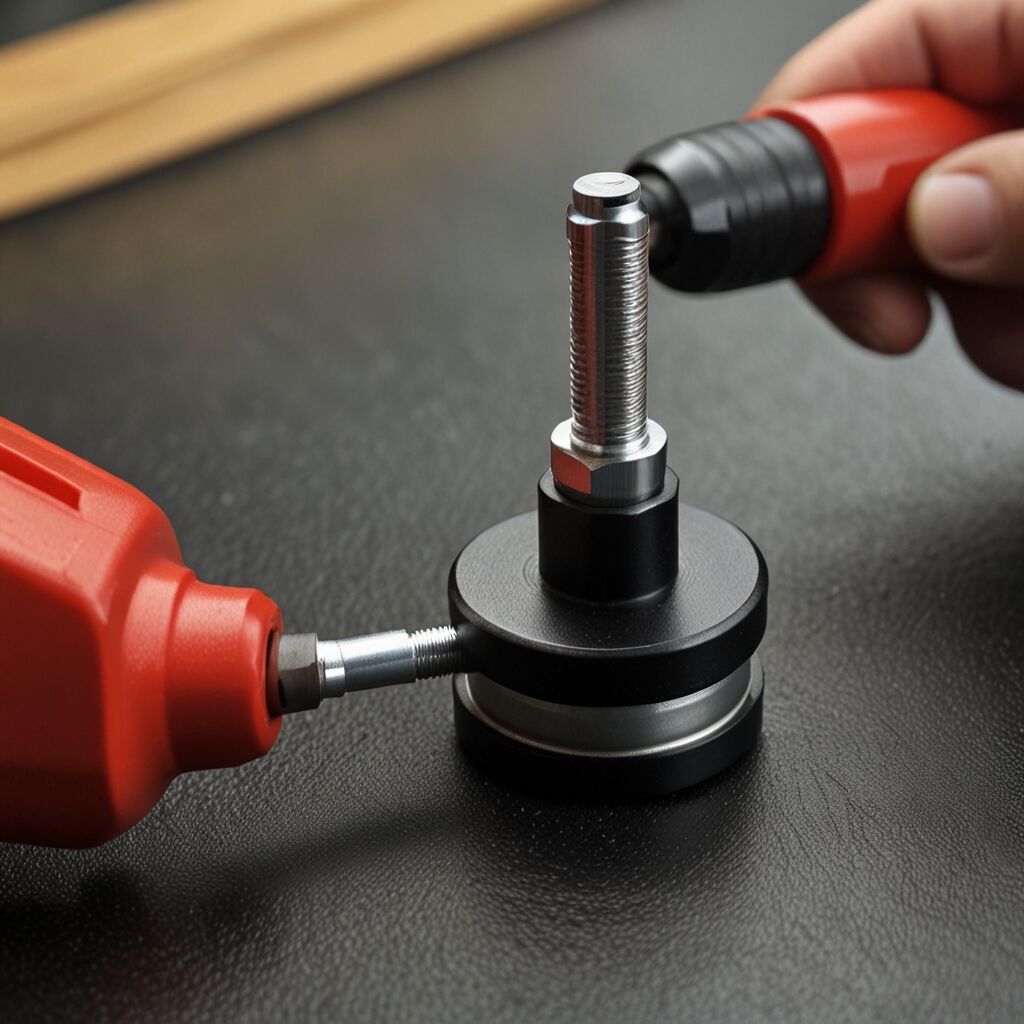
Professional Settings and Industry Applications
Automotive repair shops represent the most common setting for puller compatibility testing implementation. These facilities benefit from standardized testing procedures that help technicians make informed tool selections for various repair scenarios. Body shops particularly rely on compatibility testing to maintain paint and finish quality during panel repair operations.
Manufacturing quality assurance departments also utilize compatibility testing to validate production processes and material specifications. This testing helps ensure that assembly tools work effectively with production materials and that quality standards are maintained throughout manufacturing operations.
Educational and Training Applications
Automotive training programs incorporate compatibility testing to teach proper tool selection and material handling techniques. Students learn to evaluate material properties and select appropriate tools through hands-on testing experience. This practical training helps develop the judgment skills necessary for effective automotive repair work.
Professional development programs also use compatibility testing to help experienced technicians adapt to new materials and technologies. As automotive materials continue to evolve, ongoing testing helps ensure that repair techniques remain current and effective.
How much does puller compatibility testing cost?
The cost of puller compatibility testing varies significantly based on scope and implementation approach. Basic testing using existing shop tools typically requires only material costs and technician time, making it relatively affordable for most operations. More comprehensive testing programs may require specialized equipment and dedicated testing materials.
Labor costs generally represent the largest expense component, as thorough testing requires skilled technician time for setup, execution, and analysis. Material costs include test panels and any consumables used during the testing process. Equipment costs may be minimal if existing shop tools can be used, but specialized testing equipment can represent a significant investment.
Who Benefits from Puller Compatibility Testing
Automotive repair technicians represent the primary beneficiaries of comprehensive puller compatibility testing. These professionals gain confidence in tool selection and can work more efficiently when they understand material-tool relationships. This knowledge helps prevent costly mistakes and reduces the time spent on problematic repairs.
Shop owners and managers benefit through improved operational efficiency and reduced liability exposure. When technicians use properly tested tool-material combinations, shops experience fewer warranty claims and customer complaints. This reliability supports business reputation and can contribute to increased customer retention.
Vehicle Owners and Insurance Industry Benefits
Vehicle owners benefit from puller compatibility testing through improved repair quality and longevity. Properly executed repairs using compatible tools typically last longer and maintain better appearance over time. This reliability translates to better vehicle value retention and reduced long-term maintenance costs.
Insurance companies gain through reduced claim costs and fewer repeat repairs. When compatibility testing helps ensure proper repair execution, the likelihood of warranty claims and customer disputes decreases. This reliability helps control overall claim costs and improves customer satisfaction with the claims process.
Types of Pullers and Panel Materials in Testing
Hydraulic pullers offer controlled force application and work well with stronger materials like steel and cast iron components. These tools provide steady, precise pressure that helps prevent sudden material failure during testing. Mechanical pullers suit lighter applications and provide good feedback about material response during force application.
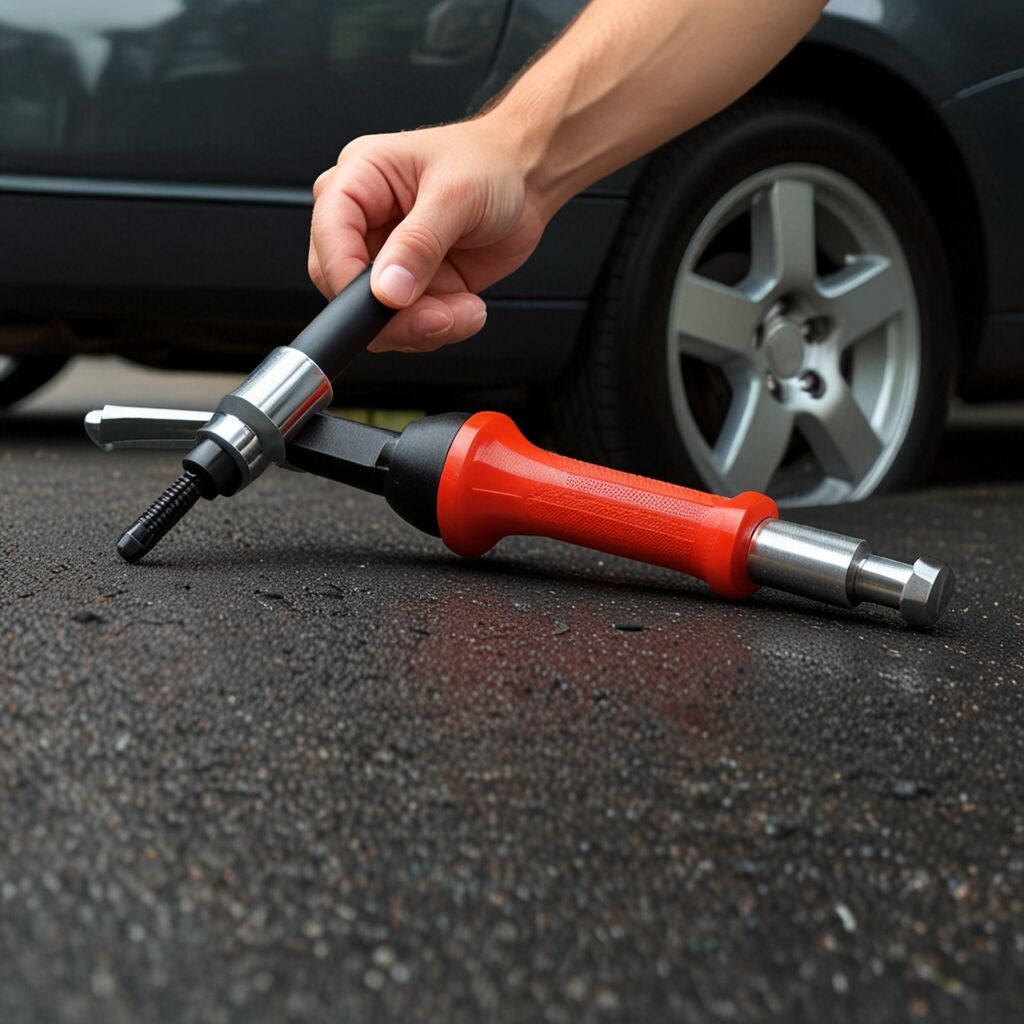
Pneumatic pullers excel in high-volume testing environments where speed and consistency are important. These tools can rapidly cycle through multiple test scenarios while maintaining consistent force application. Slide hammer pullers work particularly well for testing impact-type extraction scenarios common in automotive repair work.
Panel Material Characteristics and Testing Considerations
Aluminum panels require careful force control due to their tendency to deform permanently under excessive stress. Testing with aluminum focuses on finding the optimal force range that achieves desired results without creating permanent damage. Steel panels generally tolerate higher forces but still benefit from compatibility testing to prevent tool slippage or surface damage.
Composite materials present unique testing challenges due to their layered construction and varying properties. These materials may respond differently to pulling forces depending on fiber orientation and resin composition. Fiberglass panels require particularly gentle testing approaches to avoid delamination or cracking that could compromise structural integrity.
What tools are needed for puller compatibility testing?
Basic puller compatibility testing requires several essential tools and materials. Primary equipment includes various puller types such as hydraulic, mechanical, and pneumatic models to evaluate different force application methods. Force measurement tools help quantify the pressures being applied during testing operations.
Support equipment includes proper work surfaces, panel holding fixtures, and safety equipment to protect technicians during testing. Documentation tools such as cameras and measurement devices help record test results for future reference. Material samples representing common automotive panels provide the subjects for compatibility evaluation.
Current Trends and Future Developments
Digital force monitoring represents a significant advancement in puller compatibility testing technology. Modern systems can provide real-time feedback about force application and material response, helping technicians make more informed decisions during testing. These systems often include data logging capabilities that support long-term analysis and process improvement.
Automated testing systems are emerging that can perform standardized compatibility tests with minimal human intervention. These systems help ensure consistent testing conditions and reduce the potential for human error in test execution. Advanced materials analysis tools are also becoming more accessible, allowing for more detailed evaluation of material properties and behavior.
Integration with Repair Management Systems
Software integration allows compatibility testing data to be incorporated into broader repair management systems. This integration helps shops track tool performance, material behavior patterns, and repair outcomes over time. Data analysis capabilities help identify trends and optimize tool selection procedures based on accumulated experience.
Predictive maintenance applications use compatibility testing data to anticipate when tools might need service or replacement. This proactive approach helps prevent tool failures during critical repair operations and supports more efficient shop operations. Training systems also benefit from compatibility testing data by providing realistic scenarios for technician development.