Innovative dent puller designs are specialized automotive repair tools that use advanced suction mechanisms, ergonomic grips, and precision engineering to remove vehicle dents without traditional bodywork methods. These modern tools typically cost between $50-300 and benefit both professional mechanics and DIY enthusiasts seeking accurate, controlled dent removal. Advanced models feature digital pressure gauges, adjustable tension settings, and heat-resistant materials that improve repair efficiency while minimizing paint damage risk during automotive restoration projects.
Understanding the Latest Innovations in Dent Pullers
Modern dent puller innovations focus on precision engineering and user control improvements. Advanced suction mechanisms create stronger surface bonds while digital pressure gauges provide real-time feedback during repairs. These tools work by applying controlled pulling force to dented metal, gradually restoring original surface contours. Professional-grade models typically include ergonomic handles, interchangeable pulling tabs, and calibrated tension systems that adapt to different dent sizes and metal thicknesses.
What Makes Dent Pullers Innovative
Innovative dent pullers incorporate several key technological advances that distinguish them from traditional repair methods. Digital sensors monitor applied pressure, preventing over-pulling that could damage surrounding paintwork. Heat-resistant materials allow use with warming techniques that soften metal for easier reshaping. Dent puller technology provides a robust foundation for both quick fixes and comprehensive automotive restoration projects.
Types of Dent Pullers and Their Unique Features
Two primary dent puller categories dominate the automotive repair market: glue pullers and slide hammers. Glue pullers use adhesive tabs attached to dent surfaces, applying gentle outward pressure suitable for shallow dents on smooth panels. Slide hammers employ weighted mechanisms that deliver stronger pulling force, making them effective for deeper dents requiring substantial correction. Options exist in the dent puller market to address various repair scenarios and skill levels.
How Glue Pullers Compare to Slide Hammers
Glue pullers excel at precise, controlled corrections on shallow dents typically measuring 1-3 inches in diameter. Their adhesive attachment system minimizes surface contact, reducing paint damage risk during repairs. Slide hammers generate significantly more pulling force, making them suitable for dents exceeding 4 inches or those with complex irregular shapes. Professional mechanics often maintain both tool types since repair requirements vary based on dent location, vehicle age, and metal composition factors.
How Modern Dent Pullers Enhance Precision and Control
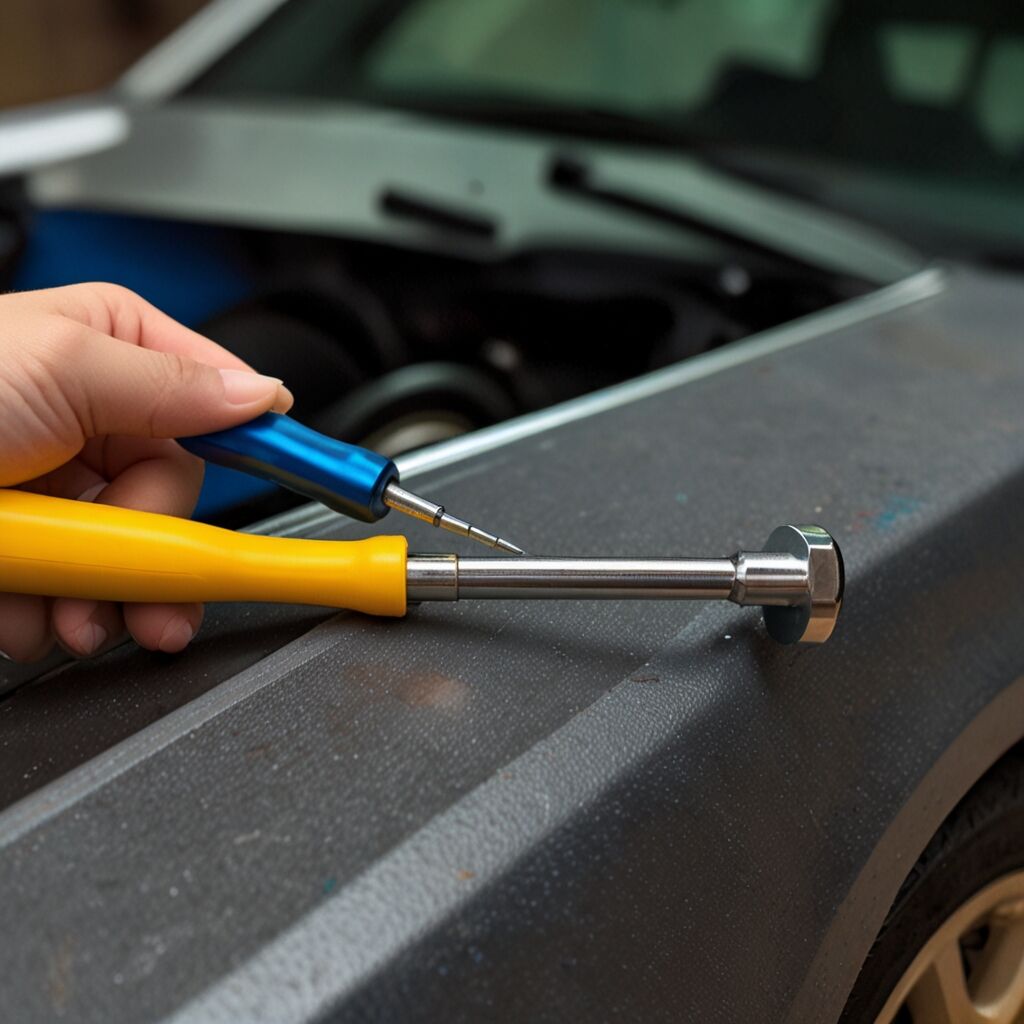
Precision control represents the primary advantage of modern dent puller designs. Ergonomic grips reduce hand fatigue during extended repair sessions while adjustable tension settings allow fine-tuning based on metal thickness and dent severity. Advanced suction cups create consistent surface contact, distributing pulling force evenly across affected areas. Quality dent pullers typically range from $75-250 for consumer models, with professional-grade options reaching $400-500 depending on included accessories and precision features.
Key Features That Improve Dent Removal Accuracy
Modern dent pullers incorporate measurement guides that help position tools correctly for optimal pulling angles. Lightweight aluminum construction reduces operator fatigue while maintaining structural strength necessary for effective repairs. Reliable dent removal often includes built-in pressure indicators that prevent excessive force application. Compatibility varies among different automotive surfaces, with some tools specifically designed for aluminum panels while others work best on traditional steel bodywork. Professional dent repair efficiency benefits from combining heat application with controlled suction techniques.
Benefits of Advanced Repair Tool Features
- Improved accuracy reduces need for multiple correction attempts
- Ergonomic designs minimize operator fatigue during repairs
- Enhanced control allows precise adjustments throughout repair process
- Quality materials reduce tool replacement frequency, lowering long-term costs
- Quick setup facilitates faster transitions between different repair tasks
- Versatile compatibility accommodates various vehicle types and panel materials
- Durable construction ensures consistent performance across multiple repair projects
Why Selecting the Right Dent Puller Matters
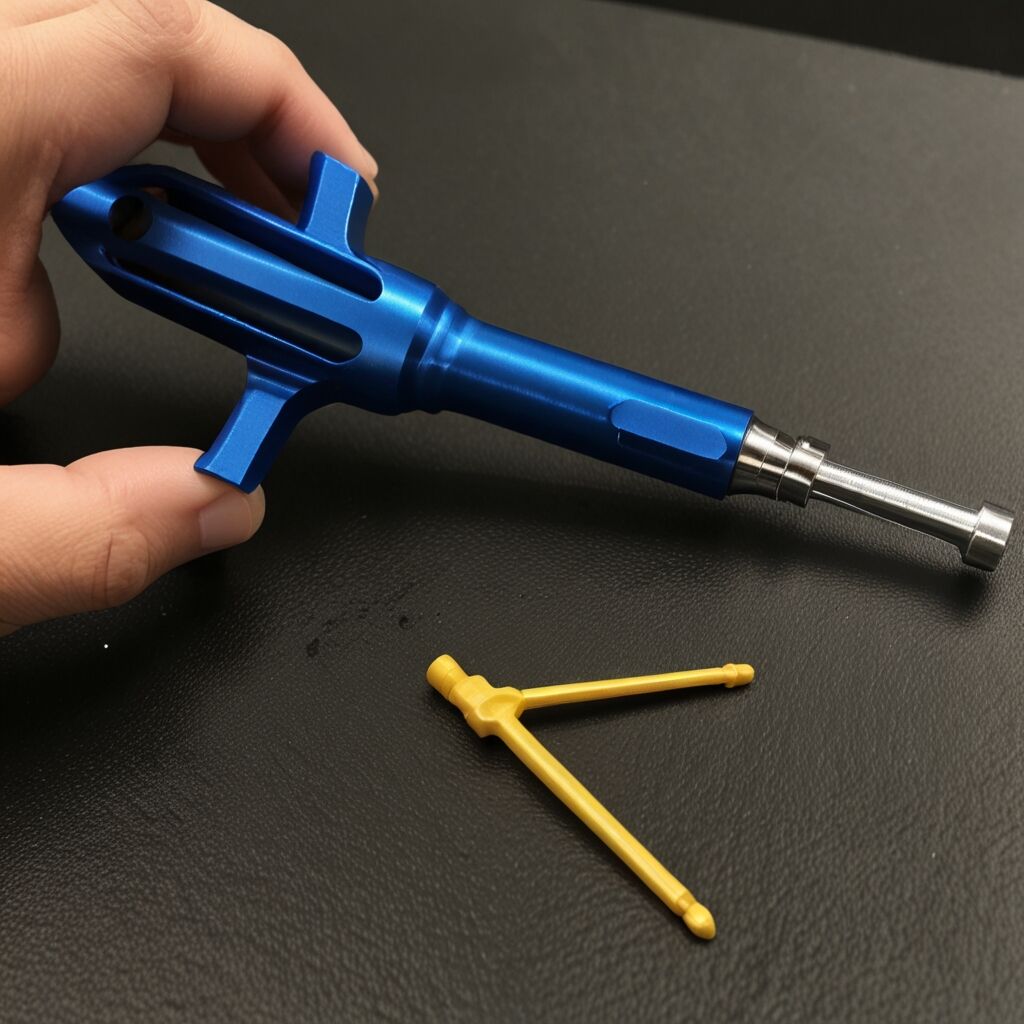
Choosing appropriate dent removal tools directly impacts repair quality and prevents additional vehicle damage. Quality pullers handle various dent configurations while minimizing paint stress and panel distortion risks. Well-designed tools typically last several years with regular use, making initial investment worthwhile for both professionals and automotive enthusiasts. Effective dent pullers adapt to different scenarios, from minor parking lot dings to more substantial collision damage requiring comprehensive restoration approaches.
What to Consider When Choosing Dent Pullers
Dent puller selection depends primarily on typical repair requirements, vehicle types, and available budget. Aluminum-bodied vehicles often require specialized tools with gentler pulling mechanisms compared to traditional steel construction. Professional mechanics typically invest in comprehensive kits including multiple attachment sizes, while DIY users might focus on single-purpose tools for occasional repairs. Essential features include comfortable grips, reliable suction mechanisms, and clear operation instructions that help achieve consistent results across different repair scenarios.
Effective Techniques for Using Dent Pullers
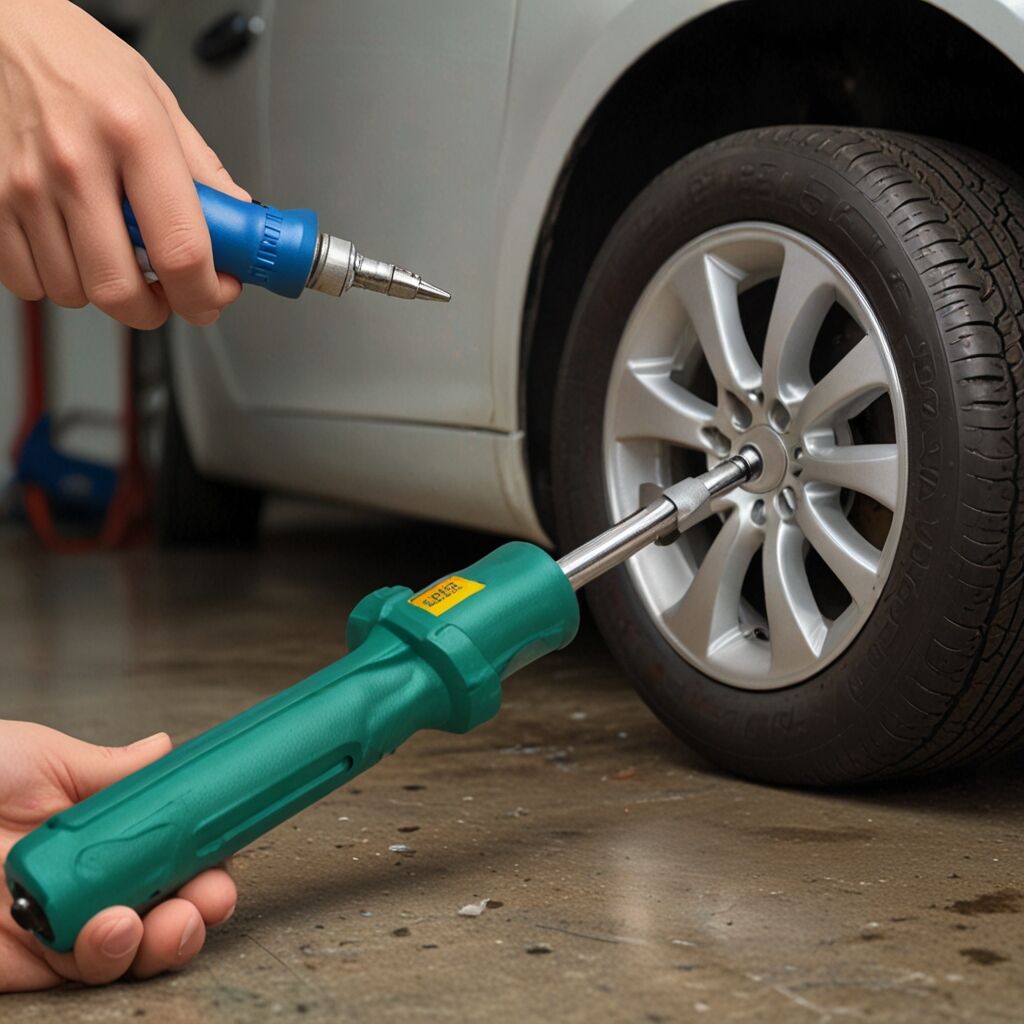
Successful dent removal requires proper surface preparation, appropriate tool selection, and systematic pulling techniques. Begin by thoroughly cleaning the affected area and assessing dent depth, size, and surrounding panel condition. Heat application often helps soften metal, making repairs easier and reducing force requirements. Quality brands like Dentcraft, Ultra Dent Tools, and Anesty provide reliable options with detailed instruction manuals. Most effective repairs follow a methodical approach: surface preparation, tool attachment, gradual pulling, progress assessment, and final smoothing when necessary.
Step-by-Step Process for Professional Dent Removal
Professional dent removal begins with careful damage assessment to determine appropriate tools and techniques. Surface preparation involves thorough cleaning and sometimes gentle heating to make metal more pliable. Attach the selected puller using proper positioning guidelines, then apply steady, controlled pressure while monitoring progress. Evaluate results after each pulling sequence, making adjustments as needed to achieve uniform surface restoration. Following systematic methods improves repair consistency and reduces the likelihood of creating additional damage during correction attempts.
Limitations and Realistic Expectations
- Deep creases may require professional bodywork beyond puller capabilities
- Paint damage sometimes occurs despite careful technique, especially on older vehicles
- Sharp dent edges often resist pulling methods, requiring additional smoothing tools
- Aluminum panels demand specialized techniques and gentler pressure application
- Weather conditions affect adhesive performance, limiting outdoor repair effectiveness
- Complex curved surfaces present alignment challenges that increase repair difficulty
- Complete restoration may require multiple sessions depending on damage severity
When to Use Different Types of Dent Pullers
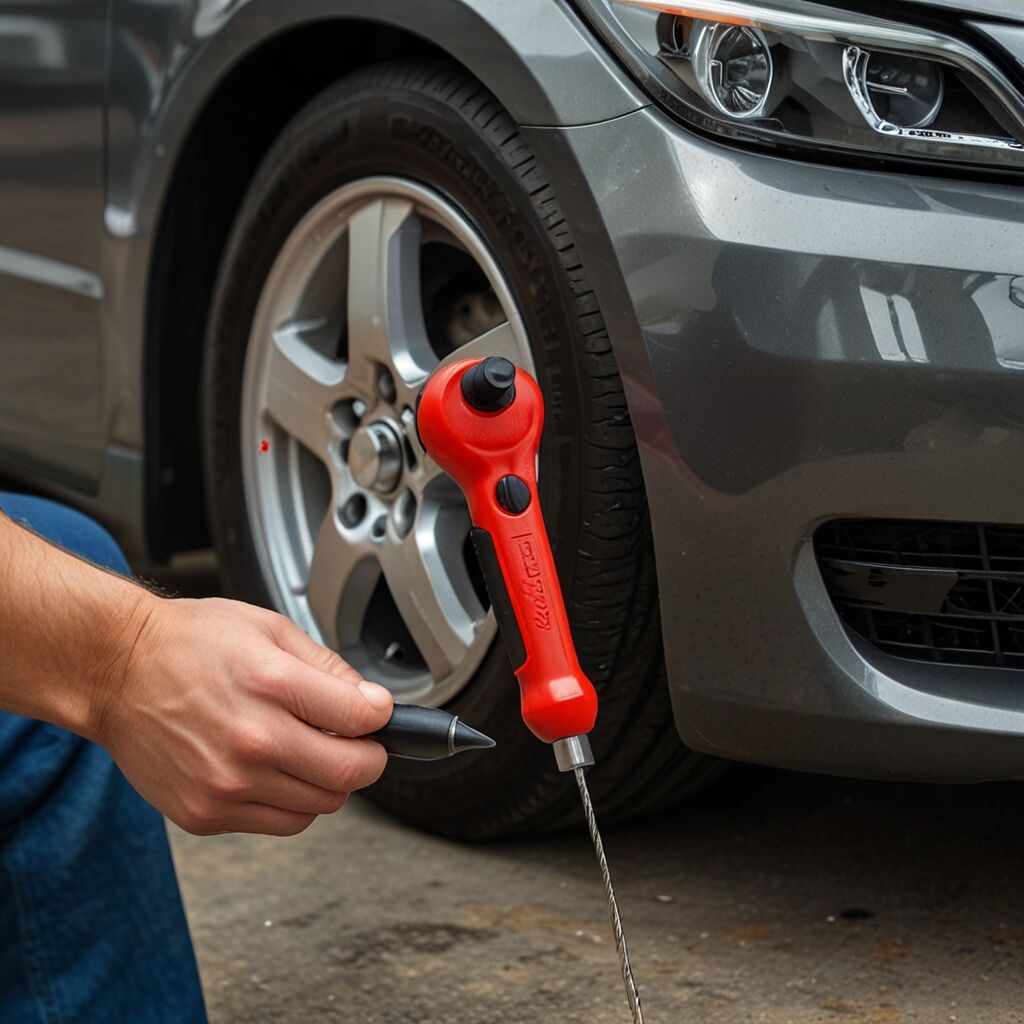
Dent characteristics determine optimal puller selection for successful repairs. Shallow dents measuring less than 2 inches typically respond well to glue pullers, which provide gentle, controlled correction. Larger dents exceeding 3 inches often require slide hammers or pneumatic systems capable of generating stronger pulling force. Location factors also influence tool choice – easily accessible panels accommodate standard pullers while confined spaces may need specialized angled attachments. Effective repairs usually involve multiple assessment steps to match tools with specific damage characteristics.
Matching Repair Tools to Dent Characteristics
Dent depth, size, and location determine appropriate puller selection for optimal results. Shallow impressions benefit from gentle glue puller techniques that minimize surface stress during correction. Deeper deformations often require slide hammer force to overcome metal memory and restore original contours. Panel accessibility affects tool choice since confined areas limit equipment options and pulling angles. Curved surfaces present unique challenges requiring specialized attachments designed for non-flat panel geometries. Understanding these variables helps ensure efficient and successful dent removal outcomes across diverse automotive repair scenarios.
Where to Purchase Quality Dent Pullers Today
Quality dent pullers are available through automotive specialty retailers, professional tool distributors, and online marketplaces. Reputable sources include local auto parts stores, harbor freight locations, and established online platforms like Amazon or Summit Racing. Professional-grade tools often require specialized dealers who provide technical support and warranty services. Proven performance in dent removal depends on purchasing from established brands with documented reliability records and comprehensive customer support systems.
How Much Quality Dent Pullers Cost
Dent puller pricing varies significantly based on quality, features, and intended use. Basic consumer models typically range from $30-75 for simple glue puller kits suitable for minor repairs. Professional-grade tools cost between $150-400, offering enhanced durability, precision controls, and comprehensive accessory packages. Premium systems can exceed $500, particularly those including pneumatic components, digital monitoring, and specialized attachments for luxury vehicle repairs. Consider warranty coverage, replacement part availability, and manufacturer reputation when evaluating purchase options across different price ranges.
Recommended Brands for Different User Types
- Dentcraft: Professional-grade tools with excellent durability, premium pricing reflects quality construction
- Ultra Dent Tools: Comprehensive kits suitable for serious enthusiasts, balanced cost-performance ratio
- Anesty: Budget-friendly options for occasional DIY use, adequate performance for basic repairs
- Gliston: Mid-range tools targeting hobbyists, decent quality without professional-grade pricing
- Harbor Freight: Entry-level options for learning techniques, expect limited durability with heavy use
- Slide Hammer Pro: Specialized tools for challenging repairs, higher cost justified by performance
- PDR Nation: Professional community favorites, extensive instructional resources included with purchases
Who Benefits from Advanced Dent Puller Technology
Advanced dent puller technology provides benefits across multiple user categories with varying skill levels and repair requirements. Professional automotive technicians rely on precision tools for consistent, high-quality repairs that meet insurance and customer expectations. Serious automotive enthusiasts value advanced features that enable professional-level results during restoration projects. Small repair shop owners benefit from efficient tools that reduce labor time while maintaining quality standards. DIY mechanics appreciate user-friendly designs that make challenging repairs more accessible without extensive training requirements.
Specific Advantages for Different Users
Professional mechanics require tools that withstand daily use while delivering consistent results across varied vehicle types and damage scenarios. Advanced dent pullers designed for commercial use typically feature reinforced construction, replaceable components, and calibrated pressure systems. DIY users benefit from intuitive designs with clear operating instructions and safety features that prevent common mistakes. Automotive enthusiasts working on restoration projects appreciate precision controls that help achieve showroom-quality results. Each user category finds value in features specifically designed to address their unique requirements and skill development needs.