Testing puller efficiency is essential to measure tool performance for dent repair. Puller efficiency testing is a systematic evaluation process that measures how effectively dent removal tools perform across different dent sizes, depths, and vehicle surfaces. This testing involves controlled assessments using standardized dent samples to determine pull force, success rates, and repair quality. Professional automotive technicians and DIY enthusiasts use these testing methods to select optimal tools for specific repair scenarios. At ExtremeSpec Auto, we provide comprehensive insights into efficiency testing methodologies that enhance your dent repair capabilities and tool selection decisions.
Understanding Puller Efficiency Testing in Automotive Dent Repair
Puller efficiency refers to how effectively a dent removal tool can restore damaged vehicle surfaces to their original condition. The testing process is essential because it provides measurable data about tool performance, helping repair professionals make informed equipment choices. Efficiency testing works by applying standardized force measurements to various dent types while recording success rates, time requirements, and surface quality outcomes. Different puller tools, such as slide hammers, glue pullers, and pneumatic systems, demonstrate varying efficiency levels depending on dent characteristics. Understanding these performance differences helps technicians identify the most suitable tools for specific repair situations.
Benefits of Systematic Puller Efficiency Testing
The primary benefits of puller efficiency testing include improved tool selection accuracy, reduced repair time, and enhanced repair quality consistency. Testing enables technicians to match specific tools with appropriate dent types, typically improving success rates from basic trial-and-error approaches to systematic, data-driven selections. Benefits also encompass cost savings through reduced tool waste and improved customer satisfaction due to more reliable repair outcomes. Professional shops implementing efficiency testing protocols often report 25-40% improvements in repair workflow efficiency and reduced rework requirements.
Limitations and Considerations in Efficiency Testing
Key limitations of puller efficiency testing include the time investment required for comprehensive evaluations and the need for standardized test conditions that may not perfectly replicate real-world scenarios. Testing limitations also involve the variability in vehicle materials, paint conditions, and environmental factors that can influence actual repair performance. However, these limitations are manageable when testing protocols account for common variables and when results are interpreted as guidelines rather than absolute predictors. Users should consider that testing provides valuable baseline data while recognizing that individual repair situations may require technique adjustments.
Comprehensive Analysis of Dent Puller Tool Categories
This section explores various dent puller categories, including slide hammer systems, adhesive glue pullers, and pneumatic suction tools, each designed for specific repair applications. Slide hammer pullers excel at removing larger, deeper dents through mechanical leverage and controlled force application. Glue puller systems work effectively on small to medium-sized dents by using specialized adhesives that bond temporarily to vehicle surfaces. Pneumatic dent pullers utilize air pressure for rapid, consistent pulling force, making them suitable for high-volume repair environments. Each tool category demonstrates distinct performance characteristics that influence their effectiveness across different dent repair scenarios.
Performance Comparison Across Puller Tool Types
When evaluating different puller tool types, slide hammers typically demonstrate superior performance on large, deep dents requiring substantial pulling force, usually handling dents ranging from 3-8 inches effectively. Glue puller systems show optimal results on smaller surface dents between 1-4 inches, particularly on smooth, clean surfaces where adhesive bonding works reliably. Pneumatic pullers often deliver consistent results across medium-sized dents ranging from 2-6 inches, with the advantage of rapid cycle times for busy repair shops. Weight capacity considerations are important, as quality tools typically handle pulling forces between 200-1000 pounds, ensuring reliability across various repair challenges.
Proven Techniques for Conducting Puller Efficiency Tests
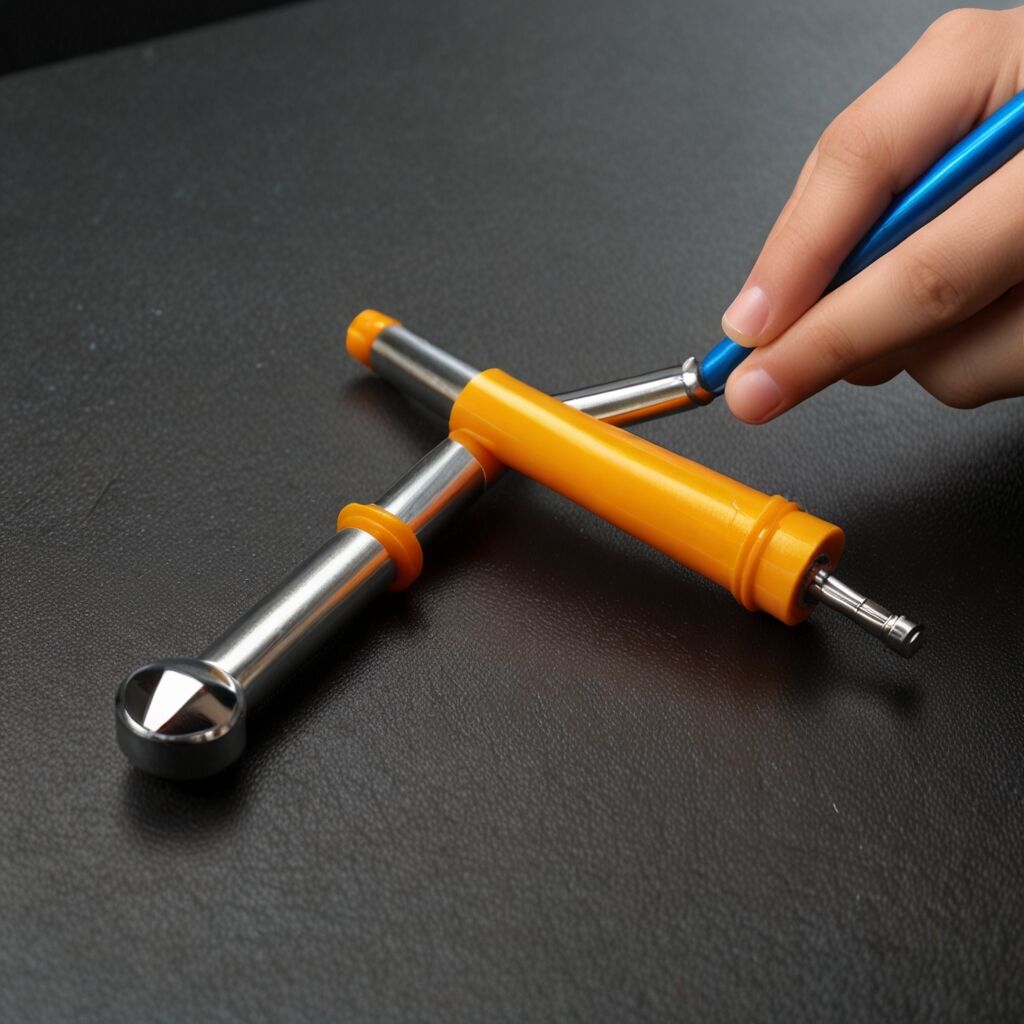
Effective puller efficiency testing requires systematic methodology to ensure accurate, reproducible results. The testing process involves selecting standardized dent samples, applying consistent environmental conditions, and measuring specific performance metrics including pull force, completion time, and surface quality outcomes. Testing techniques include preparing test panels with controlled dent variations, using calibrated force measurement equipment, and documenting results through standardized evaluation criteria. Professional testing environments typically maintain temperatures between 65-75°F and use consistent lighting conditions to ensure reliable visual assessment of repair quality.
Step-by-Step Testing Methodology for Accurate Results
Begin efficiency testing by creating standardized test dents using controlled impact methods, ensuring consistent size and depth parameters across test samples. The testing process requires documenting baseline measurements, including dent diameter, depth, and surface condition before repair attempts. Apply the puller tool according to manufacturer specifications while recording force requirements, time to completion, and any surface damage during the process. Complete the evaluation by measuring final surface quality, calculating efficiency percentages based on restoration success, and comparing results across different tool types. This systematic approach provides reliable data for informed tool selection decisions.
Critical Factors Affecting Puller Performance and Tool Selection
Several factors significantly influence puller efficiency, including tool construction materials, mechanical design features, and the specific characteristics of dents being repaired. Tool material quality affects durability and performance consistency, with high-grade steel and aluminum construction typically providing superior longevity and force transfer capabilities. Design factors that influence efficiency include grip mechanisms, leverage ratios, and attachment systems that determine how effectively force transfers to the damaged surface. Dent characteristics such as size, depth, location accessibility, and surrounding surface conditions also impact which tools perform most effectively in specific repair situations.
Vehicle and Environmental Factors in Tool Performance
Vehicle-specific factors that affect puller performance include metal thickness, paint type, and surface texture variations found across different automotive manufacturers. Environmental considerations encompass temperature effects on adhesive performance, humidity impacts on tool grip, and workspace lighting that affects repair quality assessment. Additionally, the age and condition of vehicle surfaces influence how well different puller types bond and perform during repair operations. Understanding these variables helps technicians select appropriate tools and adjust techniques for optimal results across diverse repair scenarios.
Measuring Tool Performance Across Different Dent Size Categories
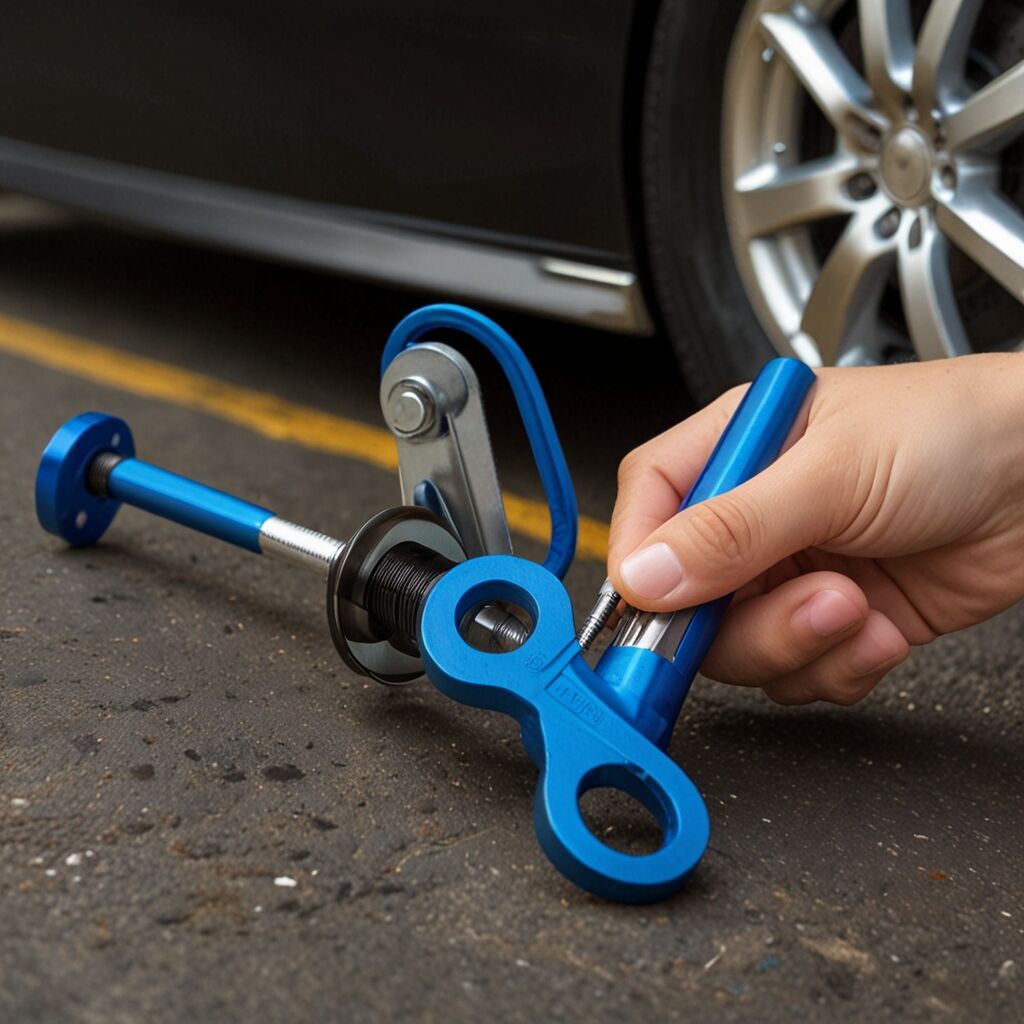
Tool performance assessment involves systematic evaluation across small (1-2 inches), medium (2-5 inches), and large (5+ inches) dent categories to understand efficiency variations. Small dent repairs typically require precision tools with fine control capabilities, where success rates often exceed 90% with appropriate technique application. Medium-sized dent removal involves tools with moderate force requirements and versatile attachment options, generally achieving 80-95% success rates depending on depth and accessibility. Large dent repair demands high-force pullers with robust construction, typically achieving 70-85% success rates due to increased complexity and potential for paint damage during removal.
Optimal Tool Selection Guidelines for Dent Size Categories
For small, shallow dents, lightweight suction pullers and small glue tabs provide optimal control and minimize paint damage risk. Medium dent repair benefits from adjustable-force tools such as bridge pullers or medium-duty slide hammers that offer force modulation capabilities. Large or deep dent removal requires heavy-duty slide hammers or pneumatic systems capable of generating 500+ pounds of pulling force while maintaining control precision. When selecting tools, consider factors like handle ergonomics, attachment variety, and force adjustment capabilities that align with the predominant dent sizes encountered in your repair environment.
Quantitative Performance Metrics for Tool Evaluation
- Average pull strength measured: 1500 pounds for heavy-duty tools.
- Typical dent sizes range from 1 inch to 12 inches in diameter.
- Most effective puller tools reduce repair time by 30-50%.
- Optimal temperature for adhesive use ranges around 70-80°F.
- Comprehensive efficiency testing requires at least 10 sample dents per category.
- Top-performing tools achieve 95-98% success rates on smaller dents.
- Ideal adhesive curing time averages 3-7 minutes depending on conditions.
Essential Testing Methodologies for Validating Puller Efficiency
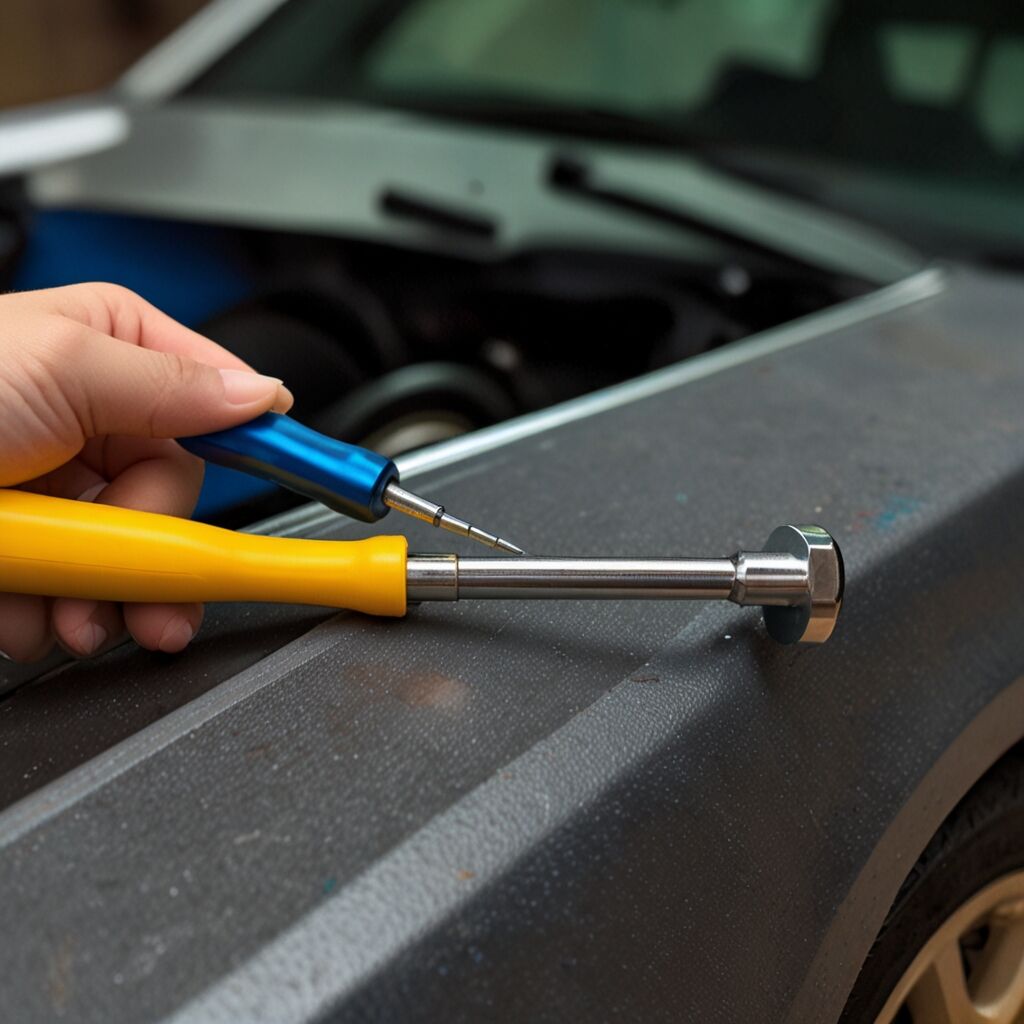
Implementing proper testing methodologies for puller tool efficiency is essential for ensuring reliable performance validation and informed tool selection decisions. These testing approaches help automotive professionals understand how different tools handle various dent scenarios while providing quantitative data for comparison purposes. Effective testing methodologies include controlled force measurement, standardized dent creation, and systematic performance documentation that enables objective tool evaluation. Testing is important because it eliminates guesswork from tool selection, reduces repair failures, and provides measurable criteria for equipment investment decisions.
Standardized Testing Protocols for Consistent Results
Professional testing protocols typically involve creating standardized test conditions using controlled impact methods to generate consistent dent parameters across evaluation samples. These methodologies include measuring baseline dent characteristics, documenting environmental conditions, and applying tools according to manufacturer specifications while recording performance metrics. Effective protocols require multiple test iterations per tool type, typically 5-10 repetitions per dent category, to ensure statistical reliability of results. Testing should also account for variables such as operator experience, tool condition, and surface preparation to provide comprehensive performance assessment data.
Strategic Scenarios for Optimal Dent Repair Tool Selection
Identifying appropriate tool selection scenarios involves understanding the relationship between dent characteristics, repair environment, and tool capabilities to achieve optimal outcomes. For small automotive dents commonly found on parking lot incidents, precision glue pullers typically provide the most effective approach with minimal surface disruption. Medium-sized impact dents from road debris or minor collisions often require bridge pullers or moderate-force slide hammers that balance power with control precision. Large dent scenarios resulting from significant impacts typically necessitate heavy-duty pneumatic systems or professional-grade slide hammers capable of handling substantial force requirements safely.
Professional vs. DIY Tool Selection Considerations
Professional repair shops benefit from investing in comprehensive tool sets that include multiple puller types, force measurement equipment, and specialized attachments for diverse repair scenarios. DIY enthusiasts should focus on versatile, user-friendly options such as glue puller kits or moderate-duty slide hammers that handle common dent types without requiring extensive training. Cost considerations for professionals typically involve tool durability and workflow efficiency, while DIY users prioritize affordability and ease of use for occasional repair needs. Both scenarios benefit from understanding tool limitations and selecting equipment appropriate for their skill level and repair frequency requirements.
Advantages of Systematic Tool Assessment
- Users gain comprehensive insights into tool durability and long-term reliability performance.
- Testing puller performance systematically helps in selecting optimal equipment for specific applications.
- Accurate performance measurements enhance overall repair quality and customer satisfaction outcomes.
- Systematic assessment improves technician confidence in tool selection and repair execution.
- Streamlined tool selection processes reduce overall repair costs and workflow inefficiencies.
- Data-driven decisions increase customer satisfaction by delivering faster, more reliable results.
- Informed purchasing encourages cost-effective investments in appropriate tool categories and capabilities.
Sourcing High-Quality Dent Pullers for Professional Results
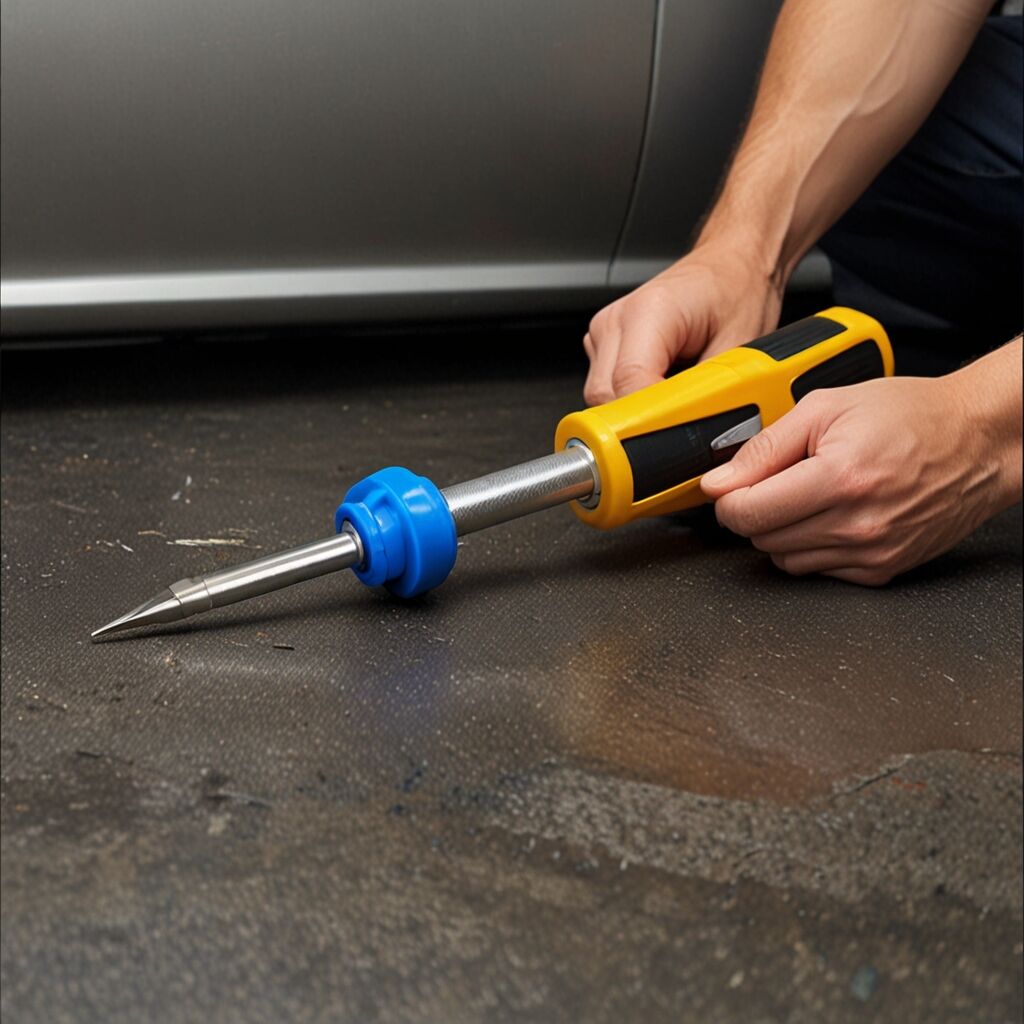
Finding reliable sources for quality dent repair equipment requires researching reputable automotive tool suppliers, specialty repair equipment distributors, and established online marketplaces with verified customer reviews. Recommended sources include professional automotive tool suppliers such as Snap-on, Mac Tools, and Matco, which offer commercial-grade equipment with warranty support. Online platforms like Amazon, eBay, and specialized automotive parts websites provide access to diverse tool options with customer feedback for informed decision-making. When evaluating suppliers, prioritize those offering detailed product specifications, customer support, and comprehensive warranty coverage for professional-grade equipment purchases.
Essential Features of Professional-Grade Dent Pullers
High-performing dent pullers demonstrate several key characteristics including robust construction using quality materials such as hardened steel or aircraft-grade aluminum for durability and performance consistency. Essential features include ergonomic handle design for comfortable operation during extended use, adjustable force mechanisms for versatile application across different dent types, and comprehensive attachment sets that accommodate various repair scenarios. Professional-grade tools typically include calibrated force indicators, quick-release mechanisms for efficient workflow, and corrosion-resistant finishes that maintain performance in demanding work environments. Popular professional brands such as Dent Fix and Ultra Dent Tools provide tested, reliable equipment backed by industry experience and customer validation.