Puller force adjustment is a precise dent repair method that controls pulling pressure between 50-200 pounds to prevent reverse dent formation. This automotive restoration technique involves gradually applying controlled tension using slide hammers, glue pullers, or pneumatic systems to restore metal panels. Professional technicians typically start with 25-50 pounds of pressure and increase incrementally. Most body shops use this approach for door panels, hoods, and quarter panel repairs where precision prevents costly panel replacement.
What is Puller Force Adjustment in Dent Repair?
Puller force adjustment refers to the systematic control of pulling pressure during automotive dent repair to prevent damage from excessive force application. This advanced dent repair technique helps technicians remove dents without creating reverse indentations or panel distortion. The adjustment process involves monitoring the metal’s response and modifying pressure using specialized equipment like slide hammers, adhesive glue pullers, and pneumatic pulling systems.
The primary benefits of proper force adjustment include preventing panel damage, reducing repair time from hours to minutes, and achieving factory-quality surface finishes. Most professional technicians start with minimal force ranging from 25-75 pounds and increase gradually, allowing the metal’s natural elasticity to guide the restoration process. This methodology works particularly well on aluminum panels, steel body panels, and modern high-strength materials where different alloys require varying pressure levels.
How Puller Force Adjustment Functions in Professional Applications
Puller force adjustment functions by applying controlled tension that gradually restores the panel’s original contour without exceeding the metal’s yield strength limits. The process typically involves attaching the puller tool securely using screws or adhesive tabs, applying initial light pressure around 30-50 pounds, and monitoring the dent’s response before making measured incremental adjustments.
Understanding puller force dynamics is essential for achieving professional-quality repairs that maintain structural integrity. The technique requires recognizing when to increase pressure, when to pause for metal stress relief, and when to change approach based on the material’s feedback signals. Experienced PDR specialists often describe this as “reading” the metal’s response through tool vibration and resistance patterns.
Different Types of Pulling Methods Used in Automotive Restoration
Common pulling methods in automotive restoration include slide hammer pulling for deep dents, adhesive glue pulling for surface damage, and pneumatic vacuum pulling for large panel areas. Each method serves specific purposes and works optimally for different dent types, locations, and vehicle materials. Slide hammers excel at accessible deep dents requiring 100-300 pounds of force, while adhesive pullers handle surface-level damage using 25-100 pounds without requiring panel access from behind.
The advantages of using varied pulling approaches include increased repair versatility, superior results for specific dent configurations, and reduced risk of panel over-stress. Professional technicians typically master multiple methodologies to handle diverse repair scenarios effectively. Understanding when to apply each approach significantly impacts repair quality and efficiency in automotive restoration processes.
Understanding Slide Hammer Applications in Metal Restoration
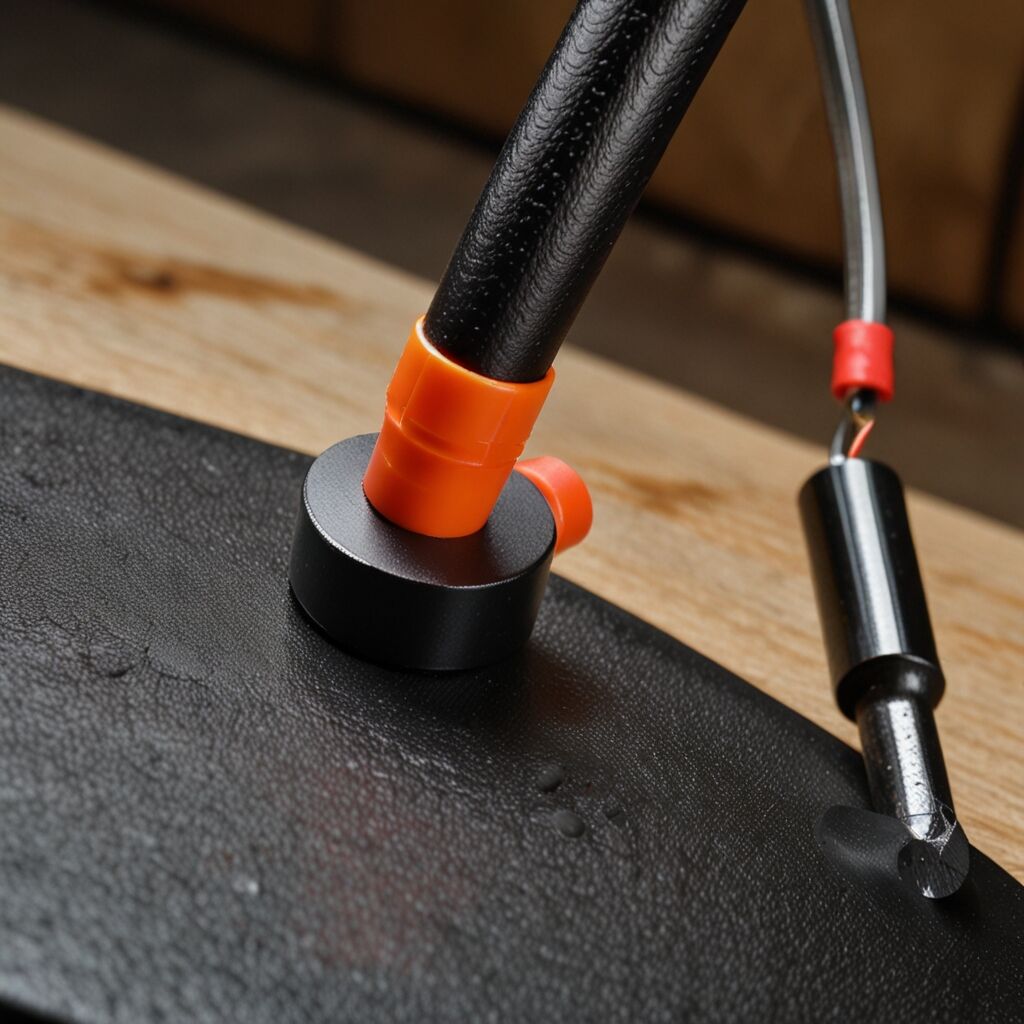
Slide hammers are specialized extraction tools designed for pulling dents using controlled impact force ranging from 50-500 pounds depending on weight configuration. They consist of a weighted sliding mass on a threaded rod that creates pulling tension when operated with proper technique. Users attach the tool to the damaged area using screws, hooks, or adhesive tabs, then slide the weight to generate targeted pulling force.
Proper slide hammer implementation involves positioning the tool perpendicular to the dent surface, securing the attachment point with appropriate fasteners, and using smooth, controlled movements to avoid shock loading. This technique works optimally on deeper dents where direct access allows for secure attachment and effective force transfer without compromising surrounding panel areas.
How Puller Forces Operate in Automotive Repair Scenarios
Puller forces operate by creating measured tension that counteracts the dent’s inward displacement using the metal’s natural elasticity and memory properties. The process works by gradually applying outward pressure that encourages the panel to return to its original shape without exceeding the material’s stress limits or causing work hardening.
The mechanics behind effective pulling involve understanding how different automotive metals respond to applied tension. Steel panels typically require steady, consistent pressure between 75-200 pounds, while aluminum responds better to quick, controlled pulls using 50-150 pounds of force. The key lies in interpreting the metal’s feedback signals and adjusting technique accordingly to prevent over-pulling damage.
Understanding the Science Behind Pulling Force Applications
The science of pulling forces centers on leveraging the metal’s inherent memory properties to restore original panel geometry. When applying puller force, technicians work with the material’s natural tendency to return to its pre-damaged state rather than fighting against metallurgical grain structure.
What are the limitations of puller force techniques? The main limitations include difficulty with severely creased metal requiring heat treatment, challenges on compound curves exceeding 30-degree angles, and the need for accessible attachment points for tool placement. Additionally, some vintage vehicles with thicker steel gauges may require specialized high-force approaches, and painted surfaces require careful handling to prevent finish damage requiring refinishing work.
Key Principles for Maintaining Optimal Pulling Force Control
- Start with minimal force around 25-50 pounds and increase gradually to test metal response patterns.
- Monitor the dent’s movement pattern to identify resistance points and stress concentration areas.
- Recognize when to stop pulling to prevent over-correction and reverse dent formation.
- Understand that aluminum requires 30-40% less force than comparable steel panels.
- Practice reading metal feedback through tool vibration and movement resistance changes.
- Learn to identify when alternative repair methods like heat shrinking might be more appropriate.
- Develop skills for adjusting technique based on panel thickness and material composition.
Why Proper Puller Force Adjustment Matters in Professional Repairs
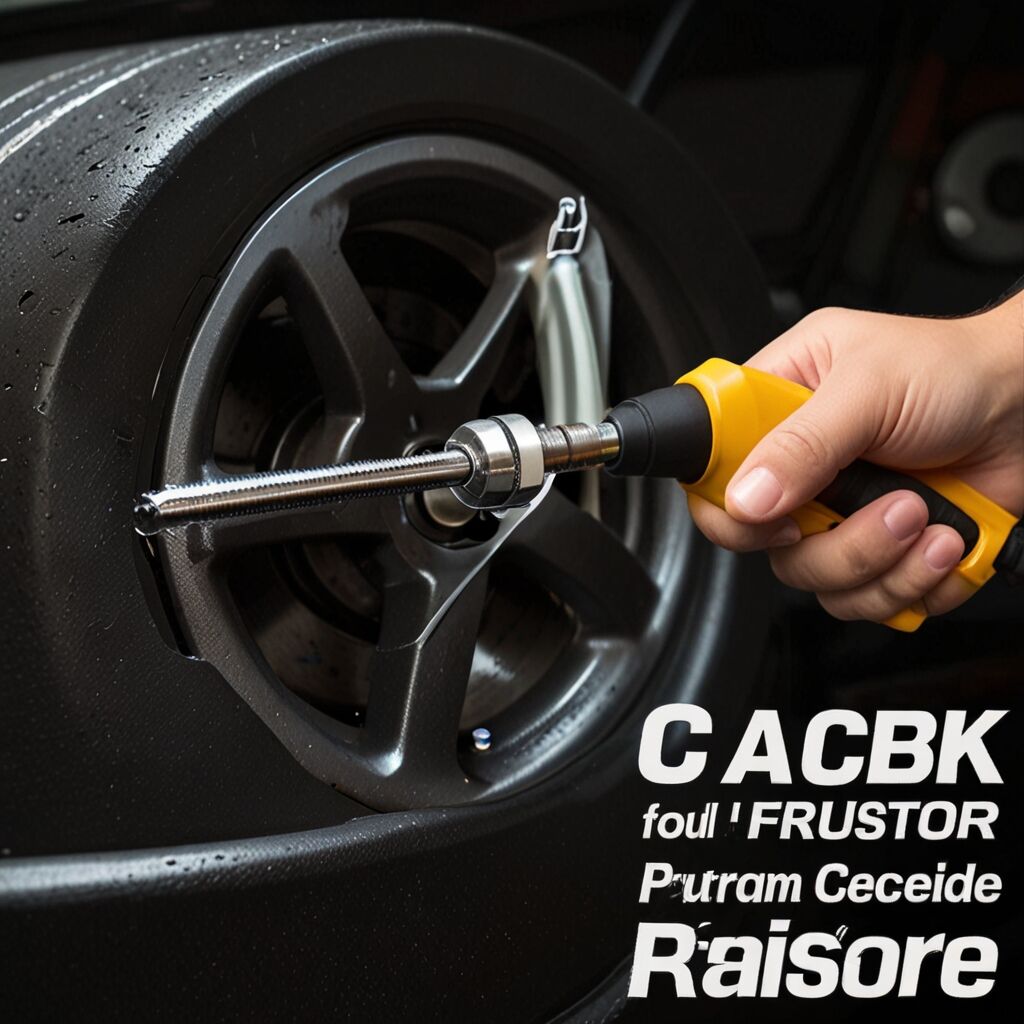
Proper puller force adjustment is essential because incorrect pressure can create reverse dents, panel distortion, or paint damage that requires additional repair work costing hundreds of dollars. The significance of accurate adjustment lies in achieving single-attempt repairs that restore the panel’s original appearance without complications or follow-up work.
The benefits of mastering force adjustment include reduced repair time from 2-3 hours to 30-60 minutes, improved customer satisfaction ratings, and enhanced professional reputation leading to repeat business. Most importantly, proper technique prevents costly mistakes that can turn minor dent repairs into major bodywork projects requiring panel replacement or extensive refinishing work.
Professional Tools for Effective Puller Force Adjustment
Essential tools for effective force adjustment include slide hammers with variable weights from 1-5 pounds, adhesive glue pullers with different tab sizes for various dent configurations, and pneumatic pullers with pressure controls ranging from 25-300 PSI. Professional-grade equipment often features force limiting mechanisms or digital pressure gauges that help technicians maintain appropriate pulling levels consistently.
Who should use specialized puller equipment? Professional auto body technicians, PDR specialists, and serious DIY enthusiasts benefit most from investing in quality puller systems ranging from $200-2000 depending on capabilities. These tools provide the precision and control necessary for consistent, professional-quality repairs while minimizing the risk of damage from excessive force application.
Cost Considerations for Puller Force Adjustment Equipment
How much does puller force adjustment equipment cost? Professional-grade puller systems typically range from $300-1500 for basic setups, while comprehensive kits with digital force monitoring can cost $2000-5000. Entry-level equipment suitable for DIY applications usually costs $100-400, making this an accessible technique for various skill levels and budgets.
The investment in proper equipment pays for itself through reduced repair times, improved success rates, and decreased material waste from failed attempts. Most professional shops recover their equipment costs within 2-3 months through improved efficiency and reduced rework requirements.
When to Adjust Puller Force During Repair Operations
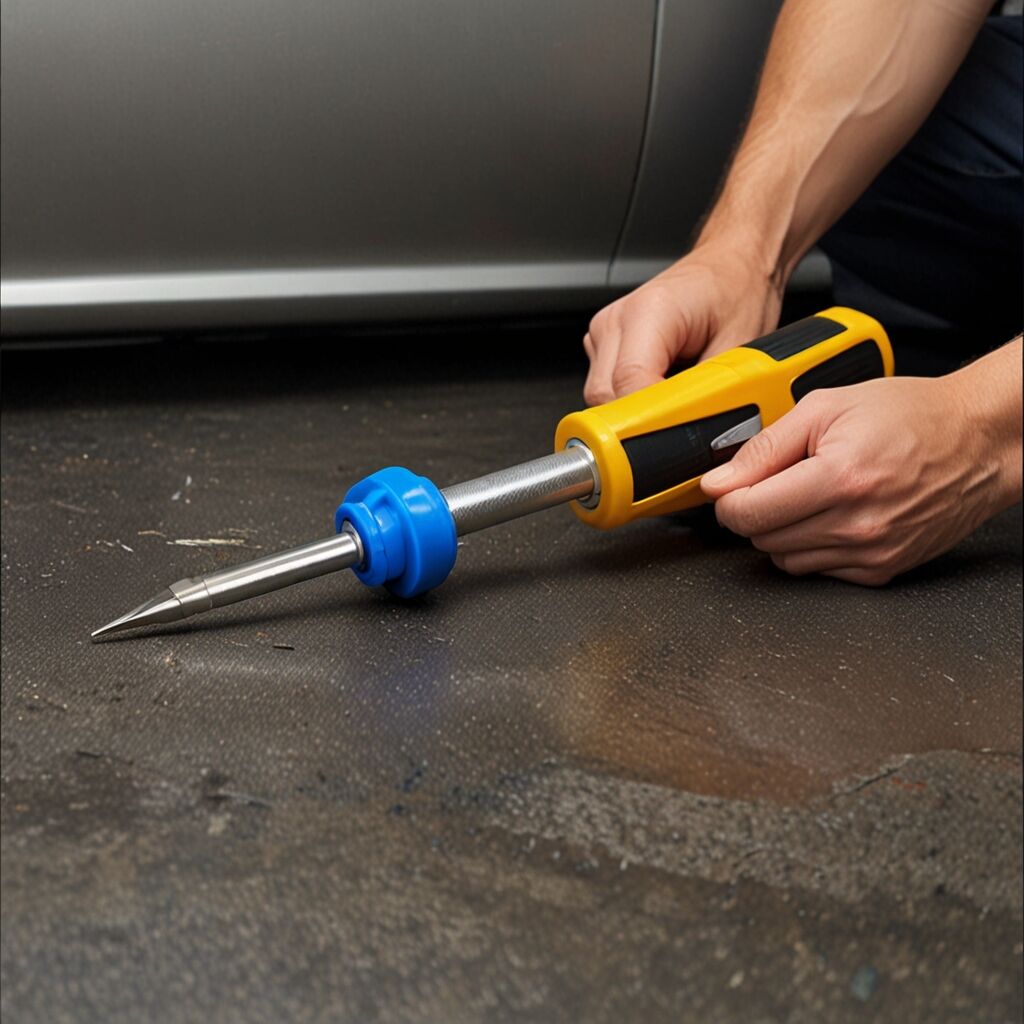
Recognizing when to adjust puller force involves monitoring several critical indicators during the repair process. Key signs include resistance changes in the tool operation, unusual metal sounds indicating stress points, or visible panel distortion around the repair area. Experienced technicians develop sensitivity to these feedback signals through practice and systematic observation over hundreds of repairs.
The timing of force adjustments often determines repair success or failure outcomes. Adjustments should occur when initial pulling shows no movement after 10-15 seconds, when the dent begins moving but stops partway through the repair cycle, or when the panel starts showing stress signs around the repair area. Understanding these timing principles helps prevent over-pulling and ensures optimal results without compromising panel integrity.
Step-by-Step Process to Adjust Puller Force for Optimal Results
Effective force adjustment follows a systematic approach starting with thorough dent assessment and proper tool selection based on dent depth, location, and material type. Begin by examining the dent’s depth, location accessibility, and surrounding panel condition to determine the appropriate initial force level and pulling strategy for success.
The adjustment process typically involves securing the puller firmly using appropriate attachment methods, applying initial gentle pressure around 30-50 pounds, and observing the metal’s response before making incremental changes of 10-25 pounds. Successful adjustments require patience and willingness to stop and reassess when the repair isn’t progressing as expected within normal timeframes.
Direct Advantages of Correctly Modifying Pull Force Applications
- Prevents reverse dent formation that requires additional repair work costing $200-500.
- Reduces overall repair time by achieving results in fewer attempts, typically 30-60 minutes vs 2-3 hours.
- Maintains panel integrity and original metal strength characteristics preventing future weakness.
- Minimizes paint damage and refinishing requirements saving $300-800 in additional costs.
- Increases technician confidence and skill development leading to higher success rates over time.
- Improves customer satisfaction through higher quality repair outcomes and faster turnaround times.
- Reduces material costs by avoiding panel replacement due to over-pulling damage requiring $500-2000 investments.
Practical Applications of Puller Force Adjustment in Professional Repairs
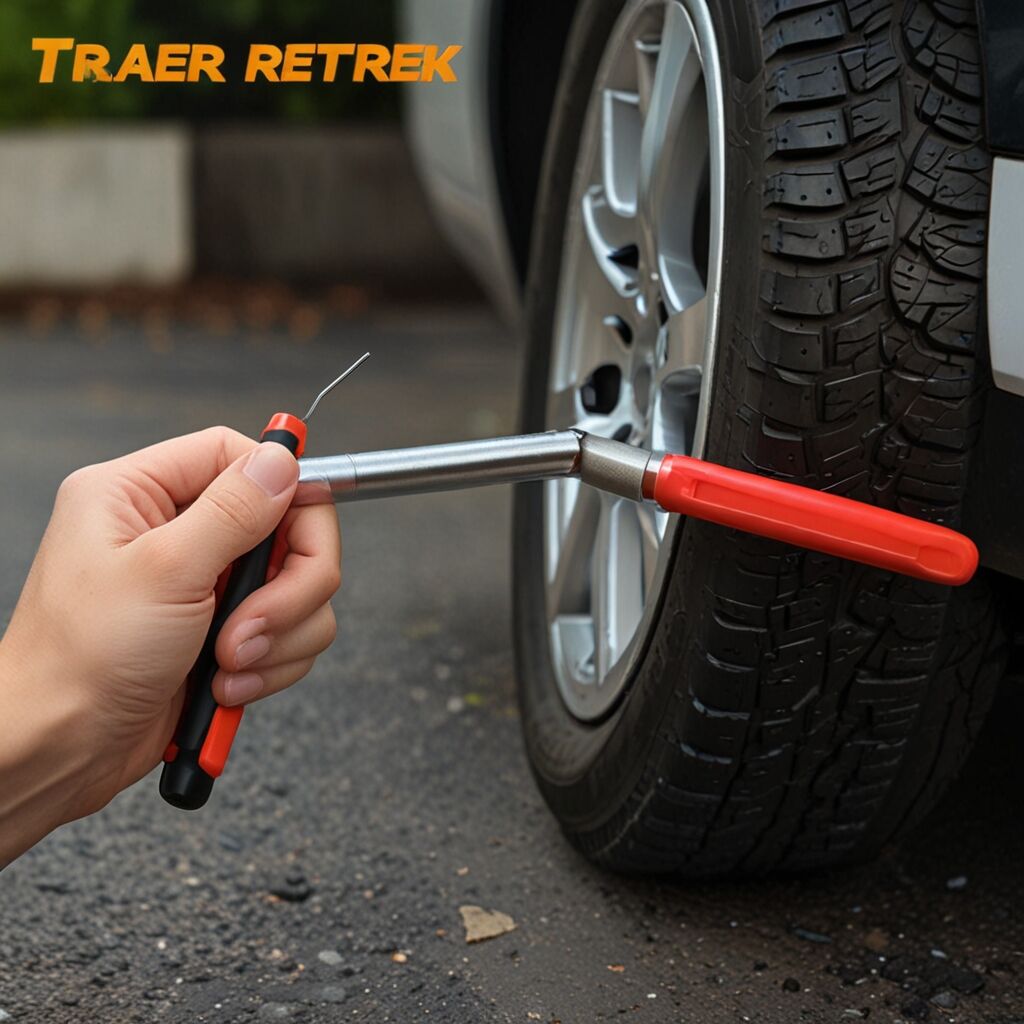
Puller force adjustment finds practical application in various automotive repair scenarios, from minor door dings requiring 25-75 pounds of force to larger panel dents on hoods, trunks, and quarter panels needing 100-300 pounds. The technique proves especially valuable when working on modern vehicles with thinner panels that require delicate handling to prevent damage during restoration.
Common applications include hail damage repair affecting multiple panels, parking lot dings in high-traffic areas, and collision damage where panel replacement would be excessive for the damage severity. Insurance companies often prefer these repair methods because they maintain the vehicle’s original panels and finish while reducing claim costs by 40-60% compared to traditional bodywork.
Understanding Optimized Pulling Techniques for Different Automotive Materials
Optimized pulling techniques vary significantly between aluminum and steel panels, with aluminum requiring more precise force control due to its different elasticity properties and lower yield strength. Steel panels typically tolerate slightly higher forces but require consistent pressure application to prevent work hardening that can cause brittleness.
What tools are needed for material-specific repairs? Aluminum repairs often benefit from heated pulling tools or heat guns operating at 200-300°F to improve metal flexibility, while steel repairs may require heavier-duty pullers with greater force capacity reaching 400-500 pounds. Understanding these material differences helps technicians choose appropriate tools and techniques for each specific repair situation.
Who Should Master Puller Force Adjustment Techniques
Professional auto body technicians, paintless dent repair specialists, and automotive restoration enthusiasts should master puller force adjustment techniques for optimal career success. These individuals regularly encounter situations where improper force application can cause expensive damage or compromise repair quality, making this skill essential for professional credibility.
Insurance adjusters and shop owners also benefit from understanding these techniques to better evaluate repair proposals and quality standards during claim processing. Additionally, automotive instructors use this knowledge to teach proper repair methods that prevent costly mistakes and ensure student success in competitive job markets.
Importance of Mastering Puller Force Adjustment for Career Development
Mastering puller force adjustment is essential for anyone serious about automotive repair quality and efficiency in today’s competitive market. The technique directly impacts repair outcomes, customer satisfaction ratings, and business profitability in professional settings while ensuring superior results for DIY enthusiasts working on their own vehicles.
When should technicians seek additional training? New technicians should pursue specialized training when beginning PDR work, when transitioning between different vehicle types like luxury imports, or when encountering consistent problems with over-pulling or inadequate dent removal. Ongoing education enhances repair capabilities and keeps skills current with evolving automotive technologies and materials.
Exploring Specializations & Their Ideal Practitioners for Force Adjustment Techniques
- Paintless Dent Repair (PDR): Best for technicians focusing on maintaining original finishes and factory paint quality.
- Collision Repair: Essential for body shop professionals handling insurance work and major damage restoration.
- Classic Car Restoration: Critical for preserving original panels on vintage vehicles with irreplaceable components.
- Mobile Dent Repair: Valuable for technicians providing on-site repair services with portable equipment.
- Insurance Damage Assessment: Important for adjusters evaluating repair methods and associated costs accurately.
- Automotive Education: Useful for instructors teaching proper repair techniques and safety protocols to students.
- Fleet Maintenance: Beneficial for technicians maintaining commercial vehicle fleets with multiple similar repairs.
Best Practices for Achieving Optimal Puller Force Settings
Achieving optimal puller force settings requires developing sensitivity to metal feedback and understanding how different factors affect the repair process systematically. Best practices include starting conservatively with 25-50 pounds, making incremental adjustments of 10-25 pounds, and stopping immediately when resistance patterns change unexpectedly during the repair cycle.
What are common mistakes with puller force adjustment? Common mistakes include applying too much force initially exceeding 100 pounds, ignoring metal feedback signals like unusual sounds, failing to secure attachment points properly with adequate fastener torque, and continuing to pull when the repair isn’t progressing within expected timeframes. These errors often result in reverse dents, panel damage, or paint problems that complicate the original repair significantly.
Professional Tools and Techniques for Measuring Puller Force Accurately
Professional force measurement involves using calibrated tools like digital force gauges, load cells, or pneumatic pressure monitors that provide real-time feedback during repairs with ±5% accuracy. These instruments help technicians develop consistent technique and avoid the guesswork that leads to over-pulling and expensive damage.
The cost of force measurement tools varies from basic spring scales around $50-100 to sophisticated digital systems costing $500-2000, with most professional shops investing in mid-range equipment that balances accuracy with affordability. Training on these tools typically requires hands-on practice and understanding force measurement principles to achieve reliable, repeatable results across different repair scenarios.