Puller force monitoring is a precision measurement system that protects automotive panels by controlling applied force during repairs. This technology prevents panel warping, cracking, and structural damage while ensuring consistent repair quality. Professional automotive repair systems typically utilize load cells, strain gauges, and digital monitoring to maintain force within safe ranges of 50-200 pounds per square inch, depending on panel thickness and material composition.
What Puller Force Monitoring Is and How It Works
Puller force monitoring is a technique that measures and controls the amount of force applied to automotive panels during repair processes. The system works by using electronic sensors that detect tension levels in real-time, allowing technicians to adjust their approach before damage occurs. Essential components include load cells for accurate force measurement, strain gauges for panel stress detection, and digital displays for real-time monitoring. The process typically involves three key steps: calibrating equipment to panel specifications, applying controlled force while monitoring readings, and adjusting technique based on sensor feedback.
Core Benefits of Implementing Force Monitoring Systems
The primary benefits include preventing panel damage through precise force control, reducing repair time by eliminating guesswork, and improving repair consistency across different technicians. Force monitoring enhances repair quality by maintaining structural integrity, which is particularly crucial for modern lightweight aluminum and high-strength steel panels. Additionally, this technology reduces material waste by preventing over-pulling that requires panel replacement. Most automotive professionals report a 60-80% reduction in panel damage incidents when using proper monitoring systems, leading to improved customer satisfaction and reduced warranty claims.
Key Limitations and Challenges of Force Monitoring
While effective, puller force monitoring has several limitations that professionals should understand. The technology requires initial investment in specialized equipment, typically ranging from $500-3000 for professional-grade systems. Monitoring systems can struggle with complex repairs involving multiple panel layers or areas with existing stress concentrations. Additionally, the technology depends on proper calibration and technician training, which can take 2-4 weeks to master effectively. Some older vehicle panels may not respond well to modern monitoring techniques due to different metallurgical properties.
Cost Considerations and Implementation Timeline
Implementation costs vary significantly based on shop size and equipment sophistication. Basic monitoring systems start around $500-800 for entry-level digital force gauges, while comprehensive systems with multiple sensors range from $2000-5000. Training costs typically add another $1000-2000 per technician for proper certification. The return on investment usually occurs within 6-12 months through reduced material waste and improved efficiency. Most shops find that monitoring systems pay for themselves by preventing just 3-5 major panel replacements per year.

Who Should Use Puller Force Monitoring Technology
Professional auto body shops handling collision repairs benefit most from force monitoring, especially when working with modern vehicle designs featuring advanced materials. The technology is particularly valuable for shops specializing in luxury vehicle repairs, where panel replacement costs are significantly higher. Insurance restoration facilities often require monitoring to meet quality standards and reduce claim disputes. Independent technicians working on high-value restorations also find monitoring essential for maintaining original panel integrity.
Ideal Scenarios for Force Monitoring Implementation
Force monitoring proves most beneficial during complex dent repairs, frame straightening operations, and panel alignment procedures. The technology excels in situations involving aluminum panels, which are more susceptible to work hardening and cracking under excessive force. Shops handling 20+ collision repairs weekly typically see the greatest return on investment. Monitoring becomes essential when working with vehicles featuring structural adhesives or advanced high-strength steels that require precise force application.
Essential Tools and Equipment Requirements
- Digital force gauges with 0.5% accuracy for precise measurements
- Load cells rated for automotive applications up to 5000 pounds
- Strain gauge systems for real-time panel stress monitoring
- Calibration equipment for maintaining measurement accuracy
- Data logging software for documenting repair procedures
- Backup measurement systems for equipment redundancy
- Safety equipment including proper PPE and emergency stops
When to Implement Puller Force Monitoring
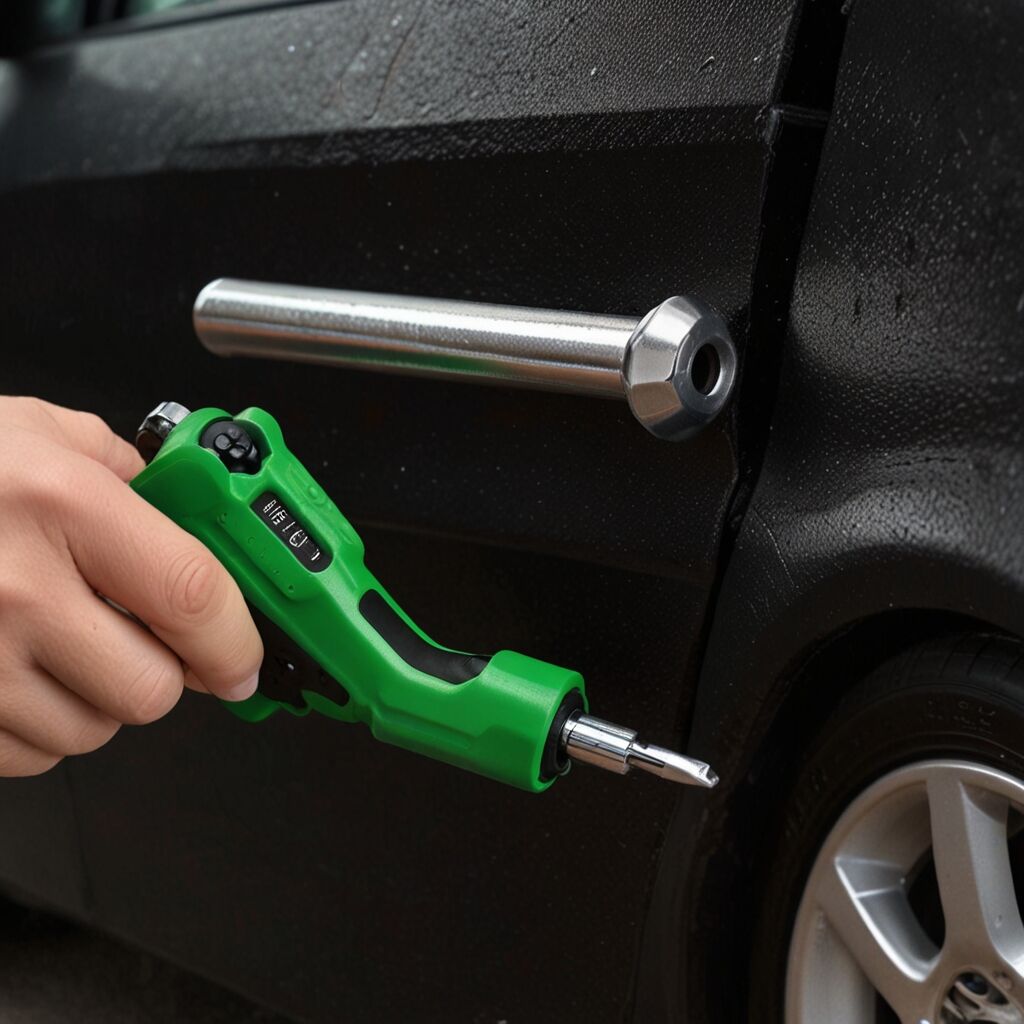
Implement force monitoring immediately when beginning any repair involving structural panels, especially on vehicles manufactured after 2010 with advanced materials. The optimal timing includes during initial damage assessment, throughout the pulling process, and during final quality verification. Most professionals begin monitoring before applying any force to establish baseline measurements and panel condition. Critical implementation points include when working with aluminum panels, during frame straightening operations, and whenever repair forces exceed 100 pounds per square inch.
Step-by-Step Implementation Process
Begin by assessing panel material and thickness to determine appropriate force limits, typically 50-150 PSI for steel and 30-80 PSI for aluminum. Calibrate monitoring equipment according to manufacturer specifications, ensuring accuracy within 0.5% of applied force. Attach sensors to appropriate mounting points that won’t interfere with repair access. Apply force gradually while continuously monitoring readings, making adjustments every 10-15 seconds. Document all measurements for quality assurance and potential warranty claims.
Alternative Methods to Force Monitoring
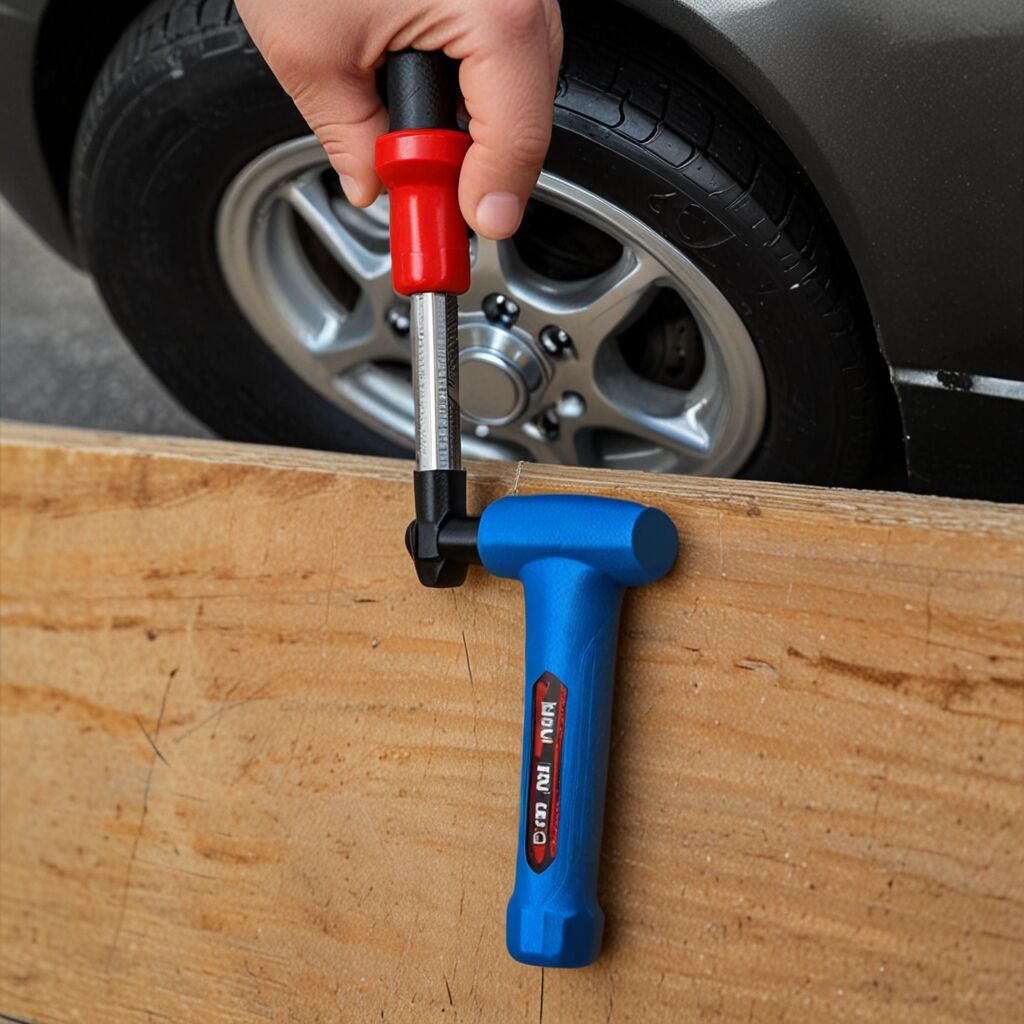
While force monitoring represents the gold standard, several alternative approaches exist for panel protection during repairs. Traditional methods include using experienced technician judgment based on visual and tactile feedback, though this approach carries higher risk of panel damage. Heat treatment techniques can reduce required pulling force by making materials more malleable, reducing stress on panels. Progressive pulling methods using multiple small increments rather than continuous force also help minimize damage risk.
Comparing Monitoring vs Traditional Repair Methods
Traditional repair methods rely heavily on technician experience and visual assessment, which can be effective but inconsistent between different operators. Force monitoring provides quantifiable data that eliminates guesswork and ensures repeatable results across all technicians. While traditional methods require minimal equipment investment, they typically result in 30-40% higher panel damage rates compared to monitored approaches. The choice often depends on shop volume, technician skill level, and quality requirements.
Common Mistakes and Prevention Strategies
- Exceeding safe force limits due to inadequate monitoring equipment
- Improper calibration leading to inaccurate force readings and panel damage
- Ignoring material specifications when setting force parameters
- Rushing repairs without allowing sensors time to stabilize readings
- Using monitoring equipment beyond its rated capacity or accuracy range
- Failing to document force applications for quality tracking purposes
- Neglecting regular equipment maintenance and recalibration schedules

Professional Training and Certification Requirements
Proper force monitoring requires specific training that most automotive programs don’t include in standard curricula. Professional certification typically involves 40-60 hours of hands-on training covering equipment operation, calibration procedures, and safety protocols. Most manufacturers offer specialized courses ranging from $800-2000 per technician, including equipment familiarization and troubleshooting procedures. The training emphasizes understanding material properties, force calculation methods, and emergency shutdown procedures for equipment malfunction scenarios.
Maintaining Equipment and Ensuring Accuracy
Regular calibration schedules are essential for maintaining measurement accuracy, typically requiring monthly verification using certified test weights. Most monitoring systems require annual professional calibration costing $200-500 per unit to maintain warranty coverage and measurement integrity. Daily pre-use checks should include sensor verification, cable inspection, and software functionality testing. Proper storage in climate-controlled environments extends equipment life and maintains calibration stability between professional servicing intervals.
Future Developments in Force Monitoring Technology
Emerging technologies include wireless sensor networks that eliminate cable interference during repairs, and artificial intelligence systems that predict optimal force application based on panel characteristics. Advanced materials research is developing smart panels with integrated stress monitoring capabilities, potentially eliminating external monitoring equipment requirements. Integration with robotic repair systems promises to further improve consistency and reduce human error in force application. These developments suggest that force monitoring will become increasingly automated and precise in coming years.
Industry Adoption Trends and Market Growth
Market adoption of force monitoring technology has grown significantly, with approximately 40% of professional auto body shops now using some form of monitoring system. The technology has become standard practice in high-end restoration facilities and insurance-preferred repair networks. Cost reductions in sensor technology have made monitoring accessible to smaller shops, driving broader industry adoption. Recent surveys indicate that shops using monitoring systems report 25-35% higher customer satisfaction scores and reduced comeback rates for panel-related issues.
Selecting the Right Monitoring System
- Evaluate force range requirements based on typical repair scenarios
- Consider accuracy specifications matching your quality standards
- Assess integration capabilities with existing repair equipment
- Review training requirements and ongoing support availability
- Compare total cost of ownership including calibration and maintenance
- Verify compatibility with various panel materials and thicknesses
- Examine data logging capabilities for quality documentation needs
Essential Resources for Implementation Success
Successful implementation requires access to comprehensive training materials, equipment suppliers, and ongoing technical support resources. Professional associations like the Inter-Industry Conference on Auto Collision Repair provide certification programs and best practice guidelines. Equipment manufacturers typically offer installation support, calibration services, and operator training as part of purchase packages. Industry publications and online forums provide ongoing education about new techniques and troubleshooting common implementation challenges.
Building a Comprehensive Monitoring Program
Developing an effective monitoring program involves establishing standard operating procedures, training protocols, and quality assurance measures. Documentation requirements should include force application records, equipment calibration logs, and repair outcome tracking. Regular program reviews help identify improvement opportunities and ensure continued effectiveness. Most successful programs incorporate customer education components that explain the technology’s benefits and quality improvements to build confidence in repair processes.