Puller tool maintenance is a systematic care process that involves cleaning, inspection, lubrication, and proper storage to maximize automotive puller performance and lifespan. A structured maintenance schedule typically extends tool life by preventing premature wear, reducing repair costs, and ensuring consistent dent removal results. Most automotive professionals follow maintenance intervals of every 30-60 days depending on usage frequency and working conditions.
What Is Puller Tool Maintenance and How It Works
Puller tool maintenance refers to regular care activities that preserve automotive pullers in optimal working condition. The maintenance process works by addressing four key areas: cleaning debris and contaminants, inspecting for wear patterns and damage, lubricating moving components, and storing tools in controlled environments. Regular maintenance helps enhance the reliability and extends operational lifespan significantly. This systematic approach prevents common issues like rust formation, mechanism binding, and calibration drift that reduce repair effectiveness over time.
Core Components of Effective Puller Maintenance
Effective puller maintenance consists of several interconnected elements that work together. Cleaning removes metal shavings, paint residue, and environmental contaminants that accumulate during dent repair operations. Inspection identifies early signs of wear including jaw misalignment, screw thread damage, and hydraulic seal deterioration. Lubrication ensures smooth operation of moving parts while preventing corrosion in metal components. Proper storage protects tools from moisture, temperature extremes, and physical damage between uses. These maintenance activities typically require 15-30 minutes per tool and basic supplies like cleaning solvents, lubricants, and inspection tools.
Benefits and Advantages of Structured Maintenance Schedules
Structured maintenance schedules provide substantial benefits for automotive puller tools and repair operations. The primary advantages include extended tool lifespan, improved repair consistency, reduced replacement costs, and enhanced workplace safety. Regular maintenance prevents unexpected tool failures during critical repair tasks, minimizing project delays and customer dissatisfaction. Well-maintained pullers deliver more precise force application, resulting in cleaner dent repairs with less risk of paint damage or metal stretching.
Cost Savings and Performance Enhancement Benefits
Maintenance schedules generate significant cost savings for automotive professionals and DIY enthusiasts. Preventive care typically costs much less than emergency repairs or tool replacement, with maintenance supplies usually ranging from $20-50 per month for a full toolkit. Performance benefits include consistent gripping force, smooth operation mechanisms, and reliable calibration that ensures predictable repair outcomes. Tools receiving regular maintenance maintain their original specifications longer, providing better return on investment and professional reputation protection.
Types of Automotive Pullers and Maintenance Requirements
Different puller types require specific maintenance approaches based on their design and application. Gear pullers, which remove gears and pulleys from shafts, need frequent jaw alignment checks and thread lubrication. Bearing pullers require hydraulic system maintenance including seal inspection and fluid changes. Three-jaw pullers, popular for versatile applications, benefit from regular jaw synchronization and grip surface cleaning. Slide hammer pullers need weight mechanism maintenance and handle grip replacement. Each type typically requires 10-20 minutes of focused maintenance every 4-6 weeks depending on usage intensity.
Specialized Maintenance for Different Puller Mechanisms
Each puller mechanism demands targeted maintenance attention for optimal performance. Hydraulic pullers require fluid level monitoring, seal replacement, and pressure testing to maintain consistent force delivery. Mechanical screw-type pullers need thread cleaning, lubrication, and wear pattern assessment to prevent binding or slippage. Universal joint pullers benefit from joint inspection, grease replenishment, and alignment verification. Comparing different puller tool specifications helps determine appropriate maintenance intervals and procedures for each type.
Step-by-Step Maintenance Procedures and Techniques
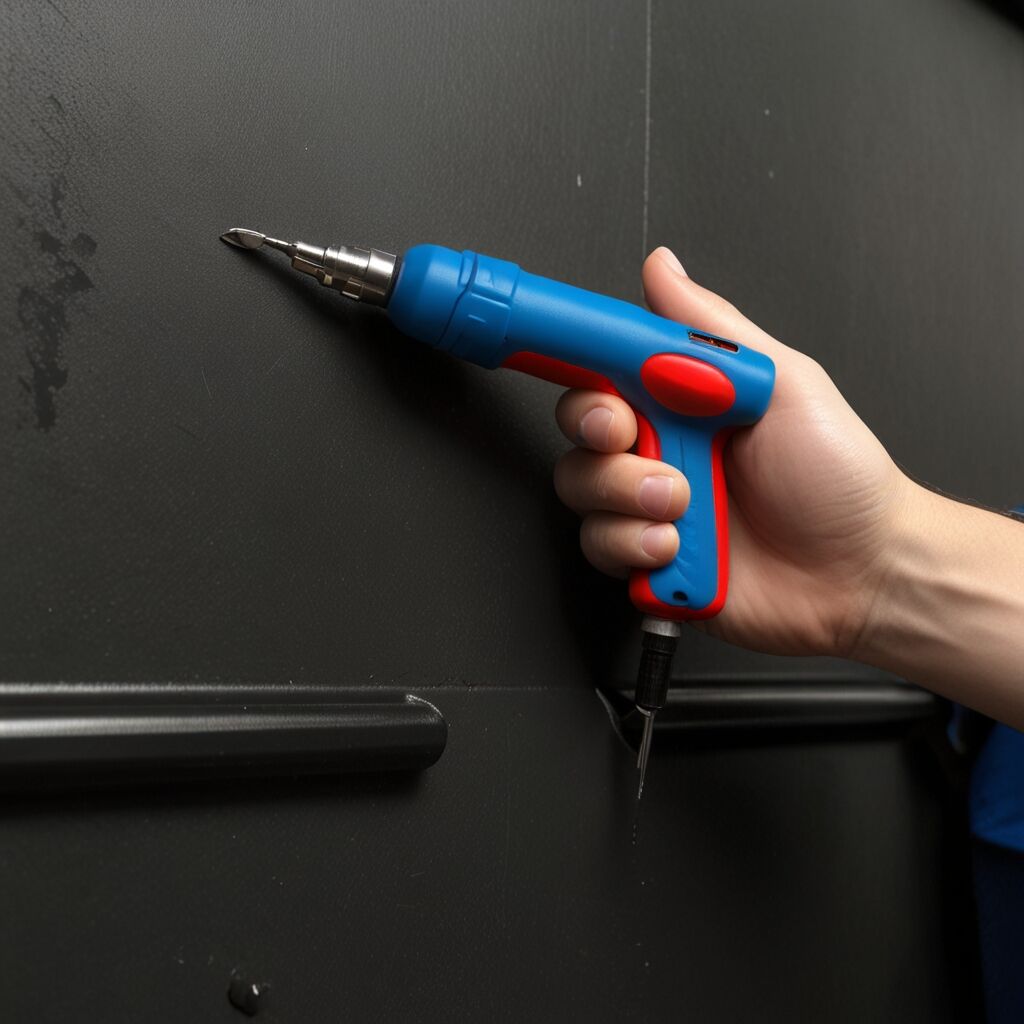
Effective puller maintenance follows a systematic procedure that ensures thorough care without missing critical components. Begin by disassembling removable parts including jaws, screws, and hydraulic components where applicable. Clean all surfaces using appropriate solvents, removing grease, metal particles, and paint residue. Inspect each component for wear patterns, cracks, or deformation that could affect performance. Apply fresh lubrication to moving parts, threads, and pivot points using manufacturer-recommended products. Reassemble tools carefully, testing operation and calibration before storage.
Cleaning and Lubrication Best Practices
Proper cleaning and lubrication form the foundation of successful puller maintenance. Use degreasing solvents to remove built-up contaminants, followed by clean cloth wiping to eliminate residue. Apply thin, even coats of appropriate lubricants – typically marine-grade grease for exposed components and lightweight oil for precision mechanisms. Understanding puller tool attributes and specifications guides proper lubricant selection and application techniques. Avoid over-lubrication which attracts debris and can interfere with tool operation.
When to Perform Maintenance: Timing and Warning Signs
Maintenance timing depends on usage frequency, working conditions, and tool quality. Professional shops typically maintain pullers every 30-45 days, while occasional users may extend intervals to 60-90 days. Warning signs requiring immediate attention include unusual operating noise, increased force requirements, visible rust or corrosion, and inconsistent performance during repairs. Environmental factors like high humidity, saltwater exposure, or dusty conditions necessitate more frequent maintenance cycles to prevent accelerated deterioration.
Identifying Critical Maintenance Indicators
Several indicators signal urgent maintenance needs for puller tools. Visual signs include surface rust, worn jaw surfaces, loose connections, and damaged protective coatings. Operational symptoms encompass sticking mechanisms, uneven force application, and difficulty achieving proper grip on workpieces. Performance degradation manifests as longer repair times, incomplete dent removal, or increased risk of paint damage during operations. Proper testing methods for puller tools help identify these issues before they cause repair failures or safety hazards.
Finding Quality Maintenance Supplies and Tools
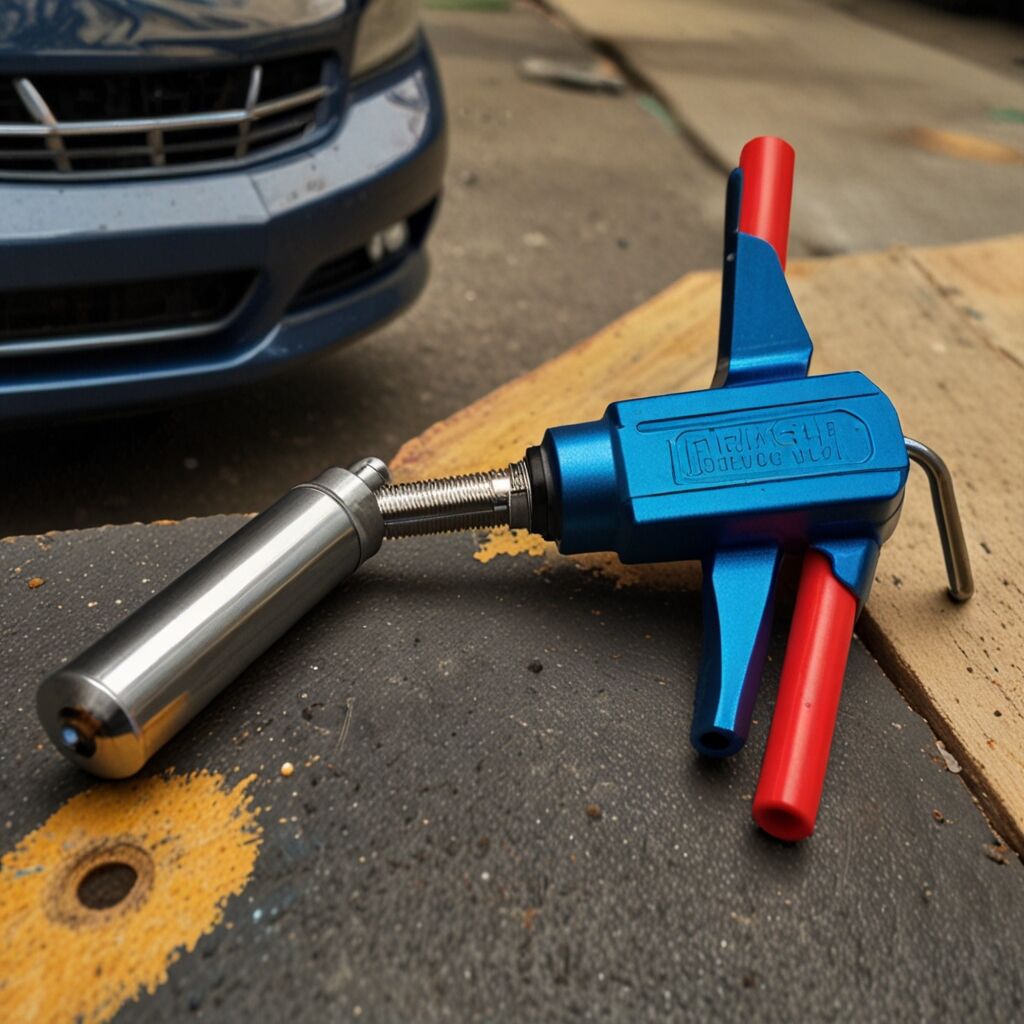
Quality maintenance supplies significantly impact puller tool longevity and performance. Reputable suppliers include automotive tool distributors, marine supply stores, and specialized equipment dealers who stock professional-grade cleaning solvents, lubricants, and replacement components. Look for products specifically designed for metal tools exposed to harsh conditions, including rust inhibitors, penetrating oils, and high-temperature greases. Price ranges typically span $15-40 for cleaning supplies and $25-60 for premium lubricants, with bulk purchasing reducing per-unit costs for high-volume operations.
Selecting Appropriate Maintenance Products
Maintenance product selection requires matching chemical properties to specific puller materials and operating conditions. Aluminum components need non-corrosive cleaners, while steel parts benefit from rust-inhibiting formulations. Hydraulic systems require compatible fluids that maintain sealing properties and pressure ratings. Analyzing price points and value considerations helps balance quality requirements with budget constraints for sustainable maintenance programs.
Who Benefits from Regular Puller Maintenance
Regular puller maintenance benefits diverse groups within the automotive industry and enthusiast community. Professional auto body technicians rely on consistent tool performance for quality repairs and customer satisfaction. Independent mechanics use maintenance schedules to minimize tool replacement costs and maximize productivity. DIY automotive enthusiasts benefit from extended tool life and improved repair success rates. Automotive technology students learn essential professional habits that enhance career prospects and technical competency.
Professional Applications and Career Benefits
Automotive professionals gain significant career advantages through systematic tool maintenance practices. Body shop owners reduce operational costs while maintaining service quality standards that attract repeat customers. Insurance adjusters and estimators rely on properly maintained tools for accurate damage assessments. Fleet maintenance managers use scheduled care to ensure consistent repair capabilities across multiple locations. Understanding various use cases for puller tools helps professionals optimize maintenance strategies for their specific applications.
Maintenance Impact on Repair Quality and Consistency
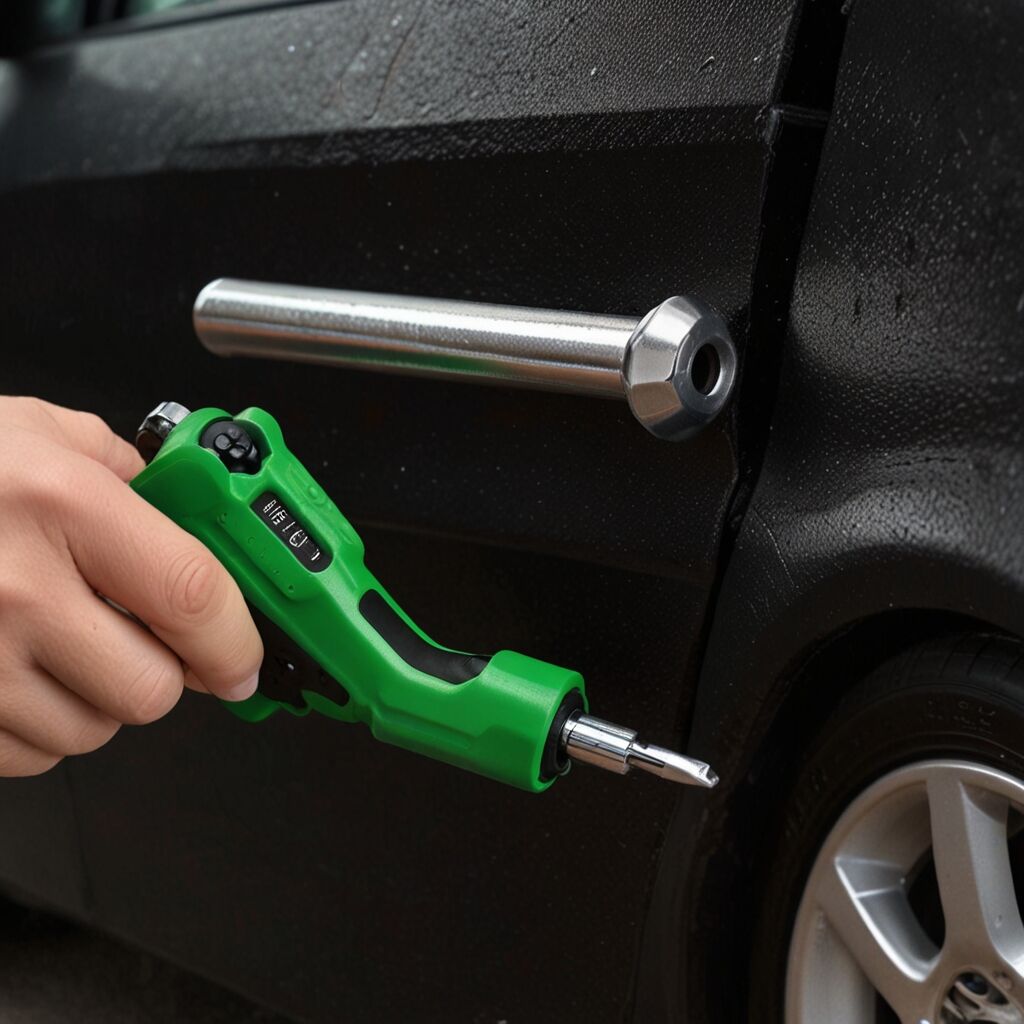
Tool maintenance directly influences repair quality and consistency in automotive applications. Well-maintained pullers deliver predictable force characteristics, enabling technicians to achieve consistent results across similar repairs. Proper maintenance prevents calibration drift that causes under-pulling or over-pulling, reducing rework rates and material waste. Clean, lubricated mechanisms operate smoothly, allowing precise control during delicate operations near paint lines or thin metal sections.
Measuring Maintenance Effectiveness
Maintenance effectiveness can be measured through several performance indicators. Repair cycle times remain consistent when tools operate at peak efficiency, indicating successful maintenance programs. Customer satisfaction scores improve when repairs meet quality expectations reliably. Tool replacement frequency decreases as maintenance extends operational lifespan beyond manufacturer projections. Understanding warranty coverage and protection helps establish baseline expectations for maintained versus unmaintained tool performance.
Maintenance Limitations and Common Challenges
Puller maintenance has inherent limitations that users should understand. Some wear patterns cannot be prevented through maintenance, particularly in high-stress applications or extreme environmental conditions. Maintenance cannot restore tools beyond their original design specifications or compensate for fundamental design flaws. Time and cost constraints may limit maintenance frequency in high-volume operations, requiring balance between thorough care and operational efficiency.
Overcoming Maintenance Challenges
Common maintenance challenges include time constraints, supply availability, and skill requirements for complex procedures. Solutions involve developing efficient maintenance routines, establishing reliable supplier relationships, and investing in staff training for proper techniques. Environmental factors like limited workspace or inadequate ventilation can complicate maintenance activities, requiring creative solutions or alternative procedures. Weighing advantages and disadvantages of different maintenance approaches helps optimize resource allocation.
Maintenance Costs and Investment Planning
Puller maintenance costs vary significantly based on tool types, usage frequency, and maintenance thoroughness. Basic maintenance supplies typically cost $30-75 monthly for small operations, while comprehensive programs may require $100-200 monthly investment. Labor costs for maintenance activities range from $25-50 per hour when performed by skilled technicians. However, maintenance costs typically represent 10-15% of tool replacement costs, making systematic care highly cost-effective for long-term operations.
Budget Planning for Sustainable Maintenance
Effective budget planning ensures sustainable maintenance programs without compromising quality or safety. Allocate 10-20% of annual tool budgets for maintenance supplies and activities. Consider bulk purchasing agreements for frequently used items like solvents and lubricants. Factor replacement part costs into long-term budgets, as some components wear despite proper maintenance. Making informed decisions about tool selection impacts long-term maintenance requirements and associated costs.