Puller operator training is specialized instruction that teaches automotive technicians how to use dent removal tools effectively. This comprehensive education typically involves hands-on practice with slide hammers, glue tabs, and lever systems, combined with theoretical knowledge about metal behavior and repair techniques. Most programs require 40-60 hours of instruction across multiple sessions.
What Puller Operator Training Covers and Why It Matters
Puller operator training focuses on developing essential skills for successful dent repair through systematic instruction. The training typically includes comprehensive coverage of dent removal techniques that enhance repair efficiency and improve outcomes significantly. Operators learn to master specific tools designed for stretching, pulling, and restoring metal surfaces to their original condition. Training emphasizes hands-on practice, helping participants understand how to work with various dent types, from shallow surface damage to deeper structural issues. Most effective programs require three to five focused sessions to ensure operators develop reliable, repeatable skills through guided practice and performance testing.
Essential Components That Make Training Effective
Effective puller operator training incorporates several critical components that directly influence repair quality and success rates. Participants gain proficiency with different tool categories, including slide hammers for structural pulls, glue tabs for paintless repairs, and lever systems for precision work. The curriculum emphasizes understanding metal memory and behavior, enabling operators to select optimal methods for each specific dent type and vehicle material. Operators practice essential skills like pressure control, surface assessment, and tool positioning to ensure consistently high-quality finishes. Programs often include realistic simulations and actual vehicle scenarios, helping trainees become comfortable with the physical and technical demands of professional dent repair work.
How Different Puller Techniques Work in Practice
Puller operations employ three primary techniques, each suited for specific damage types and repair scenarios. Glue pulling works effectively for shallow dents where paint integrity remains intact, using specialized adhesives and tabs to gradually restore surface contours. Metal pulling addresses larger, deeper damages through direct attachment methods, often involving stud welding or magnetic systems for maximum pulling force. Stud pulling serves structural repair needs, providing the strongest attachment points for severe damage restoration. Understanding these repair methods enhances both efficiency and quality outcomes across diverse repair scenarios.
Training Program Variations and Their Effectiveness
Comparison of puller operator training approaches reveals significant differences in methodology and outcomes between programs. Some emphasize hands-on workshop experience, while others prioritize theoretical foundation and certification requirements. The most effective programs combine both approaches, offering comprehensive skill development through structured learning phases. Course duration typically ranges from 2-5 days for basic certification, with advanced programs extending to 40-60 hours total instruction time. This extended timeframe allows adequate practice with various puller operation techniques, leading to measurably improved performance in real-world repair situations.
Technical Skills and Knowledge Areas Covered
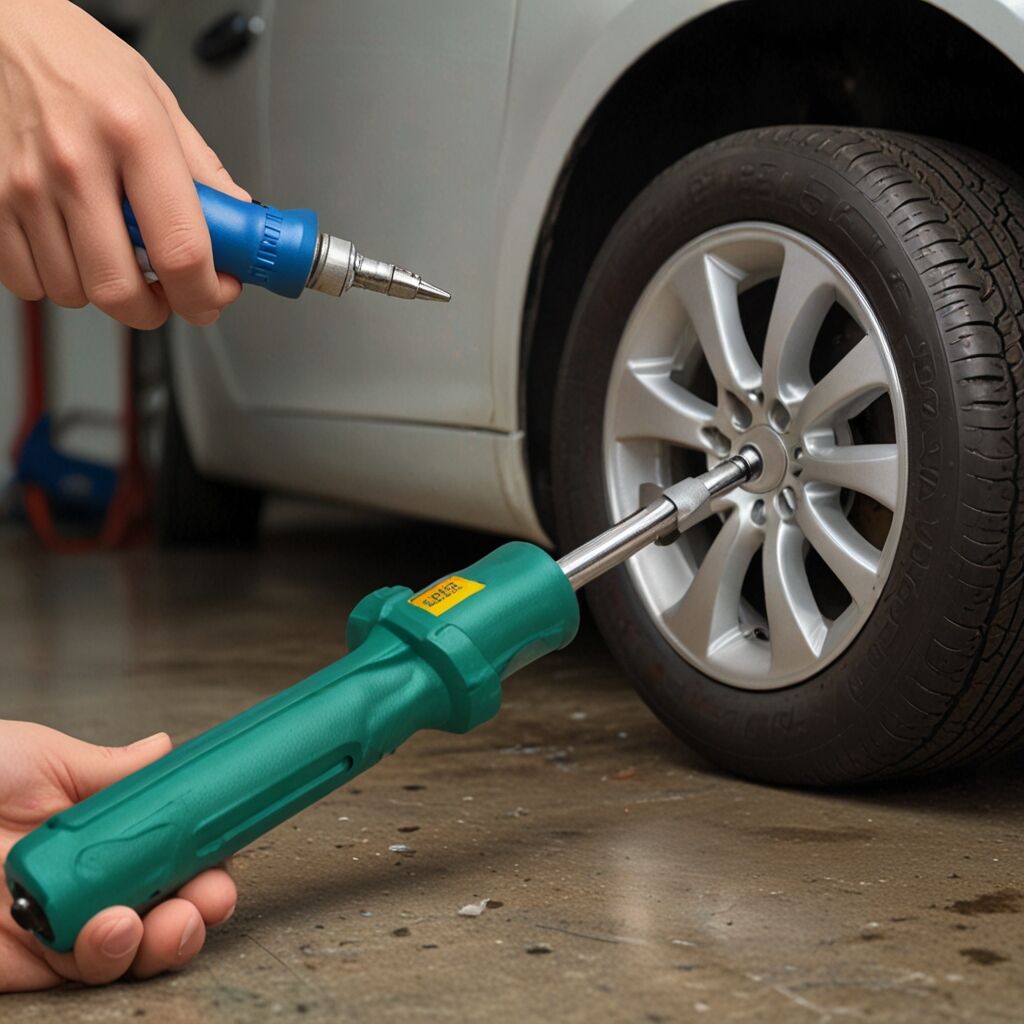
Effective puller operator training develops multiple technical competencies essential for consistent repair success. Critical skills include understanding dent dynamics, proper equipment selection based on damage assessment, and applying appropriate techniques for different metal types and vehicle designs. Operators gain extensive hands-on experience with specialized tools like glue pullers, bridge pullers, and stud welding equipment. The curriculum covers essential methodologies including controlled heat application for metal conditioning and applying consistent, measured pressure for efficient material restoration. Participants also learn warranty considerations and proper documentation practices to ensure service reliability and customer satisfaction.
Tools and Equipment Mastery Requirements
Comprehensive puller operator training includes detailed instruction on various specialized tools and their optimal applications for different repair scenarios. Operators become proficient with stud welding guns for maximum pulling force, dent lifters for precision surface work, and bridge systems for controlled pressure distribution. They master glue application techniques that maximize pulling efficiency while minimizing surface damage or paint disruption. Training methodologies typically include both controlled simulations and actual vehicle practice sessions, allowing operators to experience diverse repair challenges in supervised environments. Advanced heat gun techniques for managing metal memory and stress relief feature prominently throughout the curriculum, ensuring operators can handle complex restoration requirements reliably.
Investment Requirements and Training Duration
Puller operator training costs typically range from $500-2,000 for basic certification programs, with advanced or specialized courses reaching $3,000-5,000 depending on duration and certification level. Most entry-level programs require 40-60 hours of instruction time, spread across 5-10 days to allow skill development and practice integration. Factors affecting cost include instructor expertise, hands-on equipment access, certification credentials offered, and ongoing support resources provided. Many shops find that training investment pays for itself within 3-6 months through improved efficiency and reduced repair times. Some programs offer flexible scheduling options, including weekend intensives or extended part-time formats to accommodate working technicians’ schedules.
Return on Investment for Training Programs
Training investments typically generate measurable returns through multiple performance improvements across repair operations. Well-trained operators often complete repairs 25-40% faster than untrained technicians, directly impacting shop productivity and throughput capacity. Customer satisfaction improvements frequently result from more consistent, higher-quality repair outcomes that meet or exceed expectations. Reduced material waste and fewer repair errors contribute to cost savings that often offset training expenses within the first quarter after completion. Many shops report that comprehensive training programs help retain skilled technicians by providing career development opportunities and increased job satisfaction through improved competency and confidence.
Key Performance Improvements from Training
- Trained technicians typically show improved dent repair consistency and quality across diverse vehicle types.
- Most operators report increased confidence when handling complex or challenging repair scenarios.
- Shops investing in training often experience measurably reduced repair completion times.
- Customer satisfaction ratings frequently improve following technician skill enhancement programs.
- Well-trained staff contribute to improved overall shop efficiency and workflow management.
- Ongoing education helps technicians stay current with evolving industry techniques and standards.
- Regular skills workshops typically decrease costly mistakes and rework requirements significantly.
Why Professional Development Matters for Technicians
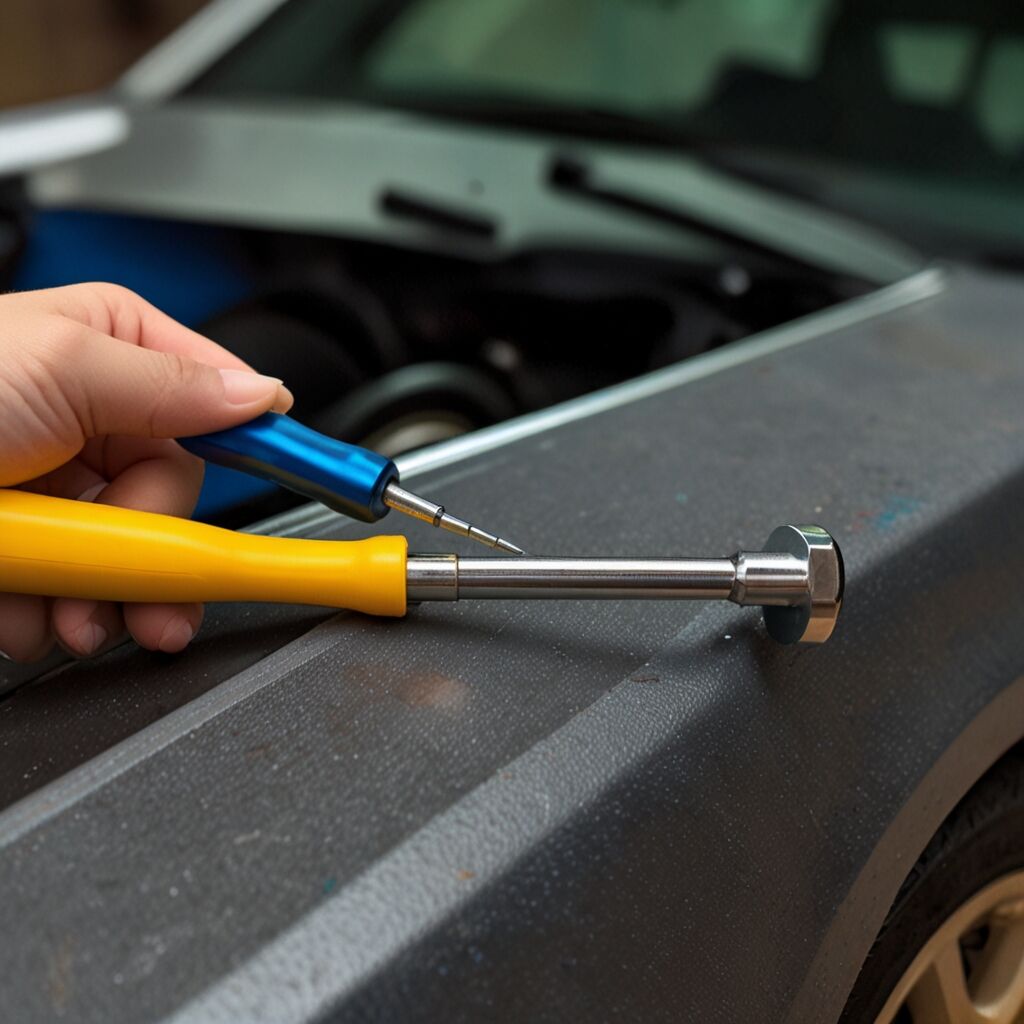
Puller operator training serves as crucial professional development for automotive technicians, directly enhancing repair quality while building technical confidence and competency. Proper instruction improves fundamental skills and ensures technicians can handle diverse dent removal challenges effectively across different vehicle types and damage scenarios. Comprehensive training includes hands-on experience with professional-grade tools, detailed technique reviews, and realistic simulations that mirror actual shop conditions. By enhancing repair quality and consistency, technicians maximize customer satisfaction while strengthening their professional reputation and career advancement opportunities. Structured training helps technicians develop systematic approaches to damage assessment and solution selection, enabling them to tackle complex challenges with greater efficiency and reliability.
Core Learning Components for Skill Development
Effective puller operator training includes comprehensive learning modules that systematically develop technical competencies for reliable dent removal success. Training typically covers multiple repair methodologies, including both traditional metal work and modern glue pulling techniques for different damage types. Each training module reviews current tools and emerging technologies designed to improve efficiency and expand repair capabilities. Technicians gain valuable real-world experience through structured hands-on practice, helping them become proficient and comfortable with various repair scenarios they’ll encounter professionally. Training sessions commonly span 8-12 hours daily over multiple days, offering thorough exploration of dent removal processes, best practices, and quality control measures essential for consistent professional performance.
Advantages of Advanced Techniques and Methods
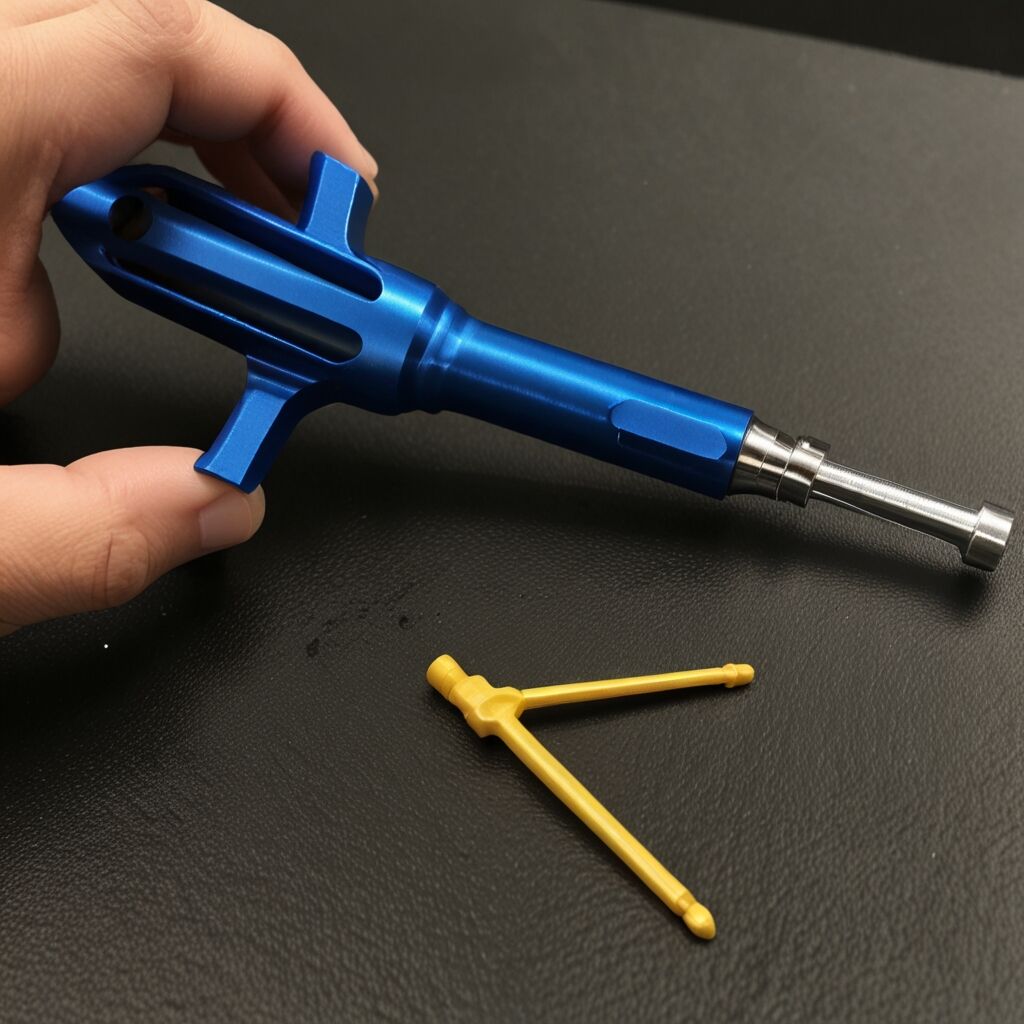
Advanced puller techniques significantly enhance repair efficiency and success rates, leading to consistently higher customer satisfaction across diverse vehicle types. These sophisticated methods, including precision heated glue application and optimized pulling angles, enable technicians to handle various dent sizes, depths, and locations that standard approaches cannot address effectively. With advanced techniques, technician experience and proper training become critical success factors for achieving professional-grade results. Specialized training in these areas provides essential skills that distinguish expert technicians from basic repair providers. Enhanced technical capabilities improve overall repair quality substantially, ensuring that finished work consistently meets or exceeds customer expectations while reducing completion times.
Specific Advanced Methods Used in Professional Repair
Professional technicians employ several sophisticated puller techniques that require specialized training and equipment mastery for optimal results. Precision glue pulling remains highly effective for shallow surface dents, particularly when combined with controlled temperature application for improved adhesive bonding. Heated puller systems enhance adhesion reliability while reducing cure times, making the overall process more efficient and predictable. Strategic use of double-sided adhesive tabs provides flexibility when working with challenging angles or limited access areas around vehicle contours. These advanced methods are specifically designed to provide reliable, repeatable results while minimizing paint damage risks. Overall, these sophisticated techniques offer proven improvements in repair quality, making comprehensive training essential for success in competitive body shop environments.
Common Challenges and Training Limitations
Puller operator training faces several practical limitations that can affect learning outcomes and skill development effectiveness. Limited access to diverse vehicle types during training may not prepare technicians for real-world variety in materials, panel designs, and damage scenarios they’ll encounter professionally. Training program quality varies significantly between providers, with some focusing primarily on theoretical knowledge while others emphasize hands-on practice, creating inconsistent skill development across the industry. Time constraints often prevent comprehensive coverage of advanced techniques, leaving technicians with basic skills but lacking confidence for complex repairs. Additionally, training equipment may not reflect current industry technology, potentially creating gaps between classroom learning and actual shop requirements.
Overcoming Training Challenges Effectively
Successful training programs address common limitations through strategic approaches that maximize learning effectiveness and practical skill development. Progressive curricula that combine theoretical foundation with extensive hands-on practice help ensure technicians develop both understanding and confidence for real-world applications. Access to diverse vehicle types and damage scenarios during training better prepares operators for the variety they’ll encounter professionally. Ongoing education and refresher programs help technicians stay current with evolving techniques and technologies in the rapidly advancing automotive repair industry. Mentorship programs pairing experienced technicians with trainees provide valuable guidance and practical insights that formal instruction alone cannot deliver effectively.
Structured Training Benefits for Repair Operations
- Enhanced technical skills enable precise and efficient dent removal across vehicle types.
- Comprehensive knowledge of advanced equipment and techniques improves repair capabilities significantly.
- Improved team coordination through shared learning experiences and common skill foundations.
- Increased safety awareness reduces workplace incidents and injuries during repair operations.
- Greater customer trust develops as service quality improves with skilled, trained operators.
- Continuous improvement culture emerges among dent repair professionals through ongoing education.
- Current knowledge of industry standards and innovations keeps technicians competitive and effective.
When Technicians Should Pursue Additional Training
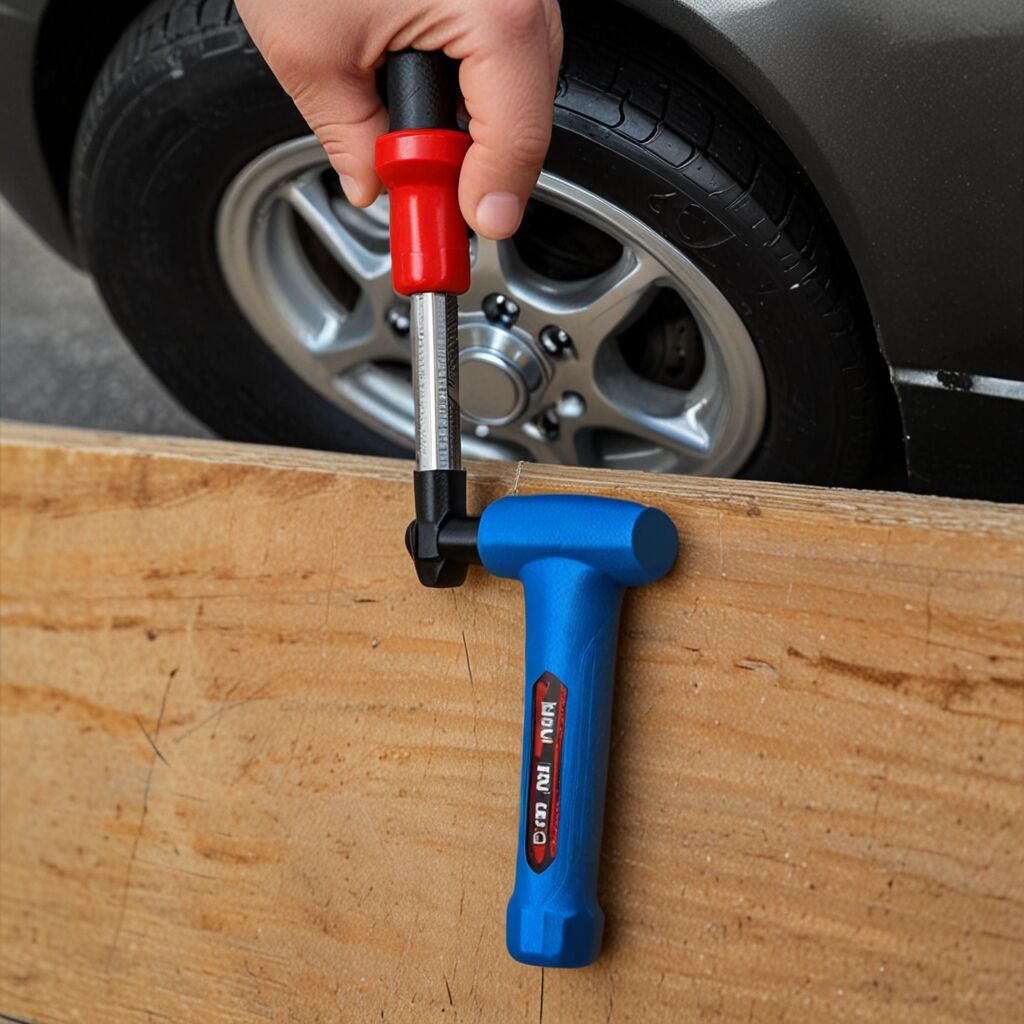
Identifying when puller operator training becomes necessary can significantly enhance dent removal success rates and professional competency. Common indicators include frequent difficulties effectively removing various dent types, suggesting inadequate foundational skills or outdated techniques. When technicians consistently rely on alternative methods instead of dedicated pulling techniques, this often signals need for improved technical training and equipment familiarity. Additionally, if technicians express uncertainty when working with complex vehicles, such as luxury models with advanced materials or high-performance vehicles with specialized panel designs, targeted training becomes essential for maintaining service quality and avoiding costly damage.
Specialized Skills for Complex Vehicle Types
Certain vehicles and damage types require specialized puller techniques that go beyond basic training requirements. Luxury vehicles often incorporate advanced materials, multi-layer paint systems, and sophisticated electronic components that necessitate precise handling to avoid expensive damage during repair processes. Complex dents in these vehicles commonly require multiple specialized steps and careful technique selection to restore original appearance without compromising structural integrity or finish quality. Training programs focusing on these advanced scenarios provide technicians with essential skills to handle unique challenges confidently. Comprehensive hands-on training through realistic simulations and actual luxury vehicle practice can significantly improve operator confidence and technical competence, ensuring they can manage real-world complexities effectively.
Locating Quality Training Programs and Providers
To locate reliable puller operator training programs, begin by exploring industry-recognized certifications and specialized courses offered through both online platforms and in-person instruction facilities. Many reputable organizations provide comprehensive training that combines hands-on practice with essential theoretical knowledge for complete skill development. Consider established institutions like I-CAR, which offers industry-standard certification programs recognized throughout the automotive repair industry. Researching program reviews and talking with past participants helps understand training effectiveness and real-world applicability. Furthermore, comparing course features, available training resources, program duration, and post-training support can guide selection of the best option that meets specific learning needs and career goals.
Online Versus In-Person Training Options
When evaluating puller operator training options, both online and in-person formats offer distinct advantages for different learning styles and practical requirements. Online training provides exceptional flexibility, allowing self-paced learning that accommodates working technicians’ schedules while offering cost-effective access to expert instruction. In-person training delivers valuable hands-on experience with actual tools and equipment, which enhances learning outcomes through direct practice and immediate instructor feedback. Programs typically range from 16-40 hours total instruction time, with hands-on components focusing on techniques essential for efficient, professional dent removal. Ensure any training provider maintains recognized industry certifications and demonstrates a strong track record of positive reviews from past participants. Combining both learning formats often provides the most comprehensive skill development, offering theoretical foundation alongside practical application experience.
Leading Training Organizations and Programs
- I-CAR provides comprehensive training modules for real-world applications and industry certification.
- ASA offers reputable online courses with flexible learning schedules and expert instruction.
- Dent Repair Academy specializes in advanced diagnostic tools for effective repair techniques.
- Professional Development Institute provides extensive support and resources for ongoing skill enhancement.
- Automotive Training Solutions focuses on both beginner and advanced technicians with tailored program options.
- National Institute for Automotive Excellence includes mentoring programs connecting experienced professionals with newcomers.
- Regional Automotive Education Centers offer workshops catering to different skill levels and specialized training needs.
Who Benefits Most from Puller Operator Training
Puller operator training provides significant value for automotive technicians, dent repair specialists, body shop managers, and service training professionals across the automotive industry. Enhanced skills in puller operation directly improve dent removal efficiency, which translates to better service quality, increased customer satisfaction, and improved shop profitability. Various sectors within the automotive industry, including collision repair shops, automotive service training institutions, and independent technicians, experience significant improvements in quality and operational reliability when employing well-trained operators. Effective puller operator training typically includes 3-5 focused learning phases to ensure comprehensive skill enhancement across diverse dent repair scenarios and challenges.
Industry Sectors Gaining Maximum Value
Collision repair facilities, automotive training schools, and experienced dent repair professionals gain substantial competitive advantages from comprehensive puller operator training programs. This specialized education directly improves efficiency with which technicians handle complex dent removal challenges across different vehicle types and damage scenarios. For example, collision repair facilities often report enhanced performance levels and reduced completion times when their technicians complete specialized puller operator training programs. This education not only increases repair process speed but also ensures that finished work consistently meets excellent quality standards that exceed customer expectations. Investing in comprehensive training represents a proven strategy for boosting overall service quality and maintaining competitive advantage in the demanding automotive repair marketplace.