Automotive pullers are specialized mechanical tools that safely remove pressed-on components like bearings, gears, and pulleys from shafts without damage. These essential extraction devices use controlled force through threaded mechanisms, hydraulic pressure, or slide hammer action to separate tightly fitted parts. Upgrading to modern puller systems significantly improves repair efficiency and reduces component damage during extraction processes.
What Are Automotive Pullers and How They Work
Automotive pullers are mechanical extraction tools designed to remove components that are pressed, threaded, or interference-fitted onto shafts, housings, or other automotive parts. These tools work by applying controlled pulling force through various mechanisms including threaded screws, hydraulic cylinders, or impact systems. The primary function involves gripping the target component securely while applying steady, even pressure to separate it from its mounting position without causing damage to surrounding parts or the component itself.
Core Operating Mechanisms of Puller Systems
Puller systems operate through three main mechanisms that determine their effectiveness. Threaded pullers use a central screw that advances through a bridge or frame, creating steady pulling force as the screw turns. Hydraulic pullers employ pressurized fluid to generate significant force, typically ranging from 5 to 20 tons for heavy-duty applications. Slide hammer pullers utilize kinetic energy from a sliding weight that impacts against a stop, creating sudden pulling force ideal for stubborn components. Each mechanism offers distinct advantages depending on the specific extraction challenge and available workspace around the target component.
Benefits of Upgrading Pullers for Automotive Repair
Upgrading automotive pullers delivers substantial improvements in repair efficiency, component safety, and overall job quality. Modern puller designs offer enhanced gripping systems that distribute force more evenly, reducing the risk of component damage during extraction. Advanced materials like heat-treated steel and precision-machined surfaces provide better durability and longer tool life compared to basic pullers. Upgraded systems typically feature interchangeable components, allowing one tool set to handle multiple applications rather than requiring separate tools for each task.
Quantifiable Performance Improvements from Modern Pullers
Professional mechanics report measurable improvements when upgrading to quality puller systems. Extraction time typically reduces by 30-50% compared to basic tools, particularly when dealing with corroded or tightly fitted components. Modern pullers handle pulling capacities from 1 ton for light automotive work up to 30 tons for heavy truck applications. Tool versatility increases significantly, with quality sets accommodating component sizes from 1/2 inch to 12 inches in diameter. These improvements translate to fewer damaged components and reduced overall repair costs for automotive service operations.
Overview of Different Types of Pullers Available
Several distinct puller types serve specific automotive repair applications, each engineered for particular component extraction challenges. Bearing pullers feature arms that grip behind the bearing race while a central screw applies pulling force to the shaft. Gear pullers use adjustable jaws to grasp gear teeth or hub surfaces, applying force through a central pushing screw. Hub pullers attach to wheel bolt holes, allowing safe removal of brake rotors and wheel hubs without damage to surrounding components.
Specialized Puller Categories for Advanced Applications
Advanced puller categories address specialized automotive extraction needs beyond basic component removal. Internal pullers work from inside hollow components like bearings or bushings, using expanding mechanisms to grip interior surfaces. Slide hammer pullers excel at removing components with limited access space, using impact force rather than steady pressure. Multi-purpose puller sets combine interchangeable arms, screws, and attachments to handle diverse extraction tasks with a single tool system. These specialized options provide solutions for complex automotive repair scenarios that standard pullers cannot address effectively.
Mechanics of Pullers and Best Practices for Use
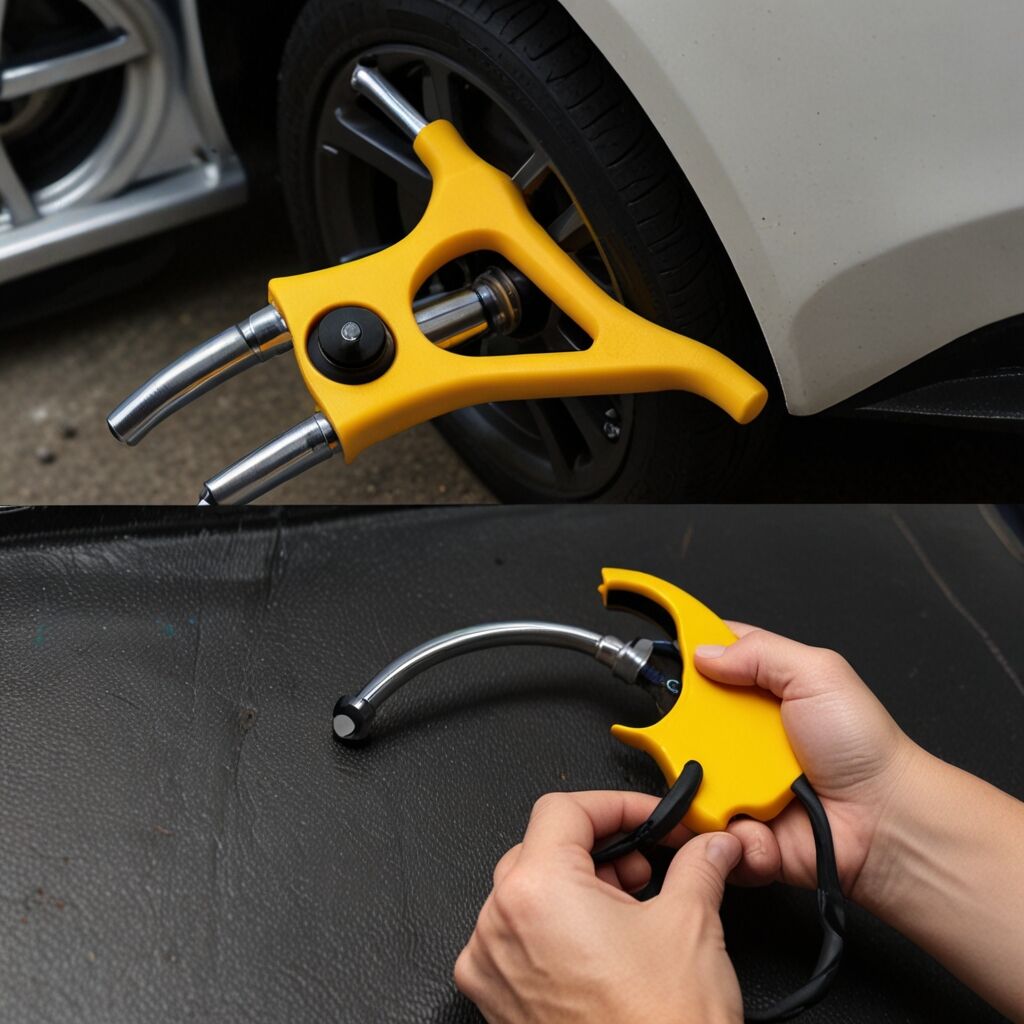
Understanding puller mechanics ensures safe, effective component extraction while minimizing damage to automotive parts. Proper puller selection begins with identifying the component material, size, and mounting method to determine appropriate force levels and gripping techniques. Force application should be gradual and steady rather than sudden or jerky, allowing the component to separate naturally as stress concentrates at the mounting interface. Heat application often assists extraction by expanding the outer component slightly, reducing interference fit pressure.
Safety Protocols and Damage Prevention Techniques
Safe puller operation requires adherence to specific protocols that protect both the technician and automotive components. Always inspect pullers for cracks, worn threads, or damaged gripping surfaces before use, as tool failure under load can cause serious injury. Apply pulling force gradually, monitoring for component movement or unusual sounds that might indicate impending failure. Support surrounding components to prevent damage if the extracted part suddenly releases. When working with aluminum or plastic components, use lower force settings and consider heating to reduce extraction stress. These practices ensure reliable extraction results while maintaining component integrity throughout the repair process.
Technical Specifications and Performance Ranges
- Automotive pullers typically handle loads from 1,000 to 50,000 pounds depending on design and construction materials.
- Thread pitches range from 1.0mm to 2.5mm for metric applications, with 16-20 threads per inch common in imperial systems.
- Jaw opening capacities vary from 2 inches for small bearing pullers to 24 inches for large industrial applications.
- Quality puller sets include 3-5 different arm lengths to accommodate various component accessibility requirements.
- Professional-grade pullers feature safety factors of 3:1 to 5:1, ensuring reliable operation below maximum rated capacity.
- Hydraulic puller systems generate up to 10,000 PSI pressure for maximum extraction force in compact designs.
- Multi-jaw configurations from 2-jaw to 5-jaw designs provide optimal gripping for different component geometries.
Importance of Upgrading Pullers in Automotive Repairs
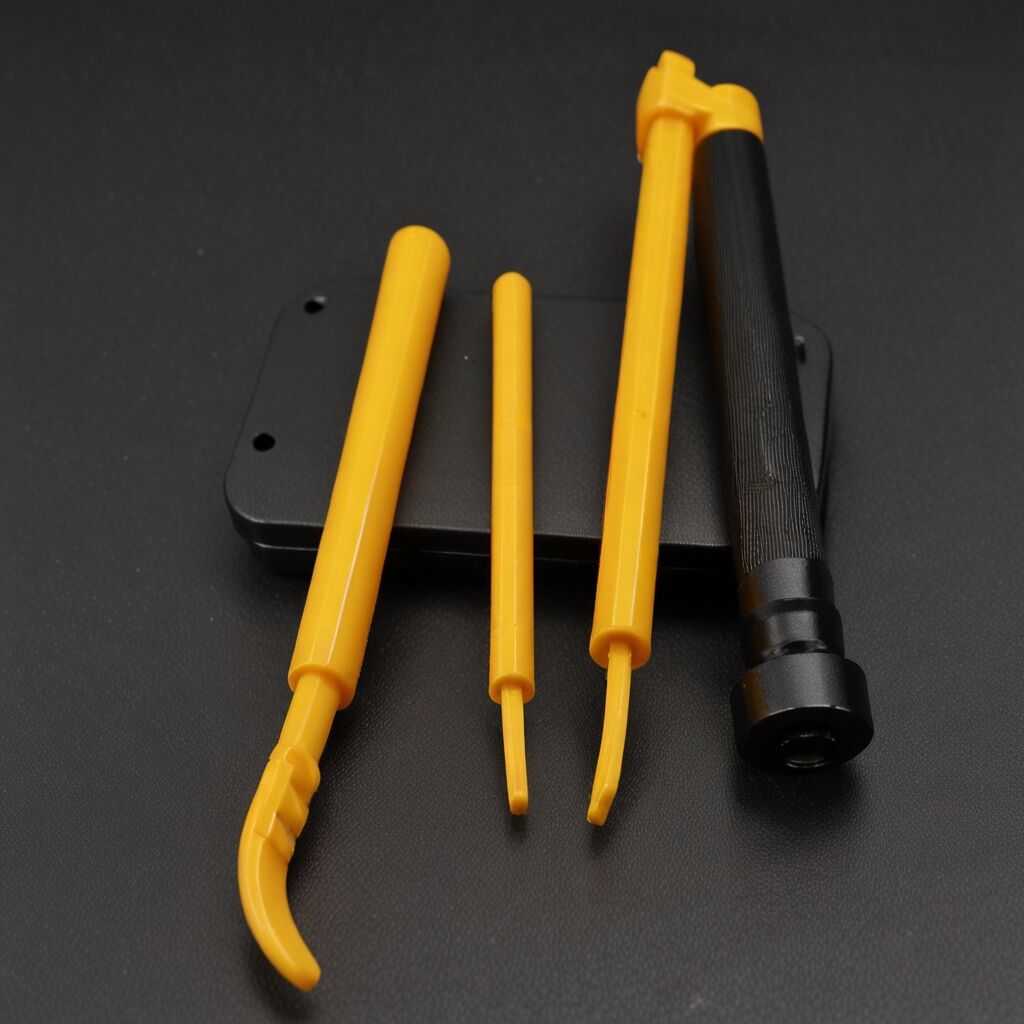
Upgrading automotive pullers becomes essential when repair demands exceed the capabilities of basic tool sets. Modern vehicles increasingly use advanced materials and precision-fitted components that require specialized extraction techniques beyond conventional puller capabilities. Upgraded pullers offer improved material compatibility, handling both traditional steel components and modern aluminum, composite, and high-strength steel parts without damage. Professional repair environments benefit from the reliability and versatility that upgraded tools provide, reducing comeback repairs and improving customer satisfaction.
Cost-Benefit Analysis of Puller Upgrades
The financial justification for puller upgrades becomes clear when considering the total cost of ownership and repair quality improvements. Quality puller sets typically cost between $200-$800 for professional-grade options, representing a significant investment that pays dividends through reduced component damage and improved efficiency. Upgraded tools prevent costly component replacement due to extraction damage, with bearing replacements alone often exceeding $100-$500 per incident. Time savings from efficient extraction can improve shop productivity by 15-25%, allowing more jobs to be completed daily. These factors combine to justify puller upgrades within months of regular automotive repair work.
When to Consider Upgrading Your Pullers
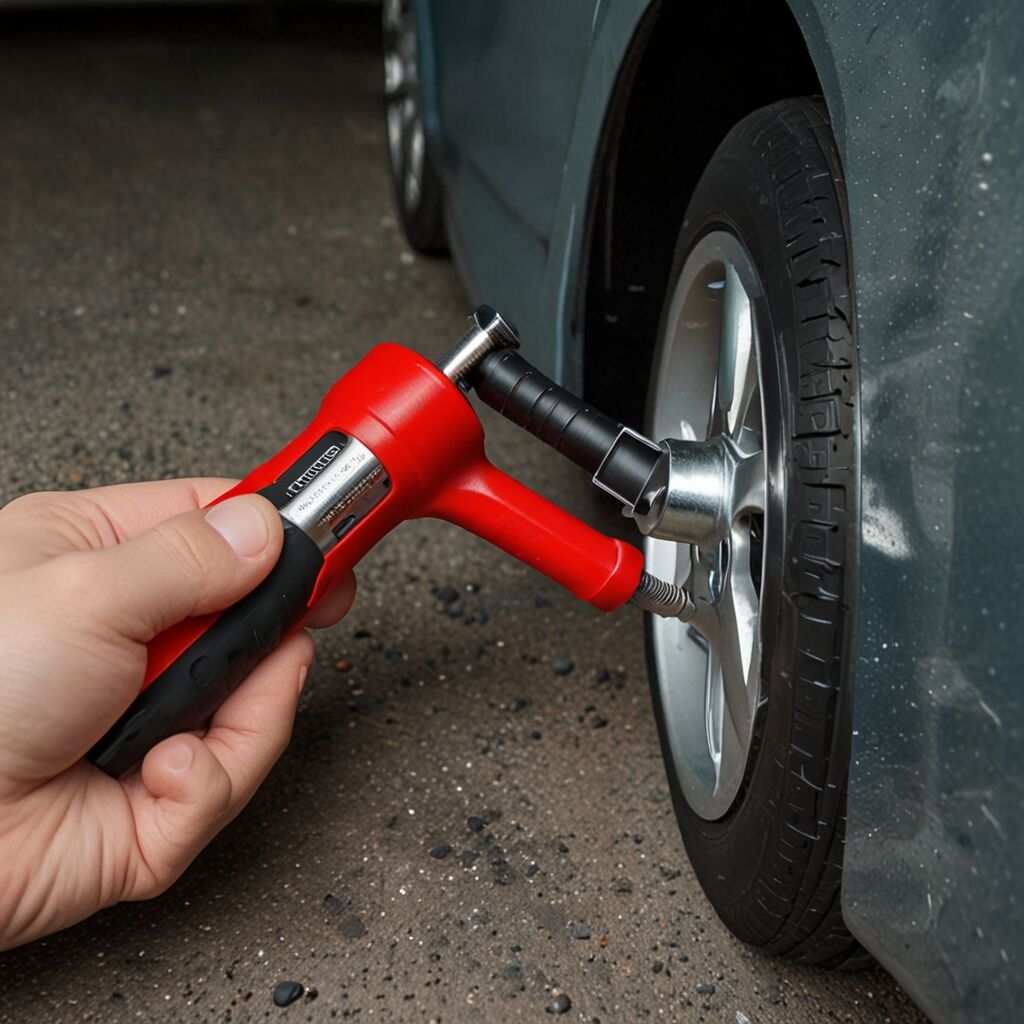
Several clear indicators signal the need for puller upgrades in automotive repair operations. Frequent component damage during extraction indicates that current tools lack the precision or force control necessary for modern automotive applications. Tool failure or slippage during use suggests that existing pullers cannot handle the forces required for contemporary vehicle components. Inability to access certain components due to design limitations restricts repair capabilities and may require referral to other shops, representing lost revenue opportunities.
Warning Signs That Indicate Immediate Upgrade Needs
Specific warning signs clearly indicate when puller upgrades cannot be delayed without affecting repair quality and safety. Visible damage to puller components such as bent arms, stripped threads, or cracked frames compromises tool integrity and creates safety hazards. Repeated slippage during extraction operations indicates inadequate gripping force or worn contact surfaces that cannot maintain secure component engagement. Limited force capacity that prevents extraction of modern press-fit components forces alternative methods that may damage surrounding parts. Recognition of these warning signs enables proactive tool replacement before critical repair failures occur, maintaining consistent repair quality and minimizing unexpected tool-related delays in automotive service operations.
Upgrade Decision Factors and Timing Considerations
- Tool age exceeding 5-7 years in professional use typically indicates reduced reliability and outdated design features.
- Repair volume increases that stress existing tools beyond their intended duty cycle require capacity upgrades.
- New vehicle technology adoption in service area demands compatible extraction tools for modern components.
- Customer complaints about component damage during service highlight inadequate extraction tool capabilities.
- Shop expansion or specialization requires specialized puller types for new service offerings.
- Safety incidents related to tool failure mandate immediate replacement with higher-quality alternatives.
- Competitive pressure from shops with superior tool capabilities threatens customer retention and pricing power.
Finding Quality Pullers and Accessories Online
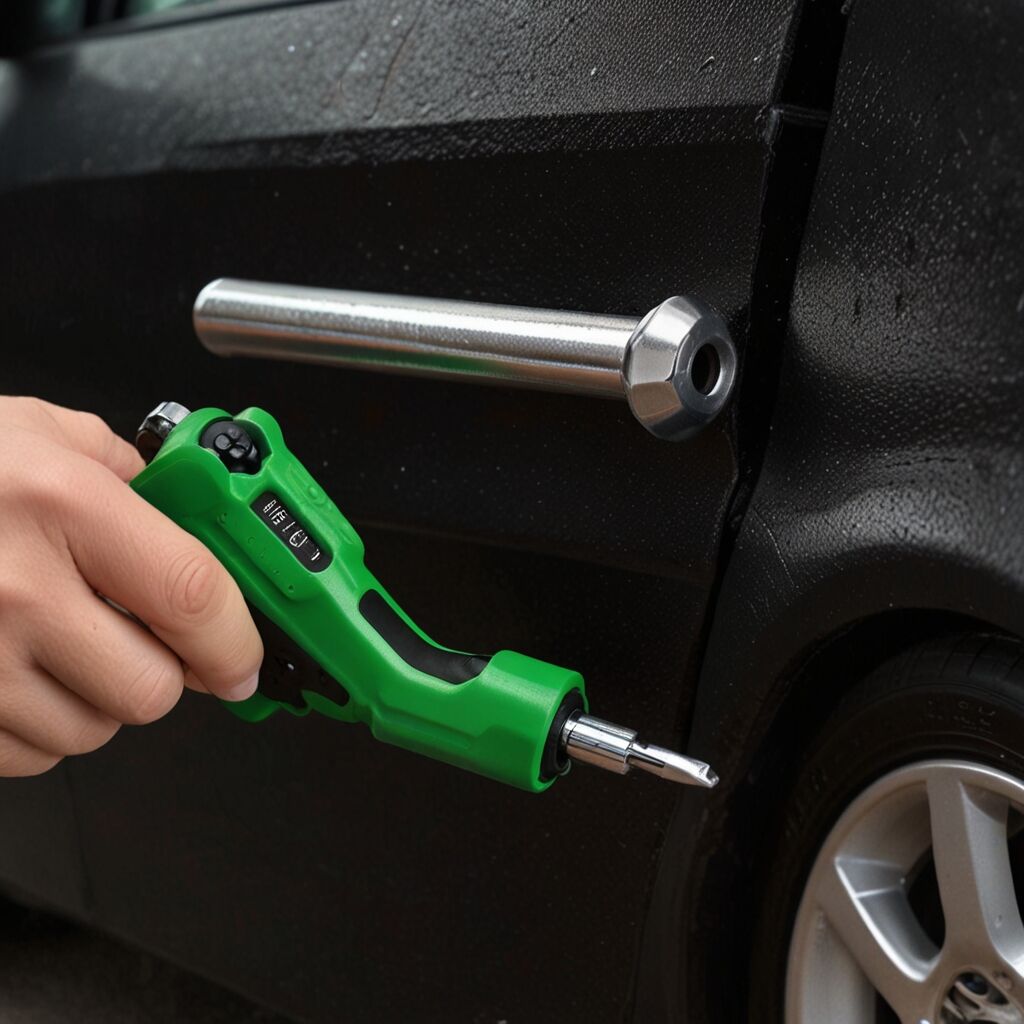
Sourcing quality automotive pullers online requires careful evaluation of supplier reputation, product specifications, and customer feedback to ensure reliable tool performance. Established automotive tool suppliers like Snap-on, Mac Tools, and Matco offer professional-grade pullers with comprehensive warranties and technical support. Online marketplaces provide access to diverse brands and competitive pricing, but require careful verification of seller credentials and product authenticity. Technical specifications should be thoroughly reviewed to ensure compatibility with intended applications and force requirements.
Evaluation Criteria for Online Puller Purchases
Successful online puller purchases depend on systematic evaluation of multiple factors that influence tool performance and longevity. Material specifications should clearly indicate heat-treated steel construction, precise machining tolerances, and appropriate safety factors for intended applications. Customer reviews provide valuable insights into real-world performance, durability, and potential design limitations not apparent from specifications alone. Warranty coverage and return policies protect against defective products and ensure recourse if tools fail to meet performance expectations. Supplier technical support availability helps resolve application questions and ensures proper tool selection for specific automotive repair requirements and component extraction challenges.
Limitations and Considerations When Using Automotive Pullers
Automotive pullers have inherent limitations that must be understood to prevent component damage and ensure safe operation. Force limitations restrict the maximum extraction capability, with most automotive pullers limited to 5-15 tons of pulling force, insufficient for some heavy-duty truck or industrial applications. Access restrictions in modern vehicle designs may prevent proper puller positioning, requiring alternative extraction methods or specialized tools. Material compatibility issues arise when using steel pullers on aluminum or composite components, potentially causing galvanic corrosion or stress concentration damage.
Cost Considerations and Alternative Methods
Cost considerations significantly impact puller selection decisions, particularly for occasional-use applications or budget-constrained operations. Professional-grade puller sets range from $500-$2,000, representing substantial investment for small shops or DIY enthusiasts. Rental options provide access to specialized pullers for infrequent use, typically costing $50-$150 per day depending on tool complexity. Alternative extraction methods like heat application, penetrating oils, or specialized cutting tools may provide more cost-effective solutions for specific applications. However, these alternatives often require additional time and may increase component damage risk compared to proper puller use. Understanding these limitations helps automotive technicians select appropriate extraction methods based on specific repair requirements and available resources.
Target Audience for Upgraded Puller Tools
Professional automotive technicians represent the primary market for upgraded puller tools, requiring reliable equipment that handles diverse extraction challenges in daily repair operations. Independent repair shops benefit significantly from puller upgrades, as tool reliability directly affects customer satisfaction and repair turnaround times. Fleet maintenance operations need robust pullers capable of handling heavy-duty applications and frequent use cycles. DIY automotive enthusiasts with advanced skills and regular project involvement justify puller investments through improved repair capabilities and component preservation.
Specific Applications Across Different User Categories
Different user categories require specific puller capabilities tailored to their unique operational requirements and skill levels. Transmission specialists need heavy-duty pullers for removing torque converters, pump assemblies, and internal components under high stress conditions. Engine rebuilders require precision pullers for harmonic balancer removal, timing gear extraction, and bearing race removal without cylinder block damage. General automotive technicians benefit from versatile puller sets that handle routine maintenance tasks like alternator pulley removal, power steering pump extraction, and suspension component servicing. Each category demands different force capabilities, component compatibility, and ease of use factors that influence optimal tool selection for their specific automotive repair applications and operational environment.
Professional vs. DIY Puller Requirements
- Professional shops require puller sets with 10-20 different configurations to handle diverse customer vehicles and repair types.
- Daily-use operations demand tools with duty cycles exceeding 100 extractions per week without performance degradation.
- DIY enthusiasts typically need 3-5 basic puller types covering common maintenance and restoration project requirements.
- Professional applications require quick-change systems that minimize setup time between different extraction operations.
- Home garage use prioritizes storage efficiency and multi-purpose capabilities over specialized professional features.
- Commercial operations need tools with traceable calibration and safety certifications for liability protection.
- Hobbyist applications focus on cost-effectiveness and occasional-use durability rather than maximum performance specifications.
Current Trends and Innovations in Puller Technology
Modern puller technology incorporates advanced materials and design innovations that significantly improve extraction efficiency and component safety. High-strength alloy steels provide greater force capacity in lighter, more compact tool designs that improve accessibility in cramped engine compartments. Modular puller systems allow rapid configuration changes through quick-disconnect components, reducing setup time and improving versatility. Hydraulic assistance integration provides precise force control and higher extraction capabilities while maintaining compact tool dimensions suitable for automotive applications.
Future Developments and Emerging Technologies
Emerging technologies promise further improvements in automotive puller design and functionality over the next several years. Digital force monitoring systems provide real-time feedback on extraction loads, preventing component damage through excessive force application. Smart tool integration with diagnostic systems enables automatic puller selection based on component identification and manufacturer specifications. Advanced coating technologies reduce friction and prevent galvanic corrosion when extracting dissimilar metals. These innovations will continue improving extraction safety, efficiency, and component preservation in automotive repair operations. Industry experts predict that integrated diagnostic capabilities will become standard features in professional-grade puller systems within the next decade.