Repair automation integration enhances dent puller operation efficiency by streamlining processes in automotive repairs. This advancement allows technicians to achieve quicker, more precise results, minimizing downtime and improving overall productivity. ExtremeSpec Auto explores how these innovations in dent repair technology optimize workflows and elevate service quality, providing invaluable insights for repair technicians and shop owners alike.
Understanding Repair Automation and Its Role in Automotive Repair
Repair automation refers to using technology to perform automotive repair tasks with minimal human intervention. This technology includes specialized sensors, computerized monitoring equipment, and robotic pulling devices designed to streamline dent removal processes. Repair automation plays a crucial role in the automotive industry by improving reliability and reducing manual errors while delivering faster turnaround times and higher-quality repairs. These systems help technicians analyze vehicle damage patterns and determine optimal repair approaches through data-driven insights rather than guesswork.
Establishing a repair automation system for dent pulling operations typically involves five key steps: damage assessment, equipment planning, system implementation, performance testing, and staff training. The assessment phase involves evaluating current workflow bottlenecks and identifying areas where automation can provide the greatest impact. Planning includes selecting appropriate equipment based on shop size, typical damage types, and budget constraints. Implementation requires careful integration with existing tools and workspace configuration.
Key Technologies Enhancing Repair Automation
Key technologies enhancing repair automation in dent pulling operations include specialized AI algorithms, advanced sensor systems, and computerized force measurement tools. These elements work together to analyze vehicle structure and determine optimal repair techniques without relying on technician guesswork. Advanced sensors detect metal thickness, stress patterns, and deformation angles to guide precise force application during the pulling process.
Machine learning integration enables these automation tools to learn from previous repairs, constantly improving their performance recommendations. The technology considers factors such as metal composition, panel complexity, and damage severity when suggesting repair approaches. Automotive repair shops can expect substantial productivity improvements by adopting these automated dent repair solutions, though results vary based on implementation quality and technician training.
The Benefits of Streamlining Dent Puller Operations for Efficiency
Integrating repair automation into dent pulling operations brings multiple advantages including improved efficiency, enhanced accuracy, and better cost management. With automation assistance, technicians often reduce labor time significantly, allowing them to complete more repairs daily while maintaining consistent quality standards. Automation also enhances accuracy by minimizing human error through precise measurements and controlled force application.
These automated dent pulling systems ensure consistent measuring and positioning, leading to better overall results and improved customer satisfaction. Cost-effectiveness represents another vital benefit as automation helps repair shops optimize labor allocation while improving service speed. However, shops must consider initial investment costs, ongoing maintenance requirements, and staff training needs when evaluating automation solutions.
Enhancing Repair Accuracy with Automation Technology
Automation technology proves crucial for enhancing repair accuracy in dent pulling operations. Purpose-built automation equipment provides consistent and precise results that manual methods struggle to achieve reliably. These automated systems use multiple sensors and advanced software to accurately determine necessary pull points, force requirements, and optimal approach angles on vehicle surfaces.
Operators typically use these systems for faster damage assessment and repair verification processes. As car designs become increasingly complex with advanced materials and construction techniques, having reliable automated assistance helps technicians navigate new challenges effectively. The implementation of repair automation reduces the risk of causing additional damage during the pulling process, though limitations include higher upfront costs and the need for specialized training.
How Repair Automation Equipment Operates in Dent Pulling
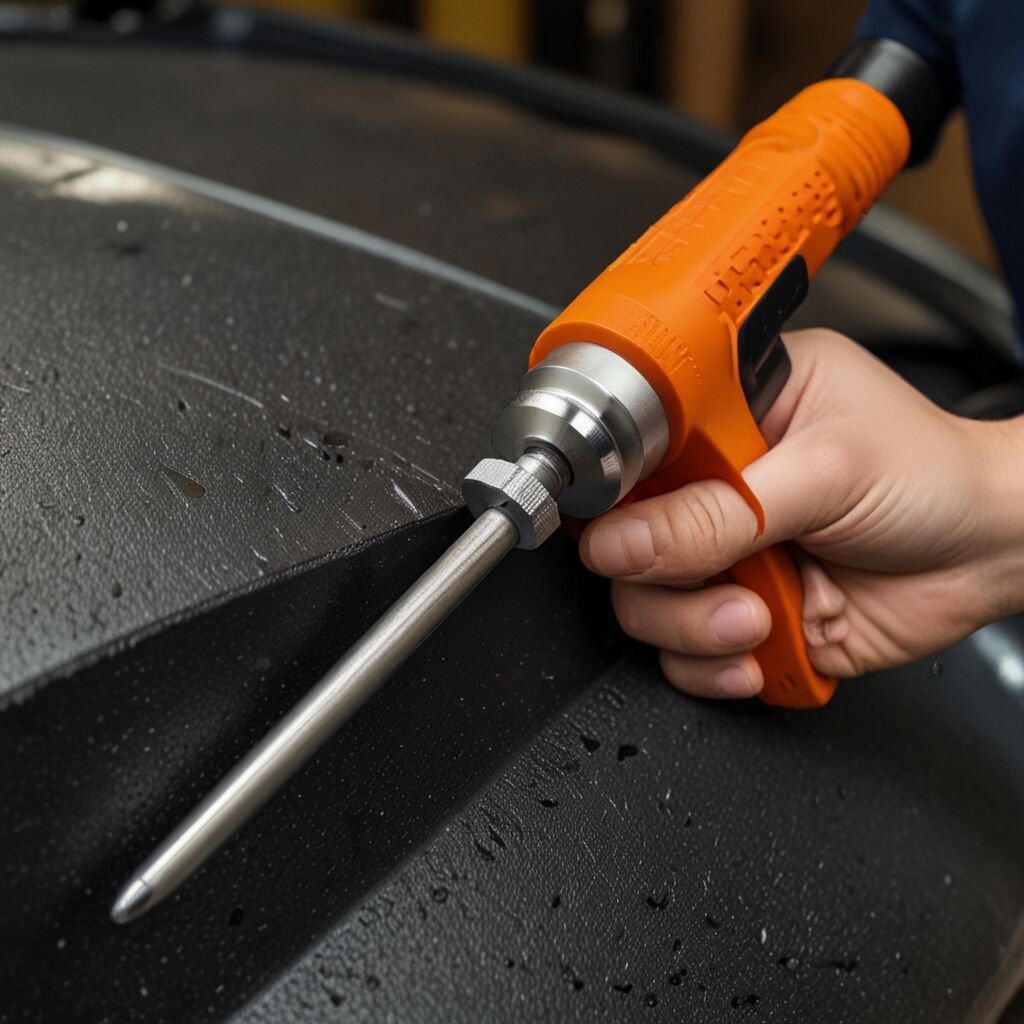
Repair automation equipment uses advanced technologies including sensors, monitoring software, and controlled pulling mechanisms to enhance the dent removal process. These systems include automated pulling equipment designed to precisely manipulate and restore car body panels through calculated force application. Various components such as heat application tools, vacuum suction devices, and computerized feedback systems work together to provide reliable results.
The integration of these technologies improves efficiency by reducing manual effort and time spent on each repair. Automated dent pulling equipment can help technicians complete repairs more quickly compared to traditional manual methods, though actual time savings depend on damage complexity and operator experience. This enhanced workflow helps reduce labor costs and improves overall shop productivity.
Key Components of Dent Pulling Automation
Key components of dent pulling automation include heat application tools, controlled suction devices, and computerized monitoring systems that work together seamlessly. Heat application tools help soften metal surfaces, making deformation easier to correct. Controlled suction devices create precise grip patterns on damaged areas, applying measured force to restore original panel shape.
Computerized monitoring systems provide real-time feedback about force application, metal stress levels, and repair progress, ensuring both reliability and safety. This combination of components facilitates a streamlined process that supports effective repair outcomes and quality results. Research from industry sources indicates that using these advanced features can lead to performance improvements and reduced repair times, though specific benefits vary based on damage type and technician skill level.
Limitations and Considerations for Repair Automation
While repair automation offers significant benefits, several limitations require careful consideration before implementation. Initial investment costs for quality automation equipment typically range from several thousand to tens of thousands of dollars, depending on system complexity and features. This substantial upfront expense can strain smaller shop budgets and requires careful financial planning.
Training requirements represent another significant consideration, as technicians must learn to operate sophisticated equipment effectively. The learning curve varies depending on existing technical skills and system complexity. Additionally, automation equipment requires regular maintenance, calibration, and potential software updates to maintain optimal performance.
When Automation May Not Be Suitable
Repair automation may not be suitable for shops with extremely low dent repair volume, as the investment may not provide adequate return. Very small damages or highly complex custom work often still requires manual techniques and experienced craftsman judgment. Shops working primarily with vintage vehicles or unusual materials may find automation less beneficial due to equipment limitations.
Technical support and parts availability also factor into suitability assessments. Remote locations or shops without reliable technical support access may face challenges maintaining automated equipment effectively. These factors should be weighed against potential benefits when considering automation implementation.
Key Considerations for Choosing Repair Automation Solutions
Choosing repair automation solutions for dent pulling involves evaluating several key factors including workshop requirements, available space, and typical workload patterns. Assess features that enhance dent pulling efficiency, such as pull strength capabilities, versatility across different damage types, and integration compatibility with existing equipment.
Analyze different manufacturers and their reputation for reliability based on industry reviews and user feedback. Cost represents a critical factor, with typical implementation ranging from moderate investments for basic systems to substantial expenditures for advanced automated solutions. Research different equipment options and review performance data to ensure quality and reliability meet shop requirements.
Evaluating Specific Features of Automation Equipment
When evaluating specific features of dent pulling automation equipment, focus on essential aspects like pull strength capabilities, user interface design, and technology compatibility requirements. Quality systems should support various dent sizes and shapes, providing flexibility for different repair scenarios. Equipment with adjustable pull settings proves beneficial for controlling force application during different stages of the repair process.
Look for durable construction quality, as this directly impacts longevity and ongoing maintenance costs. Equipment compatible with advanced automotive technology often offers improved performance and results. Ensure any automation solution integrates smoothly with existing workshop setups to minimize disruption during implementation.
Timing Your Implementation of Repair Automation in Dent Pulling
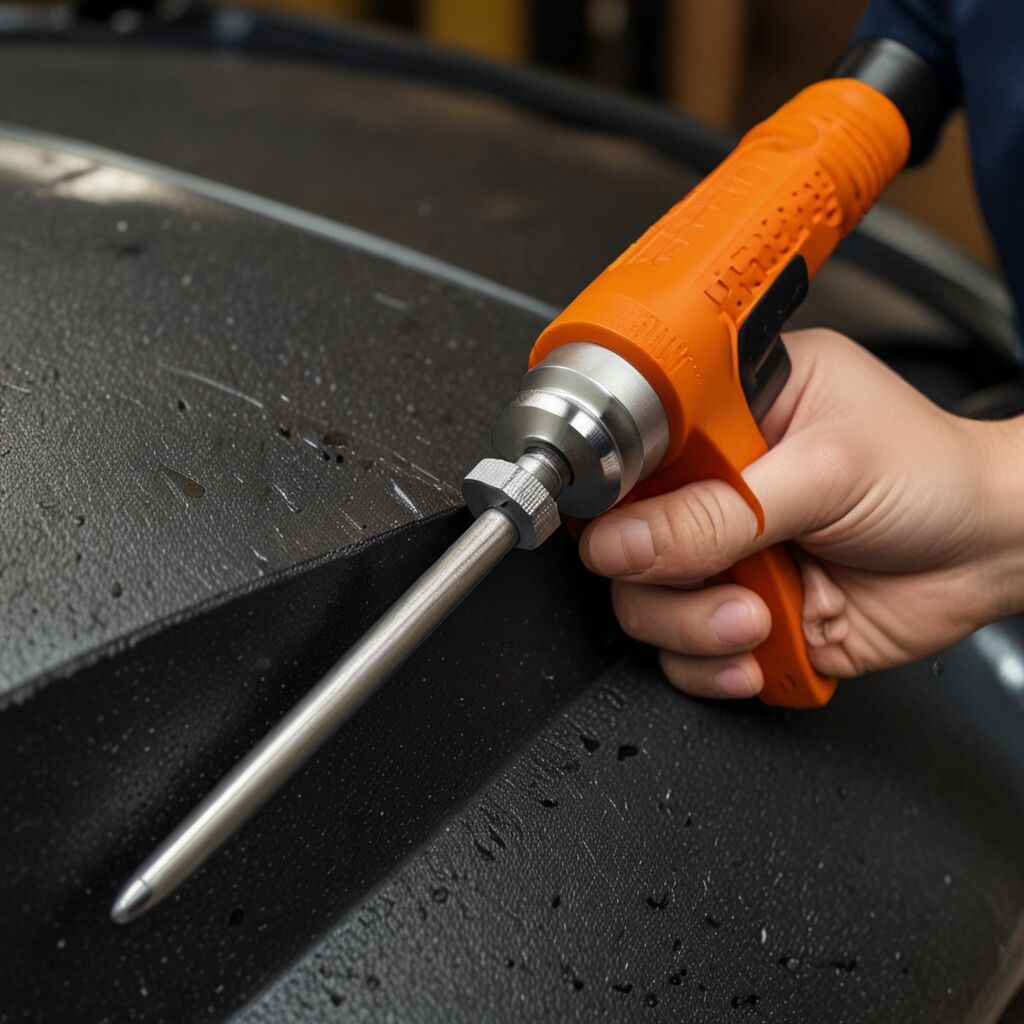
Identifying optimal timing for introducing repair automation in dent pulling relies on recognizing key business indicators. Look for signs of increasing workload, such as consistent repair backlogs or extended completion times, which suggest that automation could enhance operational efficiency. Compare available automation technologies to identify options that offer improved processes while maintaining quality standards.
Implementation timelines for automation equipment in dent pulling operations typically range from several days to several weeks, depending on system complexity, training requirements, and integration needs. Factors affecting timeline include equipment delivery, installation complexity, staff training duration, and initial calibration requirements.
Key Indicators for Introducing Automation
Monitoring specific business indicators helps determine optimal timing for transitioning to repair automation in dent pulling operations. Consistently long cycle times, declining customer satisfaction scores, or difficulty meeting delivery commitments indicate potential need for operational improvements.
Assess current workflow data, including average time spent on different types of dent pulling tasks and bottleneck identification. Analyze repair quality consistency and rework frequency to identify areas where automation could provide the most significant improvements. By examining these indicators, shops can identify appropriate automation solutions that address specific operational challenges while enhancing overall productivity.
Applicable Settings for Repair Automation in Automotive Repair
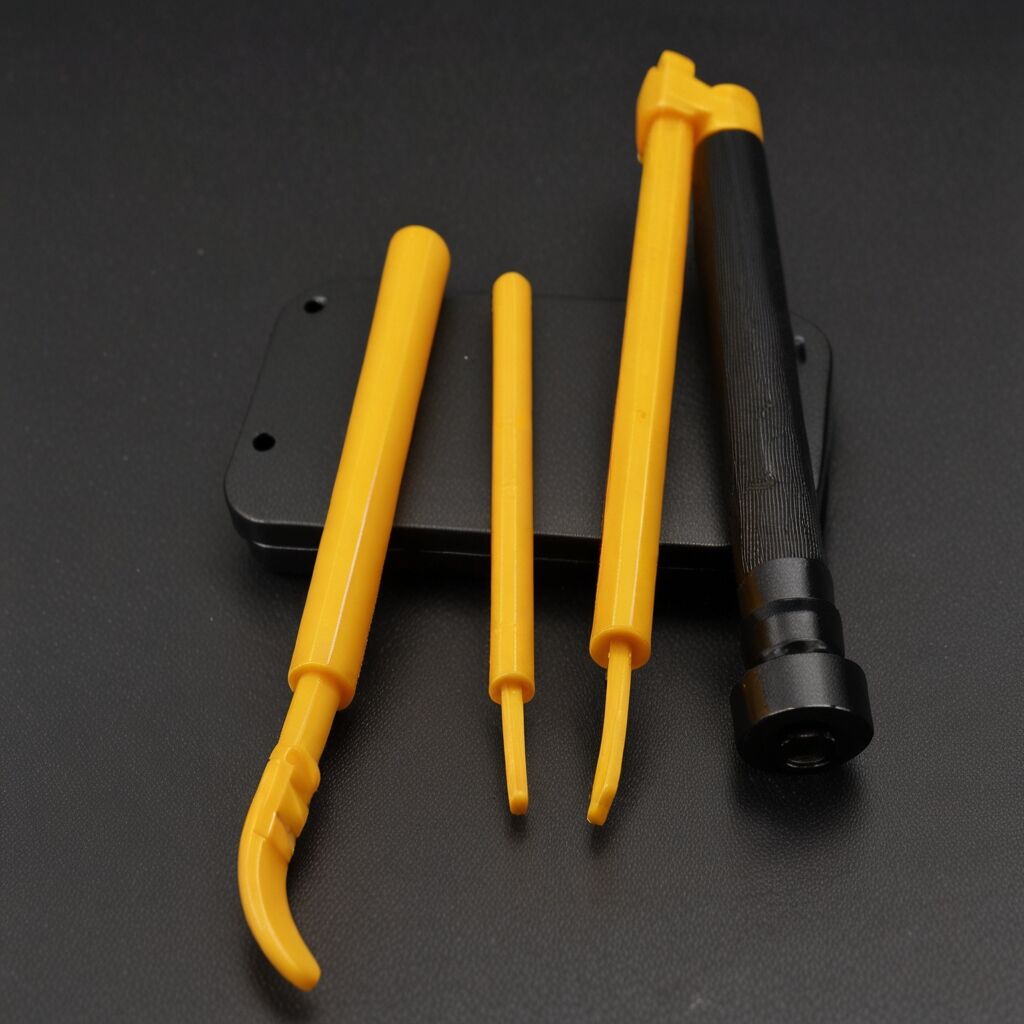
Repair automation proves beneficial across several key automotive repair environments including dent pulling operations, paint preparation processes, and quality finishing work. Each environment leverages specific automation tools to enhance efficiency and maintain consistent results. Dent pulling automation often incorporates sensor-equipped pullers and computerized monitoring equipment, ensuring accuracy while reducing manual workload demands.
Paint preparation areas can utilize automated surface analysis systems that provide consistent assessment and treatment recommendations. Quality finishing sections benefit from precision polishing equipment and automated inspection systems designed to handle detailed work efficiently. These automation tools typically streamline multiple related tasks, improving overall effectiveness across various vehicle repair processes.
Integrating Automation Tools in Dent Pulling Operations
Integrating automation tools in dent pulling operations provides measurable efficiency improvements when properly implemented. Sensor-equipped dent pullers monitor surface conditions and provide real-time feedback during repairs, leading to more reliable and precise adjustments. This technology enhances repair quality by reducing guesswork and providing consistent measurement data.
Automated assistance in dent pulling helps ensure consistent results while reducing the potential for human error. Advanced automation tools can manage multiple steps simultaneously, including pulling, measuring, and progress assessment functions. This comprehensive coverage enables technicians to focus on higher-level decision-making while automation handles repetitive measurement and monitoring tasks. Implementing these systems helps repair shops streamline operations and improve customer satisfaction through consistent quality delivery.
Identifying Stakeholders Who Benefit from Repair Automation
Repair automation integration in dent pulling benefits various automotive industry professionals in distinct ways. Dent repair technicians improve their efficiency and work quality by utilizing automation technologies for precise measurements and consistent results. Automotive repair shop owners gain from faster completion times, improved quality consistency, and enhanced customer satisfaction levels.
Automotive technology professionals contribute by designing and implementing innovative automation systems tailored to specific shop needs. Industry trainers and educators can incorporate these technological advancements into their curriculum to prepare future technicians. The collaborative environment created by repair automation demonstrates how technology integration enhances workplace performance across multiple roles.
Recognizing the Different Roles in Repair Automation
Understanding distinct stakeholder roles in repair automation implementation proves essential for successful integration. Dent repair technicians focus on day-to-day equipment operation and hands-on repair execution. Automotive repair shop owners manage business logistics, customer relations, and return on investment considerations.
Automotive technology professionals handle the technical aspects of software integration, hardware setup, and system optimization. Each role contributes unique perspectives to creating streamlined repair processes that enhance overall results. Recognizing these various roles helps stakeholders identify how automation can improve their specific functions while facilitating effective collaboration in achieving optimal dent pulling outcomes.
Emerging Trends in Repair Automation for Dent Pulling Operations
Current innovations in repair automation for dent pulling operations focus on advanced technologies including AI-driven analysis systems, sophisticated robotics, and Internet of Things (IoT) connectivity. Leading automotive technology companies continue developing innovative solutions that address evolving repair challenges and changing vehicle construction methods.
Industry reports suggest that efficiency improvements often occur with proper integration of automation equipment in dent pulling processes, though actual results depend on implementation quality and technician adaptation. These improvements typically enhance overall shop productivity through better workflow management and consistent quality delivery.
Key Automation Technologies Transforming Dent Pulling
Key automation technologies reshaping dent pulling operations include advanced robotics and AI-powered analysis systems that work together seamlessly. Robotic systems provide enhanced accuracy in force application and positioning, reducing the likelihood of human error during complex repairs. AI-powered solutions analyze damage patterns and suggest optimal repair strategies based on material properties and damage characteristics.
These technologies support dent repair technicians by improving workflow efficiency and elevating overall performance standards. With continued industry investment in research and development, trends indicate that automation in dent pulling could become increasingly common across professional workshops, though adoption rates will likely vary based on shop size, budget, and specialization focus.
For comprehensive equipment comparisons and detailed analysis of automation options, explore dent repair puller comparison tables and detailed pros and cons analysis to make informed automation decisions for your repair operations.