Dent puller inventory management is a systematic approach that tracks tool availability and condition in real-time through digital systems. This method helps automotive repair shops maintain organized inventories, reduce downtime, and enhance productivity by ensuring technicians access functional equipment when needed. Common systems include barcode scanners, RFID tracking, and software dashboards that monitor tool status continuously.
What Are Dent Pullers and Why Inventory Management Matters
Dent pullers are specialized automotive repair tools designed to remove dents from vehicle surfaces without requiring extensive bodywork or repainting. These tools work by creating controlled pulling force through various mechanisms including slide hammers, glue attachment systems, and pneumatic pressure. The primary types include slide hammers for heavy-duty repairs, glue pullers for precision work, and pneumatic systems for professional-grade efficiency.
Effective inventory management becomes crucial because dent pullers experience frequent use and wear. Without proper tracking, repair shops often face unexpected tool failures, leading to project delays and customer dissatisfaction. Professional dent puller comparison tools help shops evaluate which models provide the best durability and performance for their specific needs.
Types of Dent Pullers and Their Applications
Slide hammers excel at removing large dents and typically cost between $80-250 depending on build quality and included attachments. These tools work by creating repetitive impact force that gradually pulls the dented metal back to its original position. Glue pullers, ranging from $30-150, use specialized adhesive tabs that bond temporarily to the dent surface, allowing for precise pulling without surface damage.
Pneumatic dent pullers represent the professional tier, usually priced between $200-500, and offer consistent pulling force through compressed air systems. Each type serves different repair scenarios – slide hammers for structural damage, glue pullers for cosmetic repairs, and pneumatic systems for high-volume operations requiring speed and consistency.
How Dent Puller Inventory Systems Track Availability and Condition
Modern inventory management systems track dent puller availability through several technological approaches. RFID tags attached to each tool automatically register when equipment enters or leaves storage areas, providing real-time location data. Barcode scanning systems require manual check-in and check-out processes but offer detailed usage tracking and condition reporting capabilities.
These systems monitor tool condition through scheduled inspection protocols and user-reported maintenance alerts. Technicians typically scan tools before and after use, noting any performance issues or visible damage. Comprehensive testing procedures help evaluate when tools require maintenance or replacement.
Essential Features for Tracking Systems
Effective tracking systems include dashboard interfaces showing tool availability status, maintenance schedules, and usage patterns. Integration with work order systems helps predict tool needs based on scheduled repairs. Automated alerts notify managers when tools require inspection, maintenance, or replacement based on usage frequency or time intervals.
The most successful systems also track performance metrics, including repair success rates with specific tools and average completion times. This data helps shops optimize their tool inventory by identifying which dent pullers provide the best efficiency for different repair types.
Benefits of Effective Dent Puller Inventory Management
Proper inventory management provides multiple benefits for automotive repair operations. Reduced downtime occurs when technicians can quickly locate functional tools, typically improving productivity by 15-25% according to industry observations. Cost savings result from extending tool lifespan through proper maintenance tracking and preventing emergency replacement purchases.
Customer satisfaction improves through faster repair completion times and consistent quality results. When shops maintain well-conditioned tools, repairs proceed more smoothly, and customers experience shorter wait times. Understanding optimal use cases for different dent pullers helps ensure the right tool gets used for each specific repair situation.
Operational Efficiency Improvements
Shops implementing systematic inventory management typically see improved workflow organization. Technicians spend less time searching for tools and more time completing repairs. Standardized maintenance procedures ensure tools remain in peak operating condition, reducing the likelihood of mid-repair equipment failures.
Quality control benefits emerge as shops can track which tools produce the best results for specific dent types. This information guides future tool purchases and helps training programs focus on the most effective repair techniques using available equipment.
Limitations and Challenges of Current Systems
Inventory management systems face several limitations that shops should consider. Initial setup costs for comprehensive tracking systems typically range from $2,000-8,000 depending on shop size and technology choices. Ongoing maintenance requires dedicated staff time for data entry, system updates, and equipment monitoring.
Technology reliability can become problematic when barcode scanners malfunction or RFID systems experience interference. Human error in data entry leads to inventory discrepancies, while system complexity may overwhelm smaller shops with limited technical resources. Some shops find that simple manual tracking methods work better than sophisticated digital systems.
Common Implementation Challenges
Staff training requirements often exceed initial estimates, particularly for shops transitioning from manual systems. Resistance to change among experienced technicians can slow adoption of new tracking procedures. Integration challenges arise when inventory systems don’t communicate effectively with existing shop management software.
Maintenance costs for tracking equipment and software subscriptions add ongoing operational expenses. Evaluating the pros and cons of different inventory approaches helps shops choose systems that match their operational complexity and budget constraints.
Cost Analysis for Inventory Management Implementation
Implementing dent puller inventory management involves several cost categories that shops should budget for carefully. Basic barcode systems typically cost $500-1,500 for small shops, while comprehensive RFID solutions range from $3,000-10,000 depending on the number of tools tracked and software features required.
Software licensing fees usually run $50-200 monthly for cloud-based systems, while on-premise solutions require upfront purchases of $1,000-5,000 plus annual maintenance fees. Hardware costs include barcode scanners ($100-300 each), RFID readers ($200-800), and labels or tags ($2-15 per tool depending on technology chosen).
Return on Investment Considerations
Most shops see positive ROI within 12-18 months through reduced tool replacement costs and improved operational efficiency. Time savings from faster tool location typically justify system costs for shops with 5+ technicians. Preventing just one emergency tool purchase often covers monthly software fees.
Labor cost reductions emerge as technicians spend less time searching for equipment and more time on billable repair work. Detailed price analysis helps shops understand the total cost of ownership for both tools and tracking systems over time.
Who Should Implement Dent Puller Inventory Management
Automotive repair shops with 3+ technicians typically benefit most from systematic inventory management due to increased tool sharing and coordination needs. High-volume operations processing 20+ repairs weekly see the greatest efficiency gains from automated tracking systems. Shops specializing in collision repair or paintless dent removal rely heavily on tool availability and condition.
Independent shops may find simpler manual tracking methods sufficient, while dealership service departments often require integrated systems that connect with broader facility management software. Mobile repair services need portable tracking solutions that work reliably in field environments without consistent internet connectivity.
Decision Factors for Implementation
Shop size, repair volume, and tool inventory value help determine whether systematic management provides worthwhile benefits. Operations with tool inventories valued above $5,000 generally justify tracking investments. Shops experiencing frequent tool loss or damage incidents see immediate benefits from condition monitoring features.
Technical capability within the organization affects system choice, as sophisticated digital solutions require ongoing IT support. Simpler operations may prefer manual logbooks or basic spreadsheet tracking that doesn’t require specialized technical knowledge to maintain effectively.
When to Replace or Repair Dent Pullers
Dent pullers require replacement when structural components show cracks, bends, or excessive wear that affects pulling performance. Slide hammers with damaged weights or bent rods cannot generate consistent force and should be replaced immediately. Glue pullers with worn attachment surfaces or damaged heating elements typically need replacement rather than repair.
Repair makes sense for tools with worn but functional components like handles, minor surface damage, or replaceable parts such as suction cups or adhesive tabs. Professional-grade tools often justify repair costs due to their higher initial investment, while budget tools may cost more to repair than replace.
Inspection Guidelines and Replacement Timing
Regular inspection schedules help identify problems before tools fail during critical repairs. Weekly visual inspections should check for cracks, loose components, and proper operation. Monthly performance testing ensures tools maintain adequate pulling force and accuracy.
Replacement timing depends on usage frequency – high-use tools may need replacement every 18-24 months, while occasional-use equipment can last 3-5 years with proper maintenance. Understanding warranty coverage helps shops plan replacement schedules and budget for equipment updates appropriately.
Alternatives to Digital Inventory Management
Manual tracking methods provide viable alternatives for smaller operations or shops with limited technology budgets. Simple logbooks recording tool check-out, condition notes, and maintenance dates offer basic tracking without software costs. Color-coded tags or labels can indicate tool condition status and next inspection dates.
Pegboard systems with tool outlines help maintain organization and quickly identify missing equipment. Dedicated tool carts assigned to specific technicians provide individual accountability while maintaining centralized inventory visibility. Some shops use combination approaches, applying digital tracking to expensive tools while using manual methods for basic equipment.
Hybrid Tracking Approaches
Combining digital and manual methods often provides practical solutions for shops transitioning to systematic management. High-value tools like pneumatic systems get RFID tracking, while basic hand tools use simple check-out procedures. This approach allows gradual system expansion as budgets and comfort levels permit.
Mobile apps on tablets or smartphones offer middle-ground solutions between manual logbooks and comprehensive software systems. These approaches typically cost $20-50 monthly while providing basic digital tracking without extensive hardware requirements.
Common Mistakes in Dent Puller Management
Overcomplicating tracking systems represents the most frequent implementation mistake. Shops often choose sophisticated software that exceeds their actual needs, leading to unused features and unnecessary complexity. Inadequate staff training creates data accuracy problems and user resistance that undermines system effectiveness.
Neglecting maintenance schedules causes premature tool failure and safety hazards. Failing to establish clear procedures for tool check-in and check-out leads to inventory discrepancies and confusion. Some shops focus exclusively on tracking without addressing underlying organizational issues that cause tool problems.
Prevention Strategies for Common Issues
Starting with simple systems and gradually adding features prevents overwhelming staff and ensures proper adoption. Regular training sessions and clear written procedures help maintain system consistency. Establishing accountability measures encourages proper tool handling and accurate record-keeping.
Periodic system reviews help identify problems before they become serious issues. Frequently asked questions about dent puller management often reveal common implementation challenges that shops can address proactively through better planning and preparation.
Step-by-Step Implementation Guide
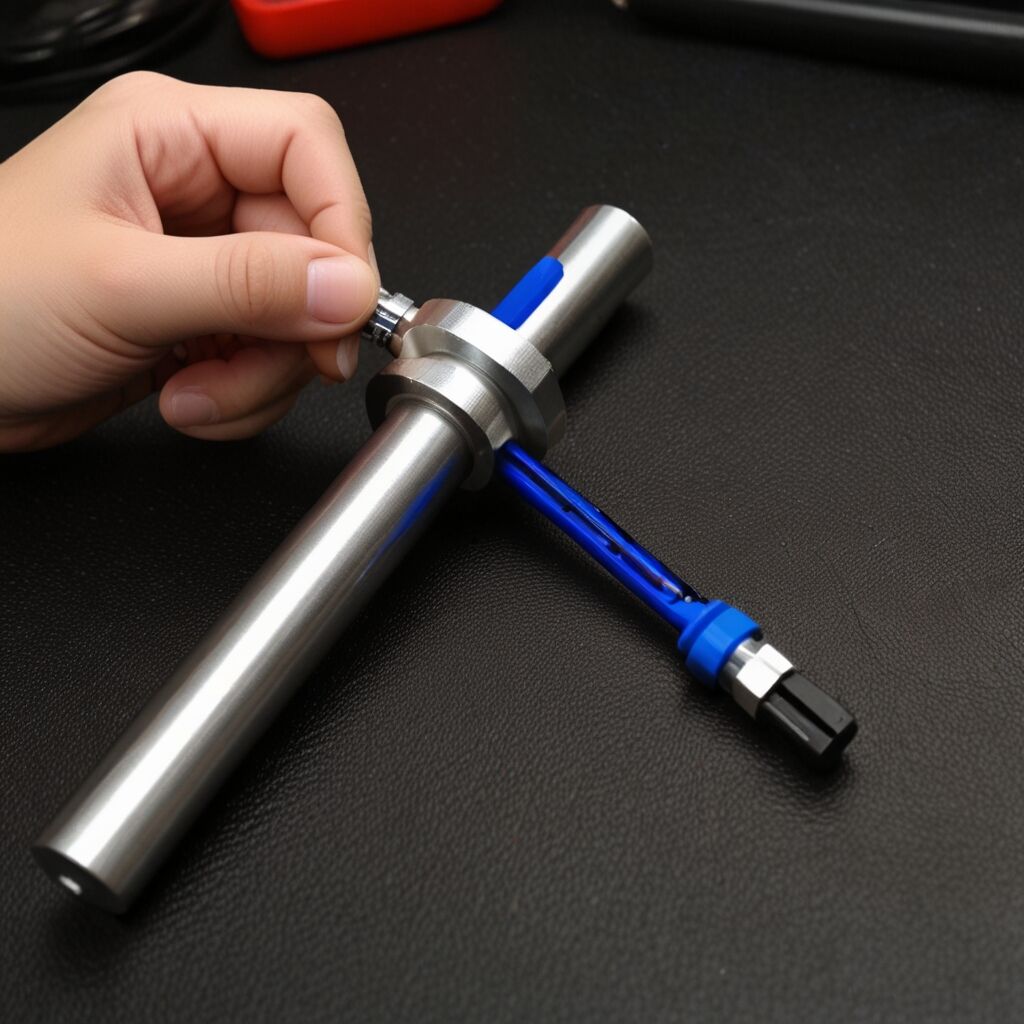
Successfully implementing dent puller inventory management requires careful planning and gradual rollout. Begin by conducting a complete inventory of existing tools, documenting current condition and estimated replacement dates. Create standardized naming conventions and numbering systems that will remain consistent as inventory grows.
Choose tracking technology that matches shop capabilities and budget constraints. Install hardware and configure software during slower business periods to minimize disruption. Train all staff on new procedures before going live, ensuring everyone understands their responsibilities in the new system.
Best Practices for Smooth Transition
Implement systems gradually, starting with most valuable or frequently used tools before expanding to complete inventory. Establish regular review meetings to address problems and adjust procedures based on real-world usage patterns. Create backup procedures for system failures or technical problems.
Monitor key metrics like tool utilization, maintenance costs, and technician satisfaction to measure system effectiveness. Regular reviews help identify optimization opportunities and ensure the system continues meeting shop needs as operations evolve and grow over time.
//—Inventory Management Systems for Tracking Dent Pullers
Automotive repair shops can effectively track the availability of dent pullers through comprehensive inventory management systems. These systems provide real-time data on the condition of each dent puller, ensuring that repair technicians can easily access tools when needed. Essential features include barcoding or RFID technology for easy tracking, regular updates on equipment condition through user input or automated sensors, and a dashboard that displays stock levels. This helps prevent downtime because of unavailable tools and supports efficient workflow. Keeping between three to five dent pullers in stock is common for most repair shops to maintain reliable operations. This ensures they are prepared for multiple repair jobs simultaneously.
Key Features for Effective Inventory Tracking
Key features for effective inventory tracking of dent pullers include an intuitive user interface, detailed reporting capabilities, and integration with ordering systems. An easy-to-use interface enhances efficiency for technicians who need to check tool availability quickly. Detailed reporting capabilities allow shops to analyze use patterns, helping to forecast future needs based on historical data. Integration with ordering systems ensures that when inventory runs low, new supplies can be ordered promptly. Such features significantly improve operational workflows in automotive repair operations, making inventory management systems indispensable.
Interesting Metrics for Tool Management in Repair Shops
- Many automotive repair shops report tool availability issues annually.
- Inventory can shrink significantly due to improperly managed equipment.
- Most dealerships use software for inventory management.
- Dent pullers should be inspected bi-weekly to maintain optimal condition.
- Most technicians prefer tools that are easy to store and access.
- Shops typically save costs by preventing tool loss and damage.
- Repair times often decrease with efficient tool availability systems.
Importance of Monitoring Dent Puller Condition
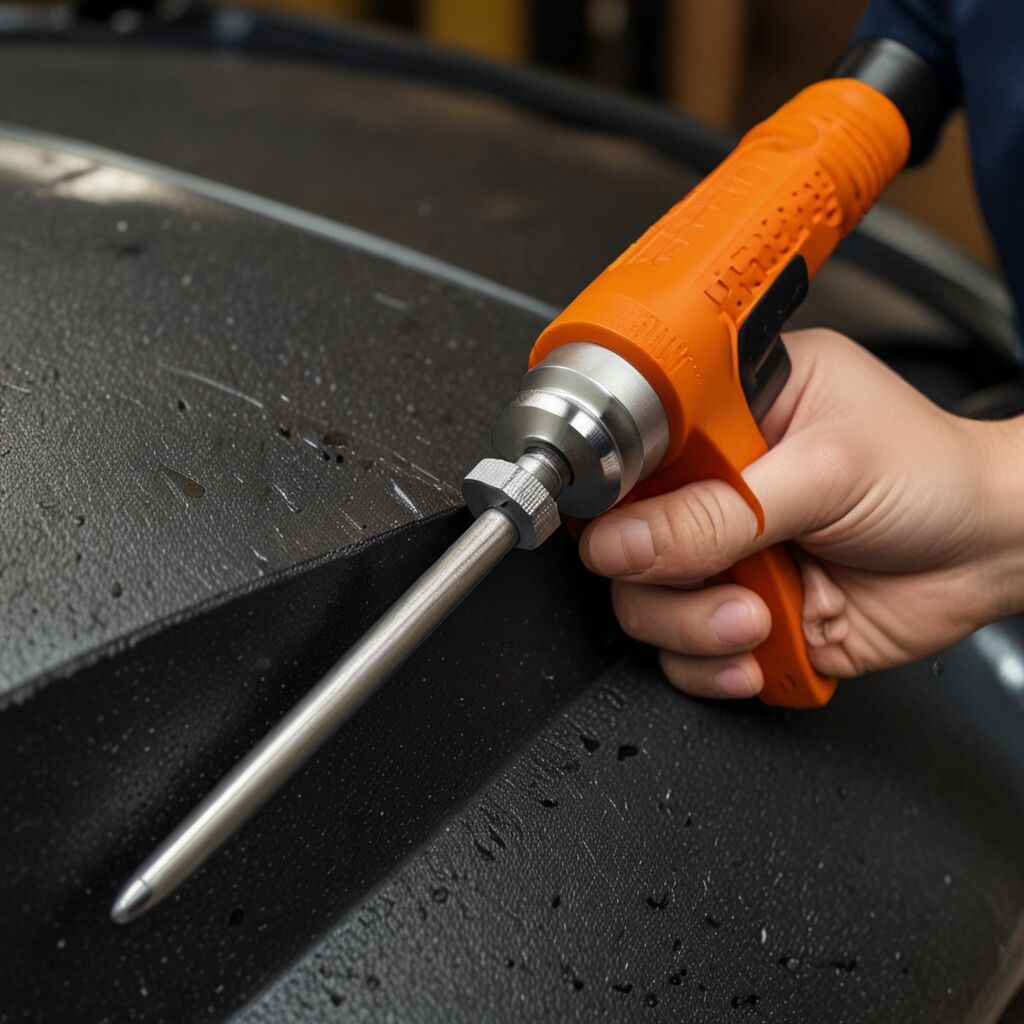
Monitoring the condition of dent pullers is essential for maintaining optimal performance and safety in automotive repairs. Regularly checking their condition helps ensure reliability during dent repair tasks. Ignoring wear and tear can lead to equipment failure, resulting in poor repair quality and safety hazards. Factors such as durability, testing efficiency, and material quality contribute to the overall functionality of dent pullers. A well-maintained dent puller enhances repair efficiency and ensures that technicians deliver high-quality work.
Best Practices for Assessing Dent Puller Condition
Assessing the condition of dent pullers involves multiple steps and tools. Start by visually inspecting for signs of wear, such as cracks or bends in the metal. Next, test the puller’s grip strength using a torque wrench to measure its performance. Regular maintenance checks should occur at least every 3-5 uses to ensure optimal performance. Utilizing specific testing tools like a caliper can also provide precise measurements of the puller’s components. This assessment process helps technicians identify any issues early, ensuring reliability and enhancing repair quality.
Signs Indicating Repair or Replacement of Dent Pullers
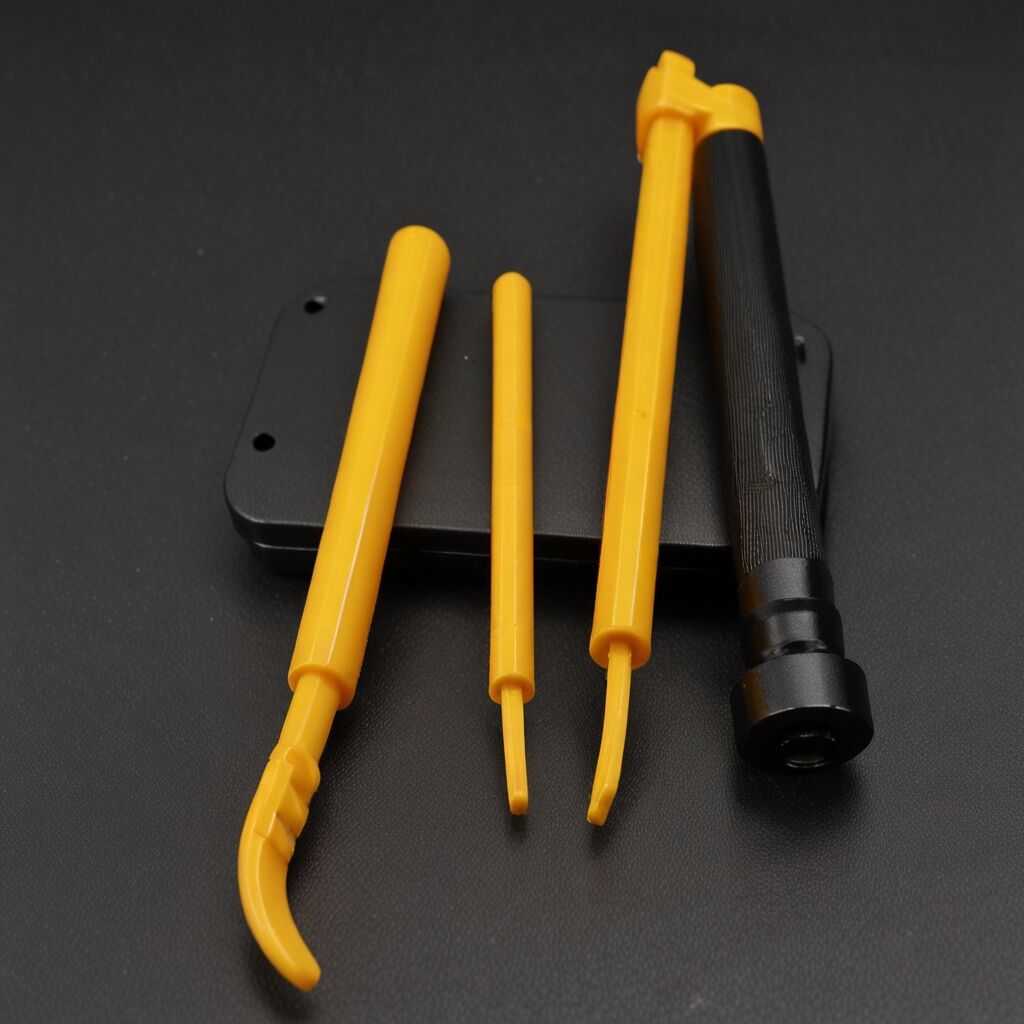
Common signs indicating that a dent puller needs repair or replacement include visible damage like cracks, warping, or bent components. If the puller no longer provides a strong grip during use or requires excessive force, it may be time for replacement. Many users experience declined performance efficiency after multiple uses. Poor performance can lead to subpar repair quality, making it essential to regularly test and inspect the dent puller’s functionality. Checking the reliability of different brands can enhance your repair standards and ensure long-term service.
Understanding Dent Puller Reliability and Features
When evaluating dent puller reliability, consider brands such as Dent Fix, Keco, and H&S Autoshot. These brands offer products that deliver excellent features, including sturdy construction and good grip. You should look for pullers designed with durable materials that can withstand heavy use. Performance testing, typically within a 3-6 month range, is critical. Regular inspections will reveal wear and tear while ensuring consistent performance. This proactive approach helps maintain repair quality, enabling you to deliver optimal service to customers.
Key Advantages of Effective Tool Oversight
- Streamlined inventory reduces search time for tools and parts.
- Proper maintenance of dent pullers extends their lifespan.
- Efficient systems enable quicker turnaround times for repairs.
- Users can track tool conditions regularly to avoid unexpected breakdowns.
- Higher accuracy in stock levels informs better purchasing decisions.
- Enhanced customer satisfaction leads to repeat business.
- Effective management boosts team morale and productivity.
Where to Find Reliable Sources for Quality Dent Pullers
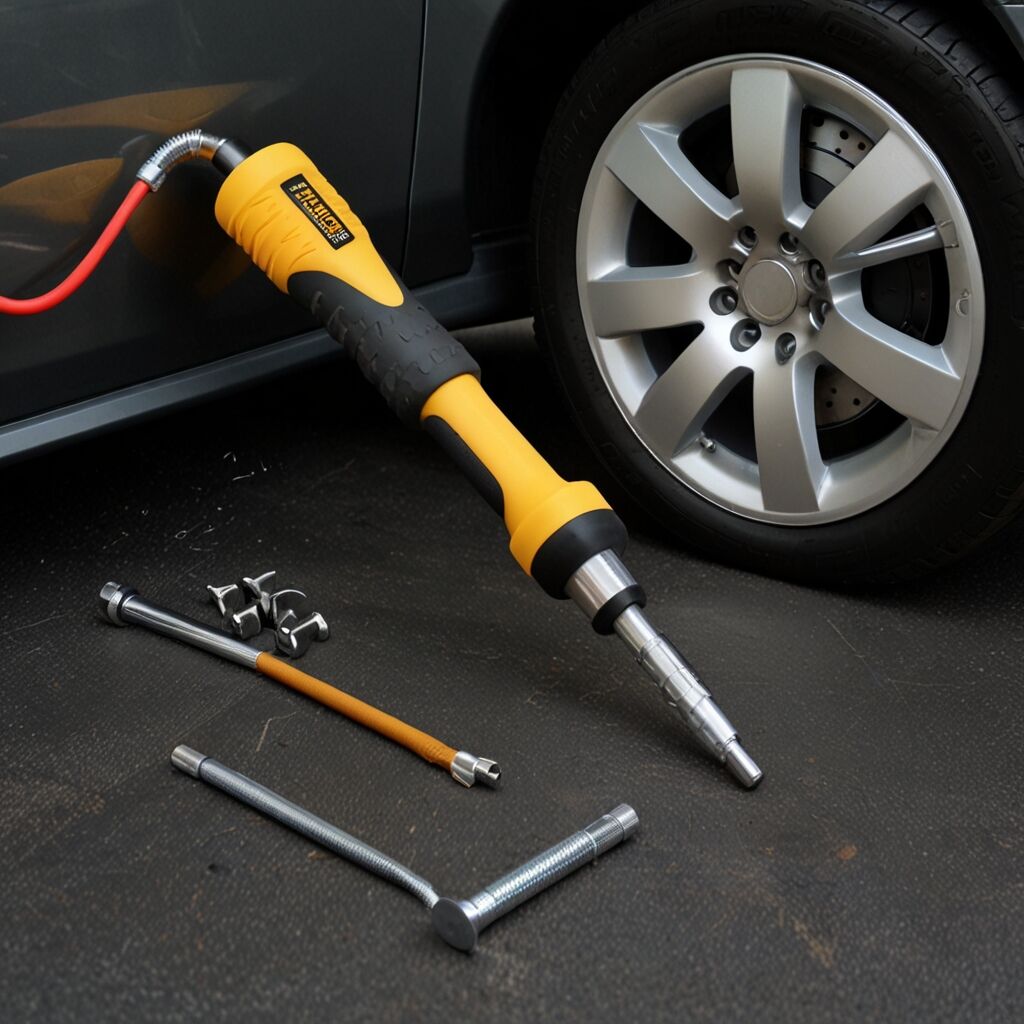
To purchase high-quality dent pullers, consider reliable platforms such as ExtremeSpec Auto. They provide thorough reviews that help you evaluate the best options available. Check trusted vendors like Amazon and The Dent Shop that specialize in auto repair tools. These sources often have customer reviews, enhancing your confidence in the purchasing process. When researching vendors, consider their reliability, warranty policies, and customer experiences for better decision-making.
Recommended Online Vendors for Purchasing Dent Pullers
Several online vendors offer great choices for quality dent pullers. Platforms like eBay and AutoZone provide extensive catalogs. Look for reviews and comparisons on ExtremeSpec Auto for insights into each dent puller’s performance. Vendors often include details about the tools’ features, ensuring you choose based on efficiency and durability. Make sure to check ratings, as they provide excellent guidance on the best options available in 2025.
Advantages of Effective Dent Puller Management for Stakeholders
Effective dent puller management benefits various stakeholders including automotive repair shops, technicians, and customers. Repair shops experience improved operational efficiency by maintaining organized inventory and reducing downtime. Technicians benefit from having reliable tools that enhance their productivity. Customers enjoy faster service due to the ready availability of quality dent pullers, leading to higher satisfaction levels. Keeping the right number of dent pullers in inventory ensures the shop can handle multiple jobs concurrently, allowing for better service delivery.
Key Stakeholders and Their Benefits
The three main stakeholders impacted by dent puller management include repair shop owners, technicians, and customers. Each stakeholder experiences distinct advantages. Repair shop owners see improved profitability through efficient inventory control and reduced tool-related delays. Technicians experience enhanced work quality as reliable dent pullers lead to better outcomes during repairs. Customers benefit from quicker turnaround times and high-quality repairs, fostering loyalty and repeat business. Final verdict considerations help ensure effective management ensures that repair facilities have the necessary tools readily available, enabling them to meet customer needs efficiently.
Comparing Top Brands for Dent Puller Utilization
- Brand A: Known for durability but has a higher price point.
- Brand B: Offers budget options, but with less reliability.
- Brand C: Provides versatile tools that fit various needs and models.
- DIY enthusiasts love Brand D for its user-friendly design.
- Brand E: Often used in professional settings for maximum performance.
- Certain brands prioritize lightweight options for easier transport.
- Users should consider warranty lengths and customer service when choosing brands.
Best Practices for Enhancing Your Repair Inventory Management
To effectively manage dent pullers in an automotive repair inventory system, implement several best practices. Ensure dent puller availability through regular inventory audits to track usage patterns. Identify the features that maximize performance, such as sturdy design, adjustable versatility, and effective suction power. Establish maintenance procedures to regularly assess the condition of each dent puller. Schedule testing every 6-12 months for optimal reliability. Training programs for technicians will help them understand proper handling and techniques for maintaining tools effectively. This knowledge enhances the overall efficiency of your repair operation.
Essential Features for Dent Pullers
Technicians and inventory managers should prioritize several essential features when selecting dent pullers. Look for dent pullers that include multiple attachments for various car types. A sturdy construction ensures durability for consistent performance. Adjustable designs enhance usability across different dent sizes. An easy-to-read pressure gauge can help technicians monitor suction power effectively. Moreover, consider pullers with ergonomic grips for comfortable handling during prolonged use. Discussion of features shows that investing in quality tools leads to better repair outcomes and reduces frequent replacements.