Repair sequence planning is a systematic method for organizing dent pulling operations to maximize effectiveness and minimize panel damage. This strategic approach involves assessing damage patterns, selecting appropriate dent pulling tools, and executing repairs in optimal order. Proper repair sequence planning helps automotive professionals achieve consistent results while reducing repair time and material waste. Understanding this methodology enables both collision repair shops and DIY enthusiasts to tackle complex automotive damage with greater confidence and success.
Understanding Repair Sequence Planning for Optimal Dent Pulling
Repair sequence planning refers to the systematic approach used to organize and execute the dent repair process effectively. This planning methodology enhances dent puller effectiveness by establishing logical workflows that address damage in the most efficient order. The approach considers factors like panel accessibility, damage severity, and tool requirements to create comprehensive repair strategies. Professional dent pulling techniques require careful coordination between assessment, tool selection, and execution phases. Various dent pulling tools including glue pullers, slide hammers, and PDR rods each serve specific purposes within the planned sequence, making proper knowledge essential for successful automotive restoration.
Essential Components of Effective Repair Planning
Effective repair sequence planning encompasses several critical components that ensure reliable outcomes. Initial damage assessment determines the scope and complexity of required repairs. Tool selection involves choosing appropriate dent pulling equipment based on panel material, damage type, and accessibility constraints. Sequential execution follows predetermined steps while monitoring progress to prevent overcorrection or additional panel damage. Quality evaluation ensures completed repairs meet professional standards before final finishing. This comprehensive approach addresses both visible damage and underlying structural considerations that affect long-term repair durability.
Diverse Types of Damage Requiring Specialized Repair Techniques
Complex automotive damage presents unique challenges that require tailored repair sequence planning approaches. Hail damage typically involves numerous small dents across large panel areas, requiring systematic progression from center outward to maintain panel integrity. Collision damage often combines deep dents with stretched metal, necessitating careful force application to avoid paint cracking. Bodyline creases demand precision techniques that preserve original panel contours while restoring structural integrity. Professional dent puller comparisons reveal how different tools excel in specific damage scenarios.
Material Considerations in Dent Repair Planning
Different automotive materials require specialized repair sequence planning approaches for optimal results. Aluminum panels exhibit different elasticity characteristics compared to steel, requiring modified pulling techniques and force application. High-strength steel demands careful heating and gradual pulling to prevent work hardening. Plastic components need entirely different approaches that account for material flexibility and thermal sensitivity. Understanding these material properties enables technicians to select appropriate dent pulling tools and modify techniques accordingly, ensuring successful repairs across diverse automotive applications.
Enhancing Efficiency through Effective Repair Sequence Planning
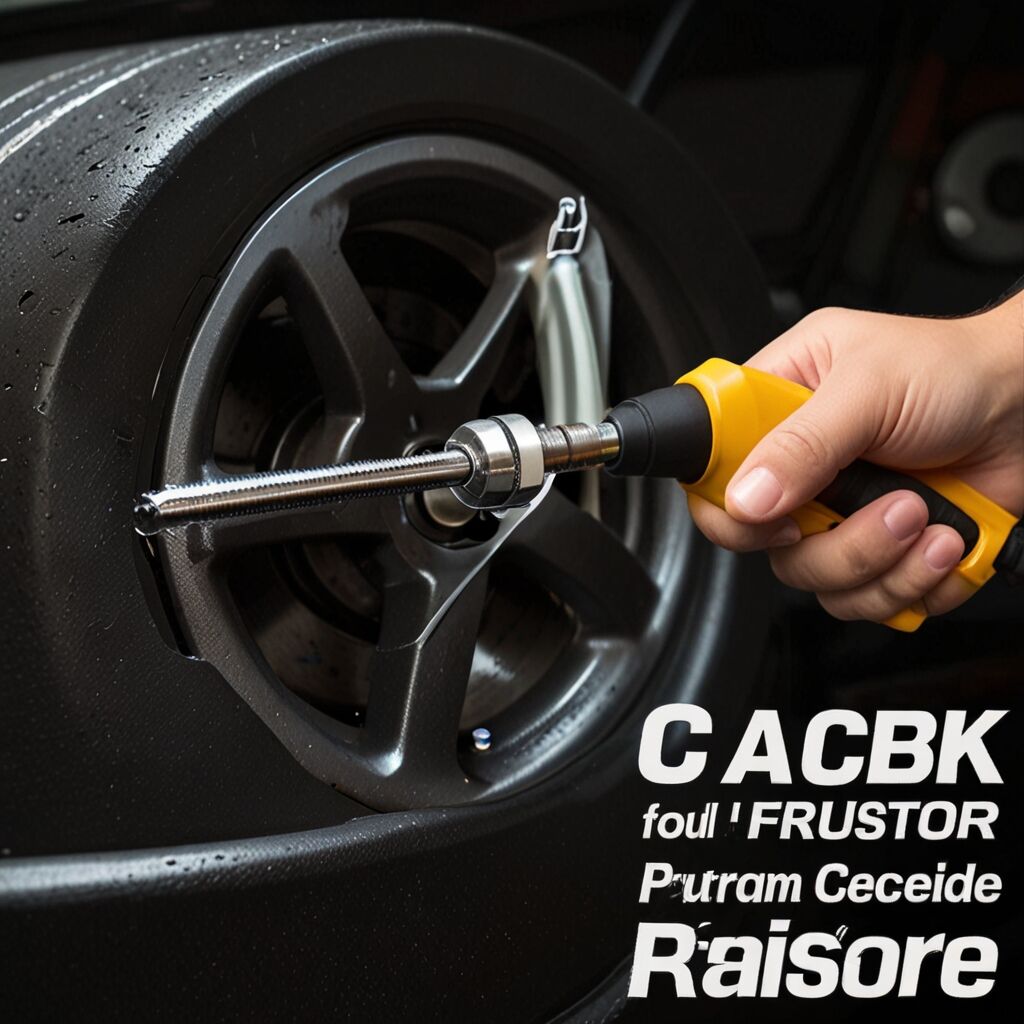
Strategic repair sequence planning significantly improves dent pulling efficiency by eliminating redundant steps and optimizing tool usage. Systematic approaches reduce overall repair time by addressing multiple dents in logical progression rather than random order. Proper sequencing minimizes panel stress by distributing pulling forces appropriately across damaged areas. Understanding dent puller attributes helps technicians select optimal tools for each repair phase, maximizing equipment effectiveness while maintaining quality standards.
Step-by-Step Repair Sequence Implementation
Implementing effective repair sequences involves following proven methodologies that enhance dent puller performance. Begin with comprehensive damage assessment to identify all affected areas and determine repair priorities. Select appropriate dent pulling tools based on damage characteristics and panel accessibility. Execute repairs using performance metrics that track progress and ensure consistent results. Monitor panel response throughout the process to prevent overcorrection. Complete repairs with thorough quality inspection and necessary finishing work to achieve professional standards.
Key Benefits of Systematic Repair Approaches
- Improved repair consistency through standardized procedures and quality control
- Enhanced tool efficiency by selecting optimal equipment for specific damage types
- Reduced material waste through precise technique application and proper planning
- Better customer satisfaction from reliable results and professional presentation
- Increased technician confidence through proven methodologies and skill development
- Minimized risk of additional damage during repair processes
- Streamlined workflows that improve shop productivity and profitability
Steps to Implementing Repair Sequence Planning in Dent Pulling
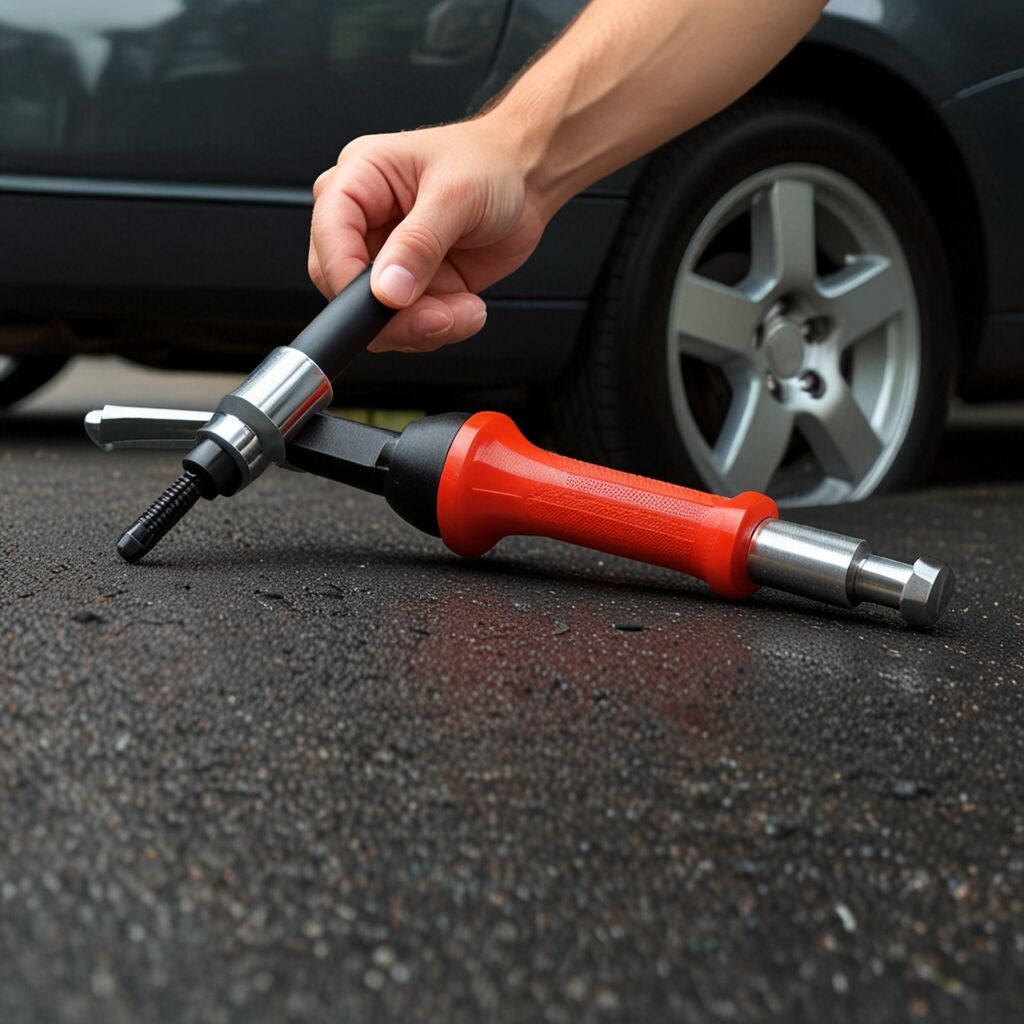
Successful implementation begins with thorough evaluation of damage patterns and panel characteristics. Assess whether damage involves single or multiple impact points, considering how each affects overall repair strategy. Material identification determines appropriate heating requirements and pulling force limitations. Tool selection encompasses glue pullers for accessibility-limited areas, slide hammers for deep damage, and PDR rods for precision work. Professional dent puller pros and cons guide optimal equipment choices for specific repair scenarios.
Essential Tool Selection for Repair Success
Choosing appropriate dent pulling tools directly impacts repair sequence effectiveness and final outcomes. Quality glue pullers provide strong adhesion for controlled pulling in confined spaces. Slide hammers deliver concentrated force for stubborn dents that resist other techniques. Suction-based pullers offer gentle extraction for minor damage without paint preparation requirements. Heat application tools improve metal workability while reducing paint stress during repairs. Understanding specific use cases for each tool type enables technicians to build comprehensive repair sequences that address complex damage effectively.
Benefits of a Systematic Approach to Dent Repair
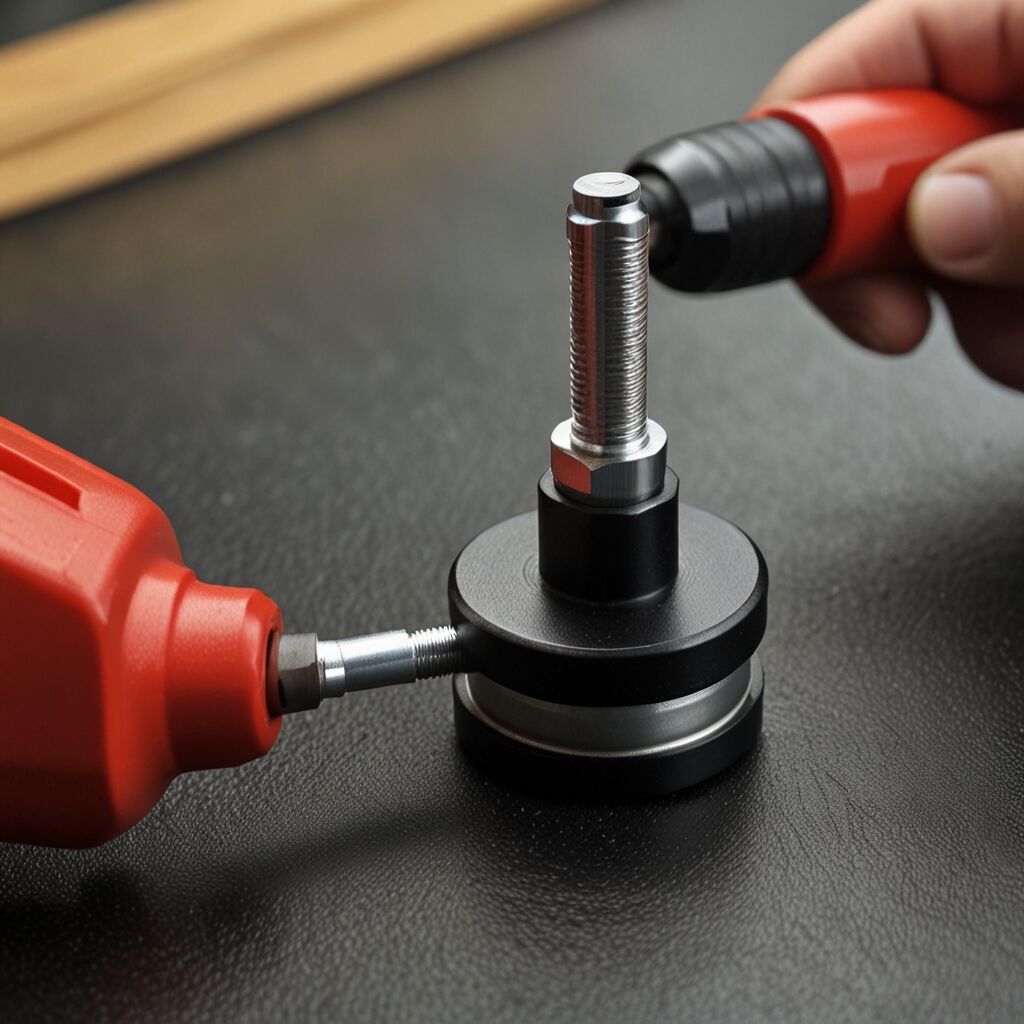
Systematic repair sequence planning delivers consistent quality improvements across diverse automotive damage scenarios. Streamlined dent puller operation processes reduce repair time while maintaining high quality standards. Professional technicians report improved customer satisfaction when using structured approaches compared to ad-hoc repair methods. Cost-effectiveness improves through reduced material usage and minimized rework requirements. Quality consistency enables shops to develop reputation for reliable results, supporting business growth and customer retention.
Quality Assurance Through Structured Methods
Implementing structured repair sequences creates measurable quality improvements in dent pulling operations. Systematic approaches to dent repair ensure consistent technique application across different technicians and repair scenarios. Documentation of successful sequences enables knowledge transfer and continuous improvement within repair facilities. Quality metrics tracking helps identify areas for technique refinement and tool optimization. Training programs benefit from standardized procedures that accelerate skill development and reduce learning curves for new technicians.
Professional Advantages of Structured Repair Methods
- Enhanced accuracy through proven techniques and systematic quality control
- Efficient tool utilization maximizing equipment investment and operational productivity
- Improved workflow organization reducing bottlenecks and streamlining operations
- Risk mitigation preventing additional damage during complex repair procedures
- Better team coordination through standardized communication and procedures
- Increased customer confidence from consistent results and professional presentation
- Skills development support enabling technician growth and career advancement
Recognizing When Repair Sequence Planning is Crucial
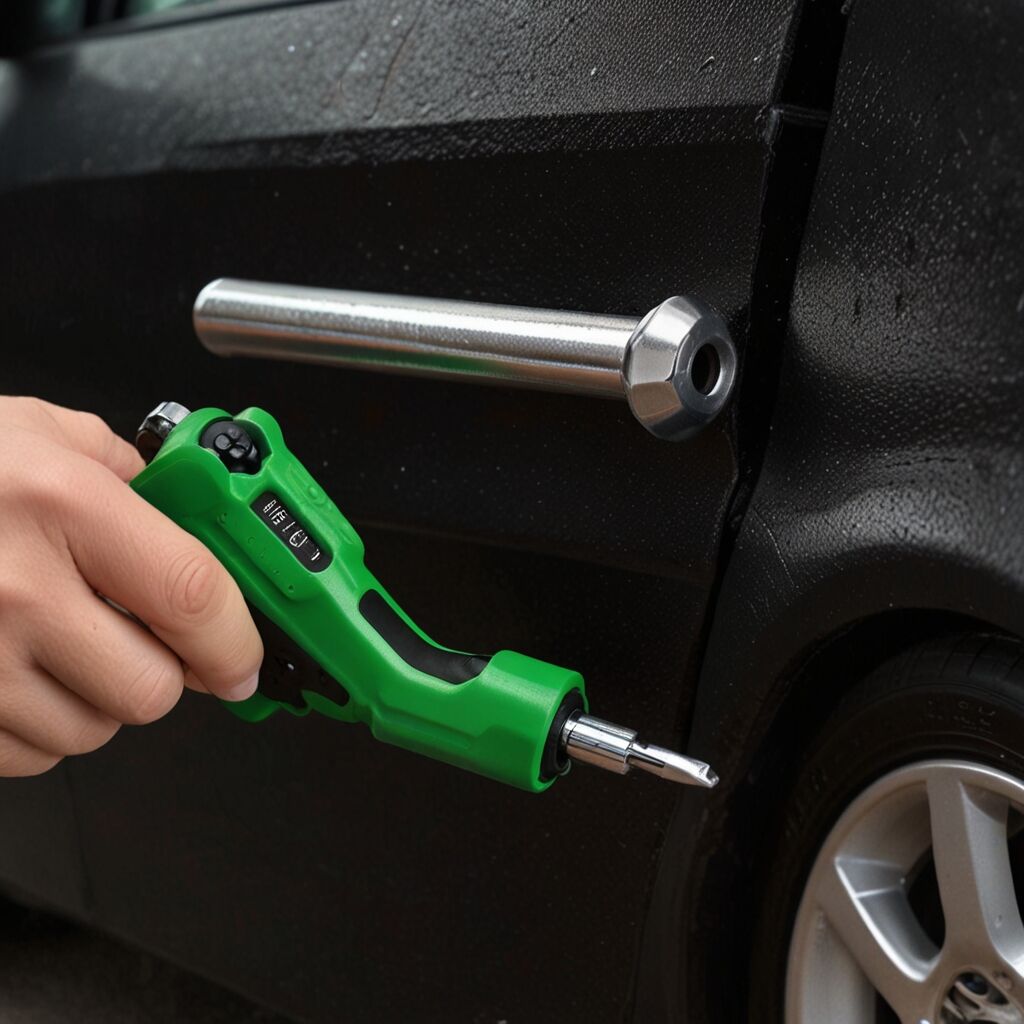
Identifying situations requiring structured repair sequence planning prevents complications and ensures optimal outcomes. Multiple dents in different panel areas benefit from systematic approaches that address accessibility and stress distribution concerns. Complex damage involving bodylines or panel edges requires careful planning to maintain structural integrity. Comprehensive dent repair assessment determines when advanced planning becomes essential for successful restoration.
Damage Complexity Assessment Criteria
Evaluating damage complexity helps determine appropriate repair sequence planning requirements. Surface area considerations include dent distribution patterns and panel boundaries that affect repair accessibility. Depth variations within damaged areas require graduated pulling techniques to prevent overcorrection. Material transitions between different panel sections need specialized approaches that account for varying elasticity and strength characteristics. Time constraints and customer expectations also influence planning decisions, balancing thoroughness with practical completion requirements.
Cost Factors in Repair Sequence Planning
Understanding cost implications helps shops develop profitable repair sequence planning strategies. Labor time typically represents the largest expense component, making efficient sequencing crucial for profitability. Material costs include adhesives, tabs, and finishing products that vary based on repair complexity. Equipment investment in quality dent pulling tools pays dividends through improved efficiency and reduced rework requirements. Training expenses for technique development should be considered long-term investments in shop capability and reputation.
Budget-Conscious Planning Strategies
Developing cost-effective repair sequences requires balancing quality expectations with economic realities. Shops can optimize profitability by standardizing procedures that reduce variability in labor time estimates. Bulk purchasing of consumable materials reduces per-repair costs while ensuring consistent supply availability. Price analysis of different dent pulling tools helps shops invest in equipment that provides optimal value for their specific repair volume and complexity requirements.
Common Limitations and Challenges
Repair sequence planning faces inherent limitations that technicians must acknowledge and address. Some damage types resist conventional dent pulling techniques, requiring alternative approaches like body filler or panel replacement. Time constraints sometimes force compromises between ideal sequencing and practical completion requirements. Panel access limitations can prevent optimal tool placement, requiring modified techniques that may affect final quality. Weather conditions impact adhesive performance and metal workability, particularly for mobile repair operations.
Overcoming Repair Sequence Obstacles
Professional technicians develop strategies for managing repair sequence planning challenges effectively. Alternative tool options provide backup approaches when primary techniques prove insufficient. Budget considerations for tool selection enable shops to maintain comprehensive capabilities while controlling expenses. Continuous education helps technicians adapt to new materials and damage types that challenge traditional repair methods. Customer communication about realistic expectations prevents disappointment when damage exceeds repair sequence planning capabilities.
Finding the Right Tools for Effective Dent Repair
Selecting appropriate dent pulling tools requires research into proven brands and reliable equipment sources. Quality dent puller grip strength directly affects repair success rates and final surface smoothness. Professional-grade equipment from manufacturers like Dent Craft, ULTRA, and Keco provides reliability needed for demanding repair sequence applications. Tool reviews and industry recommendations guide investment decisions that balance performance requirements with budget constraints.
Essential Equipment for Professional Results
Building comprehensive tool collections supports diverse repair sequence planning requirements. Professional repair tools that benefit most technicians include glue pullers for versatile applications, slide hammers for stubborn damage, and PDR rods for precision work. Heat guns enable controlled metal manipulation while protecting surrounding paint systems. Quality adhesives and tabs ensure reliable connections during pulling operations. Testing procedures for dent pullers help verify equipment performance before committing to major repair sequences.
Professional Tool Categories and Applications
- Glue pullers: Versatile tools suitable for various damage types and accessibility constraints
- Slide hammers: High-force applications for deep dents and stubborn material deformation
- PDR rods: Precision tools for fine detail work and finish quality enhancement
- Suction pullers: Gentle extraction methods for minor damage without surface preparation
- Heat sources: Metal conditioning tools that improve workability and reduce stress
- Measuring devices: Quality control equipment ensuring accurate repair assessment and completion
- Safety equipment: Personal protection gear essential for professional repair operations
Who Can Benefit from Strategic Dent Pulling Techniques
Multiple professional groups benefit significantly from mastering repair sequence planning methodologies. Collision repair technicians handle complex damage that requires systematic approaches for optimal results. Insurance adjusters benefit from understanding repair sequence requirements when estimating costs and timeframes. Automotive restoration specialists use these techniques to maintain original panel integrity during classic vehicle rehabilitation. Understanding best use cases for different repair approaches helps professionals select optimal strategies for their specific applications.
Professional Development Through Systematic Training
Structured training in repair sequence planning accelerates skill development and improves job performance. Technical schools incorporate these methodologies into comprehensive automotive curricula that prepare students for industry demands. Apprenticeship programs benefit from standardized approaches that ensure consistent learning outcomes. Continuing education workshops help experienced technicians refine techniques and learn new applications. Certification programs validate competency in repair sequence planning, supporting career advancement and professional recognition within the automotive repair industry.