Adaptive puller techniques are specialized dent repair methods that adjust approach based on specific metal types like aluminum, steel, and composites. These techniques typically involve using different pulling forces, adhesives, and tools to match each metal’s unique properties. Most professionals use specialized puller comparison guides for selecting appropriate methods.
Essential Repair Techniques for Automotive Metalworks
Automotive dent repair techniques include paintless dent repair (PDR), slide hammer pulling, glue pulling, and heat-assisted methods. Each technique works by applying controlled force to restore metal to its original shape without damaging paint or structural integrity. PDR typically involves accessing the back of dented panels and carefully pushing metal outward using specialized tools.
The benefits of adaptive techniques include reduced repair time, preserved original paint finish, and lower overall costs compared to traditional bodywork. These advantages are most significant for minor to moderate dents where the paint remains intact. However, limitations include inability to repair creases exceeding certain depths and challenges with heavily damaged or previously repaired areas.
How Different Metals Affect Repair Approach
Metal type significantly impacts repair strategy because aluminum behaves differently than steel under stress. Aluminum is softer and more malleable, typically requiring gentler pulling forces between 800-1200 pounds compared to steel’s tolerance for 1500-3000 pounds. Steel maintains its shape better during repair but may require more aggressive heating techniques. Composite materials need specialized adhesives and lower temperature applications to prevent cracking or delamination.
Overview of Common Metal Types in Automotive Applications
Modern vehicles typically contain three primary metal types: high-strength steel, aluminum alloys, and composite materials. Steel comprises approximately 60-70% of most vehicle bodies, particularly in structural areas like frames and A-pillars. Aluminum is increasingly used for body panels, hoods, and doors due to its lightweight properties and corrosion resistance.
What makes each metal unique for dent repair relates to their molecular structure and flexibility. Steel’s crystalline structure allows for controlled deformation and return to original shape when proper techniques are applied. Aluminum’s softer composition means it stretches more easily but can work-harden if overworked during repair. Composites like carbon fiber require completely different approaches since they don’t bend—they either maintain shape or break.
Cost Considerations for Different Metal Repairs
Repair costs typically range from $75-200 for aluminum panels, $50-150 for steel components, and $200-500 for composite materials. These price variations reflect tool requirements, time investment, and specialized knowledge needed for each material type. Steel repairs generally cost less due to standardized techniques and readily available tools, while composite repairs often require specialized equipment and expertise.
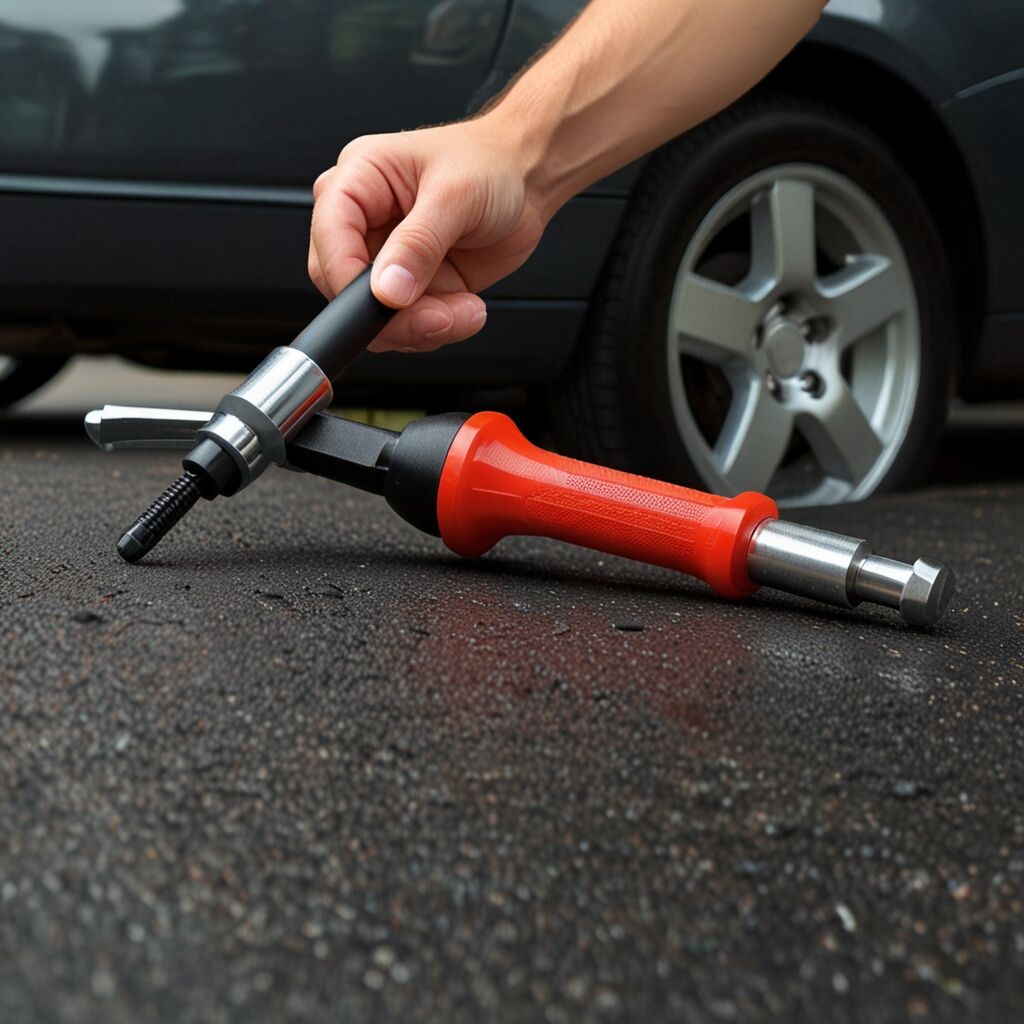
How Puller Methods Adapt to Various Metal Characteristics
Adaptive puller methods work by matching pulling force, adhesive type, and tool selection to specific metal properties. For aluminum panels, techniques typically use lower-strength adhesives and gentler pulling forces to prevent stretching or tearing. Steel applications can utilize stronger adhesives and higher pulling forces due to the material’s greater tensile strength.
When should you use specific approaches depends on metal thickness, dent size, and location accessibility. Shallow dents in aluminum hoods often respond well to glue pulling with temperatures kept below 180°F to prevent metal fatigue. Deep steel fender dents may require slide hammer techniques combined with heat application up to 300°F for effective reshaping.
Tool Requirements for Each Metal Type
Tool selection varies significantly based on metal characteristics and repair complexity. Aluminum repairs typically require soft-faced hammers, plastic or wooden pushing tools, and temperature-controlled heat guns. Steel work often uses traditional metal hammers, steel dollies, and higher-powered pulling systems. Essential tools for adaptive techniques include pullers with adjustable force settings and metal-specific attachments.
Common Tool Categories by Metal Type
- Aluminum requires soft-touch tools, low-temperature heat sources, and flexible pulling tabs
- Steel tolerates traditional metalworking tools, higher heat applications, and stronger pulling forces
- Composites need specialized adhesives, controlled temperature tools, and reinforcement materials
- Universal tools include digital force gauges, adjustable pullers, and protective surface coverings
- Professional setups typically include 5-8 different puller types for various scenarios
- DIY enthusiasts can start with basic kits covering aluminum and steel applications
- Advanced repairs may require tools costing $500-2000 depending on specialization level
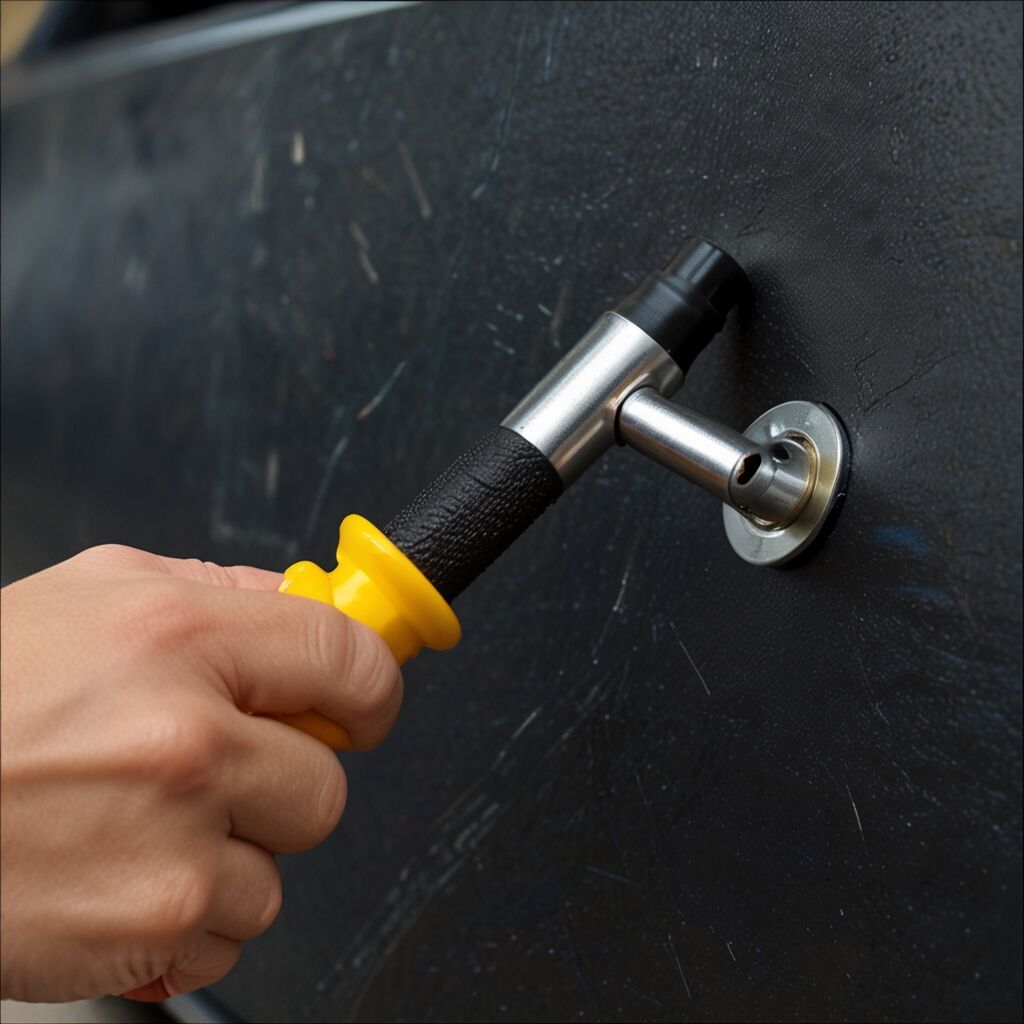
Advantages of Adapting Techniques for Each Metal Type
The primary benefits of using adaptive techniques include improved repair quality, reduced risk of additional damage, and faster completion times. When techniques are properly matched to metal types, success rates typically increase by 40-60% compared to one-size-fits-all approaches. This improvement translates to better customer satisfaction and reduced warranty claims for professional shops.
Adaptive techniques also help preserve vehicle value by maintaining original paint and metal integrity. Traditional bodywork often requires repainting and filler application, which can reduce resale value by 10-15%. Properly executed adaptive repairs maintain factory finish quality and structural strength, particularly important for newer vehicles under warranty.
Long-term Benefits for Vehicle Integrity
Long-term advantages extend beyond immediate appearance improvements to include maintained structural integrity and corrosion resistance. Adaptive techniques preserve factory protective coatings and paint systems, which typically provide 5-10 years of additional protection compared to refinished surfaces. This preservation is particularly valuable for aluminum components, where disrupted protective coatings can lead to galvanic corrosion issues.
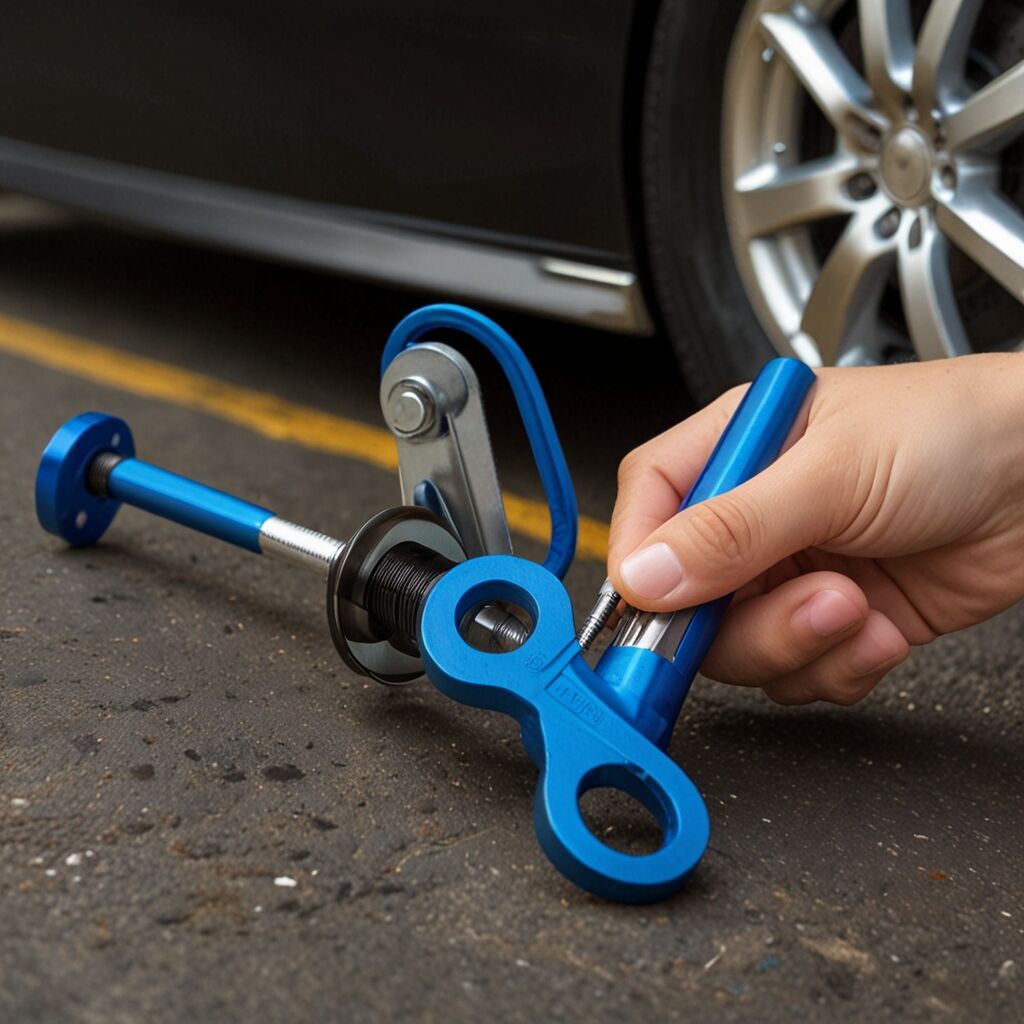
Identifying When to Use Specific Repair Techniques
Determining appropriate repair methods depends on evaluating dent severity, metal type, and accessibility factors. Minor dents (less than 2 inches diameter) in accessible areas typically respond well to PDR techniques regardless of metal type. Moderate dents (2-6 inches) may require adaptive pulling methods, with approach varying based on whether the panel is aluminum, steel, or composite.
What are the key indicators for technique selection include paint condition, dent depth relative to metal thickness, and presence of body lines or edges. Aluminum panels with dents deeper than 1/8 inch often require careful heat application to prevent work-hardening. Steel panels can typically handle deeper repairs but may need more aggressive techniques for complete restoration.
Professional Assessment Criteria
Professional technicians use specific criteria to determine optimal repair approaches for different scenarios. Assessment typically includes measuring dent depth with specialized gauges, identifying metal type through visual inspection or documentation, and evaluating paint condition under various lighting angles. Understanding the pros and cons of each technique helps ensure appropriate method selection.
Decision Matrix for Repair Method Selection
- Shallow aluminum dents respond best to controlled heat and gentle pushing techniques
- Deep steel dents often require combination approaches using pullers and traditional bodywork
- Creased metals typically need professional assessment to determine repair feasibility
- Edge dents near body lines require specialized tools and advanced expertise
- Previously repaired areas may need complete refinishing rather than adaptive techniques
- Insurance considerations often influence technique selection and cost parameters
- Vehicle age and value help determine whether adaptive techniques are cost-effective
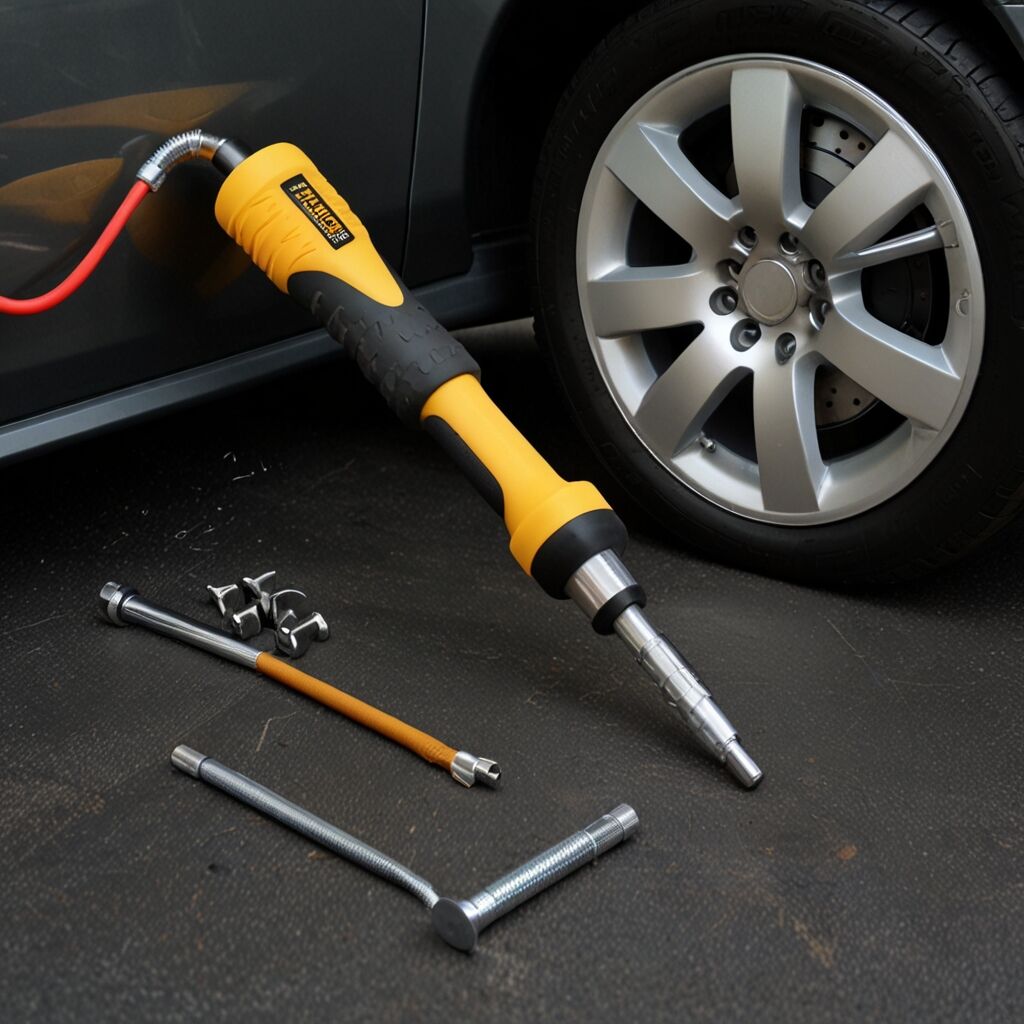
Real-Life Applications of Adaptive Pulling Techniques
Real-world applications demonstrate the effectiveness of properly adapted techniques across various scenarios and vehicle types. A recent aluminum hood repair on a 2023 Ford F-150 involved using controlled heat application at 160°F combined with gentle suction cups, successfully removing a 4-inch diameter dent without paint damage. The entire process took approximately 45 minutes compared to traditional bodywork requiring 3-4 hours.
Steel panel repairs showcase different requirements, as demonstrated in a door repair on a 2020 Honda Civic. This repair used a slide hammer puller with stronger adhesive tabs, requiring 220°F heat application and sustained pulling force over 15-minute intervals. The adaptive approach prevented paint cracking while fully restoring panel contour.
Challenging Repair Scenarios
Complex repairs often involve multiple metal types within single assemblies, requiring technicians to adapt techniques mid-process. Modern vehicles frequently combine aluminum outer panels with steel reinforcement structures, demanding expertise in transitioning between appropriate methods. Professional use cases demonstrate how experienced technicians handle these transitions effectively.
Understanding the Audience Benefiting from Adaptive Techniques
Who should use adaptive techniques includes professional auto body technicians, mobile dent repair specialists, and serious DIY enthusiasts with appropriate tools and training. Professional shops benefit from reduced labor costs and improved customer satisfaction through faster, higher-quality repairs. Mobile technicians particularly benefit since adaptive techniques often require fewer tools and setup time compared to traditional methods.
DIY enthusiasts can successfully use basic adaptive techniques for minor aluminum and steel dents, though complex repairs typically require professional expertise. The learning curve for effective adaptive techniques ranges from several hours for basic applications to months of practice for advanced metal-specific methods. Success rates improve significantly with proper training and quality tools.
Training Requirements for Different Skill Levels
Training requirements vary considerably based on intended application and metal types. Basic aluminum techniques can be learned through weekend workshops and online courses, typically costing $200-500 for comprehensive instruction. Advanced steel and composite techniques often require formal certification programs lasting several weeks and costing $1000-3000. Professional testing standards ensure technicians meet industry quality requirements.
Skill Development Pathways
- Beginner level focuses on identifying metal types and basic safety procedures
- Intermediate training covers specific techniques for aluminum and steel applications
- Advanced certification includes composite materials and complex multi-metal repairs
- Continuing education keeps professionals updated on new materials and techniques
- Specialized certifications exist for exotic materials like carbon fiber and titanium
- Equipment training ensures proper tool selection and maintenance procedures
- Business training helps mobile technicians understand pricing and customer relations
Resources for Expanding Knowledge on Advanced Dent Repair
Educational resources for adaptive dent repair techniques include formal training institutes, online courses, and industry associations. The International Training Institute offers comprehensive programs covering all major metal types, typically lasting 2-4 weeks with hands-on practice components. Online platforms like PDR Training and Dent Repair Academy provide flexible learning options for working professionals.
What resources are most valuable depends on current skill level and career goals. Professional technicians often benefit from manufacturer-specific training programs that focus on particular vehicle brands or metal applications. DIY enthusiasts typically find success with community college automotive programs that provide tool access and instructor guidance. Frequently asked questions about training help prospective students understand program requirements and outcomes.
Industry Certification and Standards
Industry certifications ensure technicians meet professional standards for safety, quality, and efficiency in adaptive repair techniques. Major certification bodies include the Inter-Industry Conference on Auto Collision Repair (I-CAR) and the Society of Collision Repair Specialists (SCRS). These organizations provide standardized testing and continuing education requirements that help maintain industry quality standards across different metal types and repair scenarios.