Pneumatic dent pullers are compressed air-powered automotive repair tools that remove vehicle dents using vacuum suction or controlled pulling force. These tools work by creating consistent pressure that reshapes damaged metal panels back to their original form. Dent pullers can significantly reduce repair time compared to traditional hammer-and-dolly methods while maintaining paint integrity. Professional body shops typically see repair times decrease by 40-60% when switching from manual techniques to pneumatic systems.
What Are Pneumatic Dent Pullers and How Do They Function
Pneumatic dent pullers are specialized automotive repair instruments that harness compressed air technology to extract dents from vehicle body panels. The mechanism works by generating controlled vacuum pressure or direct pulling force through compressed air chambers, which creates the necessary leverage to reshape deformed metal. These air-powered tools connect to shop air compressors typically operating between 90-120 PSI, providing consistent force delivery that manual tools cannot match. Understanding how pneumatic dent removal systems operate reveals their effectiveness on various panel materials including steel, aluminum, and modern high-strength alloys. Pneumatic dent pullers are particularly useful for accessing challenging dent locations where traditional methods prove ineffective.
Core Benefits of Pneumatic Dent Removal Systems
Pneumatic dent extraction tools offer substantial advantages that transform the automotive repair workflow. These compressed air systems deliver consistent pulling force, enabling technicians to complete complex repairs faster than conventional methods allow. Most pneumatic models handle dent sizes ranging from small door dings to large panel damage, demonstrating remarkable versatility across different vehicle types. Durability stands out as another key benefit, with quality pneumatic pullers featuring reinforced components designed for continuous shop use. Time savings typically range from 40-70% compared to traditional hammer-and-dolly techniques, depending on dent complexity and technician experience. Pneumatic dent pullers are easy to operate once properly set up, making them valuable for both experienced professionals and skilled DIY mechanics seeking efficient repair solutions.
Comparing Different Dent Pulling Tool Categories
The dent repair market offers several distinct tool categories, each serving specific repair scenarios and budget requirements. Manual dent pullers rely on human force and work well for smaller dents, typically costing between $50-150 for quality models. Electric dent pullers provide motorized assistance and handle medium-sized damage effectively, though they require electrical connections and generally cost $200-400. Pneumatic dent pullers represent the professional-grade option, offering superior power and speed for commercial applications while requiring compressed air infrastructure. Vacuum-based systems create suction attachment without surface preparation, while stud-welding pneumatic tools provide maximum pulling force for severe damage. Each tool type serves different user needs, from occasional home repairs to high-volume commercial operations.
Why Pneumatic Systems Excel in Professional Applications
Pneumatic dent removal systems excel in professional environments due to their consistent performance and operational efficiency. These compressed air tools generate reliable pulling force without the fatigue associated with manual operation, allowing technicians to maintain quality throughout long work sessions. Pneumatic models typically handle weight capacities ranging from 500-2000 pounds of pulling force, depending on air pressure and tool design specifications. This capability enables effective treatment of both shallow surface dents and deeper structural damage that manual tools cannot address. Professional shops value pneumatic systems for their durability, as quality models withstand thousands of repair cycles with minimal maintenance requirements. Dent pullers can significantly improve repair productivity while reducing technician physical strain during demanding repair schedules.
Key Advantages of Pneumatic Technology in Automotive Repair
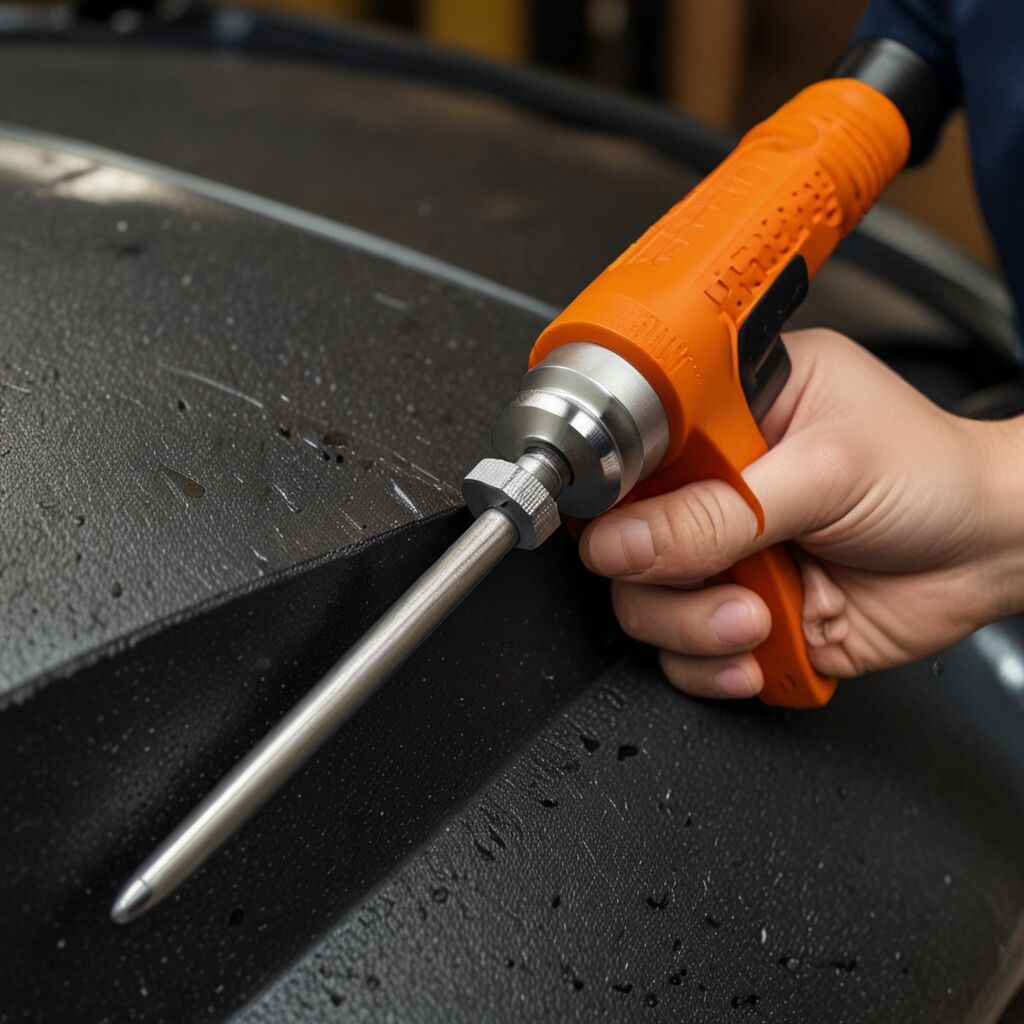
Pneumatic tools revolutionize automotive dent repair through their ability to deliver consistent, controlled force that surpasses manual capabilities. These compressed air systems improve repair efficiency by eliminating the physical effort required for traditional techniques, while providing precise control over pulling force application. Reliability emerges as a critical factor, as pneumatic systems maintain consistent performance throughout extended use periods without operator fatigue affecting results. Air-powered tools enhance overall repair quality by enabling smooth, gradual dent extraction that preserves original metal integrity and paint finish. Labor cost reduction becomes significant when shops process multiple vehicles daily, as technicians complete individual repairs faster and handle increased workloads without compromising quality standards.
How Pneumatic Methods Outperform Traditional Techniques
Pneumatic dent removal consistently outperforms traditional repair methods in speed, precision, and operator comfort. Traditional hammer-and-dolly techniques require significant skill development and physical endurance, often taking 2-4 hours for complex dent repairs that pneumatic tools complete in 30-90 minutes. Pneumatic tools streamline the dent repair process by eliminating multiple tool changes and reducing setup time between repair steps. The controlled force delivery of compressed air systems minimizes risk of over-correction or additional panel damage that can occur with aggressive manual techniques. Customer satisfaction improves significantly due to faster turnaround times and higher-quality finish results that pneumatic systems consistently deliver.
Quantified Performance Benefits of Pneumatic Systems
- Pneumatic dent pullers can reduce repair time by 40-70% compared to traditional hammer-and-dolly methods.
- Labor costs typically decrease by 25-35% when shops adopt pneumatic repair systems.
- Daily vehicle capacity can increase from 3-5 cars to 6-9 cars with efficient pneumatic workflows.
- Pneumatic dent pullers can complete dent repairs in 30-90 minutes depending on damage severity.
- Customer satisfaction scores improve by 10-20% due to faster service and quality results.
- Technician fatigue reduces by approximately 30% when using pneumatic assistance versus manual methods.
- Shop profit margins can improve by 15-25% through increased efficiency and reduced labor hours.
How Pneumatic Systems Transform Repair Workflow Efficiency
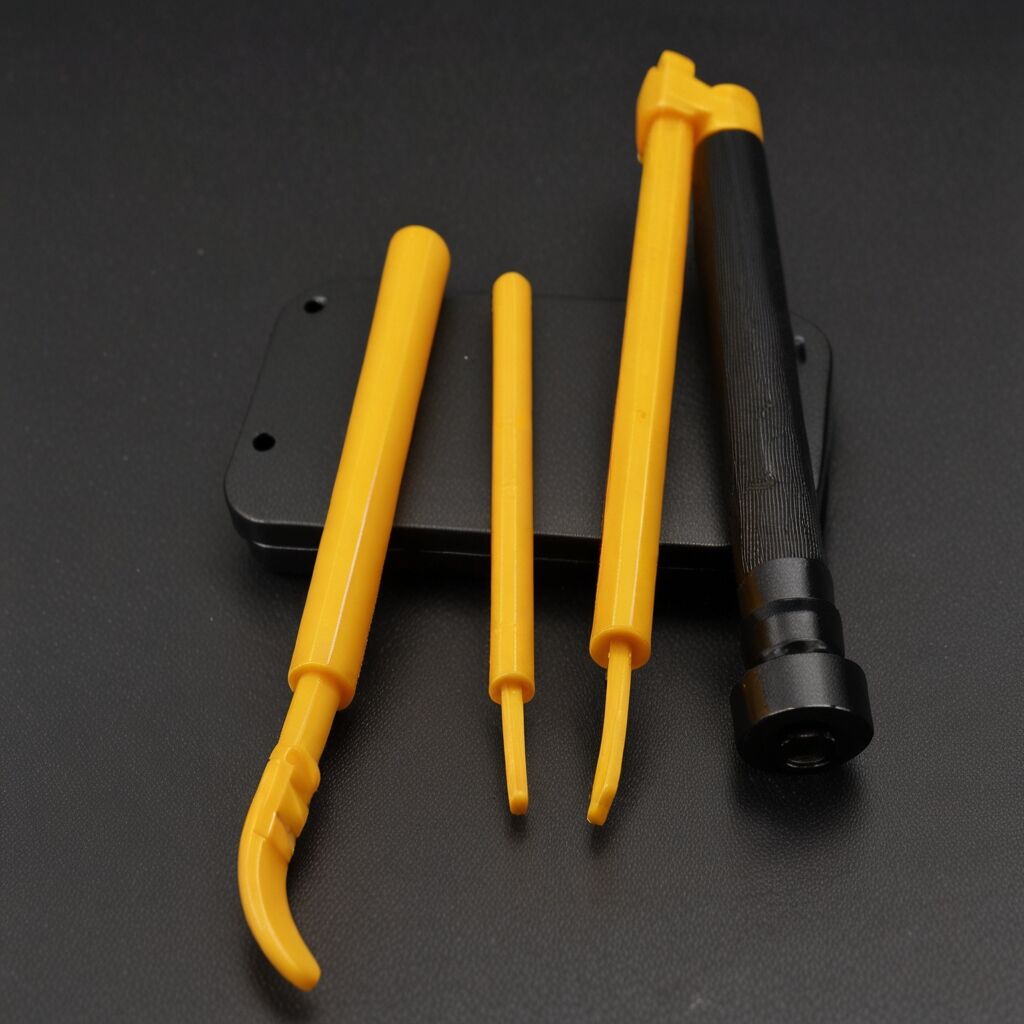
Pneumatic dent pullers significantly improve repair time and workflow efficiency through their consistent force delivery and rapid setup capabilities. These compressed air systems eliminate the multi-step positioning required by traditional methods, allowing technicians to attach and begin pulling within minutes of assessment. Pneumatic tools reduce physical effort requirements while providing superior control over force application, enabling more precise dent extraction with fewer attempts. The consistent air pressure delivery means technicians can focus on technique rather than generating force, resulting in higher quality repairs completed faster. Shops typically experience 50-75% improvement in repair throughput when transitioning from manual to pneumatic systems, particularly beneficial for high-volume operations handling multiple vehicles daily.
Essential Features That Define Quality Pneumatic Pullers
Quality pneumatic dent pullers incorporate several critical features that distinguish professional-grade tools from basic models. Adjustable pressure regulation allows technicians to customize pulling force based on panel thickness and dent severity, typically ranging from 40-120 PSI for optimal control. Precision attachment mechanisms ensure secure connection to various surface types while minimizing paint damage during the pulling process. Ergonomic designs reduce operator fatigue during extended use, featuring balanced weight distribution and comfortable grip surfaces that enhance control precision. Advanced models include quick-disconnect fittings for rapid tool changes and reinforced components designed for continuous commercial use. Pneumatic dent pullers are designed to provide reliable performance across diverse repair scenarios while maintaining consistent results throughout their operational lifespan.
When Pneumatic Tools Provide Superior Results Over Manual Methods
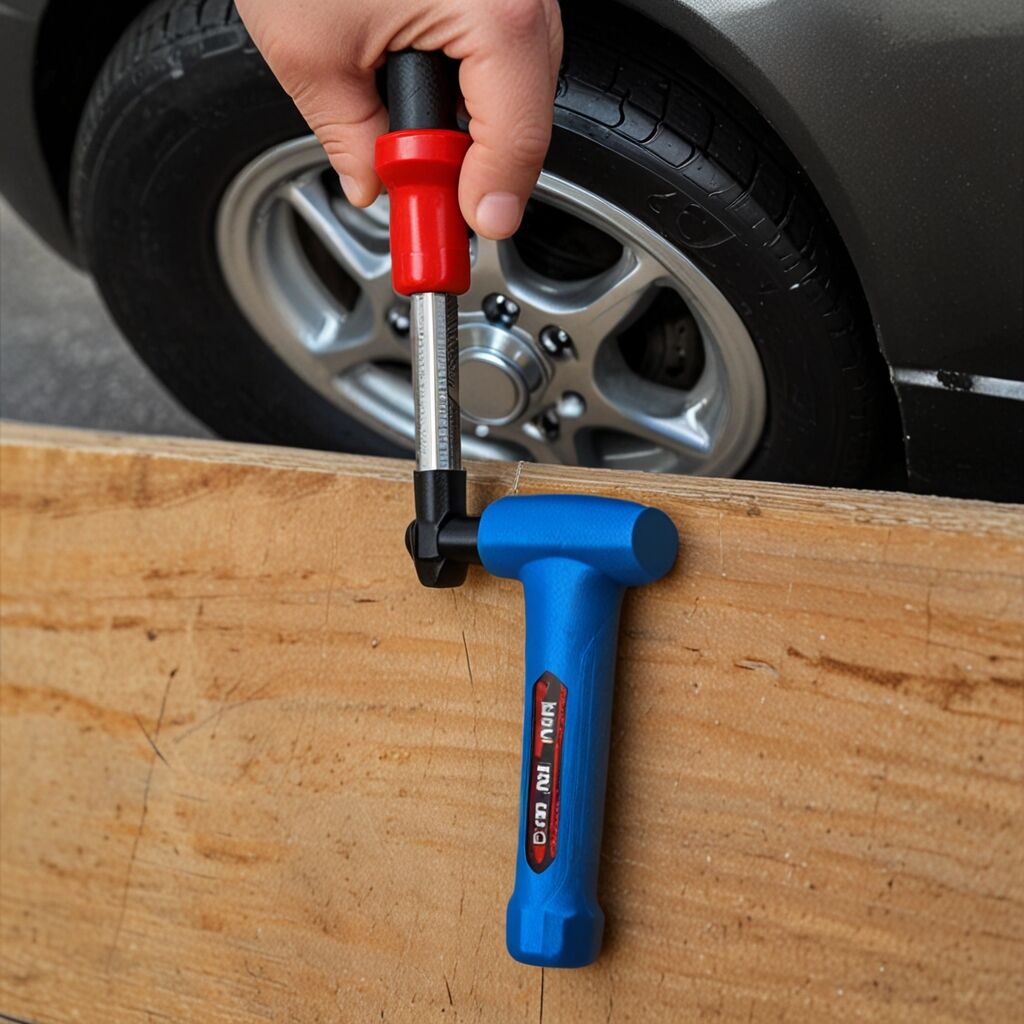
Pneumatic dent removal systems excel in specific scenarios where manual methods prove inadequate or inefficient for achieving quality results. Large dents exceeding 6 inches in diameter typically require the consistent force that only compressed air systems can provide reliably. Multiple repair situations benefit significantly from pneumatic efficiency, as technicians can process several vehicles without the fatigue that degrades manual technique quality. Deep dents or creases in high-strength steel panels often exceed the pulling capacity of manual tools, making pneumatic systems the only viable repair option. Time-sensitive repairs in commercial settings favor pneumatic tools due to their rapid setup and consistent performance characteristics. However, pneumatic systems require compressed air infrastructure and may not suit all repair environments, particularly mobile services or basic home workshops with limited equipment access.
Selecting the Optimal Pneumatic Tool for Specific Repair Requirements
Choosing appropriate pneumatic dent puller involves understanding your specific repair applications and workshop infrastructure requirements. Large panel damage typically requires stud-welding pneumatic systems that provide maximum pulling force through direct metal attachment. Smaller dents and finish-sensitive areas benefit from vacuum-cup pneumatic tools that avoid surface preparation while delivering controlled extraction force. Air pressure requirements vary between models, with most professional units operating effectively between 90-120 PSI from standard shop compressors. Tool durability becomes crucial for commercial applications, making it essential to research manufacturer reputation and warranty coverage before purchasing. Reading verified customer reviews helps identify models that perform consistently under real-world conditions and provide reliable long-term service.
Advantages of Efficient Pneumatic Dent Removal Equipment
- Pneumatic systems enable technicians to process multiple repairs consecutively without performance degradation.
- Consistent force delivery ensures uniform results across different dent types and panel materials.
- Reduced risk of overcorrection or adjacent panel damage compared to aggressive manual techniques.
- Lower physical demands allow technicians to maintain precision throughout extended work sessions.
- Faster repair completion improves shop profitability through increased daily vehicle capacity.
- Professional-quality results enhance customer satisfaction and generate positive word-of-mouth referrals.
- Simplified training requirements help new technicians achieve competency faster than with manual methods.

Maximizing Pneumatic Dent Puller Performance Through Proper Technique
Effective pneumatic dent removal requires understanding proper attachment techniques, pressure settings, and safety protocols for optimal results. Successful repairs begin with thorough dent assessment to determine appropriate pulling angle and force requirements based on metal thickness and damage severity. Surface preparation varies by attachment method, with vacuum systems requiring clean surfaces while stud-welding approaches need localized paint removal for secure connection. Pressure adjustment should start conservatively and increase gradually, allowing metal to respond naturally rather than forcing rapid extraction that may cause additional damage. Detailed comparison information helps technicians understand which pneumatic tools work best for specific dent types and vehicle panels.
Understanding When Pneumatic Methods Have Limitations
While pneumatic dent pullers excel in many scenarios, certain conditions limit their effectiveness and require alternative approaches. Very shallow dents in thin panels may respond better to paintless dent repair techniques that avoid pulling force altogether. Severely stretched metal or torn panels often require traditional bodywork methods including cutting and welding rather than pulling techniques. Pneumatic dent pullers are specifically designed for accessible surfaces, making them unsuitable for confined spaces or complex curved areas where attachment proves difficult. Cost considerations matter for occasional users, as quality pneumatic systems require significant initial investment plus ongoing compressed air infrastructure maintenance. Understanding these limitations helps technicians choose appropriate repair methods and set realistic customer expectations regarding repair outcomes and timelines.
Identifying Quality Sources for Pneumatic Dent Removal Equipment
Finding reliable pneumatic dent puller suppliers requires evaluating manufacturer reputation, product quality standards, and after-sale support capabilities. Established brands like Dent Fix Equipment, Pro Spot, and Chief Automotive offer proven pneumatic systems with comprehensive warranty coverage and technical support. Supplier evaluation should include customer service responsiveness, parts availability, and training resources that help technicians maximize tool performance. Quality pneumatic dent pullers typically range from $300-800 for basic vacuum systems and $800-2500 for professional stud-welding units, depending on features and build quality. Price comparison should consider total cost of ownership including maintenance requirements, replacement parts availability, and expected operational lifespan. Comprehensive attribute analysis provides detailed insights into specific model capabilities and performance characteristics.
Critical Features for Professional Pneumatic Dent Removal Systems
Professional-grade pneumatic dent pullers incorporate specific features that ensure reliable performance in demanding commercial environments. Robust construction using hardened steel components withstands continuous use while maintaining precision over thousands of repair cycles. Variable pressure control enables fine-tuning for different panel materials and dent complexities, typically offering 0-150 PSI adjustment range for maximum versatility. Quick-change attachment systems allow rapid tool configuration for different repair scenarios without lengthy setup delays. Ergonomic design considerations include balanced weight distribution and comfortable grip surfaces that reduce operator fatigue during extended use sessions. Quality manufacturers provide comprehensive technical documentation, training materials, and responsive customer support to ensure optimal tool utilization and maintenance.
Leading Manufacturers of Advanced Pneumatic Dent Removal Technology
- Dent Fix Equipment offers lightweight aluminum construction that reduces operator fatigue during extended repairs.
- Pro Spot provides powerful vacuum systems ideal for large panel damage and varied surface materials.
- Chief Automotive focuses on versatile attachment options suitable for different vehicle makes and models.
- Equalizer Tools emphasizes affordability while maintaining professional performance standards for smaller shops.
- STEINEL prioritizes durability through reinforced components that extend operational lifespan significantly.
- Norton features advanced pressure regulation technology that enhances repair precision and control.
- Magna Tools markets portable pneumatic systems appealing to mobile technicians and space-limited workshops.
Understanding Who Benefits from Advanced Pneumatic Dent Repair Technology
Pneumatic dent removal systems provide measurable benefits across multiple stakeholder groups within the automotive repair industry. Professional body shops experience improved productivity through faster repair completion times and increased daily vehicle capacity, typically processing 30-50% more cars with pneumatic assistance. Independent technicians benefit from reduced physical demands and consistent quality results that enhance their professional reputation and customer satisfaction ratings. Vehicle owners gain through shorter repair times, often receiving their cars back 1-2 days earlier than with traditional methods, plus potentially lower costs due to reduced labor hours. Insurance companies benefit from decreased claim processing times and more accurate repair estimates enabled by predictable pneumatic repair procedures. Time saved by pneumatic dent pullers creates value throughout the entire automotive repair ecosystem while improving service quality standards.
Specific Advantages for Different User Categories
Commercial auto body shops realize substantial operational improvements when implementing pneumatic dent removal systems in their daily workflows. These compressed air tools enable technicians to complete complex repairs efficiently while maintaining consistent quality standards across multiple vehicles. Reduced physical strain allows experienced technicians to work longer without performance degradation, while simplified operation helps newer staff achieve professional results faster. For serious DIY enthusiasts with proper workshop setups, pneumatic dent pullers offer a reliable solution for achieving professional-quality repairs on personal vehicles. However, these tools require compressed air infrastructure and represent significant investment for occasional use, making them most cost-effective for users handling multiple repairs annually or operating commercial repair services.