Dent puller operation involves using specialized automotive tools to extract vehicle body dents through mechanical traction and adhesive attachment methods. These essential bodywork tools include slide hammers, glue pullers, and pneumatic systems that restore vehicle surfaces without traditional body shop processes. Proper maintenance ensures reliable performance and extends tool lifespan through regular cleaning, inspection, and lubrication procedures. Effectively use and care for dent pullers by following manufacturer guidelines and safety protocols. At ExtremeSpec Auto, we emphasize comprehensive training that develops technical skills for automotive repair professionals and enthusiastic DIY practitioners.
Introduction to Dent Pullers in Automotive Repair
Dent pullers are specialized automotive repair tools designed to remove vehicle body dents through controlled pulling mechanisms. The primary types include slide hammer pullers, which use weighted impact for stubborn dents, glue pullers that employ adhesive tabs for gentle extraction, and pneumatic pullers powered by compressed air for efficient operation. Popular manufacturers like Ultra Dent Tools, Dent Fix Equipment, and PDR Tools offer various models suited for different repair scenarios. Professional technicians typically choose tools based on dent size, metal thickness, and accessibility requirements. Understanding these tool categories helps automotive professionals select appropriate equipment for specific repair situations while maintaining surface integrity.
Understanding Different Types of Dent Pullers
Different dent puller types serve specific repair applications based on dent characteristics and accessibility constraints. Slide hammer dent pullers excel at removing deep, creased dents where substantial force is required, using a weighted sliding mechanism along a threaded shaft. Glue pullers work best for shallow, broad dents on accessible surfaces, employing hot-melt adhesive to attach pulling tabs without surface penetration. Pneumatic dent pullers offer consistent force delivery through compressed air systems, particularly effective for production environments where speed and repeatability matter. Each tool type requires different skill sets and preparation methods, making proper selection crucial for achieving professional repair results without additional panel damage.
How Dent Pullers Function and Their Applications
Dent pullers operate on mechanical traction principles, applying controlled pulling force to deformed metal surfaces to restore original contours. The process typically involves surface preparation, attachment method selection, force application, and gradual metal reformation. Slide hammers use impact energy transferred through threaded connections, while glue pullers rely on adhesive bond strength to distribute pulling forces across broader surface areas. Pneumatic systems provide consistent, adjustable force through air pressure regulation. Understanding these mechanical principles helps technicians choose appropriate tools and techniques for different dent types, metal thicknesses, and accessibility situations encountered in automotive bodywork.
Types of Dent Pullers and Their Applications
Slide hammer pullers utilize weighted impact force for controlled metal movement, particularly effective on deep creases and areas requiring substantial pulling power. Glue pullers employ thermoplastic adhesive systems that bond temporarily to vehicle surfaces, allowing gentle extraction without drilling or welding attachment points. Pneumatic dent pullers use compressed air to deliver consistent, adjustable force through various attachment mechanisms. Reliability and efficiency of dent repair depends on matching tool capabilities to specific damage characteristics. Professional technicians consider factors like panel accessibility, paint condition, metal type, and desired finish quality when selecting appropriate pulling methods for optimal restoration results.
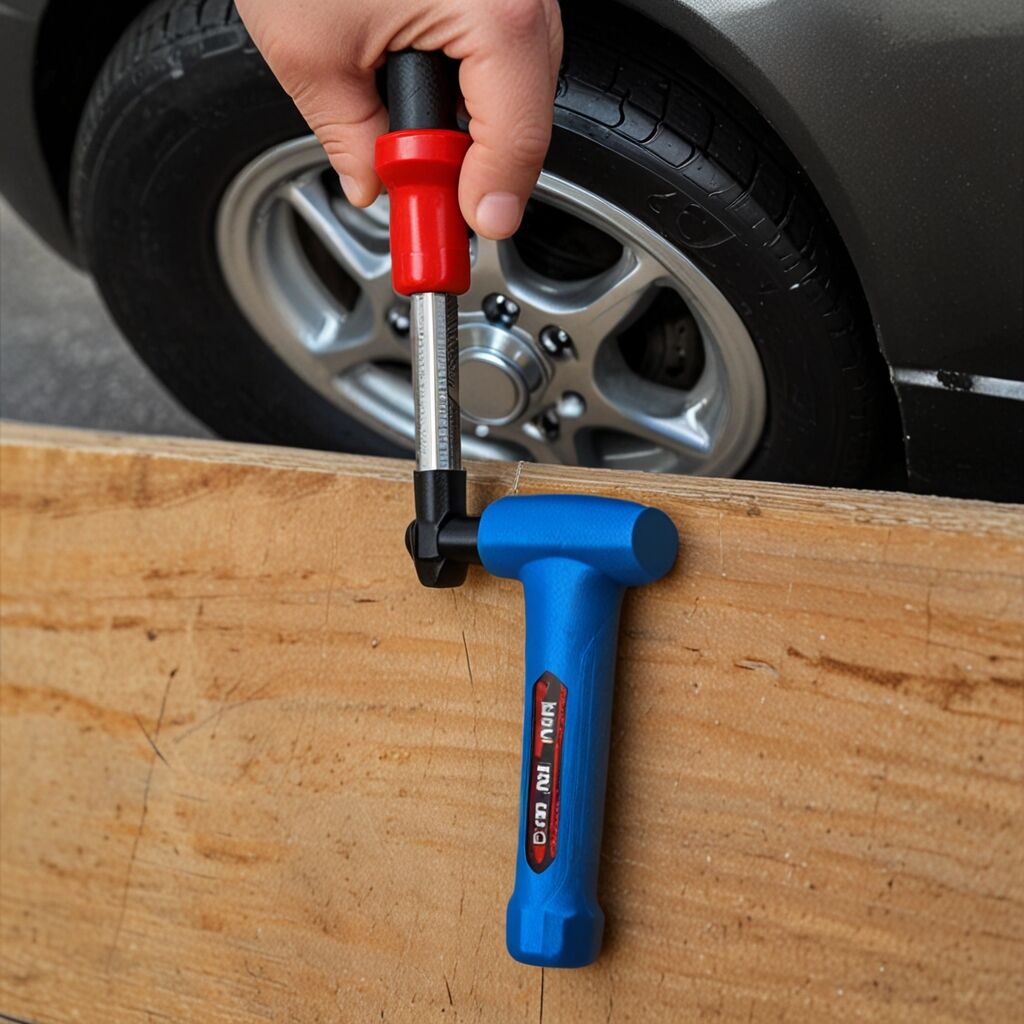
Critical Maintenance Practices for Dent Pullers
Essential dent puller maintenance includes regular cleaning to remove adhesive residue and debris, thorough inspection of mechanical components for wear signs, lubrication of moving parts according to manufacturer specifications, and functional testing before each use session. Proper maintenance significantly impacts tool reliability, pulling accuracy, and overall service life. Technicians should establish routine maintenance schedules based on usage frequency, typically involving weekly cleaning for professional shops and monthly inspection for occasional users. Early detection of wear patterns, loose connections, or damaged components prevents operational failures and maintains consistent repair quality throughout the tool’s service life.
Critical Steps for Proper Dent Puller Maintenance
Maintenance of your dent puller includes systematic procedures that preserve tool functionality and extend operational lifespan. Begin maintenance sessions by thoroughly cleaning all surfaces with appropriate solvents to remove adhesive residue, paint particles, and accumulated debris. Carefully examine threaded connections, sliding mechanisms, and attachment points for signs of wear, corrosion, or damage that could affect performance. Apply recommended lubricants to moving components, particularly slide mechanisms and pivot points, following manufacturer guidelines for lubricant type and application frequency. Complete maintenance by testing all functions under controlled conditions to verify proper operation before returning the tool to active service.
Essential Dent Puller Maintenance Benefits
- Regular maintenance prevents operational failures during critical repair projects and extends overall tool life.
- Proper cleaning removes contaminants that can interfere with adhesive bonding and mechanical operation.
- Systematic inspection identifies wear patterns before they cause complete component failure.
- Appropriate lubrication reduces friction and mechanical stress on moving parts and connections.
- Functional testing ensures reliable performance and identifies potential issues before they affect repair quality.
- Preventive maintenance reduces long-term replacement costs and maintains consistent repair capabilities.
- Well-maintained tools provide better pulling accuracy and more predictable force application.
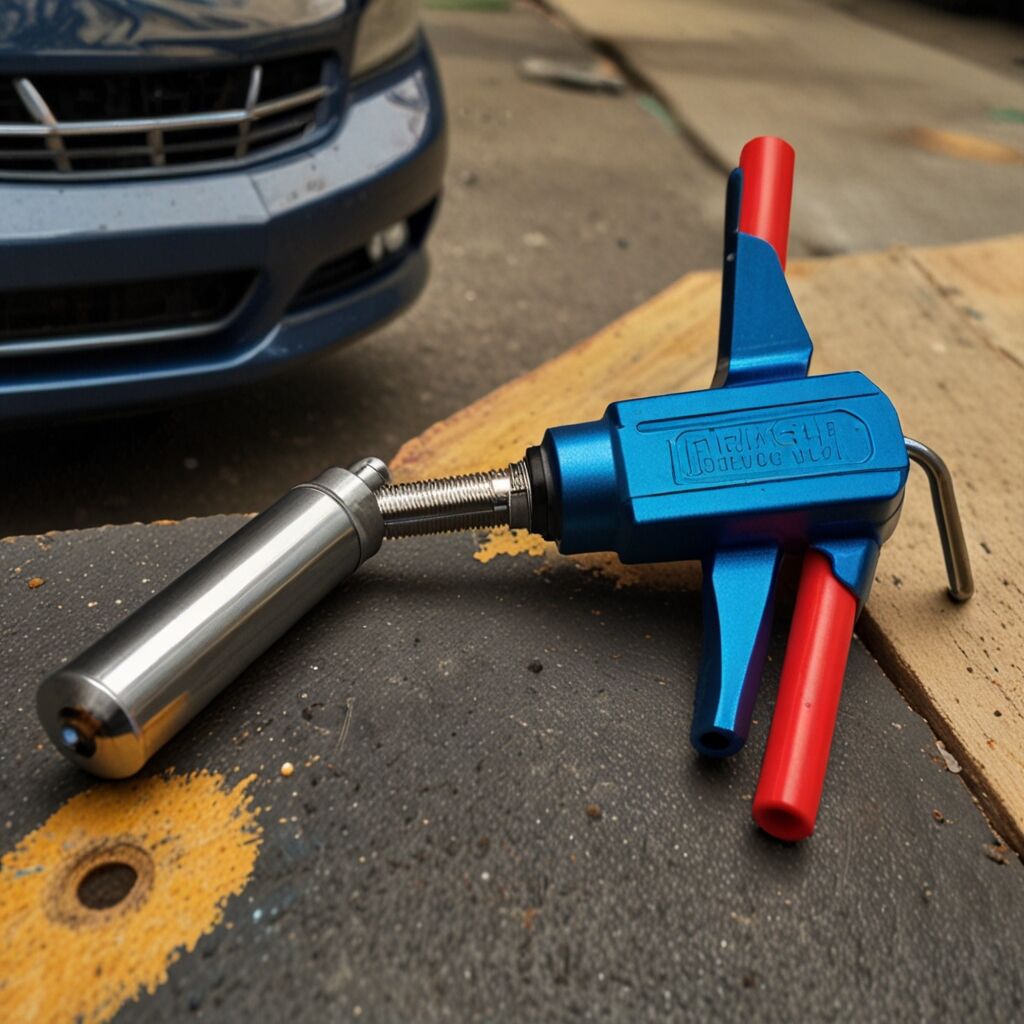
Safe Operating Procedures for Using Dent Pullers
Safe dent puller operation requires comprehensive safety protocols including proper personal protective equipment, workspace preparation, and tool inspection procedures. Always wear safety glasses to protect against flying debris and broken adhesive tabs, plus work gloves to maintain secure grip and protect hands from sharp edges. Dent puller for any visible damage including cracked components, loose connections, or worn attachment mechanisms before beginning any repair operation. Maintain organized, well-lit work areas free from clutter and potential hazards. Understanding each tool’s force limitations and proper attachment methods prevents equipment damage and ensures operator safety during demanding repair procedures.
Key Features to Consider When Choosing a Dent Puller
Selecting appropriate dent pullers involves evaluating force capacity, attachment versatility, build quality, and intended application requirements. Look for a dent puller with a reliable construction featuring durable materials like hardened steel components and corrosion-resistant finishes. Consider tools offering multiple attachment options including various tab sizes, threaded adapters, and specialized hooks for different repair scenarios. Adjustable force mechanisms allow precise control for delicate operations and varying material thicknesses. Professional-grade tools typically feature ergonomic designs that reduce operator fatigue during extended use sessions. Research manufacturer reputation, warranty coverage, and parts availability to ensure long-term support for your investment in quality repair equipment.
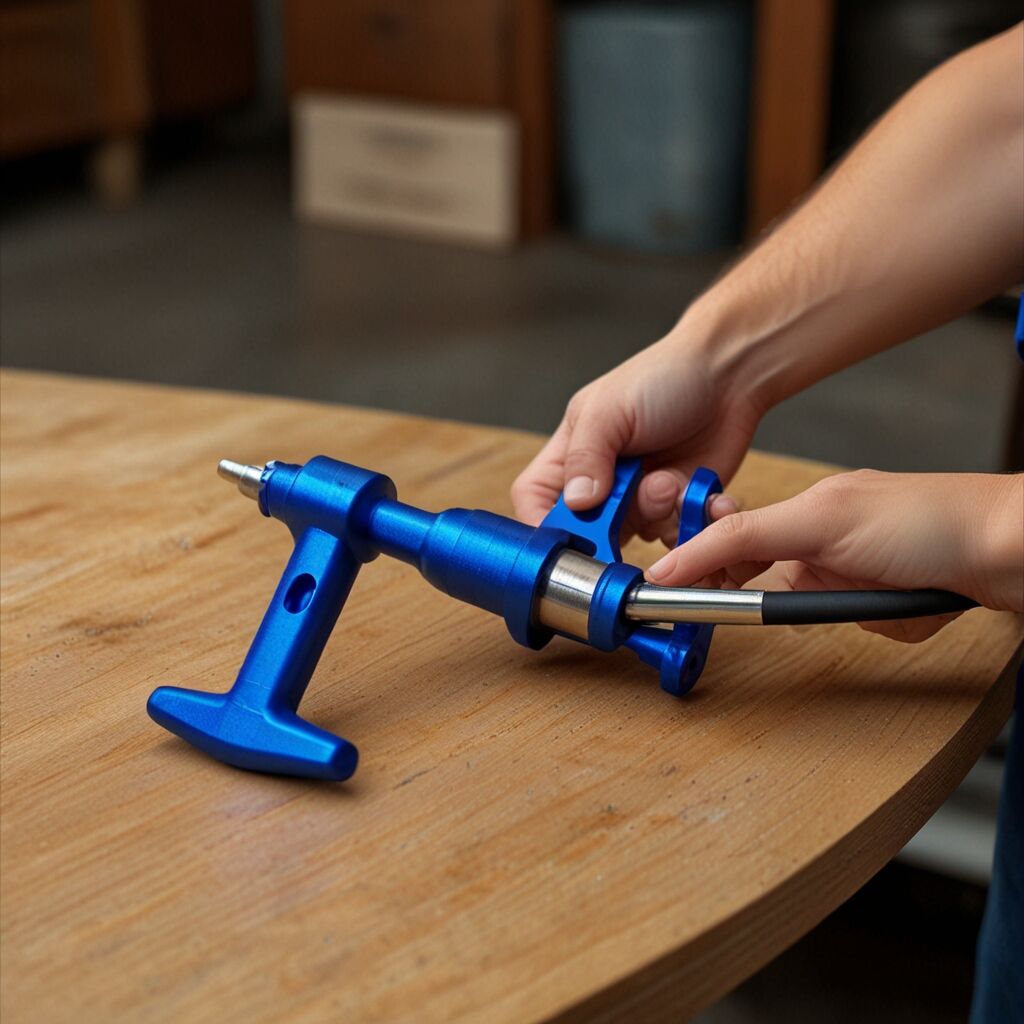
Frequent Errors to Avoid When Working with Dent Pullers
Common dent puller mistakes include improper tool selection for specific dent types, inadequate surface preparation before attachment, and excessive force application that can cause additional damage. Many operators underestimate the importance of gradual force application, leading to metal stretching or paint cracking around repair areas. Insufficient adhesive curing time with glue pullers often results in attachment failure during pulling operations. Neglecting regular maintenance schedules reduces tool reliability and can cause unexpected operational failures during critical repair phases. Understanding proper techniques for each puller type, including slide hammers, glue systems, and pneumatic tools, prevents costly mistakes and ensures successful dent removal outcomes.
Understanding Types of Dent Pullers for Effective Use
Slide hammer pullers feature weighted sliding mechanisms that deliver controlled impact force through threaded connections, making them ideal for deep dents and areas requiring substantial pulling power. Glue pullers utilize hot-melt adhesive systems to attach specialized tabs to vehicle surfaces, providing gentle extraction perfect for shallow dents and delicate panel areas. Pneumatic dent pullers employ compressed air systems for consistent force delivery, requiring air compressor access but offering precise control and reduced operator fatigue. User experience in different dent repair scenarios improves through understanding each tool’s specific strengths and limitations. Matching tool capabilities to damage characteristics ensures effective repairs while minimizing risks of additional panel damage or finish deterioration.
Benefits of Mastering Dent Repair Techniques
- Comprehensive training builds operator confidence and competence when using various dent puller types.
- Proper technique knowledge reduces repair time through efficient tool selection and application methods.
- Troubleshooting skills enable quick identification and resolution of common operational challenges.
- Regular maintenance knowledge prevents equipment failures and ensures consistent tool performance.
- Skilled operation produces higher quality repairs that meet professional standards and customer expectations.
- Understanding best practices minimizes surface damage and preserves original paint finishes.
- Advanced skills open opportunities for specialized automotive repair careers and business development.
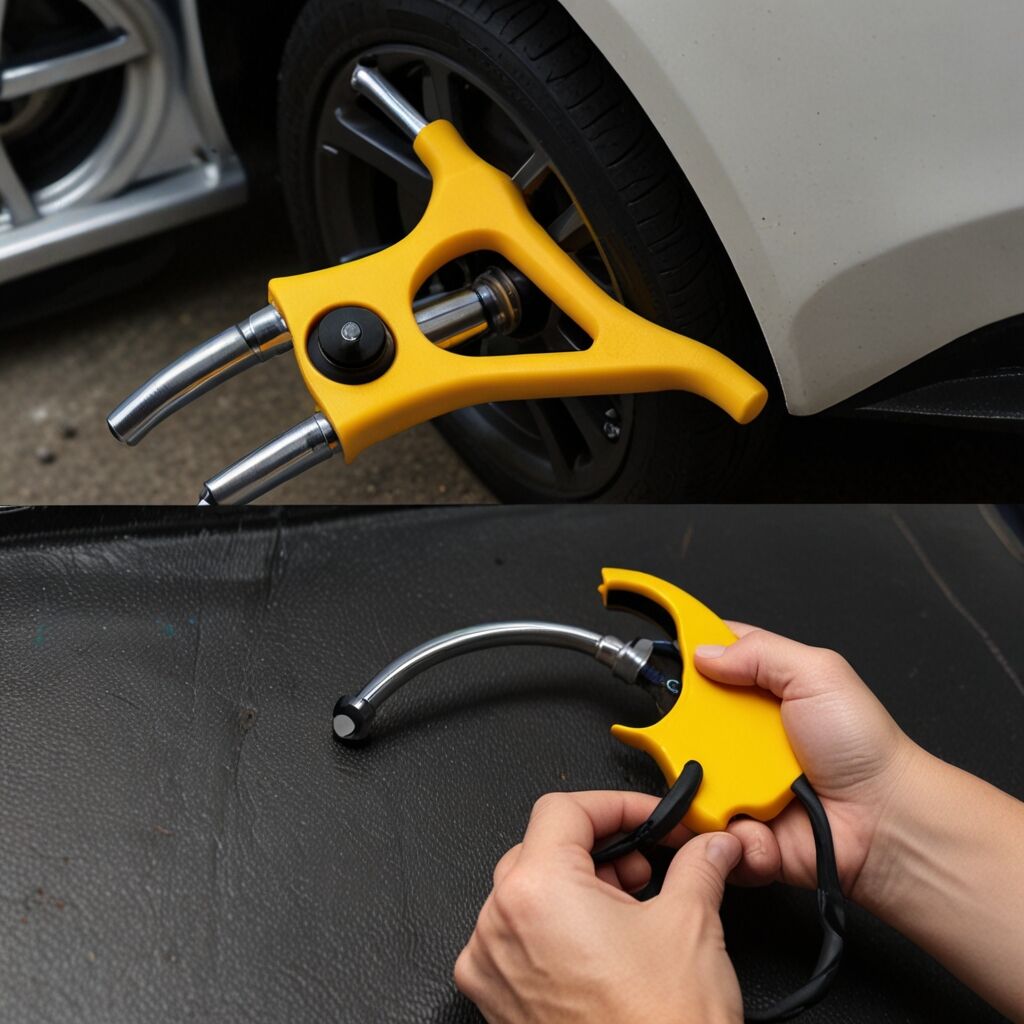
Indicators That Signal the Need for Dent Puller Servicing
Signs that indicate a dent puller requires immediate servicing include inconsistent force delivery, unusual mechanical noises during operation, visible component wear, and reduced attachment reliability. Operators should monitor pulling effectiveness and note any decline in tool responsiveness or accuracy. To ensure their dent puller continues performing optimally, technicians must conduct regular functional assessments and component inspections. Mechanical symptoms like binding slide action, loose threaded connections, or damaged attachment points require immediate attention to prevent operational failures. Establishing regular inspection schedules helps identify maintenance needs before they impact repair quality or create safety hazards during demanding pulling operations.
Essential Maintenance Practices for Dent Pullers
Systematic maintenance practices ensure dent puller longevity and consistent performance through regular inspection schedules and preventive care protocols. Operators should examine rubber seals, O-rings, and gaskets for deterioration that could affect pneumatic systems or allow contaminant entry. Metal components require inspection for corrosion, stress cracks, or excessive wear that might compromise structural integrity during high-force operations. Post-use cleaning removes adhesive residue, metal particles, and environmental contaminants that can interfere with proper operation. Lubrication schedules should follow manufacturer recommendations for specific grease types and application intervals. Maintaining detailed service records helps track component replacement needs and identifies recurring issues that might indicate operational problems requiring professional attention.
Resources for Further Education on Dent Puller Techniques
The best resources for dent puller training include professional development platforms like automotive trade schools, manufacturer training programs, and online educational resources. Many tool manufacturers offer specialized courses covering their specific equipment, including operational techniques, maintenance procedures, and safety protocols. Industry associations provide certification programs that validate technical competency and professional standards. Online platforms feature video demonstrations, interactive modules, and peer discussion forums where experienced technicians share practical insights. Hands-on workshops at automotive events and trade shows offer direct experience with various tool types and techniques under expert supervision, providing valuable practical experience for developing professional skills.
Recommended Online Courses for Dent Pulling Skills
On dent puller resources that enhance technical skills, educational platforms like automotive trade publications, manufacturer websites, and professional forums provide comprehensive learning materials. Provides comprehensive training on dent repair techniques through structured modules covering tool selection, surface preparation, force application, and quality assessment. Many programs include practical exercises, case studies, and assessment tools that validate learning progress. When evaluating educational resources, prioritize content that covers safety protocols, tool maintenance, and troubleshooting procedures alongside operational techniques. Quality training programs feature expert instruction, current industry practices, and certification options that demonstrate professional competency to employers and customers.
Leading Manufacturers in Automotive Dent Repair Equipment
- Ultra Dent Tools specializes in paintless dent repair equipment with comprehensive tool lines for professional applications.
- Dent Fix Equipment offers affordable solutions suitable for small shops and independent technicians.
- PDR Tools focuses on precision instruments designed for paintless dent repair specialists and training programs.
- Dead Dent Tools provides high-force pullers excellent for severe dents and heavy-duty applications.
- Equalizer Tools manufactures versatile equipment suitable for various automotive glass and body applications.
- Blackhawk Automotive offers pneumatic systems ideal for high-volume repair environments and production shops.
- Martin Tools produces reliable manual pullers suitable for general automotive repair and maintenance applications.
The Advantages of Professional Training for Dent Puller Operation
Training for dent puller operation offers significant advantages including skill development, safety knowledge, and technical competency that enhance repair quality and operational efficiency. Professional instruction provides hands-on experience with various tool types, proper technique demonstration, and troubleshooting guidance from experienced instructors. Essential insights into advanced dent repair methods through structured curricula that progress from basic operations to complex repair scenarios. Comprehensive programs address common challenges, safety protocols, and maintenance requirements that ensure safe, effective tool operation. Professional certification validates technical competency and demonstrates commitment to quality standards that benefit career advancement and customer confidence.
Comparison of Training Programs for Dent Pullers
Training program selection should consider curriculum depth, instruction quality, hands-on components, and certification value for career development goals. Specific modules focusing on dent puller operation typically include tool selection, surface preparation, attachment methods, force application techniques, and quality assessment procedures. Program formats range from intensive weekend workshops to extended certification courses spanning several weeks. Costs vary significantly based on program length, included materials, and certification credentials provided. Online training offers flexibility for working professionals, while in-person instruction provides direct equipment access and immediate instructor feedback. Always review program content to ensure coverage of safety protocols, maintenance procedures, and practical application opportunities that develop real-world competency.