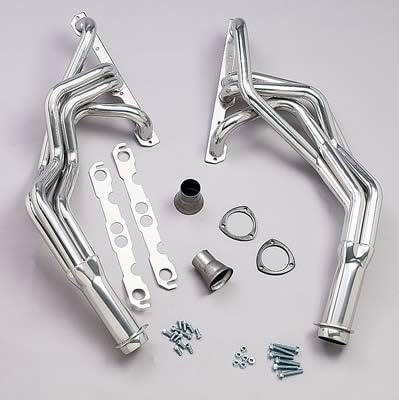
HEDMAN 68126 Engine Computers for CHEVY PASS CAR 55-57 (HTC)
Category: Engine Computers
Check Current PriceChoose HEDMAN 68126 when you need vehicle-specific metallic-ceramic coated headers for Chevy builds. It fits street rod applications and many period-style restorations with 1.625 inch tubes. Consider Engine Computers when you plan electronic fuel or ignition upgrades alongside exhaust changes.
When to Use HEDMAN 68126 in Street Rod and Chevy Builds
Use the 68126 header when you require a vehicle-specific exhaust header with durable coating and compact collectors. The part ships as HEDMAN Elite HTC series, part number 68126, and includes a metallic-ceramic finish that reduces surface heat and resists corrosion. Confirm Engine Computers or aftermarket ECU plans first because oxygen sensor locations or backpressure changes affect tuning and emission control strategies in EFI conversions. Choosing this header benefits builders who prioritize long-lasting finish and straightforward bolt-on replacement for specific passenger Chevy applications.
Key product specifications and identifiers
- Brand: HEDMAN; Model: 68126; Series: Elite HTC
- Finish: Metallic-Ceramic Coated; Tube size: 1.625 in; Collector: 3 in
- Price: 574.99 USD; Part number: 68126; Replacement gasket: 27520
- Package: 9.5 x 46.0 x 18.5 inches; Weight: 32.0 pounds
How does this intake manifold fit classic small-block Chevy timelines?
HEDMAN 68126 provides headers for exhaust, not an intake manifold, so it does not define intake-era authenticity. The header aligns with reproduction or upgraded exhaust practices for mid 20th century Chevy cars while using modern coatings and tube sizing. Builders seeking strict intake-era correctness must pair these headers with period-appropriate intake manifolds and carburetors, ensuring visual and functional compatibility. Using this header improves longevity and lowers under-hood temperatures, aiding long-term restoration reliability.
Choosing Intake Manifolds for Period-Correct Chevy Restorations
Select intake manifolds by matching casting style, bolt patterns, and carburetor pad configuration to your restoration era and engine family. OEM-style iron manifolds suit authentic 1950s looks, while aluminum performance manifolds from Edelbrock or Offenhauser change weight and highway drivability. When you add modern Engine Computers or EFI, choose intake plenums and throttle bodies made for retrofit conversions to minimize fabrication. Prioritize manifolds that preserve visual cues while allowing the performance or emissions upgrades you plan.
Which period carburetor spacers suit early 1950s Chevy engines?
Phenolic 1/4-inch spacers improve idle and reduce heat transfer under the carburetor. Holley and Edelbrock offer common phenolic and aluminum spacers in sizes 1/8″, 1/4″, 1/2″, and 1″, and each size changes airflow and torque curves subtly. Use thinner spacers (1/8″-1/4″) to tighten throttle response on small displacement 1950s mills; use 1/2″ or 1″ to broaden low-end torque on mild camshafts. Phenolic material (a heat-insulating composite) reduces heat soak, protecting fuel mixture and maintaining more stable idle.
HEDMAN 68126: Timing for Period-Correct Chevy Street Rods
Install the 68126 header when you have confirmed vehicle-specific fitment and you accept a modern finish on a period restoration. The metallic-ceramic coating and 1.625 inch tubes give corrosion resistance and thermal control without pretending to be cast-iron originals. Note that product listings lack a complete compatibility list, warranty terms, and installation instructions, so plan fit verification and hardware sourcing before purchase. The practical impact means you may need custom hangers, gaskets (replace with part 27520), or slight fabrication for absolute period-correct presentation.
When should I prioritize bolt pattern and port alignment for upgrades?
Correct bolt-pattern matching prevents exhaust leaks and simplifies installation. Prioritize flange alignment whenever swapping manifolds, headers, or changing to aftermarket intake pieces to avoid adapter plates and re-torque cycles. Check port sizes and offsets if you upgrade camshafts, heads, or add EFI, because mismatched ports reduce flow and hurt power. Follow-up Qs readers search next: Will 68126 fit my 1955 Chevy? Check vendor fitment and expect vehicle-specific requirements; How do I tune Engine Computers after header change? Recalibrate oxygen-sensor-based tuning and adjust fuel trims for new backpressure.