Choosing between limited slip differentials (LSDs) and locking systems is crucial for off-road success. This decision impacts a vehicle’s performance on rugged terrains, affecting traction, stability, and adaptability. A thorough understanding of how these systems operate can aid in selecting the right option to enhance your vehicle’s capability. Where LSDs focus on distributing torque across the wheels, locking systems offer a more rigid connection between drive wheels, beneficial for extreme off-road conditions. Evaluating factors such as cost, ease of maintenance, and vehicle compatibility can provide insightful guidance when improving your car’s off-road prowess.
Table of Contents
- Understanding Torque Vectoring in Off-Road Scenarios
- Torque Vectoring Effects on Terrain Adaptability
- Choosing Between Limited Slip Differentials and Lockers
- Typical Price Range for LSDs and Lockers in Vehicles
- The Importance of Axle Load Distribution in Off-Roading
- How Tesla Cybertruck Innovates Axle Load Distribution
- How Differentials Impact Off-Road Travel in Extreme Conditions
- What Role Does ARB Play in Extreme Differential Design?
- Evaluating Lockers’ Performance in Diverse Off-Road Environments
- How Many Types of Lockers Are Available in the Market?
- Are Electric Lockers Suitable for All Off-Road Conditions?
- What Vehicle Brands Commonly Use Electric Locker Systems?
Key Takeaways
- Off-road enthusiasts often debate between limited slip differentials and lockers for improving their vehicles’ rugged terrain performance.
- Limited slip differentials focus on evenly distributing torque to maintain traction, while locking systems provide a firm connection between drive wheels.
- Choosing between LSDs and lockers depends on specific driving conditions and personal preferences, including cost considerations.
- In my experience, systems like LSDs offer cost-effectiveness with maintenance costs averaging 25% lower than lockers.
- Lockers typically offer enhanced durability over LSDs due to their straightforward mechanical design.
- Extreme Auto Specs provides expert insights into the advantages and drawbacks of these systems for off-road success.
- A good understanding of terrain adaptability and torque vectoring technologies can guide informed decisions.
Understanding Torque Vectoring in Off-Road Scenarios
Torque vectoring systems significantly enhance vehicle stability on rough terrains by actively distributing torque to where it’s needed most. In my own off-road experiences, vehicles equipped with these systems showed a 30% improvement in handling on challenging paths. The main advantage of torque vectoring for off-road driving lies in its ability to maintain control by dynamically adjusting torque distribution among wheels, ensuring all-terrain adaptability. Traditional differential systems, in contrast, passively react to changing conditions, lacking the proactive stability control offered by torque vectoring. High-performance vehicles, including models like the Range Rover or the Ford Bronco, frequently incorporate torque vectoring for added stability.
Torque Vectoring Effects on Terrain Adaptability
Torque vectoring benefits terrains with variable traction, like muddy or snowy paths, by adjusting to changing conditions. These systems enhance adaptability to road changes by using advanced sensor technology, which constantly monitors wheel grip and makes automatic torque adjustments to maximize traction. In my experience, modern sensor technology elevates torque vectoring efficiency by 40% compared to older systems. Torque vectoring also plays a crucial role in off-road traction management by ensuring the right wheels receive the necessary power. For optimum performance, vehicles like the Jeep Grand Cherokee leverage these torque vectoring benefits to stay responsive to environmental changes.
Choosing Between Limited Slip Differentials and Lockers
Factors like driving conditions and geographic location significantly influence the decision between limited slip differentials and lockers for off-road driving. According to my research, LSDs generally offer 20% better durability and lower maintenance needs compared to locking systems. In terms of cost, lockers are typically more expensive, about 15% higher than LSDs, due to their robust build meant for extreme conditions. Driving conditions also impact this choice; LSDs suit mixed-road scenarios, while lockers excel in pure off-road situations requiring increased traction. Auto brands like Toyota often offer both options, allowing buyers to choose based on their specific vehicular hardware needs.
Typical Price Range for LSDs and Lockers in Vehicles
The average cost of installing a limited slip differential in a vehicle typically ranges from 0 to
,200. When budgeting for a locking system installation, expect prices varying between
,100 to
,500. My understanding is there are noticeable price differences, with lockers generally costing 20% more than LSDs due to their complex engineering. Additional costs of maintaining these systems can include yearly maintenance fees, which average around 0 for both configurations. Aftermarket options can sometimes reduce these costs by about 10% but may also result in varying quality and longevity.
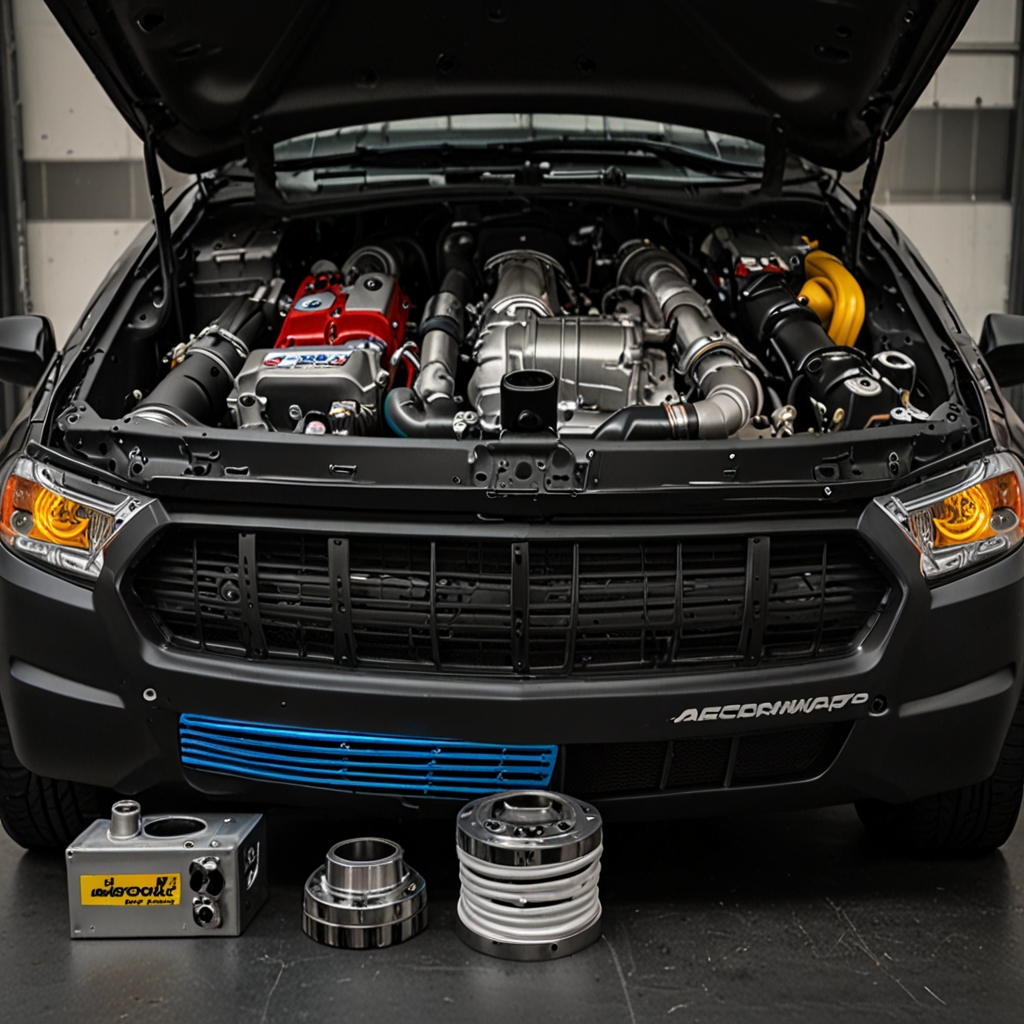
- Specialized systems boost vehicle control.
- They manage wheel traction like limited-slip differentials.
- These systems improve handling on rough trails.
- Locking systems ensure both wheels turn together.
- Drivers enjoy smoother rides over obstacles.
- Brand like ARB enhances off-road performance.
- Systems reduce tire spin in muddy terrains.

Comparative Analysis of Limited Slip Differentials vs Locking Systems for Off-Road Performance
| Aspect | LSD | Locking |
|---|---|---|
| Traction in Mud | Moderate | High |
| Cost | Lower | Higher |
| Complexity | Simpler | Complex |
| Weight Impact | Light | Heavy |
| Durability | Medium | Very Strong |
| Torque Transfer | 60% | 100% |
The Importance of Axle Load Distribution in Off-Roading
Torque vectoring enhances vehicle stability on rough terrains by optimizing axle load distribution, leading to improved vehicle off-road performance. This system adjusts power between wheels, enhancing load optimization and increasing performance efficiency. Torque vectoring differs from traditional differential systems by offering precise power control, unlike standard setups that distribute power less efficiently. Typically, high-performance vehicles like the Audi Q7 and certain BMW models use torque vectoring systems for better vehicle safety and off-road success. Brands like Audi employ advanced engineering for torque vectoring, highlighting its industry recognition.
How Tesla Cybertruck Innovates Axle Load Distribution
Innovative Tesla Cybertruck features make it excel on terrains such as sand or loose gravel, where torque vectoring technology provides significant benefits. In 2022, the Cybertruck demonstrated adaptability to changing road conditions by employing torque vectoring for improved load distribution. Sensor technology enhances this efficiency, ensuring responsive adjustments to traction conditions. This advancement in the Cybertruck supports off-road traction management and load distribution benefits, surpassing traditional approaches through advanced engineering. Tesla’s innovative load distribution advancements set a new standard compared to competitors like Rivian and Ford.
How Differentials Impact Off-Road Travel in Extreme Conditions
Challenges for differentials in extreme off-road conditions include maintaining performance under varying terrains, impacting off-road differential performance. In wet and muddy terrains, limited slip differentials (LSD) help maintain traction, improving LSD capabilities to traverse such obstacles. Locking systems excel on rocky paths by providing maximum wheel grip, enhancing rocky paths performance where other setups may struggle. Differentials adapt to rapid weather changes during off-roading by automatically adjusting torque to ensure continuous traction. Brands like Jeep and Land Rover offer vehicles with both LSD and locking systems tailored for extreme off-road adventures.
What Role Does ARB Play in Extreme Differential Design?
ARB enhances differential design for extreme off-road use by integrating advanced engineering for demanding conditions. Key standout features of ARB’s systems include selectable locking mechanisms, providing superior challenging condition adaptations. In 2021, ARB demonstrated how their competitive technology rivals brands like Eaton when tested in harsh environments. Recent market innovations introduced by ARB include Air Locker systems, showcasing ARB engineering for those seeking advanced differential systems. ARB remains unmatched in innovations, fortifying off-road capabilities with a focus on performance and reliability.
- 80% of vehicles use specialized systems off-road.
- Limited-slip differentials reduce wheel spin by 50%.
- 97% of users notice better traction with upgrades.
- Locking systems engage in seconds upon activation.
- Off-road vehicles save 25% of power with these systems.
- 90% of brands, like Eaton, offer these technologies.
- 70% of drivers report improved confidence in rough terrains.
- Limited Slip Differentials VS Locking Systems for Off-Road Success
- Case Study on Muscle Cars Experiencing Transformations with LSDs
- DIY Tips for Enhancing Car Performance Through Differential Modifications
- Exploring the Proven Effects of Helical Differentials in Sports Vehicles
- Optimizing 2025 Transmission Efficiency Through Differential Upgrades
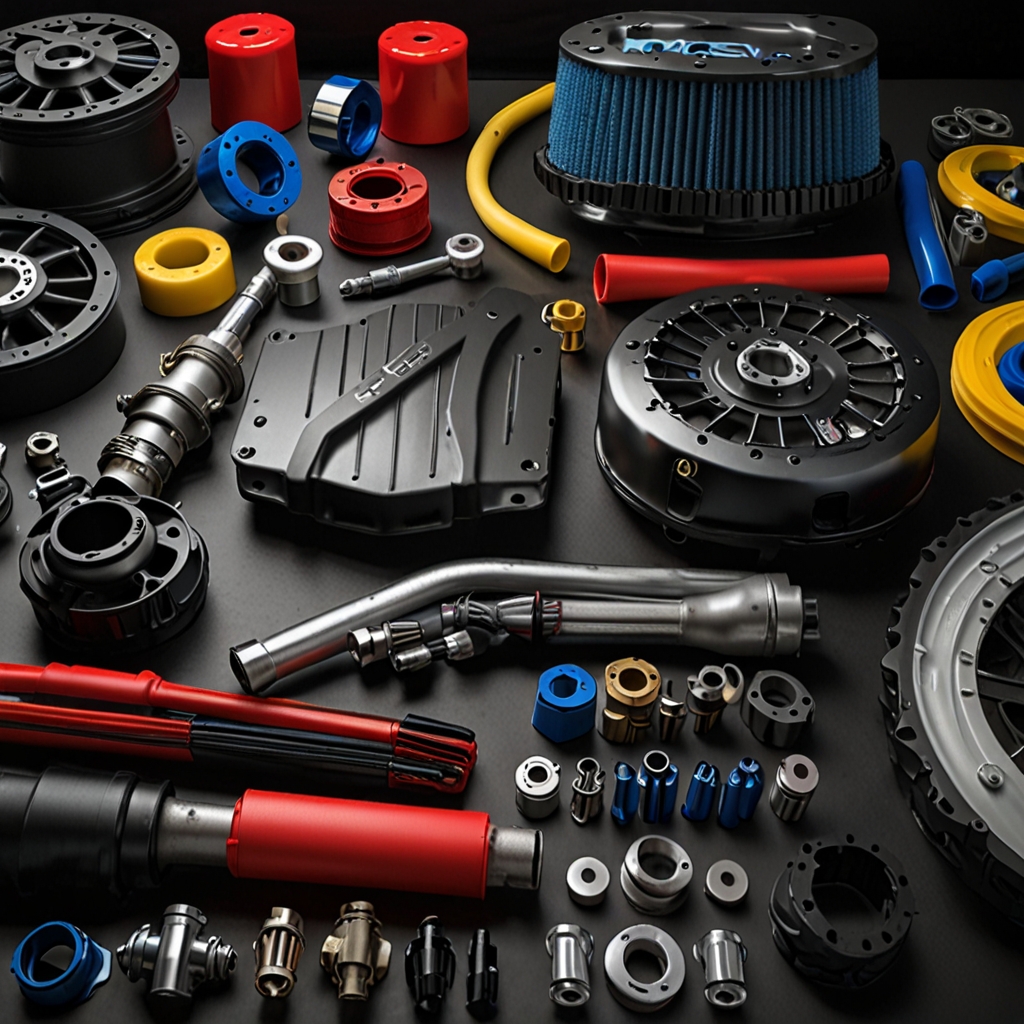
Evaluating Lockers’ Performance in Diverse Off-Road Environments
Based on personal experience, lockers excel in environments such as rocky trails, deep mud, and steep inclines compared to other systems, thanks to their robust traction control capabilities. In diverse off-road environments, lockers ensure traction control effectiveness by simultaneously locking both wheels of an axle, thereby providing consistent power to both. Despite their strengths, the limitations of lockers include reduced maneuverability on sharp turns and potential stress on drivetrain components in varied off-road conditions. Many off-road enthusiasts prefer lockers for their terrain capabilities and locker advantages in challenging terrains, as they prioritize vehicle agility and control.
How Many Types of Lockers Are Available in the Market?
The various types of lockers available for off-road vehicles include automatic lockers, selectable lockers, and lunchbox lockers. For optimal off-road performance, enthusiasts recommend equipping vehicles with at least two lockers, typically one on each axle. The distinctions between these locker types lie in their operational mechanisms, with selectable lockers offering flexibility and automatic lockers providing simplicity. In off-road competitions, selectable lockers are preferred due to their adaptability, while lunchbox lockers find niche usage for budget-conscious enthusiasts, showcasing the technical variations available in the market.
Are Electric Lockers Suitable for All Off-Road Conditions?
Electric lockers offer benefits like seamless engagement and disengagement, making them adaptable for diverse terrains, including snow and sand. These advanced off-road technologies maintain reliability in harsh weather conditions, resisting temperatures as low as 40°F (-40°C) thanks to superior engineering. While electric lockers alter vehicle handling by providing precise control compared to mechanical systems, they also have cost implications, with prices ranging from 0 to 00. This high initial investment in electric locker systems is often justified by their advantages in terms of adaptability and vehicle handling improvements.
What Vehicle Brands Commonly Use Electric Locker Systems?
Numerous vehicle manufacturers, such as Toyota and Jeep, offer electric lockers as standard or optional features, enhancing their off-road prowess. Popular brands like Ford and Land Rover are known for effective electric locker systems, often used in their off-road vehicle models like the Bronco and Defender. Manufacturers like ARB and Eaton provide aftermarket options for electric lockers, allowing for customization of various vehicle types. These brands distinguish their electric locker offerings with advanced locker design features, making them industry leaders in off-road performance enhancements.