A car gearbox is a mechanical transmission system that transfers power from an engine to the wheels of a vehicle. It manages the relationship between the engine’s rotational speed and the vehicle’s travel speed by providing different gear ratios and a way to change those ratios while the vehicle is moving.
The problem a gearbox solves is the mismatch between engine efficiency and vehicle speed. Internal combustion engines have a limited range of RPM (revolutions per minute) where they produce usable power. At low speeds, an engine needs high torque to move a heavy vehicle from a standstill; at high speeds, the engine needs to spin at a lower relative rate to maintain efficiency. A gearbox allows the engine to stay within its optimal power band while the wheels spin at the necessary speed for travel.
How does a car gearbox work?
A car gearbox works by using a series of gears of different sizes to multiply or divide the torque and speed delivered from the engine.
- The engine turns an input shaft, which is connected to the first set of gears.
- When a specific gear is engaged, the teeth of the input gear mesh with the teeth of an output gear.
- A smaller gear driving a larger gear provides a high-torque, low-speed ratio, which is necessary for starting from a stop or climbing steep inclines.
- A larger gear driving a smaller gear provides a low-torque, high-speed ratio, allowing the vehicle to maintain high speeds without the engine over-revving.
- The output shaft then carries this adjusted rotation to the driveshaft or differential, which finally turns the wheels.
Car Gearboxes we have reviewed in detail
Prices across these 3 run from $140.59 to $340; each one has a full review here.
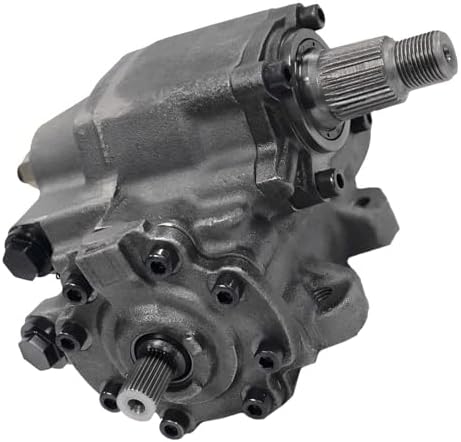
Detroit Axle Front Gear Box Kit Jeep Wrangler
$340 price checked August 2026
Read our full Detroit Axle Front Gear Box Kit Jeep Wrangler review
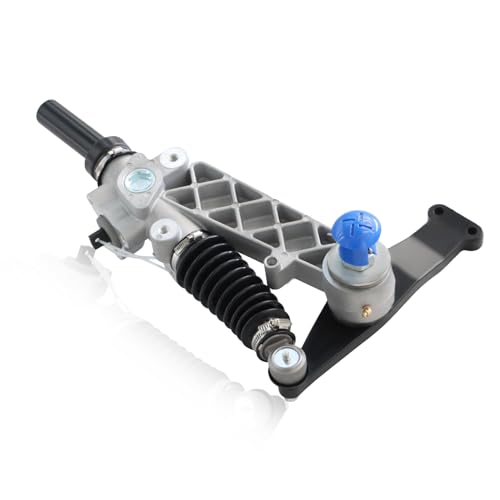
TXT Medalist Golf Cart Steering Gearbox Assembly
$140.59 price checked August 2026
If you are upgrading a recreational vehicle, compare the best golf cart steering gearbox assembly options for improved maneuverability.
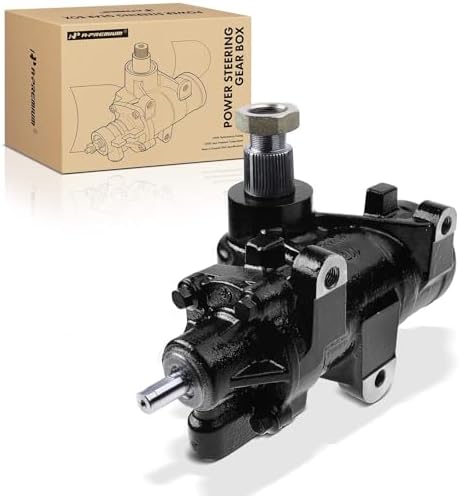
Power Steering Gear Box for Silverado Sierra 2500
$288 price checked August 2026
Read our full Power Steering Gear Box for Silverado Sierra 2500 review
Parts and stages that matter to a buyer
Understanding the components of a gearbox helps determine how a replacement unit will affect the mechanical feel and longevity of a vehicle.
Gear Ratios and Torque Multiplication
Gear ratios are the mathematical relationship between the number of teeth on the input gear versus the output gear. A higher numerical ratio (such as 4.10:1) provides more torque for acceleration, while a lower ratio (such as 3.00:1) allows for higher cruising speeds. If a buyer selects a gearbox with a ratio that deviates from the original equipment manufacturer (OEM) specification, the vehicle may feel sluggish off the line or struggle to reach highway speeds.
Synchronizers and Shift Quality
Synchronizers are mechanical components that ensure the speeds of the gears match before they engage. They use friction to bring the gear and the shaft to the same rotational speed. A high-quality synchronizer reduces the grinding sensation during gear changes and allows for smoother transitions. In older or lower-tier units, poor synchronizer engagement can lead to “notchy” shifting or premature wear on the gear teeth.
Input Shaft Diameter and Alignment
The input shaft is the first component the engine’s power hits. It must have a precise diameter that matches the gearbox housing and the engine’s output. A mismatch in input shaft diameter prevents the gearbox from sliding onto the steering column or engine mount. Buyers must confirm that the shaft diameter is identical to the OEM specification to ensure a physical fit.
To better understand the technical data, learn common gearbox terms and specs explained for everyday users.
Housing Bolt Pattern and Mounting
The housing bolt pattern refers to the specific arrangement of holes used to secure the gearbox to the vehicle’s chassis or subframe. Even if the internal gears are correct, a deviation in the housing bolt pattern means the unit cannot be bolted into place. This is a critical measurement for any replacement gearbox assembly.
What does a gearbox change in practice?
The presence and quality of a gearbox change how a vehicle handles different driving environments, specifically regarding acceleration, fuel economy, and noise.
Acceleration and Torque Delivery
A gearbox with aggressive, shorter gears provides faster initial acceleration. This is beneficial in heavy-duty towing or off-road scenarios where the vehicle must overcome significant resistance. However, these same gears may cause the engine to run at a higher RPM during highway cruising, which can increase fuel consumption and engine noise.
Highway Cruising and Engine Stress
A gearbox with “overdrive” or taller gears allows the vehicle to travel at high speeds while the engine spins at a lower, more relaxed RPM. This reduces heat buildup in the engine and improves fuel efficiency. If a vehicle is equipped with a gearbox that lacks a sufficiently high top gear, the engine may reach its redline prematurely, limiting the vehicle’s top speed and increasing mechanical strain.
Mechanical Feel and Engagement
The precision of the internal components dictates the “feel” of the drive. A high-quality remanufactured unit with precision-ground gears and high-quality synchronizers will mimic the smooth engagement of a new factory part. A lower-quality unit may exhibit vibration or a “whining” noise, especially under heavy load, due to slight tolerances in the gear meshing.
Who needs a replacement car gearbox?
A replacement car gearbox is necessary when the existing unit suffers from mechanical failure or significant performance degradation.
Mechanical Failure and Wear
A buyer needs a new gearbox if the current unit experiences gear stripping, where the teeth on the gears have worn down or broken. This usually results in the vehicle being unable to stay in gear or making a grinding sound when shifting. If the gearbox is leaking excessive fluid or producing a metallic rattling sound, the internal bearings or gears may be failing.
Performance and Torque Limits
A different gearbox is required when a vehicle’s intended use exceeds the capabilities of the original transmission. For example, a vehicle modified for heavy towing may require a gearbox with a different gear ratio to handle the increased weight. In these cases, the buyer must ensure the new gearbox’s housing bolt pattern and input shaft diameter are compatible with the existing drivetrain.
When a gearbox is not needed
A buyer does not need a gearbox replacement if the issue is related to the clutch, the flywheel, or the shift linkage. If the gears are turning correctly but the vehicle is slipping or difficult to engage, the problem is often in the friction components of the clutch system rather than the gearbox itself. Before ordering a gearbox, a professional installer should confirm that the internal gear teeth are intact and the input shaft is undamaged.
The other Car Gearbox guides we have published
- Choosing the Best Golf Cart Steering Gearbox Assembly for Smooth Handling
- The Power Steering Gear Boxes That Work Best for GMC Sierra 2500 3500 HD
- Which Steering Gearbox Assembly Is Best for Polaris?
- Best Replacement Power Steering Gearbox Assembly for Jeep Wrangler TJ
- Heavy Duty Steering Gearbox Assemblies for Chevrolet Silverado 2500 3500 HD Compared