Typical car gearbox warranties range from 12 to 24 months, though some specialized units may offer longer periods. The most common reason a gearbox warranty claim is refused is the failure to provide proof of regular maintenance, specifically regarding fluid changes and lubrication levels.
What does a car gearbox warranty normally cover or exclude?
A car gearbox warranty normally covers manufacturing defects and internal component failures that occur under normal operating conditions. Coverage usually applies to the core mechanical assembly rather than external accessories or wear items.
- Internal gear teeth fractures
- Manufacturing defects in the casing
- Synchronizer assembly failures
- Bearing seizures caused by material flaws
- Shift fork breakage due to casting issues
Warranty exclusions typically focus on issues caused by driver behavior, environmental factors, or external damage. Because a gearbox relies on specific fluids and conditions, many exclusions are tied to the maintenance history of the vehicle.
- Damage from over-revving or “money shifting”
- Fluid contamination or incorrect oil viscosity
- Damage caused by incorrect clutch engagement
- External impact or housing cracks from collisions
- Normal wear on friction plates and discs
Reviewed examples from this category
3 reviewed options, $140.59 to $340, with the full write-up behind each name.
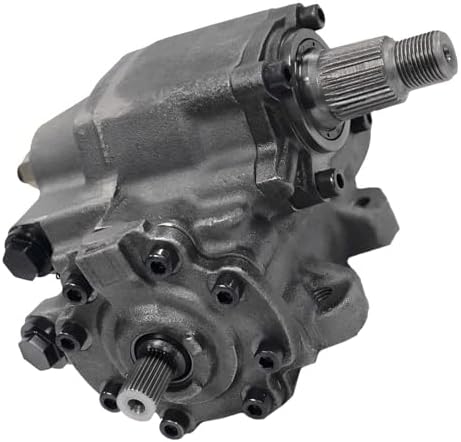
Detroit Axle Front Gear Box Kit Jeep Wrangler
$340 price checked August 2026
Read our full Detroit Axle Front Gear Box Kit Jeep Wrangler review
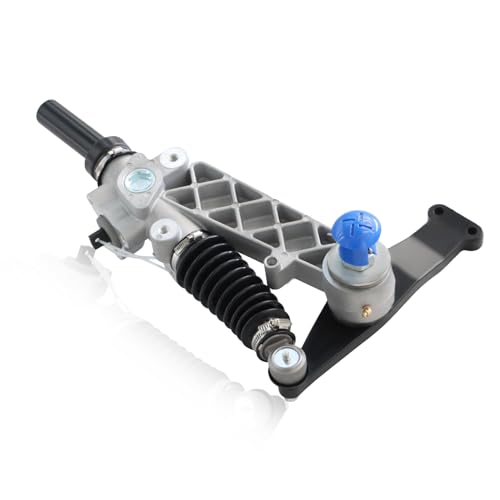
If you are looking for a leisure vehicle, see how to choose the best golf cart steering gearbox assembly for better control.
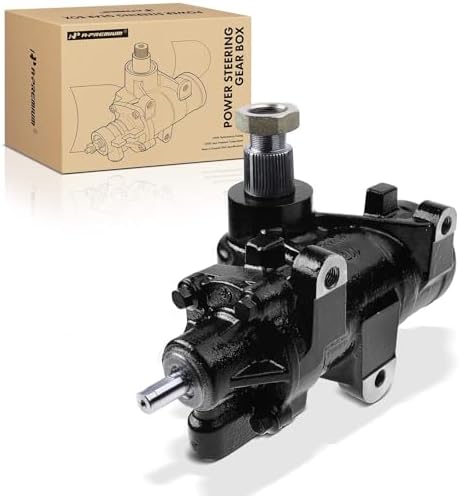
Power Steering Gear Box for Silverado Sierra 2500
$288 price checked August 2026
Read our full Power Steering Gear Box for Silverado Sierra 2500 review
To understand the core mechanics before purchasing, you can view our guide on how a gearbox works.
How does the purchase source affect your gearbox warranty?
The source of the purchase determines the legal path and the entity responsible for honoring a claim. Each source carries a different level of protection and administrative complexity for the buyer.
Direct from the manufacturer
Buying directly from the manufacturer provides the most straightforward warranty path. You deal with the entity that produced the unit, which usually means the fastest processing for valid manufacturing claims and the most consistent adherence to the original warranty terms.
Authorised retailers
Authorised retailers act as a bridge between the manufacturer and the buyer. They are trained to handle the intake of warranty claims and usually have a streamlined process for sending faulty units back to the factory for repair or replacement.
Marketplace sellers
Marketplace sellers often operate as third-party entities with limited control over the manufacturing process. A claim against a marketplace seller may require you to ship the unit to their specific location, and they may only offer a limited return window rather than a long-term manufacturing warranty.
Refurbished or open-box sellers
Refurbished units typically carry a specific “remanufactured” warranty rather than a standard new-part warranty. This coverage often covers the specific work performed during the rebuild but may have a shorter duration than a brand-new unit.
Importers or grey-market sellers
Grey-market imports often come from regions where the manufacturer does not offer official support. In these cases, a warranty may be entirely void or limited to a very short period provided by the importer, with no possibility of factory-level repair.
If a standard unit isn’t right for your setup, explore the alternatives to a traditional gearbox to see other options.
What actions void a car gearbox warranty?
Specific actions void a car gearbox warranty by shifting the cause of failure from a manufacturing defect to user error or external interference. Identifying these risks before installation is essential for maintaining coverage.
Unauthorized modifications
Modifying the gear ratios, installing aftermarket shift linkages, or altering the internal mechanics of the gearbox voids the warranty. Any deviation from the original engineering specifications makes it impossible for the manufacturer to guarantee the unit’s integrity.
Failure to maintain fluid levels
Operating a gearbox with low oil levels or using incorrect fluid types voids the warranty. Because heat and friction are the primary enemies of the gears, the manufacturer will often inspect the fluid condition to see if it was neglected or contaminated by debris.
Mechanical abuse and racing
Using a standard gearbox in a high-performance racing application or consistently exceeding the maximum RPM limits voids coverage. If the internal components show signs of heat stress or “shock loading” that exceeds the unit’s rated capacity, a claim will be denied.
What should I keep and do before buying to ensure a claim works?
Taking specific steps before you install the gearbox ensures that you have the evidence required to prove a manufacturing defect if one occurs. Documentation is the primary tool for successful warranty claims.
- Retain the original purchase receipt and the specific warranty certificate
- Record the serial number of the unit before it is installed in the vehicle
- Take photos of the unit’s condition before it is bolted into the chassis
- Keep a log of the date and mileage of every fluid change
- Confirm the specific warranty duration and coverage limits in writing before payment
- Verify that a qualified installer confirms the fitment is correct before the vehicle is driven
When is an extended warranty worth it for a gearbox?
An extended warranty is worth it for a gearbox if you are purchasing a high-mileage replacement or a unit from a non-authorized source where the initial warranty is short. It is generally not worth it for a new, factory-backed unit with a long standard warranty, as the cost of the extension often outweighs the risk of a manufacturing defect. If you are buying a remanufactured unit, an extended warranty is often a necessary protection to cover the risk of internal wear during the rebuild process.
The other Car Gearbox guides we have published
- Heavy Duty Steering Gearbox Assemblies for Chevrolet Silverado 2500 3500 HD Compared
- Choosing the Best Golf Cart Steering Gearbox Assembly for Smooth Handling
- The Power Steering Gear Boxes That Work Best for GMC Sierra 2500 3500 HD
- Which Steering Gearbox Assembly Is Best for Polaris?
- Best Replacement Power Steering Gearbox Assembly for Jeep Wrangler TJ