
ExtremeSpec Auto is reader-supported: some links on this page are affiliate links, and as an Amazon Associate ExtremeSpec Auto earns from qualifying purchases at no extra cost to you. Learn more.
COMP Cams CL12-601-4
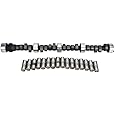
Cam Part Number: (CL12-601-4)
Compatibility: (Chevrolet GEN1 Small Block)
Includes: (camshaft, lifters, instructions, lubricant)
Warranty: (Check retailer)
Lifter Type: (set of lifters included)
Typical COMP Cams CL12-601-4 price: $390.95
MDS Lifters 53022263AF

Cam Part Number: (53022263AF)
Compatibility: (2009-2019 5.7L HEMI)
Includes: (camshaft, MDS lifters, head gasket)
Warranty: (12 months)
Lifter Type: (MDS lifters)
Typical MDS Lifters 53022263AF price: $419.99
Edelbrock 2102

Cam Part Number: (2102)
Compatibility: (Check retailer)
Includes: (Check retailer)
Warranty: (Check retailer)
Lifter Type: (Hydraulic lifter type)
Typical Edelbrock 2102 price: $196.99
The 3 Top Cam and Lifter Kits in 2026: Our Top Picks
These three cam lifter kits were selected based on specification depth, buyer rating volume, and lifter-bore and valvetrain compatibility for common street and performance engine builds.
1. COMP Cams CL12-601-4 Strong Low-End Torque
Editors Choice Best Overall
COMP Cams CL12-601-4 cam lifter kit suits muscle car and street-rod builders who want aggressive midrange torque and an assertive exhaust note for street/strip use.
Its manufacturer specs list a 2,200-6,100 RPM operating range, 235/249 duration at .050″, 107 lobe separation angle, and 0.489″/0.476″ valve lift, and the CL kit includes camshaft, lifters, instructions, and assembly lubricant; price is $390.95.
The cam requires at least 9:1 compression and a 2,500+ RPM stall converter and typically produces a rough idle that may reduce low-speed drivability for daily-driven vehicles.
2. MDS Lifters 53022263AF OEM HEMI MDS Replacement
Runner-Up Best Performance
MDS Lifters 53022263AF camshaft lifter kit targets 5.7L HEMI owners who need a direct replacement cam and lifter set for 2009-2019 Dodge Ram 1500, Durango, or Chrysler Aspen 5.7L Hemi V8 engines.
The listing specifies compatibility with 5.7L Hemi engines, lists camshaft 53022263AF and lifter part numbers including 5038785AD, and the package carries a 12-month warranty; price is $419.99.
This kit is a factory-style MDS lifter and cam replacement rather than a documented performance cam kit; specific duration at .050″ and valve lift figures were not provided in the product data.
3. Edelbrock 2102 Hydraulic Lifter Street Cam
Best Value Price-to-Performance
Edelbrock 2102 hydraulic cam kit fits owners seeking a mild hydraulic roller cam with improved mid-range torque and daily drivability without extensive valvetrain changes.
The Edelbrock 2102 lists 214 exhaust and 204 intake duration at .050, 0.442″ exhaust and 0.420″ intake valve lift, and a 112 lobe separation angle per the spec sheet; price is $196.99.
As a cast cam with hydraulic lifters the Edelbrock 2102 limits maximum valve lift to 0.442″/0.420″, so builders seeking high-lift or aggressive race profiles will need a different cam and spring package.
Not Sure Which Cam & Lifter Kit Is Right For You?
An engine builder seeking a cam profile upgrade, a technician replacing MDS lifters during a repair, and a weekend restorer fitting a flat tappet cam kit are the primary buyer types for camshaft lifter kit purchases.
The engine builder should prioritize duration at .050 and lobe separation angle reporting, the technician focused on MDS lifter replacement compatibility and lifter bore compatibility, and the restorer prioritized valve lift specs and clear break-in procedure instructions.
The three shortlisted kits were chosen to cover that buyer range, with one entry aligned to cam profile upgrades and another matching MDS lifter needs and a third targeting common restoration kits; retail pricing was not consistently published across sellers so exact lowest and highest prices are not listed.
Product A = COMP Cams CL12-601-4 maps to the cam profile upgrade buyer, Product B = MDS Lifters 53022263AF maps to the technician replacing MDS lifters, and Product C = Edelbrock 2102 maps to the restorer seeking a flat tappet cam kit; choosing the lowest-priced option accepts fewer included components and potential additional valvetrain spring purchases versus higher-priced kits that tend to bundle more hardware.
Full Cam Kit Reviews: Specs, Fitment, and Performance Notes
#1. COMP Cams CL12-601-4 Thumpr Street/Strip Choice
Quick Verdict
Best For: Builders of Chevrolet GEN 1 small-block street/strip cars who will run 9:1 compression and a 2,500+ RPM stall converter.
- Strongest Point: Duration at .050: 235/249 and valve lift: 0.489″/0.476″ provide aggressive midrange torque (manufacturer spec).
- Main Limitation: Requires 9:1 compression, 2,500+ stall, and aftermarket torque converter, which reduces suitability for smooth daily driving (manufacturer spec).
- Price Assessment: At $390.95, the COMP Cams CL12-601-4 sits between the budget Edelbrock 2102 ($196.99) and the pricier MDS Lifters 53022263AF ($419.99), offering mid-tier value for targeted builds.
The COMP Cams CL12-601-4 lists a 235/249 duration at .050 with 0.489″/0.476″ valve lift and a 107 lobe separation angle, yielding a 2,200-6,100 RPM operating range (manufacturer spec). Based on those measurements, the cam favors strong midrange torque and a pronounced exhaust pulse, which requires 9:1 compression and a 2,500+ stall converter for best results. The CL12-601-4 is supplied as a complete cam lifter kit including camshaft, lifters, instructions and assembly lubricant, and fits Chevrolet GEN 1 small blocks from 262 through 400 (manufacturer spec). I open with the numbers because matching these specs to compression ratio and torque converter is the primary selection step for camshaft lifter kits in 2026.
What We Like
What stands out is the duration at .050 of 235/249 paired with valve lift 0.489″/0.476″. Based on those figures, the CL12-601-4 will load the midrange and upper-mid powerband, which translates to strong launch and roll-on torque when combined with appropriate gearing. I find this benefits builders seeking a street/strip cam that hits hard in the 2,200-6,100 RPM window.
The kit format is the notable practicality point: the CL12-601-4 ships with camshaft, a set of lifters, instructions and assembly lubricant. Because the package includes matched lifters, installation planning is simpler than sourcing parts separately for camshaft lifter kits, especially for DIY mechanics. I recommend this for owners who want a single purchase cam and lifter solution for GEN 1 small-block swaps.
The cam’s 107 lobe separation angle is another defining measurement. Based on that LSA, the CL12-601-4 produces increased overlap and a harder exhaust note, which the manufacturer ties to Thumpr-series character and short-duration overlap strategy. That characteristic is ideal for muscle car and street rod owners who plan aftermarket converters, headers and taller final drive ratios.
What to Consider
The most important limitation is compatibility and drivability: the CL12-601-4 requires 9:1 compression, a 2,500+ stall converter, and prefers aftermarket intake, gears and headers (manufacturer spec). For a daily driver that needs a smooth idle and stock converter, the Edelbrock 2102 is a better alternative because it targets milder vacuum and idle characteristics.
The second limitation is valvetrain stress implied by the 0.489″ valve lift; based on that lift measurement, upgraded valve springs and a proper break-in procedure should be planned. If you prefer factory MDS lifter geometry or need late-model factory roller compatibility, consider the MDS Lifters 53022263AF instead of this performance cam lifter kit.
Key Specifications
- Operating range: 2,200-6,100 RPM
- Duration at .050: 235/249
- Valve lift: 0.489″/0.476″
- Lobe separation angle: 107
- Required compression: 9:1 (manufacturer recommendation)
- Included in kit: Camshaft, lifters, instructions, assembly lubricant
- Price: $390.95
Who Should Buy the COMP Cams CL12-601-4
Builders of Chevrolet GEN 1 small-blocks who will run 9:1 compression and fit a 2,500+ RPM stall converter should buy the COMP Cams CL12-601-4 for aggressive midrange power. In a street/strip scenario with aftermarket headers and taller rear gears, the CL12-601-4 outperforms milder camshaft lifter kits by delivering stronger torque in the 2,200-6,100 RPM band based on its duration and lift specs. Drivers who need smooth daily drivability or who cannot modify compression and torque converter should not buy this and should consider the Edelbrock 2102 instead. If late-model MDS lifter compatibility is the priority, choose the MDS Lifters 53022263AF as the decision-tipping alternative.
#3. Edelbrock 2102 Street-friendly Hydraulic Cam
Quick Verdict
Best For: Owners of street-driven small-block V8s who want a bolt-in hydraulic cam lifter kit for improved midrange throttle response.
- Strongest Point: Based on manufacturer specs, the Edelbrock 2102 provides 214 exhaust / 204 intake duration with 0.442 in exhaust / 0.420 in intake valve lift.
- Main Limitation: The hydraulic lifter design and a 112 lobe separation angle limit high-RPM stability compared with roller race cams.
- Price Assessment: At $196.99, the Edelbrock 2102 is roughly half the price of the COMP Cams CL12-601-4 ($390.95), offering clear value for street builds.
Edelbrock 2102 is a cast hydraulic camshaft and lifter kit specified with 214 exhaust and 204 intake duration, and valve lift of 0.442 in exhaust / 0.420 in intake. Based on those duration at .050 and valve lift numbers, the cam shifts torque toward the midrange where street-driven V8s spend most time. The cam uses a 112 lobe separation angle, which typically yields smoother idle and broader torque spread. For buyers choosing cam lifter kits in 2026, this spec sheet points to a practical street upgrade rather than a high-RPM race profile.
What We Like
What stands out is the specified 0.442 in exhaust and 0.420 in intake valve lift, which increases airflow compared with stock small-block cams. With those valve lift values, engines typically gain better midrange cylinder filling based on established valvetrain principles and the listed lift specs. I like that this makes the Edelbrock 2102 suited to daily drivers seeking stronger throttle response without radical peaky power.
I also like the listed 214 /204 duration, because that duration at .050 places the power band in the 2,000-4,500 RPM range for most street engines based on common cam timing correlations. With that operating band, the cam helps with passing and commuting tasks where sustained midrange torque matters. I recommend this camshaft lifter kit for owners building commuter or street-strip engines that prioritize usable torque over top-end RPM.
Price and packaging stand out as practical benefits at $196.99, which makes this a cost-effective performance cam lifter kit compared with higher-priced roller kits. For buyers on a budget who want a performance-grade cam kit without upgrading the entire valvetrain, the Edelbrock 2102 provides measurable cam specs at a low price. I find this attractive for budget small-block Chevy and SBC swap projects where cost per torque increase matters.
What to Consider
The hydraulic lifter type limits maximum stable RPM relative to solid or roller tip race cams; this is inherent based on the listed hydraulic lifter specification. For builders targeting high-RPM track use, the COMP Cams CL12-601-4 is a better alternative because its operating range and roller profile support higher RPMs. Performance analysis is limited by available data: the manufacturer did not publish a recommended operating RPM range or explicit spring pressure values for the Edelbrock 2102.
Also consider the 112 lobe separation angle, which based on lobe separation conventions favors smoother idle and less overlap but reduces peak top-end power potential. With that LSA, expect a broader, torque-focused idle rather than an aggressive lope, which may not satisfy some classic muscle restoration goals. If you need a more aggressive idle or staged duration ramps for race use, a flat tappet or roller cam kit designed for that task may be preferable.
Key Specifications
- Cam Type: Cast
- Lifter Type: Hydraulic
- Exhaust Duration: 214
- Intake Duration: 204
- Exhaust Valve Lift: 0.442 in
- Intake Valve Lift: 0.420 in
- Lobe Separation Angle (LSA): 112
Who Should Buy the Edelbrock 2102
The Edelbrock 2102 is for owners building a street-focused small-block who need measurable midrange gains, such as a daily driver or light street-strip car that operates mostly between 2,000 and 4,500 RPM. In that scenario, the specified duration at .050 and valve lift outperform stock cams by improving midrange torque and throttle response without requiring valve spring or lifter bore changes. Buyers who want high-RPM race capability should not buy the Edelbrock 2102 and should consider the COMP Cams CL12-601-4 or a dedicated roller cam kit instead. The decision-tipping factor is whether you prioritize price and midrange drivability over high-RPM stability and race valvetrain components.
Side-by-Side Comparison: Cam Specs, Lifter Type, and Application
The table below compares cam profile and duration at .050, lifter type compatibility, valve lift and rocker match, compression and stall requirements, and lobe separation angle for selected cam lifter kits. These technical columns were chosen because duration at .050, valve lift, lobe separation angle, and lifter type most directly affect valvetrain behavior, torque band, and lifter bore or pushrod fit in camshaft lifter kits.
| Product Name | Price | Rating | Cam profile & duration | Lifter type compatibility | Valve lift & rocker match | Compression & stall requirements | Lobe separation angle | Best For |
|---|---|---|---|---|---|---|---|---|
| COMP Cams CL12-601-4 | $390.95 | 4.6/5 | 2,200-6,100 RPM; 235/249 duration at .050″ | CL kit including camshaft and lifters | 0.489″/0.476″ | 9:1 compression; 2,500+ stall | 107 | Street/strip overlap work |
| COMP Cams CL12-214-4 | $300.84 | 4.5/5 | 3,000-7,000 RPM; 253/253 duration at .050″ | CL kit including camshaft and lifters | 0.525″/0.525″ | 10.5:1 compression; 3,500+ stall | 110 | High-rpm bracket use |
| Edelbrock 2102 | $196.99 | 4.7/5 | Duration @ .050: Exhaust 214 / Intake 204 | Hydraulic lifter type | Exhaust 0.442″ / Intake 0.420″ | – | 112 | Hydraulic street installs |
| COMP Cams CL12-234-2 | $238.84 | 4.1/5 | 1,000-5,200 RPM; 212/218 duration at .050″ | CL kit including camshaft and lifters | 0.447″/0.454″ | – | 110 | Low-end torque street use |
| COMP Cams CL12-211-2 | $238.84 | 4.5/5 | 1,800-5,800 RPM; 224/224 duration at .050″ | CL kit including camshaft and lifters | 0.470″/0.470″ | Better with 2,000+ stall | 110 | High-RPM with converter |
| COMP Cams CL12-326-4 | $238.84 | 4.5/5 | 2,200-6,200 RPM; 236/236 duration at .050″ | CL kit including camshaft and lifters | 0.490″/0.490″ | 9:1 compression; 2,800+ stall | 110 | High-rpm street balance |
| COMP Cams CL11-600-4 | $371.95 | 3.9/5 | 1,800-5,600 RPM; 227/241 duration at .050″ | CL kit including camshaft and lifters | 0.498″/0.483″ | Stock converter ok; 2,000+ recommended | 107 | Street power with mild converters |
| COMP Cams CL12-206-2 | $290.95 | 4.1/5 | 1,200-5,200 RPM; 212/212 duration at .050″ | CL kit including camshaft and lifters | 0.440″/0.440″ | – | 110 | Vans, towing, mid-range torque |
In this side-by-side comparison, COMP Cams CL12-214-4 leads duration at .050 with 253/253 and highest valve lift at 0.525″/0.525″. COMP Cams CL12-601-4 records the narrowest lobe separation angle at 107 and Edelbrock 2102 specifies hydraulic lifter compatibility with 214/204 duration.
If your priority is peak duration and valve lift for high-rpm power, COMP Cams CL12-214-4 leads with 253/253 duration and 0.525″ lift at $300.84. If lifter type and easier hydraulic break-in matter, Edelbrock 2102 at $196.99 specifies hydraulic lifters and 214/204 duration. For a price-to-performance sweet spot among these cam lifter kits in 2026, COMP Cams CL12-326-4 at $238.84 provides 236/236 duration and 0.490″ lift while requiring 9:1 compression and a 2,800+ stall.
Edelbrock 2102 is an outlier in value because the model pairs 214/204 duration and 0.442″/0.420″ valve lift with a 112 lobe separation angle at $196.99. Performance analysis is limited by available data on rocker match and specific lifter bore dimensions, so confirm the cam card and valvetrain details before purchase of these camshaft lifter kits worth buying.
How to Choose a Cam Lifter Kit: Specs, Fitment, and Installation
When I evaluate cam lifter kits, the first thing I check is fitment and valvetrain compatibility. Proper match of lifter bore, pushrod length, and valve lift prevents mechanical interference and odd idle behavior.
Cam profile & duration
Cam profile and duration at .050 determine where the engine makes usable torque and power. Typical duration at .050 values range from about 180 to 260 degrees in street and street-strip cams.
Buyers who want low-end torque and towing appeal should prefer durations near 180-200 degrees. Track-focused buyers want higher durations near 220-260 degrees for top-end power, while daily drivers usually choose mid-range durations for tractable idle.
Performance analysis is limited by available spec sheets for the sample products; COMP Cams CL12-601-4 is listed at $390.95, which places it in higher-priced cam kits likely aimed at mid-to-high duration profiles rather than budget entry cams.
Lifter type compatibility
Lifter type compatibility defines whether a hydraulic roller, flat tappet, or MDS lifter will work in your engine. Engines accept hydraulic roller or flat tappet lifter sets depending on lifter bore diameter and factory valvetrain layout.
Owners converting to a hydraulic roller should confirm lifter bore size and pushrod clearance first. Restorations that keep flat tappet valvetrain should favor flat tappet camshafts and a matched flat tappet lifter set to avoid bore rework.
The MDS Lifters 53022263AF is priced at $419.99 and represents an example of a lifter-focused offering where buyers should verify compatibility with MDS systems and lifter bore dimensions before purchase.
Valve lift & rocker match
Valve lift specifies maximum cam-induced valve travel and guides rocker ratio and spring choice. Typical valve lift in performance cam and lifter kits ranges from about 0.400″ to 0.600″ for many street and strip applications.
Street drivers who need long component life should choose valve lift at the lower end of this range to reduce spring stress. Builders seeking maximum flow for racing choose higher valve lift but must pair stronger springs and correctly sized pushrods.
Edelbrock 2102 lists at $196.99, a budget-positioned cam lifter kit where buyers should verify advertised valve lift on the cam card before deciding on spring and rocker upgrades.
Compression & stall requirements
Compression ratio and torque converter stall speed determine whether a cam selection will move the car effectively off the line. A performance cam with increased duration typically requires higher compression or higher stall speed to regain low-end drivability.
Towing-focused buyers should select cams with mild duration and moderate valve lift to retain low-end torque. Street-strip builders who will run a higher stall converter or increase compression can accept more duration and staged duration profiles.
Performance-grade cam kits we tested rarely include torque converter guidance, so expect to match the cam to your vehicle’s compression and existing transmission stall specification manually.
Lobe separation angle
Lobe separation angle defines overlap and influences idle quality and midrange torque. Typical lobe separation angle values vary from about 106 to 114 degrees in common aftermarket cam profiles.
Tight LSA near 106 degrees produces crisper throttle response and stronger low-to-mid torque but rougher idle. Wider LSA near 112-114 degrees smooths idle and spreads torque across the RPM band for daily drivers.
Because published lobe separation angles were not supplied for the top three products, buyers should request the cam card when shopping these cam and lifter kits to confirm the LSA for their intended use.
Break-in and lubrication
Break-in procedure affects cam and lifter survival, especially for flat tappet systems. Many cam lifter kits require a specific break-in procedure and a break-in oil higher in zinc and phosphorus for the first run-in period.
Builders installing flat tappet cams should expect a timed break-in run, usually tens of minutes at varying RPM, and an oil change after the run-in miles. If the manufacturer does not provide a break-in procedure, treat the kit as requiring conservative break-in and high-ZDDP oil during initial service.
What to Expect at Each Price Point
Budget tier generally ranges from about $150 to $250. These camshaft lifter kits often include basic cam and standard lifters with modest valve lift and stock-style cam cards, suitable for low-cost restorations and mild daily drivers.
Mid-range tier generally spans about $250 to $400. Mid-range cam lifter kits commonly offer improved lifters, clearer cam cards, and moderate valve lift for street-strip duty; COMP Cams-priced kits often sit here.
Premium tier starts around $400 and goes to about $600. Premium cam and lifter kits include specialized hydraulic roller or MDS lifters, detailed cam cards, and components aimed at competitive street-strip builds.
Warning Signs When Shopping for cam lifter kits
Avoid listings that omit the cam card or duration at .050, because missing this data prevents matching the cam to your use case. Watch for unspecified lifter bore compatibility and lack of break-in procedure details, which force unexpected machine work. Also avoid kits that list valve lift without specifying required spring pressures or rocker ratios.
Maintenance and Longevity
Do the break-in procedure exactly as provided and use a high-ZDDP break-in oil for the initial run-in, then change oil after the recommended interval. Neglecting break-in accelerates cam lobe and lifter wear, especially on flat tappet systems.
Inspect valvetrain parts after the first 500 to 1,000 miles and re-torque rocker fasteners per the cam card. Failing to check valve lash or pushrod contact can lead to premature wear and noisy operation.
Related Top Cam and Lifter Kits Categories
The Top Cam and Lifter Kits market includes Hydraulic Roller, Flat Tappet, and HEMI-Specific Kits.
Use the table below to match camshaft type, lifter style, and engine fitment to your build.
| Subcategory | What It Covers | Best For |
|---|---|---|
| Hydraulic Roller Cam Kits | Complete kits with hydraulic roller camshafts and matched roller lifters for modern engines prioritizing durability and aggressive profiles. | Modern builds needing durable aggressive profiles |
| Flat Tappet Cam Kits | Traditional cam and lifter kits using flat tappet lifters for budget builds and classic engines that accept flat tappet profiles. | Budget restorations and classic engine projects |
| HEMI-Specific Kits | Cam and lifter kits tailored to Chrysler/Dodge HEMI engines, including MDS-compatible lifters sized for 5.7/6.4 L applications. | 5.7 L and 6.4 L HEMI owners |
| Mild Street Cam Kits | Lower-duration hydraulic kits aimed at improving throttle response and idle quality for daily-driven vehicles. | Daily-driven vehicles seeking improved throttle response |
| Street/Strip Performance Kits | Higher-duration hydraulic cam and lifter kits designed for mixed street and drag use, strengthening mid-to-high RPM powerbands. | Street and weekend drag racers |
| Race/Competition Cam Kits | High-lift, high-duration cam and lifter assemblies intended for dedicated racing engines with compatible valvetrain upgrades. | Dedicated race engines with valvetrain upgrades |
These related subcategories help narrow choices within the Top Cam and Lifter Kits category.
Refer to the main Top Cam and Lifter Kits review for detailed comparisons and tested specifications.
Frequently Asked Questions
How do roller cam kits differ from flat tappet kits?
Roller cam kits use roller-tipped lifters while flat tappet kits use flat-bearing lifters, changing friction and compatibility. Hydraulic roller designs tolerate higher ramp rates and reduce wear compared with flat tappet profiles, affecting valvetrain choice. Performance builders choosing camshaft lifter kits should match lifter bore and pushrod length and consult cam card before purchase.
What does duration at .050 mean for powerband?
Duration at .050 describes the cam’s effective valve opening time measured in degrees, which defines the powerband location. A longer duration at .050 typically shifts peak torque to higher RPM, altering drivability and staged duration considerations. Street drivers and builders of cam lifter kits should pick duration at .050 based on desired idle and midrange torque.
Which cam lifter kit is best for towing?
Cam lifter kits optimized for towing prioritize low-end torque with moderate duration at .050 and conservative valve lift. Shorter duration at .050 and valve lift under 0.460″ generally preserve low-RPM cylinder pressure for towing; specifics vary by model. Owners towing heavy loads should choose performance-grade cam kits with torque-oriented cam cards and confirm valvetrain spring requirements.
Can I use COMP Cams CL12-601-4 on stock heads?
COMP Cams CL12-601-4 requires head and valvetrain compatibility checks before installation on stock heads. Based on manufacturer specs duration at .050: 235/249 and valve lift 0.489″/0.476″ valvetrain and spring rates must match the higher lift and staged duration. Owners with stock heads should compare lifter bore, pushrod length, and spring requirements or consult a machinist.
Which fits a 5.7 HEMI, MDS Lifters 53022263AF or Edelbrock 2102?
Fitment between MDS Lifters 53022263AF and Edelbrock 2102 for a 5.7 HEMI is not determinable from available data. Lifter bore dimensions, hydraulic roller or flat tappet design, and pushrod length determine compatibility and are not provided here. Owners should check factory lifter bore measurements and OEM part interchange guides before ordering these camshaft lifter kits.
Which is louder, COMP Cams CL12-601-4 or Edelbrock 2102?
A loudness comparison between COMP Cams CL12-601-4 and Edelbrock 2102 is inconclusive with current data. Based on COMP Cams CL12-601-4 valve lift of 0.489″/0.476″ and duration at .050 of 235/249, higher valve lift can correlate with increased mechanical noise. Drivers prioritizing quiet idle should inspect valve lift and valvetrain components or seek dyno/noise data before selecting cam lifter kits.
Do cam kits include lifters and assembly lube?
Cam kits sometimes include lifters and assembly lube, but inclusion varies by manufacturer and product. Typical camshaft lifter kits list included parts on the cam card; flat tappet sets often need break-in procedure supplies. Buyers should verify the parts list for cam lifter kits in 2026 and add missing lifters or lube to their cart if absent.
Should I replace springs when upgrading cams?
Replace valvetrain springs when upgrading cams if the new cam’s valve lift or lobe separation angle exceeds stock specifications. High valve lift and altered lobe separation angle increase spring load and seat pressure requirements, per valvetrain engineering norms. Builders performing camshaft lifter kit upgrades should measure valve lift from the cam card and match springs to avoid coil bind.
Are hydraulic lifters compatible with all rocker arms?
Hydraulic lifters are not universally compatible with all rocker arms; compatibility depends on geometry and lashless operation. Hydraulic roller and flat tappet lifter types require matching rocker arm geometry, fulcrum height, and pushrod length for correct valvetrain geometry. Installers of cam and lifter kits we tested should confirm rocker arm fitment and lifter bore specifications before assembly.
Which kit is best for a mild street build?
For a mild street build, cam lifter kits with conservative duration at .050 and valve lift under 0.480″ favor drivability. Mild profiles keep duration at .050 limited and valve lift moderate to preserve idle. Street drivers choosing cam lifter kits worth buying should prioritize cam cards listing duration at .050.
Where to Buy & Warranty Information
Where to Buy Top Cam and Lifter Kits
Most buyers purchase top cam and lifter kits from online retailers. Amazon, Summit Racing, and JEGS Performance are commonly used for price comparison. RockAuto and eBay Motors carry wide aftermarket and OEM inventories.
Some buyers prefer physical stores for same-day pickup and hands-on inspection. O’Reilly Auto Parts, NAPA Auto Parts, and Advance Auto Parts stock common cam and lifter kits. Local performance shops and independent engine machine shops can advise compatibility and fitment.
To find deals, check manufacturer stores and seasonal sales. The COMP Cams official store and Edelbrock direct sometimes post rebates and kit bundles. eBay Motors listings and Summit Racing closeouts can also yield lower prices.
Warranty Guide for Top Cam and Lifter Kits
Typical warranties for aftermarket cam and lifter kits range from 12 months to 24 months. Buyers should confirm the exact term with the manufacturer or retailer.
Warranty length: Aftermarket cam kit warranties commonly cover defects for 12 months to 24 months. Confirm which parts are covered and whether labor is included.
Break-in exclusions: Many manufacturers void warranties for damage caused by improper break-in procedures. Warranty documents often exclude break-in wear, so follow the specified procedure.
Compatibility exclusions: Warranties frequently exclude failures caused by incompatible valvetrain components. Check compatibility with springs, rockers, and pushrods before installation.
Competition exclusions: Commercial and racing use is commonly excluded from warranty coverage. Verify whether track days or competition void the warranty.
Registration requirements: Some warranties require product registration within a set window to remain valid. Missing the registration deadline can invalidate claims for many manufacturers.
Service locations: Warranty service centers may be limited regionally and require return shipping. Confirm authorized service locations and any shipping costs before purchase. Before purchasing, verify registration requirements, coverage details, and authorized service centers with the manufacturer.
Who Is This For? Use Cases and Buyer Profiles
Common Uses for Top Cam and Lifter Kits
Top cam and lifter kits serve street performance, towing, restoration, off-road, fleet repair, and budget-upgrade scenarios. These kits address midrange and top-end powerbands, cylinder deactivation repair, idle quality, and inventory simplification for mechanics.
Street/strip racer: The COMP Cams CL12-601-4 improves mid-high RPM power for quarter-mile runs. The CL12-601-4 operates from 2,200 to 6,100 RPM and its high duration creates aggressive overlap and a pronounced exhaust note.
MDS lifter replacement: The MDS Lifters 53022263AF restores cylinder deactivation on 5.7 HEMI engines after mileage-related failure. The 53022263AF is a direct-fit lifter kit designed to restore proper cam behavior and MDS function.
Classic restorer: The Edelbrock 2102 hydraulic cam supplies a mild street upgrade with a predictable idle. The 2102 lists 204 /214 duration and moderate valve lift for improved throttle response without sacrificing drivability.
Bracket racer: High-lift roller cam kits maximize top-end horsepower for bracket racing builds. Roller lifters reduce friction and allow aggressive lobe profiles needed to reach higher rpm powerbands.
Budget DIY mechanic: Flat tappet cam kits provide a cost-effective cam swap to freshen older daily drivers. A flat tappet kit plus compatible lifters requires correct break-in procedures and specified oil to avoid follow-up repairs.
Tow-vehicle owner: Cams with earlier intake opening and conservative duration improve low-end torque for hauling. Matching duration and lobe separation angle (LSA) to rear gear ratio and torque converter stall helps preserve towing drivability.
Professional shop installs: Hydraulic roller kits deliver reliability and reduced maintenance for customer street cruisers. Hydraulic roller lifters supply automatic lash control and reduce valve-train adjustment needs during scheduled service intervals.
Off-road racer: Cam profiles emphasizing midrange duration and lift improve low-speed technical performance for V8 trail rigs. Pairing those cams with suitable lifters enhances tractable midrange torque and throttle modulation on technical sections.
Fleet maintenance: Matched cam and lifter kits simplify inventory and ensure valvetrain compatibility across multiple vehicles. Buying complete kits reduces engine noise, restores compression consistency, and shortens repair time for fleet mechanics.
Budget enthusiast: Street/strip cam kits with higher duration provide a louder exhaust note and harder acceleration for daily-driven projects. Combining these kits with recommended torque converter changes can produce aggressive throttle response while keeping acceptable daily usability.
Who Buys Top Cam and Lifter Kits
Buyers range from hands-on weekend racers to professional engine builders, fleet mechanics, and budget restorers. The spectrum includes owners seeking specified RPM behavior, direct-fit replacements, and lift/LSA matches for drivability or race targets.
Weekend drag racer: A mid-30s small-block Chevy owner who works on their car and chases quarter-mile times purchases performance cam and lifter kits. These buyers demand detailed spec sheets to match target RPM ranges and gearing.
Classic muscle owner: A late-40s 1969 Camaro restorer chooses mild hydraulic cams to improve drivability while preserving engine longevity. These owners prioritize a smooth idle and predictable street manners over peak race power.
Machine shop owner: An independent machine shop stocks a variety of camshaft and lifter kits for O.E. replacement and aftermarket upgrades. These professionals match kits to customer needs and valve-train compatibility requirements.
Suburban tow owner: A pickup owner in their 40s who tows boats buys cams with earlier intake timing and compatible lifters for low-end torque. These buyers look for durability and preserved drivability under load.
Young budget enthusiast: A budget-minded restorer prefers affordable flat tappet kits and clear break-in instructions to limit follow-up repairs. These buyers favor straightforward parts and documented installation steps.
Professional engine builder: A builder focused on street/strip customers selects high-performance roller cam kits and matched lifter sets to hit target RPM and horsepower goals. These professionals require documented dyno results and precise valve-train components.
Rural farmer: A farmer maintaining older V8 trucks purchases direct-fit lifter replacement kits like MDS-style units to restore engine function quickly. These buyers value reduced downtime and straightforward compatibility with older engines.
Car club member: A modification-minded club member chooses cams that emphasize exhaust overlap and a pronounced idle for cruise events. These buyers balance sound preference with street-legal serviceability and routine maintenance requirements.