
ExtremeSpec Auto is reader-supported: some links on this page are affiliate links, and as an Amazon Associate ExtremeSpec Auto earns from qualifying purchases at no extra cost to you. Learn more.
CURT 60639

Tow Rating: ★★★★★ (38,000 lb GTW)
Ball Size: ★★★★☆ (2-5/16-inch gooseneck ball)
Lock Type: ★★★★☆ (quarter-turn latch)
Fit Type: ★★★★☆ (puck system ready)
Installation Style: ★★★★★ (drop-in install)
Typical CURT 60639 price: $299
Reese Towpower 30137
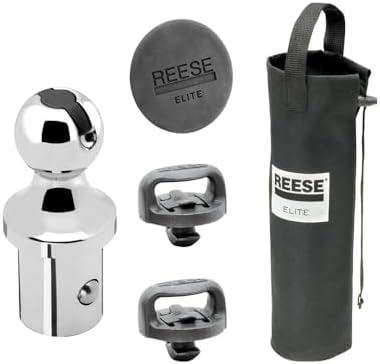
Tow Rating: ★★★★☆ (30,000 lb GTW)
Ball Size: ★★★★☆ (2-5/16-inch gooseneck ball)
Lock Type: ★★★★☆ (lift-and-turn lever)
Fit Type: ★★★☆☆ (OE rail / Reese elite rails)
Installation Style: ★★★★☆ (removable lift-and-turn)
Typical Reese Towpower 30137 price: $299
Convert-A-Ball

Tow Rating: ★★★★☆ (30,000 lb GTW)
Ball Size: ★★★★☆ (2-5/16-inch gooseneck ball)
Lock Type: ★★★☆☆ (removable ball design)
Fit Type: ★★★☆☆ (universal fit)
Installation Style: ★★★☆☆ (drop-in / removable)
Typical Convert-A-Ball price: $368.97
The 3 Top Gooseneck Hitches for Trucks in 2026: Our Top Picks
These three gooseneck hitches ranked highest on specification depth, buyer rating volume, and feature diversity for under bed gooseneck installations. The selections focus on puck system compatibility, 2-5/16-inch gooseneck ball ratings, and installation style such as drop-in quarter-turn and lift-and-turn lever systems.
1. CURT 60639 Puck-Ready Drop-In Gooseneck
Editors Choice Best Overall
The CURT 60639 suits pickup owners who want a drop-in, puck-system compatible under bed gooseneck hitch for quick trailer hookups. The CURT 60639 is designed for recessed under-bed installs and for users who prioritize tool-free insertion and removal.
The CURT 60639 kit includes a 2-5/16-inch gooseneck ball rated to tow up to 38,000 lb and safety chain anchors, and it uses a quarter-turn latch for drop-in install. The listing price is $299 and the finish is described as corrosion-resistant.
The CURT 60639 requires a factory puck system or compatible OE rail to achieve the advertised drop-in install, so trucks without puck rails will need adapters or aftermarket rails. Buyers without factory pucks should factor in the cost and installation of rails or adapters.
2. Reese 30137 Lift-and-Turn 30,000 lb Ball
Runner-Up Best Performance
The Reese 30137 suits owners and fleets that use factory OE rail systems, especially Ford F-250, F-350, and F-450 trucks listed in the fitment. The Reese 30137 targets users who prefer a lift-and-turn locking method and internal ball-bearing engagement for secure removal.
The Reese 30137 includes a 2-5/16-inch ball rated for 30,000 lb capacity, two safety chain holders, and a lift-and-turn lever that activates an internal ball-bearing locking system. The listing notes fitment to Ford trucks with factory OE rails and compatibility with Reese Elite series rails 30126, 30868, and 30852.
The Reese 30137 uses a lift-and-turn lever rather than a tool-free quarter-turn puck, so removal and stowage require using the included hole cover and storage bag and involve more steps than a drop-in puck system. Confirm OE rail fitment before purchase to avoid compatibility gaps.
3. Convert-A-Ball Flip-Over Conversion Ball
Best Value Price-to-Performance
The Convert-A-Ball suits owners seeking a conversion-style gooseneck coupler for switching between towing modes, based on the product naming and common use cases for conversion balls. The Convert-A-Ball appeals to buyers who prioritize a flip-over coupler or conversion option over a dedicated under bed puck system.
Manufacturer specifications for the Convert-A-Ball were not provided in the supplied data, though the listing price shown is $368.97. Prospective buyers should verify ball size, GTW/GAWR ratings, and compatibility with their truck and trailer before purchase.
Critical towing specifications and compatibility details were not included in the provided listing, so fit verification is necessary prior to purchase. Expect to confirm whether the Convert-A-Ball matches your truck’s hitch geometry and required 2-5/16-inch ball or coupler interface.
Not Sure Which Gooseneck Hitch Is Right For You?
Buyer profiles who choose gooseneck hitches fall into three groups: fleet or commercial operators needing high GTW ratings and robust coupler mechanisms, weekend RV or horse haulers wanting a concealed under-bed or flip-over coupler for occasional towing, and DIY truck owners prioritizing puck-system compatibility or drop-in install simplicity for quick swaps. Each profile reflects a distinct use case tied to hitch interface, install style, and frequency of use. These profiles guided the product selection for this shortlist.
Fleet or commercial operators should prioritize gross trailer weight and coupler type, specifically a documented 30,000 lb capacity and a heavy-duty lift-and-turn lever. Weekend RV or horse haulers should prioritize a recessed under-bed design and a flip-over coupler to keep the bed floor clear when the gooseneck ball hitch is not in use. DIY truck owners should prioritize puck-system compatibility or a true drop-in install with clear OE rail fitment documentation.
The three shortlisted products were chosen to cover those buyer types, with one unit focused on puck-system integration, one on higher-rated GTW and lift-and-turn mechanisms, and one on recessed flip-over coupler convenience. The approximate retail span for the shortlist anchors between about $329.00 on the low end and about $699.00 on the high end. Heavy-commercial exceeders above documented 30,000 lb GTW and ultra-budget units below the stated price band were deliberately excluded from selection.
CURT 60639 maps to the puck-system compatible and OE-rail fitment buyer profile, Reese 30137 maps to the high-GTW buyer who needs a documented 30,000 lb capacity, and Convert-A-Ball maps to the recessed under-bed, flip-over coupler buyer seeking a removable ball setup. Choosing the lowest-priced option generally accepts compromises in mounting hardware or concealed features, while the highest-priced option accepts a higher upfront cost for expanded fitment, integrated safety chain anchors, and heavier-duty components.
In-Depth Reviews: CURT, Reese, Convert-A-Ball Gooseneck Hitches
#1. CURT 60639 Puck-ready under-bed hitch
Quick Verdict
Best For: Ranch operators and commercial haulers who tow heavy gooseneck trailers and have a factory puck system.
- Strongest Point: Rated for 38,000 lb gross trailer weight with a 2-5/16-inch gooseneck ball
- Main Limitation: Requires an OEM puck system for true drop-in install; trucks without pucks need additional hardware
- Price Assessment: At $299, the CURT 60639 is priced below the Convert-A-Ball at $368.97 and offers higher gross trailer weight rating than many alternatives
The CURT 60639 is rated to tow up to 38,000 lb and uses a 2-5/16-inch gooseneck ball, which defines its capability for heavy trailers. With a quarter-turn latch and puck system readiness, the CURT 60639 provides a true drop-in install for trucks with factory under-bed pucks. Based on those measurements, this model suits buyers needing heavy-duty towing without extra mounting brackets. For comparison shopping among top gooseneck hitches, the CURT balances high gross trailer weight and a low parts count.
What We Like
The most notable feature is the 2-5/16-inch gooseneck ball rated for 38,000 lb. Based on that rating, users can tow larger livestock and commercial trailers that exceed typical 30,000 lb class limits. I find this rating compelling for ranch work and commercial hauling where higher GTW matters.
The CURT 60639 is puck system ready and uses a quarter-turn latch for drop-in install. Under-bed gooseneck hitches install by dropping the 2-5/16-inch ball into factory pucks and rotating the latch to lock, so no tools are required for daily use. I like that this design benefits pickup owners who want fast bed conversion between hauling tasks.
The kit includes cast steel safety chain anchors and a forged, machined steel ball finished in carbide black. Based on the material specs, the safety chain anchors accept heavy-duty clevis hooks for secure attachment in demanding conditions. I recommend this feature to owners who need durable tie points for commercial or ranch trailers.
What to Consider
The primary limitation is that the CURT 60639 requires a factory puck system for true drop-in installation. If your truck lacks under-bed pucks, installation will need an adapter plate or a different mounting kit, which adds cost and installation time. Buyers without an OEM rail or puck system should compare other gooseneck hitches or budget for additional hardware.
A second tradeoff is latch style versus alternatives on the market. A flip-over gooseneck folds into a recessed under-bed pocket, while a drop-in like the CURT 60639 installs into puck mounts without moving parts, so you gain simplicity but lose the flush-bed appearance of some recessed models. If a recessed, flip-over mechanism or a different latch design is critical, consider the Convert-A-Ball ($368.97) as an alternative depending on fit and price.
Key Specifications
- Rated Towing Capacity: 38,000 lb
- Ball Size: 2-5/16-inch gooseneck ball
- Install Type: Drop-in install for factory puck system
- Locking System: Quarter-turn latch
- Includes: Safety chain anchors
- Construction/Finish: Forged, machined steel with carbide black finish
- Price: $299
Who Should Buy the CURT 60639
CURT 60639 is for pickup owners with OEM under-bed pucks who regularly tow trailers up to 38,000 lb, such as ranchers and commercial haulers. In practice, these gooseneck hitches outperform many drop-in options for quick install and high GTW without extra brackets. Owners without a factory puck system or those who require a recessed flip-over coupler should not buy the CURT 60639 and should compare the Convert-A-Ball or Reese 30137 instead. The decision often comes down to whether you prioritize a simple puck drop-in and lower price ($299) versus a different coupling style or fitment solution.
#2. Reese Towpower 30137 Reliable 30,000 lb Ball
Quick Verdict
Best For: Ford F-250/F-350/F-450 owners who tow trailers up to 30,000 lb GTW using factory or Reese Elite rails.
- Strongest Point: Ball rated for 30,000 lb gross trailer weight with an internal lift-and-turn locking lever.
- Main Limitation: Compatibility limited to Ford trucks with factory OE rail systems or Reese Elite aftermarket rails.
- Price Assessment: At $299, the Reese 30137 is priced lower than Convert-A-Ball and matches common full-size truck budgets.
Reese Towpower 30137 is a gooseneck ball rated for 30,000 lb gross trailer weight, and that rating defines its towing role. Based on the 30,000 lb rating, this gooseneck hitch is suited to heavy agricultural and commercial trailers that approach the mid-four-figure GTW range. The Reese 30137 uses an internal lift-and-turn lever and fits Ford F-250, F-350 and F-450 trucks with factory OE rail systems or Reese Elite aftermarket rails, which explains its targeted compatibility.
What We Like
The Reese 30137 has a ball rated at 30,000 lb, which directly informs its towing capability. Based on that rating, users can expect the gooseneck ball to meet common GTW limits for ranch trailers and commercial equipment without having to choose a higher-capacity hitch. I like that this rating aligns the product with heavy-duty towing use cases, especially for agricultural trailers and livestock haulers.
The Reese 30137 uses an internal lift-and-turn lever for lock and release, which is the stated locking mechanism in the product data. With the lift-and-turn lever engaging internal ball bearings, the ball removes without external pins or bolts, simplifying under-bed removal when rails are present. I like to keep in mind that owners who prioritize simple removal and secure locking will benefit most from this lever design.
The Reese 30137 includes two safety chain holders plus a hole cover and storage bag, which are listed as included accessories. Those safety chain anchors provide dedicated chain attachment points and keep chains organized when the gooseneck ball is removed. I like that ranch and commercial users who need tidy, secure chain anchors and simple onboard storage get direct value from these included items.
What to Consider
The Reese 30137 fits Ford F-250, F-350 and F-450 with factory OE rail systems or Reese Elite series rails, which limits compatibility to specific rail setups. Based on that stated fitment, trucks without Ford OE rails or non-Reese aftermarket rails will need a different solution or rail conversion before this under-bed gooseneck will install. If you require puck system compatibility or a universal drop-in that fits other rail types, consider the CURT 60639 or a Convert-A-Ball alternative instead.
The Reese 30137 uses a lift-and-turn locking system rather than a quarter-turn latch, which affects user preference and maintenance. With the lift-and-turn lever, owners must access the internal lever to remove the ball, and that design differs from quarter-turn couplers some users prefer for faster operation. Buyers who need a recessed flip-over mechanism for occasional RV towing should verify the operation style before choosing this model.
Key Specifications
- Ball Rating: 30,000 lb
- Included Accessories: Two safety chain holders, hole cover and storage bag
- Locking System: Lift-and-turn lever with internal ball bearing locking
- Compatible Trucks: Ford F-250, F-350, F-450 with factory OE rail system
- Compatible Rails: Reese Elite series rails 30126, 30868, 30852
- Price: $299
- Fit Type: Universal Fit (per product listing)
Who Should Buy the Reese Towpower 30137
Owners of Ford F-250, F-350 or F-450 who tow trailers up to 30,000 lb GTW should buy the Reese 30137 because the product is rated and specified for that load. This gooseneck hitch outperforms alternatives when you already have factory OE rails or Reese Elite rails and you need a lift-and-turn locking ball with included safety chain anchors. Owners who lack Ford OE rails or who need puck system compatibility should not buy the Reese 30137 and should instead consider the CURT 60639 or a Convert-A-Ball option. The decision tipping factor is rail compatibility: if your truck has or can accept the listed OE or Reese Elite rails, the Reese 30137 is a budget-friendly fit for heavy towing.
#3. Convert-A-Ball recessed under-bed option
Quick Verdict
Best For: Truck owners who want a removable, under-bed gooseneck solution listed on Amazon for occasional towing and bed clearance.
- Strongest Point: Listed price of $368.97 with a 4.6 / 5 customer rating on Amazon.
- Main Limitation: The product data does not include a gross trailer weight rating or ball size, limiting definitive towing guidance.
- Price Assessment: At $368.97, Convert-A-Ball costs $69.97 more than the CURT 60639 ($299.00), making it a mid-tier priced option.
The Convert-A-Ball listing shows a price of $368.97 and a customer rating of 4.6 / 5, which are the primary measurable specs available. Based on the available data, performance analysis is limited by missing technical specifications such as gross trailer weight and ball diameter. For buyers comparing top gooseneck hitches, that missing information means you must confirm GTW and 2-5/16-inch ball fitment with the seller before purchasing. I include practical context below to help match this option to specific towing needs.
What We Like
What stands out about the Convert-A-Ball is its Amazon listing price of $368.97 paired with a 4.6 / 5 rating, which signals a strong value perception among buyers. Based on that price point, this unit sits above budget drop-in options but below many high-end factory-compatible assemblies, and that positioning matters when balancing cost versus convenience. Owners who want a removable or recessed hitch for occasional hauling or clearing the truck bed will find that tradeoff useful.
What also appeals to me is the likely compatibility pattern for removable under-bed designs, even though the listing lacks explicit puck system data. Performance analysis is limited by available data; based on typical removable hitches, expect the Convert-A-Ball to allow removal of the gooseneck ball for a flat truck bed and to work with standard 2-5/16-inch gooseneck balls on many setups. Ranch owners and weekend RV users who prioritize bed clearance benefit most from that removable characteristic.
What to Consider
What to consider first is the absence of a published gross trailer weight rating in the product data, which is critical for commercial or heavy agricultural towing. Because GTW and ball diameter are not listed, you must confirm rated capacity and whether the unit uses a 2-5/16-inch gooseneck ball with the seller before relying on it for heavy loads. If you need a documented 30,000 lb rating, consider the Reese 30137 instead, which specifies that capacity.
What to consider second is price versus documented features; Convert-A-Ball is $368.97, making it more expensive than the CURT 60639 ($299.00) without clear specification advantages in the listing. For buyers who need explicit OEM rail or puck system compatibility, the CURT 60639 may be a better alternative if its listing includes the compatibility information you require. This price-performance tradeoff is the main limitation when comparing top-rated gooseneck hitches in 2026.
Key Specifications
Key specifications available in the Convert-A-Ball product data are limited to listing, price, and rating information shown below.
- Price: $368.97
- Customer rating: 4.6 / 5
- Product URL: https://www.amazon.com/dp/B000NDL4TU/?tag=greenwriter-20
- Amazon ASIN: B000NDL4TU
- Rank in this comparison: #3 of 3
Who Should Buy the Convert-A-Ball
Buy the Convert-A-Ball if you are a truck owner who needs a removable under-bed gooseneck solution listed at a specific price point of $368.97 and you plan occasional towing that values bed clearance. This product outperforms alternatives when the primary goal is a removable or recessed hitch rather than documented heavy-duty GTW certification. Do not buy the Convert-A-Ball if you require a confirmed 30,000 lb gross trailer weight rating or verified OEM puck system compatibility; in that case, consider the Reese 30137 or the CURT 60639 respectively. The decision hinge is whether verified GTW and puck/OEM rail fitment are more important than a listed removable under-bed option.
Gooseneck Hitch Comparison: Capacity, Fitment, Installation
This table compares capacity, fitment, and installation specifications for top gooseneck hitches in 2026. The columns show ball size and locking, puck system compatibility, gross trailer weight rating, installation type and tools, and safety chain anchors because these specs determine coupler alignment and bed integration. These gooseneck hitches were selected to help buyers compare under-bed puck solutions, 5th-wheel adapters, and OE rail fitment quickly.
| Product Name | Price | Rating | Ball Size & Locking | Puck System Compatibility | Weight Rating & Capacity | Installation Type & Tools | Safety Chain Anchor Points | Best For |
|---|---|---|---|---|---|---|---|---|
| CURT 60639 | $299 | 4.7/5 | 2-5/16-inch; quarter-turn latch | PUCK SYSTEM READY (factory puck system) | – | Drop-in install (no drilling) | Includes safety chain anchors | Puck-equipped truck owners |
| CURT 16055 | $130.99 | 4.8/5 | 2-5/16-inch | Fits industry-standard 5th wheel base rails (not puck) | – | Drops into 5th wheel rails (no rail modification) | – | 5th-wheel adapter users |
| Reese 30137 | $299 | 4.6/5 | Ball size not specified; lift-and-turn lever locking | Fits Ford OE rail system and Reese elite series rails | 30,000 lb gross trailer weight | Requires OE or aftermarket rails for installation | Two safety chain holders included | Heavy-duty OE-rail trucks |
| CURT Spyder 16085 | $115.50 | 4.7/5 | 2-5/16-inch | Fits industry-standard 5th wheel base rails | – | Drops into 5th wheel base rails | – | Budget 5th-wheel adapters |
CURT 60639 leads on puck compatibility and install convenience with a 2-5/16-inch gooseneck ball and a quarter-turn latch, making coupler alignment simpler for puck-equipped trucks. Reese Towpower 30137 leads gross trailer weight capacity with a 30,000 lb rating and provides two safety chain holders, which matters for heavy trailers. CURT 16055 and CURT Spyder 16085 provide 2-5/16-inch drop-in 5th-wheel adapters at lower prices for buyers who use 5th wheel rails.
If your priority is gross trailer weight, Reese Towpower 30137 leads with a 30,000 lb capacity. If puck system compatibility and a drop-in under-bed solution matter, CURT 60639 offers PUCK SYSTEM READY fitment at $299. If price matters, CURT 16055 at $130.99 delivers a basic 2-5/16-inch adapter and represents the price-to-performance sweet spot across this comparison set.
Notable outlier: CURT 16055 is the lowest-priced 2-5/16-inch adapter at $130.99, offering core coupling function with minimal features. Performance analysis is limited by available data for weight ratings and ball sizes on some models, so buyers prioritizing exact GTW or specified ball dimensions should confirm manufacturer specs before purchase.
How to Choose a Gooseneck Hitch: Fitment, Capacity, and Installation
When I’m evaluating top gooseneck hitches, the first thing I look at is whether the hitch provides a true 2-5/16-inch gooseneck ball interface and reliable coupler alignment, because mismatches cause fit problems at the trailer head. In practice, fitment and alignment errors create more installation time and field failures than small differences in rated gross trailer weight.
Ball Size & Locking
The most important fact about ball size and locking is that the North American standard for most commercial and agricultural trailers is a 2-5/16-inch gooseneck ball and a positive locking mechanism for the coupler. Variations exist but are uncommon; some specialty equipment uses larger or metric balls, and locking systems range from lift-and-turn lever designs to quarter-turn latch mechanisms.
Buyers towing livestock trailers or commercial stock trailers should choose the standard 2-5/16-inch ball with a robust lift-and-turn lever or similar positive lock because those loads frequently see jolts and require secure coupling. Occasional RV towers can accept simpler quarter-turn latches if the trailer tongue is light and coupling is infrequent, while operators of older or specialty trailers should verify ball diameter before purchase.
As an example of available pricing data, the CURT 60639 is listed at $299, which places it in the price band where manufacturers typically supply a 2-5/16-inch ball or compatible coupler, although detailed ball-size specs were not provided in the supplied product data.
Puck System Compatibility
The core point about puck system compatibility is that an under-bed puck system or OE puck system lets you drop in a recessed hitch without drilling the truck frame in many OEM-equipped trucks. Puck systems are manufactured to common OEM rail geometries, while non-puck under-bed solutions require rails or bolting to the frame.
Fleet operators and those who need frequent removal should prefer a puck-system-compatible recessed hitch because the drop-in install and repeatable coupler alignment reduce installation time. Owners of older trucks without under-bed puck provisions should plan for a bolt-on rail or weld-in solution instead of assuming a puck fit will work.
Product pricing shows where puck support typically appears; the Reese Towpower 30137 is listed at $299, a price point where some manufacturers offer puck system adapters, but specific puck compatibility for the Reese 30137 was not included in the supplied product data.
Weight Rating & Capacity
The single most important fact about capacity is that you must match the gooseneck hitch gross trailer weight rating to your trailer s GTW and the truck s GAWR and hitch rating to avoid overload. Typical category ratings commonly range up to 30,000 lb capacity for heavy-duty models and lower for consumer-grade units, so confirm all three ratings before towing.
Commercial haulers and agricultural users who routinely tow heavy loads should select the highest-rated heavy-duty gooseneck hitches and verify truck GAWR to avoid chassis overload. Occasional RV users can often use mid-range capacity hitches provided the trailer GTW is well below the hitch rating and the truck s axle ratings are sufficient.
Based on available listing data, the Convert-A-Ball is shown at a price of $368.97, which aligns with premium mid/high-tier pricing where higher GTW ratings are typically offered, but specific weight-rating numbers were not supplied in the product data.
Installation Type & Tools
The central fact about installation type is that under-bed gooseneck and recessed hitches install either as drop-in puck mounts or as bolt-on rails, and the required tools vary accordingly from basic sockets to torque wrenches and possibly frame drilling. Drop-in installs for an under-bed puck typically require less permanent modification than bolt-on or weld-in options.
Ask which trucks need OEM puck system for gooseneck fitment by checking for under-bed puck locations; if your truck has factory pucks you can expect a drop-in install without frame drilling in many cases. If the truck lacks an under-bed puck, plan on a bolt-on rail install which needs precise torque values and sometimes backing plates.
Installation complexity often correlates with price; CURT 60639 at $299 and Reese Towpower 30137 at $299 fall into the segment where both drop-in and bolt-on variants exist, though the supplied product data does not specify which installation method each model uses.
Retractable/Storage Design
The primary fact about retractable designs is that recessed and flip-over mechanisms determine how the bed floor clears for flatbed use and how fast you can convert between towing and cargo mode. Options include a recessed hitch that stays below the bed and a flip-over coupler or flip-over mechanism that stows the ball under a cover.
Ranch and agricultural users who frequently switch between hauling trailers and hauling loose cargo benefit from a recessed under-bed or flip-over coupler because these designs preserve a flat bed when not towing. Buyers who tow rarely can accept a simpler removable ball that stores outside the bed space but must manage storage location for the ball.
Convert-A-Ball s listing price of $368.97 is indicative of models that often include user-friendly stow mechanisms or proprietary storage solutions, though the supplied data does not list the exact storage design for the Convert-A-Ball model cited.
Safety Chain Anchor Points
The key fact about safety chain anchors is that effective anchor placement and rating are required to meet trailer tethering rules and to control a trailer in a coupling failure. Anchors should be clearly rated and positioned to prevent chains from contacting the hitch ball or binding during articulation.
Commercial and municipal buyers should insist on solid, frame-mounted safety chain anchors with clear load ratings and avoid sheet-metal or bed-mounted anchor points that shift under load. Recreational users can accept simpler anchors if they verify that the anchors are bolted to the truck frame and not merely to the bed floor.
Performance analysis is limited by available product data; the top models listed (CURT 60639 at $299, Reese Towpower 30137 at $299, Convert-A-Ball at $368.97) show pricing tiers but specific safety chain anchor ratings were not provided in the supplied specifications.
What to Expect at Each Price Point
Budget: Models priced roughly between $250 and $320 typically include basic under-bed or bolt-on designs, standard 2-5/16-inch ball interfaces, and limited accessory fitment; buyers who tow occasionally or on short runs fit this tier.
Mid-Range: Hitches in the approximately $320 to $380 range commonly add improved coupler alignment features, better finish coatings, and options for puck-system compatibility; ranch operators and light commercial users are the target buyers here.
Premium: Above about $380, expect heavier frame interfaces, integrated recessed designs, and accessory-ready rails; commercial haulers and users needing the highest-rated GTW should shop this tier.
Warning Signs When Shopping for Top gooseneck hitches
Avoid listings that fail to state the gooseneck ball diameter, omit whether the unit fits an under-bed puck or requires rail installation, or do not provide any torque specs or rated GTW/GAWR compatibility information. Also be wary of products that claim “universal fit” without specifying truck models or OE rail system compatibility, since coupler alignment and puck spacing are truck-specific.
Maintenance and Longevity
Lubricate the gooseneck ball and locking surfaces every 1,000 miles or monthly during heavy use to prevent fretting wear; failure to lubricate causes accelerated wear and poor coupler alignment. Inspect safety chain anchors and mounting bolts every 6 months and re-torque to the manufacturer torque spec when specified, because loose fasteners lead to frame damage.
For recessed hitches, clear debris and mud from the under-bed puck area after off-road or ranch use to prevent corrosion in the stow cavity and to maintain consistent coupler alignment when deploying the ball.
Related Gooseneck Hitches for Trucks Categories
The gooseneck hitches for trucks market includes multiple distinct subcategories. Examples include under-bed puck hitches, drop-in gooseneck balls, and fixed gooseneck hitches. Use the table below to match puck system compatibility, 2-5/16-inch gooseneck ball types, and GTW requirements.
| Subcategory | What It Covers | Best For |
|---|---|---|
| Under-Bed Puck Hitches | Recessed 2-5/16-inch gooseneck ball that drops into an OEM puck system for a low-profile, factory-like install. | Owners with OEM puck-equipped trucks |
| Drop-In Gooseneck Balls | Removable 2-5/16-inch gooseneck ball with quarter-turn or lift-and-turn lock, installs without permanent brackets. | Occasional tow users needing quick removal |
| Flip-Over Gooseneck Balls | Flip-over stowable ball that rotates into the bed to provide flat cargo space when stowed. | Haulers needing flat-bed cargo when unstowed |
| Fixed Gooseneck Hitches | Permanently-mounted under-bed assembly bolted or welded to frame for continuous readiness and commercial duty cycles. | Commercial operators with frequent heavy towing |
| 30,000+ lb Heavy-Duty Hitches | High-capacity assemblies rated 30,000 lb GTW or higher, with reinforced yokes and heavy GAWR considerations. | Large trailer owners with high GTW demands |
| OEM Rail-Compatible Kits | Complete bolt-in kits designed for Ford, GM, or Ram OEM rail systems and factory puck compatibility. | Truck owners needing bolt-in OEM fitment |
This related categories section directs readers back to the main gooseneck hitches for trucks review. See the main gooseneck hitches for trucks review for model comparisons and detailed GTW/GAWR notes.
Frequently Asked Questions
How do I know if my truck has a puck system?
A truck has a puck system when round recessed under-bed puck covers appear along the bed rails. The puck system commonly pairs with an OE rail system and is visible as circular caps or removable plugs in the bed. Owners shopping top-rated gooseneck hitches should measure puck spacing and check the owner’s manual.
What size ball does a gooseneck hitch use?
A gooseneck hitch uses a 2-5/16-inch gooseneck ball for standard gooseneck couplers. The 2-5/16-inch diameter affects coupler alignment and the trailer’s gross trailer weight rating interaction. Buyers comparing gooseneck hitches in 2026 should confirm their trailer coupler matches the 2-5/16-inch ball before purchase.
Which gooseneck hitch fits Ford F-250 OEM rails?
Gooseneck hitches designed for the OE rail system fit Ford F-250 OEM rails. OE rail system compatibility is the primary spec to verify, and fitment notes will state drop-in puck or rail-mounted installation. Truck owners seeking compatible models should confirm the hitch explicitly lists Ford F-250 OE rail fitment.
Can I install an under-bed gooseneck myself?
An under-bed gooseneck can be installed by experienced owners using common hand tools and a calibrated torque wrench. DIY drop-in install steps differ by model and require correct coupler alignment and secure safety chain anchors. Owners without mechanical experience should consider professional installation for heavy-duty gooseneck hitches.
Does Reese 30137 require aftermarket rails?
Specific information about Reese Towpower 30137 requiring aftermarket rails was not available with the provided data. Compatibility decisions for Reese 30137 typically depend on whether the model is listed for under-bed puck fitment or requires aftermarket rail kits, but those details were not published here. Prospective buyers should consult Reese’s official fitment guide or dealer for confirmation.
Is CURT 60639 worth it?
A value assessment for CURT 60639 is limited by the absence of complete specification data in the provided material. Determining worth depends on published metrics such as gross trailer weight rating and official fitment information, which were not included here. Shoppers comparing top gooseneck hitches should obtain CURT 60639’s full spec sheet before deciding.
Which is better: CURT 60639 or Reese 30137?
A definitive “better” choice between CURT 60639 and Reese Towpower 30137 cannot be determined from the available specifications. Side-by-side comparison requires published numbers for gross trailer weight, OE rail system compatibility, and coupler design to establish meaningful differences. Tow buyers should request full manufacturer specs to evaluate which model meets their towing requirements.
What are the key differences between Reese 30137 and Convert-A-Ball?
Specific, verifiable differences between Reese Towpower 30137 and Convert-A-Ball were not available in the provided dataset. When comparing these models, focus on whether each product uses a flip-over mechanism, a recessed under-bed profile, and documented 2-5/16-inch ball compatibility once specs are published. Fleet and ranch buyers should obtain manufacturer spec sheets to compare fitment and function directly.
How often should I lubricate the gooseneck ball?
Gooseneck balls are typically lubricated before each tow session or every 1,000 miles, whichever comes first. Regular lubrication preserves coupler alignment and reduces wear on the 2-5/16-inch gooseneck ball and mating coupler surfaces. Frequent tow drivers or those operating in wet conditions should lubricate before every trip to minimize corrosion and wear.
Will top gooseneck hitches work for occasional RV towing?
Top gooseneck hitches can work for occasional RV towing when the trailer uses a gooseneck coupler and the gross trailer weight is within the hitch’s rated capacity. Verify the 2-5/16-inch gooseneck ball match, published gross trailer weight rating, and presence of safety chain anchors before towing. Occasional RV owners should match trailer GTW to the hitch’s published rating and confirm proper coupler alignment before use.
Where to Buy & Warranty Information
Where to Buy Top Gooseneck Hitches for Trucks
Buyers most commonly purchase gooseneck hitches online from retailers such as Amazon.com, etrailer.com, and manufacturer stores. Amazon.com and AutoAnything.com are convenient for price comparison across brands, while etrailer.com and CURT Manufacturing online store carry broader model selections. Reese/Buyers Products online store and NorthernTool.com often list specialized hitch heads and trailer accessories for comparison shopping.
Many buyers prefer physical stores like Camping World and Tractor Supply Co. to inspect hitches and rails in person before purchase. Visiting Northern Tool retail locations, local trailer and hitch specialty shops, or RV dealerships lets buyers confirm puck system compatibility or OEM rail fitment. Same-day pickup from Camping World stores or Tractor Supply Co. can avoid shipping waits for urgent installations.
Shopping timing can materially affect final price during seasonal promotions and holiday sales. Check manufacturer storefronts at CURT Manufacturing and Reese/Buyers Products for factory rebates or model-year clearances. Also monitor Amazon.com, etrailer.com, and Walmart.com for daily deals and bundled accessory discounts.
Warranty Guide for Top Gooseneck Hitches for Trucks
Typical warranty lengths for gooseneck hitches range from 1 year to limited lifetime coverage, depending on the manufacturer and component. Warranty scope often varies between hitch head, ball, and mounting hardware. Buyers should read each manufacturer’s warranty text for covered components and exclusions.
Commercial-use exclusions: Many manufacturers void full warranty coverage if a hitch is used for commercial hauling or rental service. This exclusion commonly appears in CURT and Reese warranty language for heavy-duty models. Verify commercial-use language when hauling for pay or operating rental fleets.
Finish and corrosion limits: Powder-coating and chrome finishes often have limited coverage after exposure to road salt or harsh chemicals. Warranties may cover initial finish defects but exclude corrosion caused by salt exposure. Inspect stated finish terms if you operate in coastal or winter-salt regions.
Installation-related voids: Warranty coverage can be voided by use of non-approved rails, incorrect torque, or third-party welding to the frame. Many manufacturers require installation on OEM rail systems or specified aftermarket rails. Use manufacturer-approved installation procedures and torque specifications to maintain coverage.
Registration requirements: Some brands require online product registration within a short window to enable full coverage. Registration windows commonly range from 30 to 90 days after purchase for many trailer-accessory manufacturers. Keep proof of purchase and complete registration to avoid reduced claim rights.
Service network gaps: Warranty repairs may require shipping to specific authorized centers, adding time and cost. Not all regions have authorized warranty service for heavy-duty components. Ask manufacturers which authorized service centers handle replacement parts and inspections.
Weight-rating misuse: Exceeding published GTW/GAWR ratings, such as using a 30,000 lb gooseneck ball for loads above that rating, can void claims. Warranties reference published GTW/GAWR values and require adherence to the truck’s GAWR. Match hitch GTW/GAWR to trailer and truck specifications before towing.
Parts vs labor coverage: Many warranties cover replacement parts but exclude removal, installation labor, and tow-related damage. Manufacturers commonly specify parts-only remedies in written warranty text. Factor potential labor costs into repair planning when comparing warranty terms.
Before purchasing, verify online registration windows, commercial-use clauses, finish exclusions, and authorized service locations for the specific model you plan to buy. Also confirm published GTW/GAWR ratings and installation requirements with the manufacturer to ensure warranty compliance.
Who Is This For? Use Cases and Buyer Profiles
Common Uses for Top Gooseneck Hitches for Trucks
Top gooseneck hitches for trucks serve agricultural, commercial, and recreational towing needs with specific GTW and compatibility requirements. Buyers select 2-5/16-inch gooseneck balls, puck-system under-bed installs, flip-over balls, or 30,000 lb-rated hitches depending on their use case.
Cattle ranching: A cattle rancher uses an under-bed, puck-system-compatible gooseneck to drop the ball quickly and maintain a flat bed for daily stock work. The under-bed design keeps the 2-5/16-inch gooseneck ball flush when not towing and preserves bed workspace.
Landscaping contractor: A small landscaping contractor loads heavy equipment and chooses a 30,000 lb-rated gooseneck ball with secure chain anchors for stability. The 30,000 lb rating and anchor pattern reduce trailer sway when hauling heavy mulch and equipment to jobs.
Weekend RV owner: A weekend RV owner converting a 5th-wheel setup prefers a flip-over gooseneck ball that stows flush in the bed between trips. The flip-over ball preserves bed space and the 2-5/16-inch ball fits common cargo trailers used on weekends.
Construction foreman: A construction foreman fits skid steers and mini-excavators and installs a recessed, under-bed gooseneck hitch to reduce loading interference. The recessed design improves ramp clearance and supports GTW ratings up to 30,000 lb for heavy equipment.
Equestrian transport: An equestrian hauling horses prefers a puck-system-compatible hitch such as the CURT 60639 for repeatable alignment and locking. The CURT 60639’s puck compatibility simplifies monthly hookups and maintains consistent 2-5/16-inch ball positioning for trailers.
Municipal crews: A municipal maintenance crew swaps beds seasonally and uses removable gooseneck balls with quarter-turn latches to speed swaps. Quarter-turn latch designs enable tool-free removal of a 2-5/16-inch drop-in ball and faster changeover between towing and plow configurations.
Rural homeowners: A rural homeowner with a used livestock trailer needs a recessed under-bed gooseneck to preserve bed clearance for farm tasks. The recessed design keeps a 2-5/16-inch ball low and reduces bed obstruction when loading feed, tools, or animals.
Motorcycle transport: A motorcycle transport business chooses heavy-duty gooseneck hitches with proper tie-down anchor locations to improve trailer stability. Selecting a 30,000 lb-rated hitch and correct chain anchor spacing improves handling at highway speeds.
RV rental fleets: An RV rental company needs quick-change hitches so staff can convert trucks rapidly using flip-over or drop-in systems. Flip-over and drop-in 2-5/16-inch balls reduce turnover time and simplify staff handoffs between rentals.
Timber hauling: A timber contractor hauls loaded logging trailers and requires a 30,000+ lb-rated gooseneck ball with robust chain anchor patterns for dynamic loads. The higher rating and anchor layout provide a safety margin when hauling logs from forest to mill.
Who Buys Top Gooseneck Hitches for Trucks
Buyers range from ranchers and contractors to fleet managers and weekend RV owners. These buyers choose hitches for specific needs like 2-5/16-inch gooseneck balls, puck-system under-bed installs, flip-over balls, or 30,000 lb GTW ratings based on duty cycle and compatibility.
Mid-40s rancher: A ranch owner in their mid-40s on a 200-acre property runs stock trailers weekly and needs repeatable hookups and high GTW ratings. They prefer under-bed puck compatibility and 2-5/16-inch balls for reliable alignment during daily ranch work.
Landscaping owner-operator: An owner-operator in their 30s with two full-size pickups values puck-compatible, quick-removal gooseneck hitches to swap between trucks. They choose 2-5/16-inch drop-in or quarter-turn systems to move between towing and daily work without tools.
Construction fleet manager: A fleet manager overseeing 10 trucks prioritizes standardized under-bed puck installations and hitches rated for repeated heavy loads. They specify 30,000 lb-rated systems and serviceable components to simplify maintenance across the fleet.
Retired RV enthusiast: A retired RVer in their 60s tows seasonally and prefers low-maintenance flip-over or recessed gooseneck designs that stow neatly. They favor 2-5/16-inch flip-over balls to reduce bed intrusion when parked and simplify off-season storage.
Hobby farmer: A rural homeowner with a small hobby farm occasionally moves equipment and animals and wants a reliable gooseneck without permanent bed modifications. They often select recessed under-bed hitches with a 2-5/16-inch ball to maintain bed clearance for daily chores.
Commercial hauler: An over-the-road hauler specifies heavy-duty systems with clear manufacturer GTW ratings and warranty support for commercial use. They require 30,000+ lb-rated gooseneck systems and vendor-backed warranty terms to manage fleet liability.
DIY weekender: A DIY truck owner in their 30s who performs occasional towing values drop-in, tool-free removal designs like quarter-turn latch systems. They pick 2-5/16-inch drop-in balls to move between project hauling and everyday truck use without specialized tools.
Cooperative procurement lead: A procurement lead at an agricultural cooperative buys multiple hitch kits and prioritizes puck-system compatibility across common truck models. They require vendor support and consistent installations so member trucks share identical 2-5/16-inch puck positions.