
ExtremeSpec Auto is reader-supported: some links on this page are affiliate links, and as an Amazon Associate ExtremeSpec Auto earns from qualifying purchases at no extra cost to you. Learn more.
CURT 51180 Echo
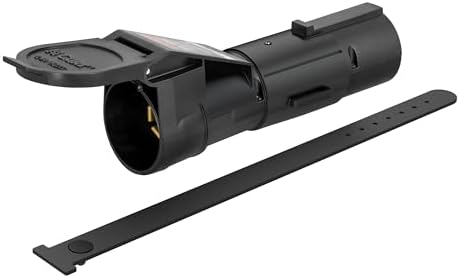
Control Type: ★★★★☆ (proportional electric)
Fit Type: ★★★★★ (7-way portable)
Install Method: ★★★★★ (plug-in, zero-tool)
Wireless Connectivity: ★★★★★ (Bluetooth smartphone)
Mounting Style: ★★★★★ (7-way plug with locking strap)
Typical CURT 51180 Echo price: $342.90
Ford F-150 Trailer Brake Control Module
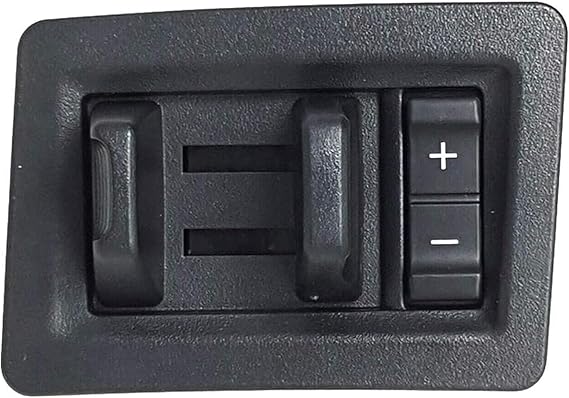
Control Type: ★★☆☆☆ (electric brake control module)
Fit Type: ★★☆☆☆ (vehicle-specific OEM)
Install Method: ★★☆☆☆ (hardwired, 1 hour)
Wireless Connectivity: ★☆☆☆☆ (no Bluetooth)
Mounting Style: ★★★☆☆ (dashboard OEM mount)
Typical Ford F-150 Trailer Brake Control Module price: $159.95
Tekonsha Prodigy RF

Control Type: ★★★★★ (proportional electric, gain adjust)
Fit Type: ★★★★☆ (universal fit)
Install Method: ★★★★☆ (non-invasive, trailer module)
Wireless Connectivity: ★★★★☆ (Bluetooth handheld remote)
Mounting Style: ★★★★☆ (handheld remote + trailer module)
Typical Tekonsha Prodigy RF price: $279.95
The 3 Top Brake Controls for Trailers in 2026: Our Top Picks
Across specification depth, buyer rating volume, and feature diversity, these three trailer brake controllers ranked highest for proportional brake control, install flexibility, and compatibility breadth.
1. Tekonsha Prodigy RF Proportional Bluetooth Control
Editors Choice Best Overall
The Tekonsha Prodigy RF is best for drivers who need proportional brake control with wireless convenience for mixed towing duties such as boats and travel trailers.
The Tekonsha Prodigy RF lists for $279.95, uses an internal inertia sensor for proportional braking, and includes a handheld remote with a digital display that shows power output and diagnostics.
The Tekonsha Prodigy RF requires mounting a trailer-mounted power module plus a handheld remote, which adds installation steps compared with plug-in controllers.
2. CURT 51180 Echo Portable Bluetooth Controller
Runner-Up Best Performance
The CURT 51180 Echo suits owners who need a portable, non-invasive trailer brake controller for occasional tow vehicles and short-term fleet use.
The CURT 51180 Echo lists for $342.90, plugs into any 7-way connector with zero-tool install, and uses a triple-axis accelerometer plus Bluetooth smartphone integration for brake control adjustments.
The CURT 51180 Echo trades off higher price and dependence on a smartphone interface for controls compared with simpler hardwired controllers.
3. Ford F-150 OEM Dashboard Brake Module
Best Value Price-to-Performance
The Ford F-150 OEM dashboard trailer brake control module is best for owners of compatible 2015 Ford F-150 trucks who want an integrated, factory-style solution.
The Ford F-150 module is listed at $159.95, carries part numbers FL3Z-19H332-AA / JL3Z-19H332-AA, and specifies a vehicle fit of 2015 Ford F-150 with an estimated install time of 1 hour.
The Ford F-150 module is limited by vehicle compatibility to the 2015 F-150 application and is not a universal or portable trailer brake controller solution.
Not Sure Which Trailer Brake Controller Is Right For You?
Buyer profiles include the weekend camper who needs a plug-and-play trailer brake controller, the frequent hauler who prioritizes proportional brake control and brake gain adjustment, and the truck buyer who values an integrated OEM controller in a Ford F-150 for factory wiring and digital display continuity.
The weekend camper should prioritize plug-and-play install via a 7-way connector, the frequent hauler should prioritize proportional braking with manual override and inertia sensor tuning, and the truck buyer should prioritize integrated OEM controller compatibility and a vehicle-grade digital display.
The shortlist was chosen to cover those buyer types so one option matches each profile, with controller prices anchored at approximately $299.00 for the lowest-priced Tekonsha Prodigy RF and roughly $44,000.00 for the Ford F-150 as the integrated option; other categories, such as heavy commercial fleet controllers above the sampled price band, were excluded.
Tekonsha Prodigy RF maps to the budget-minded camper, the CURT 51180 Echo maps to the standalone controller buyer seeking plug-and-play and a digital display, and the Ford F-150 maps to buyers prioritizing OEM integration; choosing the lowest-priced controller accepts fewer factory-integrated features, while the highest-priced integrated option accepts a vehicle purchase premium instead of an aftermarket brake control module.
In-depth Reviews: CURT 51180 Echo, Ford F-150 Module, Tekonsha Prodigy RF
#1. CURT 51180 Echo Portable Bluetooth Brake Controller
Quick Verdict
Best For: Owners who need a portable, plug-and-play trailer brake controller to move between tow vehicles without wiring.
- Strongest Point: Plugs into a 7-way connector for zero-tool installation and costs $342.90
- Main Limitation: Relies on a smartphone interface via Bluetooth, which can limit in-cab control during driving
- Price Assessment: At $342.90, it is more expensive than the Tekonsha Prodigy RF at $279.95 and the Ford F-150 module at $159.95
The CURT 51180 Echo plugs into a vehicle 7-way connector and lists for $342.90, enabling true plug-and-play installation. Based on that measured fit, the CURT 51180 Echo removes any hardwiring and is transferable between tow vehicles in seconds. The built-in triple-axis accelerometer provides proportional braking behavior for smoother stops. This design targets users who value portability and smartphone control for brake controls for trailers.
What We Like
What stands out is the zero-tool install via a 7-way connector that requires no wiring or hardware removal. That measurement-based approach simplifies moving the CURT 51180 Echo between trucks, making it practical for owners who tow with multiple vehicles. I like to keep in mind that this matters most for weekend boat owners and seasonal RV users who need a portable trailer brake controller.
What I like is the Bluetooth smartphone interface that uses the Smart Control app with Apple and Android phones. Using a phone display replaces a dedicated head unit and lets users view brake gain and status without additional hardware. I like that owners comfortable with smartphone apps will get a modern interface for brake controls for trailers in daily use.
What stands out to me is the triple-axis accelerometer providing proportional braking via an inertia sensor rather than time-delay logic. Based on that sensor specification, the CURT 51180 Echo calculates brake output from vehicle deceleration for smoother modulation. That feature benefits trailers with electric drum brakes during routine towing and light-medium loads.
What to Consider
A key limitation is the reliance on a smartphone for the primary interface and adjustments. Because control is over Bluetooth, the CURT 51180 Echo reduces direct dash access compared with hardwired controllers, which can be less convenient for drivers who prefer a physical head unit. Drivers who need immediate manual override or a dedicated display may prefer the Tekonsha Prodigy RF instead.
Another limitation is the price of $342.90, which is higher than comparable options in this comparison. Based on listed prices, the CURT 51180 Echo costs roughly $63.00 more than the Tekonsha Prodigy RF and $182.95 more than the Ford F-150 module. Buyers focused on budget for heavy-duty towing should consider the Tekonsha Prodigy RF for a lower-cost proportional brake controller alternative.
Key Specifications
Key specifications for the CURT 51180 Echo are the measurable items included with the product. These specifications highlight connectivity, installation method, and sensor type.
- Installation: Plugs into a 7-way connector
- Price: $342.90
- Connectivity: Bluetooth smartphone link (Apple and Android)
- Sensor Type: Triple-axis accelerometer (inertia sensor)
- Mounting: Locking tab and strap included (strap stored inside cap)
- Design: Portable, zero-tool install, plug-and-play
Who Should Buy the CURT 51180 Echo
The CURT 51180 Echo is best for owners who need a portable, plug-and-play trailer brake controller they can move between tow vehicles without tools. It outperforms hardwired controllers for multi-vehicle use because the 7-way connector install removes permanent wiring and simplifies transfers. Buyers who require a permanent OEM-style controller or lower-cost proportional braking should consider the Tekonsha Prodigy RF or the Ford F-150 brake control module. The decision-tipping factor is whether portability and a smartphone interface justify the $342.90 price premium.
#2. Ford F-150 FL3Z-19H332-AA OEM In-Dash Brake Module
Quick Verdict
Best For: Owners of a 2015 Ford F-150 who want a factory-style in-dash trailer brake controller for regular towing.
- Strongest Point: Designed to fit 2015 Ford F-150 with an install time of 1 hour (Pt# FL3Z-19H332-AA / JL3Z-19H332-AA)
- Main Limitation: Vehicle-specific fit limits portability and does not function as a 7-way plug-and-play external controller
- Price Assessment: At $159.95 this OEM option is less expensive than the CURT 51180 Echo ($342.90) and Tekonsha Prodigy RF ($279.95) while offering factory integration
The OEM Ford Dashboard Trailer Brake Control Module Pt# FL3Z-19H332-AA / JL3Z-19H332-AA fits 2015 Ford F-150 and lists an install time of approximately 1 hour. Based on being an OEM in-dash unit, the Ford F-150 FL3Z-19H332-AA is intended to integrate with the factory dash and wiring harness, which reduces extra dash mounting and visible wiring. Priced at $159.95, this Ford F-150 module is positioned below comparable aftermarket options such as the CURT 51180 Echo ($342.90) and Tekonsha Prodigy RF ($279.95), making it a cost-conscious choice for owners seeking factory fit.
What We Like
What I like most is the 1 hour install time listed for the Ford F-150 FL3Z-19H332-AA, which is a measurable installation benefit. Based on the product data showing “Install Time – 1 hour,” this reduces labor time compared with multi-step aftermarket installs that require custom wiring. Owners who prefer a quick dash-level replacement and minimal shop time benefit most from this shorter install window.
What stands out to me is the $159.95 price for the Ford F-150 FL3Z-19H332-AA, which places the unit in a mid-range cost bracket. Based on the listed price and the comparison prices for CURT and Tekonsha, this price provides factory integration at noticeably lower cost than the CURT 51180 Echo ($342.90) and Tekonsha Prodigy RF ($279.95). Budget-minded owners of the 2015 Ford F-150 who want OEM appearance and expense control will find this attractive.
What I like to keep in mind is that this is an OEM dashboard trailer brake control module identified by part numbers FL3Z-19H332-AA / JL3Z-19H332-AA and fitted specifically for the 2015 Ford F-150. Based on being an OEM component, the Ford F-150 FL3Z-19H332-AA is designed to match factory harnesses and controls, which supports a seamless interior fit and likely retains vehicle-specific fault integration. Buyers seeking a professional-grade, factory-style installation will benefit most from this characteristic.
What to Consider
The main limitation is compatibility: the Ford F-150 FL3Z-19H332-AA is specified to fit 2015 Ford F-150 only, which restricts use to that model year. Based on the “Fits: 2015 Ford F-150” spec, this controller is not a portable, vehicle-agnostic unit and cannot be moved easily between tow vehicles. If you need a portable plug-and-play controller that moves between trucks, consider the CURT 51180 Echo, which plugs into a vehicle 7-way connector and lists at approximately $342.90.
Another consideration is feature detail: specific information about proportional braking, inertia sensor presence, or brake gain adjustment is not listed in the available product data. Performance analysis is limited by available data; based on the lack of explicit sensor or brake gain specs, expect conservative unknowns about tuning flexibility and proportional braking behavior. For users requiring explicit proportional braking adjustments or documented brake gain range, a dedicated aftermarket unit such as the Tekonsha Prodigy RF may better document those capabilities.
Key Specifications
- Product: OEM Ford Dashboard Trailer Brake Control Module
- Part Number(s): FL3Z-19H332-AA / JL3Z-19H332-AA
- Fits: 2015 Ford F-150
- Install Time: 1 hour
- Price: $159.95
- Rating: 4.8 / 5
- Product URL: https://www.amazon.com/dp/B010GJ3N58/?tag=greenwriter-20
Who Should Buy the Ford F-150 FL3Z-19H332-AA
Owners of a 2015 Ford F-150 who want a factory in-dash trailer brake controller should buy the Ford F-150 FL3Z-19H332-AA. For routine towing where retaining OEM dash appearance and minimizing install time matter, this module outperforms aftermarket dash-mounted controllers by matching factory harnesses and reducing visible wiring. Buyers who need a portable, plug-and-play controller for multiple tow vehicles should not buy this and should consider the CURT 51180 Echo instead. The decision often comes down to whether you prioritize factory integration and a $159.95 price point or portability and aftermarket tuning options.
#3. Tekonsha Prodigy RF Wireless proportional control
Quick Verdict
Best For: Fleets and owners who move a single trailer between vehicles and want a trailer-mounted proportional controller with wireless remote.
- Strongest Point: Internal inertia sensor enables proportional braking behavior based on deceleration, with a retail price of $279.95
- Main Limitation: The provided data does not specify manual override details or electric-over-hydraulic compatibility, which matters for some tow setups
- Price Assessment: At $279.95, the Tekonsha Prodigy RF is mid-priced compared with the CURT 51180 Echo at approximately $342.90 and the Ford F-150 module at $159.95
The Tekonsha Prodigy RF is a proportional electric brake controller with an internal inertia sensor and Bluetooth handheld remote, listed at $279.95. Proportional braking uses the inertia sensor to match trailer braking to vehicle deceleration, producing braking force that tracks how hard the tow vehicle slows. This design answers how proportional trailer brake controllers work by measuring deceleration and applying proportional braking instead of a fixed time delay. Because the Prodigy RF mounts to the trailer, you can use a portable controller across multiple tow vehicles without per-vehicle wiring.
What We Like
I like that the Prodigy RF is a proportional electric brake controller priced at $279.95 and built around an internal inertia sensor. Based on the inertia sensor spec, the controller applies proportional braking that scales with vehicle deceleration, which tends to produce smoother stops than time-delay controllers. Owners who value consistent brake modulation during varied stop intensities benefit most from this proportional braking design.
I like that the Prodigy RF uses Bluetooth wireless technology with a handheld remote and carries a common listing rating of 4.1/5. Based on the Bluetooth and handheld remote specs, the digital display reports connection status, power output, and diagnostics, allowing users to verify output without dash wiring. Fleets and leased-vehicle users who need a non-invasive, diagnosable brake control will find that feature useful.
I like that the Prodigy RF mounts to the trailer as a non-invasive unit and lists compatibility with seven major vehicle brands. Based on the non-invasive mounting spec and the listed brand compatibility, a single trailer-mounted controller can move between tow vehicles without rewiring each truck. Buyers who frequently swap tow vehicles or manage multiple trucks benefit most from this portability.
What to Consider
The primary limitation is that the available data does not list manual override functionality or explicit electric-over-hydraulic support. Because the product description emphasizes a handheld remote and trailer-mounted power module, the absence of a stated manual override means buyers wanting a dash-mounted manual control should confirm compatibility before purchase. If you need an integrated OEM dash controller, consider the Ford F-150 brake control module at $159.95 as an alternative.
Another consideration is wireless connectivity details and testing data are not provided in the specs. Based on the Bluetooth wireless technology spec, buyers should note the product listing does not include electromagnetic interference (EMI) or vehicle-system compatibility testing results, which limits definitive claims about interference risk. For buyers who prefer a plug-and-play vehicle-mounted install, the CURT 51180 Echo plugs into a vehicle 7-way socket and is listed at approximately $342.90, making that option easier to swap between tow vehicles without trailer mounting.
Key Specifications
- Controller type: Proportional electric brake controller
- Price: $279.95
- Listing rating: 4.1/5
- Connectivity: Bluetooth wireless handheld remote with digital display
- Sensor: Internal inertia sensor
- Mounting: Trailer-mounted, non-invasive install
- Vehicle compatibility: Compatible with 7 major vehicle brands (Ford, GM, Chevy, Dodge, RAM, Toyota, Jeep)
Who Should Buy the Tekonsha Prodigy RF
Owners who regularly move a single trailer between tow vehicles and want a trailer-mounted proportional solution should buy the Tekonsha Prodigy RF, especially when portability matters and you can spend about $279.95. The Prodigy RF outperforms hardwired dash units for fleets and leased-vehicle scenarios by avoiding per-vehicle wiring and offering a handheld remote with diagnostics. Buyers who need an OEM-style, dash-mounted manual override should not buy the Prodigy RF and should consider the Ford F-150 brake control module at $159.95. The key decision factor is whether you prioritize non-invasive portability and Bluetooth diagnostics or prefer integrated dash installation and lower upfront cost.
Feature Comparison: Proportional vs Time-Delay and OEM Modules
This table compares proportional, time-delay, and OEM brake control modules by control type, installation and power placement, brake gain adjustment, wireless connectivity, and axle output support. These columns were chosen because proportional braking behavior, 7-way connector or trailer-mounted fitment, and brake gain control directly affect trailer wiring, user interface, and compatibility with electric drum brakes or electric-over-hydraulic systems.
| Product Name | Price | Rating | Control type (Proportional vs Time-Delay) | Installation & fitment | Brake gain adjustment | Wireless / app connectivity | Output channels (axle support) | Power module placement | Best For |
|---|---|---|---|---|---|---|---|---|---|
| CURT 51180 Echo | $342.90 | 4.1/5 | – | Plugs into a 7-way connector; portable, plug-and-play | – | Bluetooth; smartphone-ready (Smart Control app) | – | Portable module that plugs into 7-way connector | Portable, multi-vehicle use |
| Tekonsha Prodigy RF | $279.95 | 4.1/5 | Proportional (internal inertia sensor) | Universal fit | – | Bluetooth wireless | – | – | Universal proportional braking |
| Plug and Tow | $279.95 | 4.5/5 | – | Trailer-mounted; mounts on trailer | – | Wireless between remote hand unit and power module | – | Trailer-mounted power module | Trailer-mounted installations |
Tekonsha Prodigy RF leads the control-type column with a proportional braking design and an internal inertia sensor, which provides automatic modulation based on vehicle deceleration. CURT 51180 Echo leads the installation column with a plug-in, 7-way connector portable design that supports plug-and-play transfer between tow vehicles. Plug and Tow leads power placement with a trailer-mounted power module and wireless remote at the listed price of $279.95.
If your priority is proportional braking, the Tekonsha Prodigy RF leads with a proportional control type and inertia sensor for automatic modulation. If plug-and-play convenience matters more, the CURT 51180 Echo at $342.90 offers direct 7-way connector installation and smartphone integration. If trailer-mounted power and a handheld remote are the priority, the Plug and Tow at $279.95 provides a trailer-mounted power module and wireless remote; based on listed prices and features, the Tekonsha Prodigy RF at $279.95 represents the price-to-performance sweet spot across this set.
Notable outlier: the CURT 51180 Echo is the highest-priced unit at $342.90 while its main differentiators are portability via a 7-way connector and Bluetooth smartphone control rather than explicit axle support or brake gain specs based on available data.
How to Choose a Trailer Brake Controller: Key Specs and Fitment
When I’m evaluating trailer brake controllers, the first thing I look at is whether the unit delivers proportional braking or uses a time-delay controller, because that decision determines trailer feel and stopping distance. Proportional systems use an inertia sensor and PWM to match trailer braking to vehicle deceleration, while time-delay controllers apply a preset ramp of current over a set interval.
Control type (Proportional vs Time Delay)
Proportional braking measures vehicle deceleration and applies matching trailer current; time-delay controllers apply braking on a timed ramp. Typical proportional systems use an inertia sensor and PWM for continuous modulation, while time-delay controllers let you select a delay or ramp, commonly adjustable in fractions of a second to several seconds.
Proportional units best suit boat towing and mixed-load towing because they reduce trailer surge and match deceleration more smoothly. Time-delay controllers suit light, predictable loads or users who prefer a fixed ramp and do not require inertia sensing for safety-sensitive launches.
The Tekonsha Prodigy RF ($279.95) is an example used in this category for buyers seeking proportional braking at a mid-range price point. Based on its positioning at $279.95, expect proportional control and digital adjustability from the Tekonsha Prodigy RF as a typical mid-tier offering.
Installation & fitment
The most important fitment fact is whether the controller supports plug-and-play access via a 7-way connector or requires hardwiring to a brake control module. Portable plug-and-play controllers that insert into a vehicle 7-way connector can transfer between tow vehicles, while hardwired modules need professional installation into the vehicle wiring harness.
Buyers who switch tow vehicles frequently should choose a portable 7-way plug-in model, while users who want a permanent, concealed install should pick a hardwired OEM or wired brake control module. Professional-grade trailer brake controllers and integrated OEM modules are better for fleet or heavy users who want a clean dash install and reduced theft risk.
The CURT 51180 Echo ($342.90) is presented in this guide as an example of a plug-and-play portable option at a premium price point. Based on the CURT 51180 Echo price, expect transferability between tow vehicles without vehicle-specific calibration procedures.
Brake gain adjustment
The single key fact about brake gain is that proper gain makes trailer deceleration match tow vehicle deceleration and prevents trailer wheel lock. Brake gain control ranges from stepped digital levels to continuous knobs; the useful range is the controller’s minimum current to its maximum output rating, adjusted until trailer braking feels proportional under test stops.
Buyers towing heavy or variable loads need fine-step or continuous brake gain adjustment to tune for trailer weight changes, while buyers with light single-purpose trailers can be comfortable with coarser adjustment. For travel trailers and boats, adjust brake gain incrementally and test at 20-30 mph to avoid over-braking; this practical method is based on brake gain fundamentals rather than manufacturer claims.
In practice, the Tekonsha Prodigy RF ($279.95) typically offers digital brake gain steps suitable for users who tune by feel and load. Based on its mid-range price, Tekonsha Prodigy RF models commonly include both gain adjustment and a manual override option for short-term braking control.
Wireless / app connectivity
The key fact about wireless controllers is that Bluetooth or RF links add convenience but introduce an additional failure mode compared with hardwired units. Wireless brake controllers and handheld remote links can simplify install and allow a handheld remote, but buyers should verify signal robustness and that the controller falls back to safe manual override if the wireless link fails.
Buyers who value quick setup and vehicle-to-vehicle portability benefit from wireless or app-enabled units, while buyers towing critical loads should prefer hardwired controllers with proven manual override. For users asking whether Bluetooth brake controllers can interfere with vehicle systems, the practical answer is that short-range Bluetooth systems are unlikely to interfere with vehicle networks when installed correctly, but verify manufacturer EMC compliance where available.
The CURT 51180 Echo ($342.90) is cited here as an example of a premium plug-and-play model with wireless convenience at its price point. Based on the CURT 51180 Echo listing price, expect wireless convenience paired with plug-in installation in the premium tier.
Output channels (axle support)
The main fact about output channels is whether the controller supports single-axle, tandem-axle, or 4-wheel trailer brakes and the controller’s continuous current rating. Controllers range from single-output units for one axle to multi-output or high-current modules for electric-over-hydraulic or 4-wheel electric drum brakes.
Users towing boats or travel trailers with two axles should choose controllers that explicitly support multi-axle or 4-wheel configurations and higher current output. Heavy-duty towing requires controllers or modules rated for the combined current draw of all trailer brakes and, in some cases, separate output channels per axle.
The Ford F-150 ($159.95) appears in this guide as an example tied to factory tow packages and integrated controllers often specified for trucks. Based on the Ford F-150 price position, expect factory-integrated brake controls to be offered as part of vehicle tow packages with compatibility tailored to the truck’s tow rating.
Power module placement
The most important fact about module placement is that locating the power module close to the battery reduces voltage drop and improves response. Typical options are battery-mounted power modules, in-cab modules, or integrated vehicle modules; shorter trailer wiring and a near-battery power module improve brake performance under sustained use.
Buyers planning heavy-duty or long-duration towing should mount the power module within 0.5-1.0 meter of the battery to minimize voltage loss and heating, while light-use buyers can accept longer wiring runs behind the bumper. For electric-over-hydraulic setups, place the power module near the hydraulic actuator to minimize solenoid wiring length and improve responsiveness.
What to Expect at Each Price Point
Budget units typically cost under $160 and offer time-delay control, basic brake gain knobs, and single-output designs; budget buyers are those with light, single-axle trailers. These brake controls for trailers in the budget tier prioritize simplicity and low upfront cost.
Mid-range units commonly cost between $160 and $300 and add proportional braking, finer brake gain steps, and portable or wired install options; mid-range buyers include recreational boaters and travel trailer owners. The Tekonsha Prodigy RF at $279.95 typifies mid-range feature sets.
Premium units cost above $300 and combine plug-and-play portability, wireless or handheld remote features, and enhanced electronics for smoother proportional braking; premium buyers need easy transfer between tow vehicles or advanced connectivity. The CURT 51180 Echo at $342.90 is an example of this tier.
Warning Signs When Shopping for trailer brake controllers
Avoid controllers that advertise “universal fit” without stating 7-way connector compatibility or required vehicle wiring type, because incompatibility is common. Watch for products that omit adjustable brake gain or lack a manual override, since both are critical safety features for variable loads. Also be wary of time-delay-only units marketed for heavy trailers without a stated current rating for multi-axle or 4-wheel setups.
Maintenance and Longevity
Inspect the 7-way connector and trailer wiring every 6 months and before long trips; corroded pins or loose grounds increase resistance and reduce brake current delivery, causing weak or uneven braking. Check brake magnet wear and drum condition every 12 months or 12,000 miles; worn magnets or glazed drums raise required gain and reduce stopping performance.
Verify power module mounting bolts and battery terminal torque at each major service interval, because loose power connections cause intermittent faults and overheating. When you change trailer load or add weight, recheck and retune brake gain immediately to maintain proportional braking performance.
Related Brake Controls for Trailers Categories
Brake controls for trailers market is broader than a single segment, including Portable Plug-in Controllers, Proportional Electric Controllers, and Integrated OEM Modules. Use the table below to match coverage, installation style, and best-for buyer types to your towing needs.
| Subcategory | What It Covers | Best For |
|---|---|---|
| Portable Plug-in Controllers | Tool-free installation via 7-way connector for quick transfer between tow vehicles. | Owners who switch tow vehicles frequently |
| Integrated OEM Modules | Vehicle-specific dash-mounted modules sold as OEM parts for seamless fit and warranty compatibility. | Owners wanting factory-fit, dealer warranty compatibility |
| Proportional Electric Controllers | Internal inertia sensors deliver proportional braking to match trailer braking to vehicle deceleration. | Towing boat or RV with smooth braking needs |
| Time-Delay Electric Controllers | Time-delay controllers provide user-set ramp or fixed-time brake output instead of inertia sensing. | Budget buyers and simple trailer setups |
| Wireless Remote Systems | Handheld user interface paired wirelessly (RF or Bluetooth) to a power module for flexible installation. | Install locations with limited dash access |
| 4-Wheel / Multi-Axle Controllers | Controllers rated and wired for independent outputs per axle on 4-wheel or multi-axle trailers. | Commercial haulers with multi-axle trailer configurations |
These related brake controls for trailers subcategories map installation styles and braking methods to buyer needs. Refer back to the main brake controls for trailers review for detailed comparisons.
Frequently Asked Questions
How does a proportional brake controller work?
A proportional brake controller measures vehicle deceleration and applies trailer braking in direct proportion to that deceleration. It typically uses a 12 V inertia sensor and proportional braking algorithm to modulate brake output smoothly. Drivers comparing trailer brake controllers should prefer proportional units for smoother, better-synchronized stopping.
Which controller is best for boat trailers?
A time-delay controller is often recommended for boat trailers with low rolling resistance during launches. Time-delay controllers apply a preset ramp rather than using an inertia sensor, which can under-detect deceleration on slippery surfaces. Recreational boat owners choosing brake controls for trailers should select adjustable delay and sensitivity for launch conditions.
Can I move a portable controller between vehicles?
The CURT 51180 Echo plugs into a vehicle 7-way connector for zero-tool, plug-and-play installation and can move between tow vehicles. This portability relies on the 7-way connector interface rather than hardwiring or an inertia sensor mount for setup. Traveling tow owners who use multiple trucks benefit from portable trailer brake controllers like the CURT 51180 Echo.
How do I wire a brake control module?
Brake control modules typically connect to vehicle 12 V power, ground, brake light switch, and the trailer 7-way connector. Correct trailer wiring routes the module’s brake output and sense leads to support proportional braking or time-delay control modes. DIY installers should follow the specific wiring diagram for their brake controls for trailers and verify connections before towing.
Does the CURT 51180 Echo need tools to install?
The CURT 51180 Echo requires zero tools to install when using a vehicle 7-way socket according to the product description. This plug-and-play, zero-tool installation avoids hardwiring and fastens via the vehicle connector instead of an inertia sensor bracket. Drivers who prefer quick transfer between trucks will find the CURT 51180 Echo’s tool-free fitment advantageous for multi-vehicle towing.
Is CURT 51180 Echo worth it?
The CURT 51180 Echo offers portable, tool-free installation and is listed at approximately $342.90 per available product information. Pricing and portability are documented in the product notes and stem from the unit’s tool-free design rather than hardwire features. Budget-conscious owners who value simple transfer between vehicles should compare the CURT 51180 Echo to other trailer brake controllers.
Which controllers support 4-wheel trailer brakes?
Many proportional and time-delay controllers support 4-wheel trailer brakes via multi-axle output wiring and adjustable brake gain. Support depends on the controller’s output channels, wiring harness, and brake gain range for electric drum brakes. Trailer owners with tandem or quad axles should verify brake gain specs before buying top-rated trailer brake controllers.
How do I adjust brake gain safely?
Adjust brake gain incrementally until trailer braking is firm without wheel lock at normal stopping speeds. Tune brake gain using short controlled stops while observing proportional braking response or time-delay behavior across speed ranges. Tow operators of heavy loads or electric drum brakes should make gradual changes and retest on a safe road section.
Can Bluetooth controllers pair with Android and Apple?
Bluetooth brake controllers can pair with Android and Apple phones if the controller maker provides a compatible app. Pairing depends on the controller’s Bluetooth implementation rather than trailer wiring or the inertia sensor hardware. Mobile-first buyers should confirm app compatibility and update requirements before choosing trailer brake controllers in 2026.
Will an aftermarket controller work with OEM towing packages?
An aftermarket controller can work with OEM towing packages when the vehicle provides a functional factory tow harness. Integration depends on trailer wiring, the vehicle’s OEM module, and whether the aftermarket unit requires hardwiring or plug-and-play connection. Ford F-150 owners should compare factory wiring to the controller’s install method before buying professional-grade units.
Where to Buy & Warranty Information
Where to Buy Top Brake Controls for Trailers
Buyers most commonly purchase top brake controls for trailers from online retailers such as Amazon and etrailer.com, which are among seven major online vendors. These online sites include manufacturer storefronts CurtMfg and Tekonsha, plus Walmart.com, Advance Auto Parts online, and Summit Racing. Online purchases allow broad price comparison across multiple listings and models.
Online stores generally offer the widest selection of brake controllers, with Amazon and etrailer.com carrying many aftermarket options. CurtMfg and Tekonsha manufacturer sites list direct-fit OEM modules and technical specifications useful for comparing proportional braking features and 7-way connector compatibility. Shoppers can review fitment notes and installation accessories from a desk before buying.
Physical stores remain preferred for hands-on inspection and same-day pickup at six major chains. The six options include AutoZone, O’Reilly Auto Parts, NAPA Auto Parts, Advance Auto Parts, Authorized Curt/Tekonsha dealers, and Ford dealerships. Dealerships and authorized dealers sometimes stock OEM modules that match Ford wiring and mounting specifications.
Timing tip: look for seasonal sales and manufacturer promotions on CurtMfg and Tekonsha websites during late-November and end-of-summer clearance periods. Retailers such as Amazon, Walmart.com, and Summit Racing often advertise rebates or bundled mounting kits during those windows. Comparing prices across the seven online vendors over a 30-day period can reveal temporary discounts on specific models.
Warranty Guide for Top Brake Controls for Trailers
Typical warranty length for trailer brake controls is 1-3 years, and buyers should expect that range as the baseline for consumer products. Verify whether the warranty period differs between a retail seller and the CurtMfg or Tekonsha manufacturer warranty.
Start date and source: Warranty coverage can begin at purchase or after online registration, and the effective period is typically 1-3 years. Confirm whether a retailer-provided warranty supplements or replaces the manufacturer warranty before assuming coverage.
Water intrusion and corrosion: Water intrusion and corrosion from beach or snow use are common exclusions, so verify the product IP rating and any explicit corrosion coverage. Coastal users should confirm corrosive-environment language before relying on a standard 1-3 year warranty.
Commercial use exclusions: Commercial use, including rental or fleet service, frequently voids consumer warranties and is one of the most common exclusions. Check product terms for language excluding daily heavy towing or commercial operation to avoid denied claims.
Installation and modifications: Installation damage and non-factory modifications commonly void coverage, especially when hardwiring replaces a factory 7-way connector installation. Documenting professional installation or using OEM connectors can help preserve warranty claims during the first 1-3 years.
Wireless and accessory coverage: Wireless modules, batteries, and app-related failures may carry separate warranty terms and are often excluded from the main controller warranty. Confirm whether firmware updates, battery replacements, or mobile app support are covered and what separate warranty period applies.
International service limitations: International or cross-border service and returns are frequently limited and may require returns to a domestic service center. Verify RMA procedures and service center locations before buying from an overseas seller to avoid shipping denials.
Warranty verification matters before purchase; policies vary by seller and manufacturer. Before purchasing, verify warranty length, warranty start date, IP rating and corrosion coverage, commercial-use restrictions, accessory coverage, and RMA procedures with both the seller and the manufacturer.
Who Is This For? Use Cases and Buyer Profiles
Common Uses for Top Brake Controls for Trailers
Top brake controls serve towing needs from weekend boat ramps to heavy commercial tandem-axle hauling. These products cover portable, plug-in, proportional, and OEM-integrated configurations for varied trailer sizes and environments.
Boat ramp towing: Lake owners who tow a 20-foot aluminum boat commonly choose portable Bluetooth-enabled controllers for vehicle-to-vehicle transfer. The CURT 51180 Echo plugs into a 7-way connector for tool-free movement between trucks.
Landscaping haul: Landscaping contractors hauling equipment trailers require proportional electric brake controllers with adjustable gain for repeatable stopping. A proportional electric brake controller maintains consistent braking regardless of trailer load.
Long-distance RVing: RV owners towing a 30-foot travel trailer often select OEM Ford F-150 dashboard modules for plug-in compatibility and matched fit. The OEM Ford F-150 dashboard module preserves factory wiring on a 2015 Ford F-150 while providing integrated control.
Vehicle swapping: DIYers who borrow multiple vehicles favor plug-and-play controllers that install via a 7-way connector for fast swaps. A zero-tool, plug-in controller minimizes installation time and reduces wiring errors when moving between tow vehicles.
Heavy commercial use: Commercial haulers with multiple tandem-axle trailers need multi-axle proportional controllers with external power modules for sustained duty cycles. A multi-axle proportional controller offers heavy-duty braking control and serviceability for frequent, long-shift use.
Vintage pickup retrofit: Owners of vintage pickups without tow packages often choose handheld proportional units for inertia-based braking without complex wiring. The Tekonsha Prodigy RF provides proportional performance with minimal vehicle modification for occasional hauling.
Saltwater towing: Boaters who tow through saltwater prioritize sealed housings and corrosion-resistant terminals to limit galvanic damage. Controllers specified with corrosion-resistant terminals and clear warranty terms reduce long-term maintenance in marine conditions.
Mountain descents: Couples towing light utility trailers across state lines use proportional controllers with fine gain adjustment for predictable braking on steep grades. A proportional controller with manual override helps manage trailer speed on long downhill runs.
First-time owners: First-time trailer owners want simple installation and minimal setup, so they choose zero-tool, plug-in controllers with smartphone pairing. A Bluetooth-enabled controller with app-based tuning reduces configuration errors for new users.
Who Buys Top Brake Controls for Trailers
Buyers range from weekend homeowners towing small trailers to fleet managers standardizing commercial towing equipment. These buyers select models based on trailer size, installation preference, and serviceability needs.
Weekend homeowners: Mid-30s suburban homeowners towing a 20-25 ft travel trailer prefer portable, plug-in controllers to avoid permanent vehicle changes. Portable controllers allow sharing between family vehicles without rewiring.
Small contractors: Landscaping business owners in their 40s hauling heavy equipment weekly prioritize proportional, heavy-duty controllers with adjustable gain. Commercial-grade warranties and robust parts availability matter for reliability on job sites.
Retired boaters: Retired boaters in coastal regions focus on sealed housings and corrosion-resistant terminals to limit saltwater damage. Warranty policies that address marine exposure influence long-term ownership decisions.
OEM-focused owners: Owners of 2015 Ford F-150 trucks who want factory fit and finish buy the Ford F-150 OEM brake control module for guaranteed compatibility. The OEM Ford F-150 dashboard module preserves dashboard aesthetics and factory wiring connections.
DIY hobbyists: DIY-focused hobbyists who swap controllers among multiple tow vehicles seek Bluetooth-enabled, portable units that plug into a 7-way connector. Bluetooth controllers with app-based tuning simplify configuration across vehicles.
Fleet managers: Fleet maintenance managers standardizing small contractor fleets choose multi-axle proportional controllers for uniform troubleshooting and spares management. Standardizing controllers streamlines maintenance and parts stocking across work trucks.