People look for car suspension upgrades to improve ride quality, increase load capacity, or enhance handling and stability. While purchasing new aftermarket components is a common way to achieve these results, it is not the only path to a better driving experience. Depending on your specific goals, your vehicle’s current condition, and your budget, there are several alternatives to buying new suspension parts that can provide similar benefits or solve the underlying issues without a major hardware investment.
Can a professional mechanic fix my suspension issues?
A professional mechanic can fix many suspension issues through maintenance and repair rather than replacement. This approach works by identifying worn bushings, leaking shocks, or damaged ball joints and replacing only those specific components. It costs less than a full suspension overhaul because you avoid the cost of multiple new struts or springs.
This route beats buying a new kit when the vehicle’s geometry is still correct but the components have simply reached the end of their service life. It is the most cost-effective way to restore factory-level ride quality. This option stops making sense when the structural integrity of the mounting points is compromised or when the original suspension design cannot meet your desired performance goals.
Where these choices show up in our reviews
3 reviewed options, $160.76 to $449.99, with the full write-up behind each name.


MILLISEC Air Ride Suspension Compressor Pump
$195 price checked August 2026
Read our full Air Ride Compressor review
If you are unsure about the clearance you need, learn how to choose your lift height to ensure your vehicle clears any obstacle.
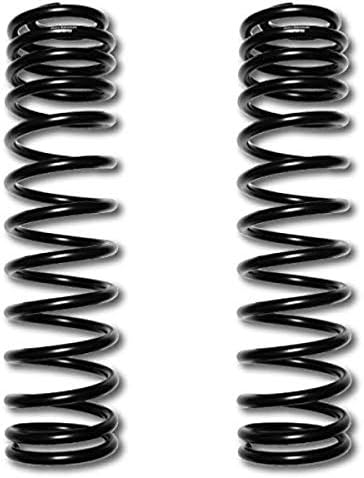
Should I consider used car suspension components?
Used car suspension components offer a way to source high-quality parts at a lower price point than new inventory. This involves sourcing parts from salvaged vehicles or reputable secondary markets where components have been inspected for safety. It costs significantly less than new parts, though it requires a higher level of scrutiny to ensure the parts are not fatigued.
Buying used is a viable path when you need a specific, discontinued part or want to source a high-end brand that is prohibitively expensive when new. It beats buying new for budget-conscious projects where “good enough” performance is the goal. This approach stops making sense if the part is a critical safety component with no visible history, as the risk of sudden failure from metal fatigue or internal seal failure outweighs the savings.
Can tire pressure and tread affect my ride?
Tire pressure and tread quality can significantly impact how a vehicle handles and feels on the road. This method works by optimizing the air pressure to the manufacturer’s specifications and ensuring the rubber compound is appropriate for the intended use. It costs very little, involving only a pressure gauge and potentially a set of different tires.
Adjusting tires beats buying suspension components when the “harshness” of the ride is caused by over-inflated tires or when “mushy” handling comes from worn-out tread. It is the first step in any suspension evaluation. This method stops making sense when the physical limitations of the springs or dampers are the cause of the issue, as no amount of pressure adjustment can compensate for a collapsed spring or a blown shock.
Does reducing vehicle weight help?
Reducing vehicle weight can improve suspension performance by decreasing the load on the springs and dampers. This involves removing unnecessary interior items, heavy accessories, or non-essential components from the vehicle. It costs nothing or very little, as it usually involves removing items you already own.
Weight reduction beats buying suspension components when the goal is improved acceleration, braking, and sharper turn-in. It is particularly effective for performance-oriented drivers who want a more responsive feel without changing the ride height. This approach stops making sense when the vehicle is used for heavy-duty hauling or towing, as the suspension must still be sized to handle the maximum possible load regardless of the “base” weight.
Comparison of Car Suspension Alternatives
| Route | Who it suits | Main Advantage | Where it breaks down |
|---|---|---|---|
| Professional Repair | Owners with worn factory parts | Restores original feel for less | When the design itself is inadequate |
| Used Components | Budget-conscious builders | Access to high-end brands cheaply | Risk of hidden fatigue or damage |
| Tire Optimization | Daily drivers seeking comfort | Immediate change with low cost | Cannot fix mechanical failures |
| Weight Reduction | Performance enthusiasts | Improves dynamics without parts | Does not help with heavy hauling |
When is buying new car suspension the right choice?
Buying new car suspension is the right choice when the vehicle’s current setup cannot meet your specific requirements regardless of maintenance. This occurs when you need to change the ride height for clearance, increase the load capacity beyond factory limits, or achieve a specific performance level that requires specialized valving or bypass technology. If you require a specific lift height, a significant increase in towing capacity, or a measurable change in handling characteristics that a repair cannot provide, purchasing new components is the necessary path. In these cases, the investment in new hardware is required to ensure the vehicle performs safely and effectively within its new intended use case.