Typical car suspension warranties span a range of 1 to 5 years depending on the component type, with 2 years being a common standard for aftermarket parts. The most frequent reason a claim in this category is refused is the presence of evidence regarding improper installation, such as incorrect bolt torque or misalignment of the mounting points.
What Does a Car Suspension Warranty Usually Cover?
A car suspension warranty typically covers manufacturing defects in the materials and internal components of the hardware. This includes structural failures of the metal and the internal seals or valving of dampers.
- Manufacturing defects in the steel or aluminum casting
- Internal seal failures causing fluid leaks in dampers
- Faulty internal valving or spring seat failures
- Cracks or fractures in the main body of the component
Most warranties specifically exclude damage resulting from external forces, environmental extremes, or user error. Because suspension components are subject to high stress, the distinction between a “failure” and “wear” is a primary point of contention in claims.
- Normal wear and tear of bushings, ball joints, and dust boots
- Damage caused by collisions, impacts, or curb strikes
- Corrosion or rust resulting from exposure to road salt or chemicals
- Failures caused by using incorrect fluids or non-standard lubricants
- Modifications or accessories that exceed the rated load capacity
Reviewed examples from this category
3 reviewed options, $160.76 to $449.99, with the full write-up behind each name.
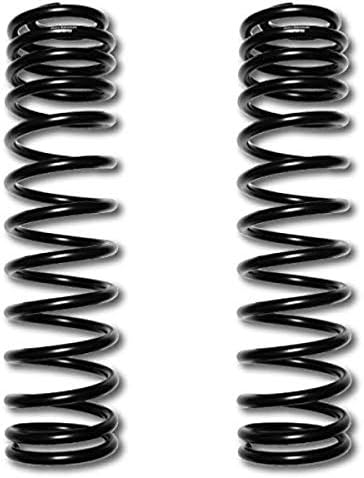
Rock Krawler RK03100 Coil Spring
$160.76 price checked August 2026
Read our full RK03100 Coil Spring review
If you are upgrading your truck, see our comparison of Silverado suspension boxes.


MILLISEC Air Ride Suspension Compressor Pump
$195 price checked August 2026
You might also consider exploring various car suspension alternatives to achieve your desired ride height.
How Does the Seller Affect Your Warranty?
The source of your purchase determines the legal path for a claim and who is responsible for processing the return. Different sales channels offer varying levels of protection and logistical ease.
Buying Directly from the Manufacturer
Purchasing directly from the manufacturer provides the most straightforward path to a claim as you deal with the entity that issued the warranty. You typically follow their specific RMA (Return Merchandise Authorization) process to send the part back for inspection or replacement.
Buying from an Authorised Retailer
Authorised retailers are officially recognised by the brand to sell and service their products. They usually act as a middleman, accepting the faulty part on your behalf and coordinating with the manufacturer to provide a replacement or refund.
Buying from a Marketplace Seller
Marketplace sellers on large platforms may not be authorised to handle warranty claims directly. In these cases, you may have to navigate the marketplace’s own dispute system or attempt to contact the brand yourself, which can be difficult if the seller is based in a different country.
To better understand the parts you are buying, view our guide to suspension terms and specs.
Buying Refurbished or Open-Box
Refurbished or open-box items often carry a significantly shortened warranty or a completely different warranty policy than new items. You must check the specific documentation for these units, as the original manufacturer’s warranty may be voided or not applicable at all.
Buying from an Importer or Grey-Market Seller
Grey-market products are sold through distribution channels not authorised by the manufacturer in your specific region. These items often lack any regional warranty coverage, meaning you may have no recourse if a part fails, as the manufacturer may refuse to service a product sold outside their official network.
What Actions Void a Car Suspension Warranty?
Specific actions and conditions will immediately void your coverage, making it impossible to claim a replacement for a faulty part. These conditions are designed to protect the manufacturer from liability regarding how the part is used.
Improper installation is the primary way coverage is voided. If a component is installed with incorrect torque settings or if the geometry of the vehicle is altered beyond the component’s specifications, the manufacturer can claim the failure was caused by the installer. Modification of the part itself, such as drilling new mounting points or welding additional brackets, also voids the warranty.
Operating the vehicle beyond the rated load capacity is another common voiding factor. If a suspension system is designed for a specific weight and is used on a vehicle that exceeds that weight, any resulting failure is considered a misuse of the product. Finally, using non-approved fluids or lubricants in dampers or shocks will void the warranty, as these substances can degrade internal seals and contaminate the valving.
What to Keep and Do Before Buying for Warranty Success
Taking specific steps before and during the purchase process ensures that you have the necessary evidence to support a claim if a part fails prematurely.
- Save the original digital or physical receipt showing the date and place of purchase
- Keep the original packaging and any included mounting hardware or instructions
- Take clear photos of the part and the vehicle’s mounting points immediately after installation
- Confirm the specific warranty duration and coverage limits in writing before completing the purchase
- Record the serial numbers or batch codes of the components as they arrive
- Document the installation process with photos to prove the correct hardware was used
When is an Extended Warranty Worth It?
An extended warranty is worth it for high-performance suspension components that have a high failure rate or are used in extreme environments like off-roading or heavy-duty towing. If you are using the vehicle in conditions that accelerate wear, such as constant exposure to salt or heavy loads, the extra cost of an extended warranty can provide peace of mind against premature failure. However, for standard daily driving on paved roads, the standard manufacturer warranty is usually sufficient, and an extended warranty is often an unnecessary expense given the low probability of a major component failure within the first few years.
Reviewed by the ExtremeSpec Auto editorial team. ExtremeSpec Auto writes these guides from the 8 most-reviewed car suspension listings in our retail dataset, not from manufacturer copy.