Car suspension is a system of mechanical components, including springs, shock absorbers, and linkages, that connects a vehicle’s body to its wheels. It manages the weight of the vehicle while allowing the wheels to move up and down independently of the chassis. By controlling the vertical movement of the wheels, the suspension ensures that the tires maintain consistent contact with the road surface.
The primary problem suspension solves is the transmission of energy. Without a suspension system, every bump, crack, or pebble in the road would be transmitted directly into the vehicle frame and the passengers inside. This lack of isolation would make the ride uncomfortable and potentially dangerous, as the tires would lose grip and the vehicle would become unstable. A functional suspension absorbs these impacts, stabilizes the vehicle’s attitude, and keeps the tires pressed against the ground to provide steering and braking force.
How Does Car Suspension Work?
Car suspension works through a continuous cycle of energy absorption and dissipation. When a wheel hits an obstacle, the system follows a specific mechanical progression:
- Compression: The upward force of a bump pushes the wheel into the wheel well. The spring compresses to store this energy, while the shock absorber (damper) resists the rapid movement to prevent the vehicle from bouncing excessively.
- Energy Storage: The spring acts as the primary energy reservoir. It holds the weight of the vehicle and absorbs the initial kinetic energy of the impact.
- Damping: As the spring pushes back to return to its original shape, the shock absorber converts the kinetic energy into heat. This prevents the car from oscillating like a pogo stick.
- Rebound: Once the obstacle is passed, the spring expands. The damper controls the speed of this expansion, ensuring the tire settles back into its proper position quickly but smoothly.
- Load Distribution: The linkages and control arms ensure that these vertical movements do not cause the wheels to tilt inward or outward excessively, maintaining the intended geometry of the vehicle.
Car Suspensions we have reviewed in detail
Prices across these 3 run from $160.76 to $449.99; each one has a full review here.
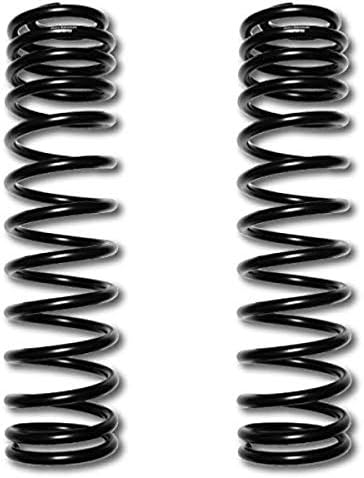
Rock Krawler RK03100 Coil Spring
$160.76 price checked August 2026
Read our full RK03100 Coil Spring review
If you are upgrading your rig, compare the best suspension repair kit for truck lift to see which components offer the most durability.


MILLISEC Air Ride Suspension Compressor Pump
$195 price checked August 2026
Read our full Air Ride Compressor review
For a deeper dive into the technical jargon, view our car suspension terms and specs guide to understand the industry standards.
The Parts and Stages That Matter to a Buyer
Understanding the specific components of a suspension system helps a buyer determine how different upgrades will change the ride quality or handling of a vehicle.
Spring Types and Ride Height
Springs are the foundation of the suspension’s load-bearing capacity. Coil springs, which consist of wound metal wire, are common for their compact size and ability to provide a linear rate of compression. Leaf springs, made of layered metal strips, are typically used on heavy-duty trucks and trailers because they offer high load capacity and durability. Each type changes the “spring rate,” which is the amount of force required to compress the spring a certain distance. A higher spring rate results in a firmer ride that handles heavy loads better, while a lower rate provides a softer, more compliant feel for passenger comfort.
Damping and Shock Absorbers
Shock absorbers, or dampers, do not support the weight of the car; they control the speed of the spring’s movement. A damper uses hydraulic fluid forced through small valves to create resistance. If a damper is too soft, the vehicle will feel “floaty” and may bounce multiple times after a bump. If it is too stiff, the ride becomes harsh as the suspension cannot move fast enough to absorb small road imperfections. Adjustable dampers allow a driver to change the damping force depending on whether they are carrying heavy cargo or driving on smooth highways.
Linkages and Geometry
Linkages include control arms, bushings, and ball joints that connect the wheels to the chassis. These components dictate the geometry of the suspension, such as caster, camber, and toe. Camber refers to the vertical tilt of the wheels; for example, a negative camber means the tops of the tires tilt inward. Proper geometry ensures that the tire’s contact patch remains flat against the road during cornering. If these linkages are worn or poorly designed, the wheels may “wander,” leading to unpredictable handling and accelerated tire wear.
What Does a Suspension Change in Practice?
The differences in suspension performance become visible in specific driving scenarios, while other factors remain unchanged regardless of the component quality.
Ride Quality on Uneven Roads
A high-quality suspension system improves the experience of driving over potholes, expansion joints on bridges, and gravel roads. In these conditions, a well-tuned system allows the wheels to move rapidly to soak up the impact, keeping the cabin stable. A poor suspension will cause the entire vehicle to shake or “jolt,” which can lead to driver fatigue and a less controlled experience.
Determining the right clearance is vital, so learn how to choose your car suspension lift height based on your specific needs.
Handling and Cornering Grip
In cornering, the suspension manages the weight transfer of the vehicle. When a car turns, weight shifts to the outside wheels. A competent suspension keeps the tires pressed firmly into the pavement during this transition. This provides the grip necessary to maintain speed through a curve. Without adequate suspension, the body of the car may lean excessively (body roll), which can cause the tires to lose their optimal contact patch and slide.
Where Suspension Changes Are Minimal
Suspension upgrades do not change the fundamental speed limits of a vehicle or the amount of weight the chassis can physically support. If a vehicle is overloaded beyond its structural capacity, even the best suspension cannot prevent mechanical failure or instability. Furthermore, on perfectly smooth, flat pavement, the differences between a standard and a high-performance suspension are much less noticeable than they are on varied terrain.
Who Needs a Suspension Upgrade?
Determining the need for specific suspension components depends on the intended use of the vehicle and the current state of the existing hardware.
When Carrying Heavy Loads
Drivers who frequently transport heavy equipment, large loads of cargo, or multiple passengers need a suspension with a higher load rating. This often involves stiffer springs or heavy-duty leaf springs. Without these, the vehicle will “sag,” which reduces the space between the tire and the wheel well and can cause the suspension to bottom out, potentially damaging the frame.
When Driving Off-Road
Off-road driving requires a suspension that can handle significant vertical travel. This means the system must be able to compress deeply without hitting the mechanical limits of the components. For these conditions, buyers look for longer-travel shocks and specialized springs that can maintain stability over large rocks or deep ruts.
When Replacing Worn Parts
Standard vehicle owners need suspension maintenance when the existing components show signs of fatigue. This includes visible leaking from shock absorbers, excessive noise from worn bushings, or a “loose” feeling in the steering. Replacing these worn parts restores the original factory handling and safety of the vehicle.
When a Standard Suspension Suffices
For most daily commuters who drive primarily on paved city streets and highways, the factory-installed suspension is sufficient. If the vehicle is used for standard passenger transport and does not carry specialized heavy loads or traverse unpaved terrain, the stock components are designed to provide a balanced compromise between comfort and safety.