There are four primary types of car suspension systems that define how a vehicle manages weight, absorbs impacts, and maintains tire contact with the road. The fundamental dimension that separates these types is the method of energy storage—whether the system relies on the compression of metal coils, the deflection of leaf springs, or the hydraulic resistance of gas-filled dampers. Choosing between these types depends on whether the priority is ride comfort, heavy load capacity, or high-performance handling.
What are Coil Spring Suspensions?
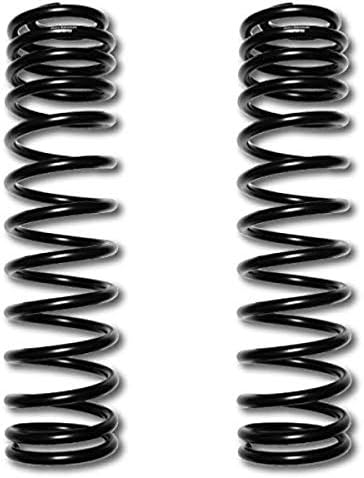
Coil spring suspensions use large, heavy-duty metal coils to support the vehicle’s weight and absorb road irregularities. This type is the standard for most modern passenger cars, SUVs, and light trucks because it provides a consistent, linear spring rate and allows for significant vertical travel.
Ride Quality and Handling
Coil springs offer a smoother ride than leaf springs because they can be tuned to have a softer initial feel while still providing support. They allow the wheels to move more freely, which helps maintain traction on uneven surfaces and improves the vehicle’s ability to lean into corners without excessive body roll.
Space Efficiency and Weight
Coil springs are compact, allowing for more interior space and a lower center of gravity compared to bulky leaf spring setups. However, they are generally less effective at supporting extreme, sustained heavy loads over long periods, as the coils can eventually compress to their limit and bottom out.
Cost Comparison
Coil spring systems sit in the mid-range of the market, costing more than basic leaf springs but significantly less than high-end active or adaptive systems. They represent the most common balance between cost and performance for daily drivers.
Where these choices show up in our reviews
Prices across these 3 run from $160.76 to $449.99; each one has a full review here.


MILLISEC Air Ride Suspension Compressor Pump
$195 price checked August 2026
Understanding electrical requirements is key, so learn how to choose your operating voltage before purchasing.
What are Leaf Spring Suspensions?
Leaf spring suspensions use several layers of curved metal strips, known as leaves, to support the vehicle and absorb shocks. This design is most common on heavy-duty trucks, trailers, and older commercial vehicles where the primary goal is carrying weight rather than maximizing ride comfort.
Heavy Load Capacity
Leaf springs excel at supporting heavy loads because the friction between the leaves provides natural stability and prevents the suspension from sagging under weight. They are the preferred choice for towing applications or vehicles that consistently carry heavy cargo in the bed or trailer.
Ride Quality Trade-offs
The trade-off for this high load capacity is a stiffer, more jarring ride. Because leaf springs are designed for durability, they do not compress as easily as coils, which can lead to a “bouncy” feel when the vehicle is empty or a harsh ride on rough pavement.
Cost Comparison
Leaf spring systems are generally the most affordable suspension type. Because the design is simple and the components are durable, they offer the lowest cost per pound of load capacity, making them the standard for utility-focused vehicles.
What are MacPherson Strut Suspensions?
MacPherson strut suspensions are a specific type of coil spring setup where the shock absorber and coil spring act as a single structural unit. This design is the most common front suspension for modern economy and mid-sized cars.
For those new to the hobby, you should see how car suspension works to understand the basics.
Design Simplicity
The MacPherson strut is favored for its simplicity and ease of manufacturing. By combining the strut and spring into one component, it requires less space in the engine bay and fewer moving parts than double-wishbone systems.
Handling Limitations
While efficient, the MacPherson strut has limitations in high-performance applications. Because it relies on a single pivot point, it can offer less precise steering geometry and less control over camber changes during hard cornering compared to more complex multi-link systems.
Cost Comparison
These systems are positioned at the lower end of the passenger car market. They provide an economical way to achieve reliable handling and ride quality for standard daily use without the complexity of premium suspension geometries.
What are Multi-Link Suspensions?
Multi-link suspensions use a complex arrangement of multiple, independent lateral and longitudinal arms to connect the wheel hub to the vehicle frame. This is the standard for luxury sedans, sports cars, and high-end performance SUVs.
Precision and Geometry
Multi-link systems provide the highest level of control because each link can be tuned to manage a specific movement, such as toe, camber, or caster. This allows the tire to maintain a perfect contact patch with the road even during extreme maneuvers or heavy braking.
Complexity and Maintenance
The primary trade-off for this performance is extreme mechanical complexity. More links mean more bushings, joints, and components that can wear out over time. These systems are also significantly harder to manufacture and require more space within the wheel well.
Cost Comparison
Multi-link systems sit at the highest price point in the category. The cost is driven by the precision engineering required for the multiple mounting points and the high-quality bushings needed to maintain the intended geometry.
Comparison of Car Suspension Types
| Suspension Type | Best-Fit Buyer | Main Advantage | Main Compromise |
|---|---|---|---|
| Coil Spring | Daily drivers and SUV owners | Smooth ride and compact design | Lower heavy-load capacity |
| Leaf Spring | Towing and heavy-duty hauling | High load capacity and durability | Harsh ride and limited travel |
| MacPherson Strut | Economy car owners | Cost-effective and simple design | Limited high-speed handling |
| Multi-Link | Performance and luxury buyers | Superior handling and precision | High cost and complexity |
How to choose the right suspension type?
You can determine which suspension type fits your needs by identifying your primary vehicle use case. If you are looking for a vehicle that will primarily haul heavy equipment or tow trailers frequently, a leaf spring system provides the necessary structural support.
If you prioritize a comfortable daily commute in a standard passenger vehicle, a coil spring system is the standard choice for balancing comfort and control. For those seeking the highest level of handling precision and are willing to pay for premium engineering, a multi-link setup is the appropriate choice.
For those on a strict budget who need a reliable commuter car, the MacPherson strut offers the best balance of manufacturing efficiency and basic road manners. Before making a final decision, confirm the specific mounting requirements and clearance for your vehicle’s chassis, as professional installation is required for most aftermarket modifications to ensure proper geometry.